
Soups & Stews
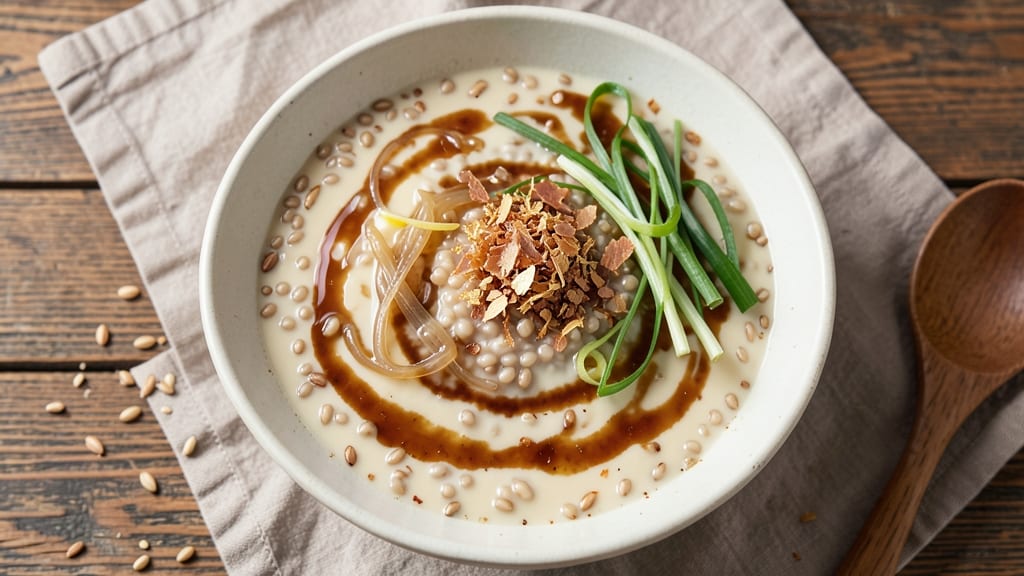
Barley miso soup delivers the perfect balance of hearty texture and umami depth in a single pot—ideal for chilly evenings or quick lunches. This recipe transforms simple ingredients into a nourishing, restaurant-worthy bowl with just 20 minutes of active time. The secret lies in dissolving miso paste properly and cooking barley until tender but still chewy, creating a comforting broth that feels like a warm hug in every spoonful.
The beauty of this soup is its adaptability: use kombu or dashi for a vegetarian broth, or swap in chicken stock for added richness. Each component—barley, miso, and optional toppings like tofu or wakame—works together to create a harmonious blend of flavors.
The barley absorbs the savory broth while maintaining its satisfying bite, and the miso paste infuses the liquid with its signature fermented depth.
What you'll end up with is a steaming bowl of golden broth dotted with plump barley grains, topped with your choice of fresh green onions or silky tofu. The aroma alone—earthy, slightly sweet, with a hint of saltiness—will have everyone gathered around the table.
It's the kind of meal that feels indulgent yet remains light enough for any occasion.
Perfect for meal prep or last-minute lunches, this soup scales effortlessly from single servings to family-sized batches. The one-pot method ensures minimal cleanup, while the customizable toppings let you tailor each bowl to your taste. Ready to make this comforting classic?
Ingredients for barley miso soup
Simple ingredients that transform into a deeply comforting, umami-rich barley miso soup.
| Ingredient | Amount | Notes |
|---|---|---|
| Barley (Pearl or Pot) 🌾 | ¾ cup | Uncooked, rinsed well |
| White Miso Paste 🧈 | ¼ cup | High-quality, smooth texture |
| Vegetable Broth 💧 | 4 cups | Low-sodium preferred |
| Kombu Seaweed 🍃 | 1 piece | 4-inch strip, cut from sheet |
| Bonito Flakes (Optional) 🐟 | 1 tbsp | For umami depth (omit for vegan) |
| Green Onions 🧅 | 3 whole | Thinly sliced for garnish |
| Silken Tofu 🍲 | ½ cup | Cubed for topping |
| Wakame Seaweed (Optional) 🍄 | ¼ cup | Rehydrated, chopped |
| Sesame Oil 🫒 | 1 tsp | Toasted for aroma |
| Rice Vinegar 🍶 | 1 tbsp | For brightness |
| Sesame Seeds 🌱 | 1 tsp | Toasted for garnish |
| Salt 🧂 | ½ tsp | Adjust to taste |
| Fresh Ginger 🧅 | 1 tbsp | Grated, aromatic |
The miso paste is the heart of this soup, so invest in a high-quality brand—Miso Master or Hodo are my go-tos. For the barley, pearl barley cooks faster than pot barley, but pot barley holds its texture better. Rinse it thoroughly before adding to remove any dust. Kombu seaweed adds subtle depth to the broth—look for dried sheets at Asian markets or well-stocked grocery stores. If you can't find kombu, a splash of soy sauce in the broth works in a pinch. The vegetable broth should be low-sodium to let the miso's natural saltiness shine.
No kombu? Soy sauce or dashi powder can replace it, though kombu provides a cleaner umami. Bonito flakes are traditional but optional—if you omit them, add an extra 0.5 tbsp of miso paste for depth. For the tofu, silken tofu is ideal but firm tofu works too—just cube it smaller for easier eating. Wakame seaweed needs rehydrating: soak it in warm water for 5 minutes before adding. The sesame oil and rice vinegar balance the richness—don't skip them. Fresh ginger is non-negotiable here; it brightens the entire bowl.
This soup reheats beautifully—simmer gently for 5 minutes before serving. Store leftovers in airtight containers for up to 5 days in the fridge. For meal prep, keep the toppings separate until serving to maintain crispness. The barley softens further when reheated, so it's best to serve it slightly undercooked. Freeze portions without the toppings for up to 3 months—just thaw and reheat gently. The miso paste can be stored in the fridge for 6 months once opened, but transfer it to an airtight container to preserve its flavor.
Why You'll Love This Recipe
- No-Chop Necessary: I swear by this—just toss in whole kombu sheets and bonito flakes (if using) straight from the package. The barley soaks up the broth while you’re doing anything else, no measuring cups or prep work. Honestly, the hardest part is waiting for it to simmer.
- Umami Bomb: That first spoonful of white miso paste dissolved into warm broth? It’s like a flavor explosion—salty, sweet, and deeply savory without needing a single drop of soy sauce. The kombu adds this subtle oceanic depth, and the barley turns the soup into a hearty, satisfying bite.
- Lunchbox Hero: Between us, this is my secret weapon for packed lunches. The barley stays firm enough to hold its shape, and the soup reheats beautifully. I’ll be real: my kids actually finish their leftovers, which is basically a miracle in this house.
- Pantry Staple Magic: You’re probably already stocked for this—barley, miso, kombu, and broth are all things I keep on hand year-round. It’s the kind of recipe that turns $5 worth of ingredients into a meal that feels like a treat, even when you’re just grabbing something quick. No fancy shopping lists, no waste. Just good food.
Step-by-step instructions for barley and miso soup
This one-pot barley miso soup delivers deep umami flavor and hearty texture in just minutes.
Prepare the Barley and Kombu Broth
Rinse the 0.75 cup barley (pearl or pot) thoroughly under cold water to remove any surface starch. This prevents the barley from becoming gummy during cooking. In a medium saucepan, combine the rinsed barley with the 4 cups vegetable broth and bring to a gentle boil over medium-high heat.
Once boiling, reduce heat to medium-low and add the 1 piece kombu seaweed. The kombu will infuse the broth with subtle oceanic notes as it simmers. Let the mixture cook uncovered for 10 minutes, stirring occasionally. You'll notice the barley softening slightly and the broth developing a delicate aroma—this is your base for building flavor.
Build the Miso and Umami Foundation
After the initial simmer, remove the kombu seaweed and discard it. Return the heat to medium and add the 0.25 cup white miso paste. Here's where the magic happens: stir continuously for 2-3 minutes until the miso dissolves completely into the broth. The soup should take on a richer, deeper color and develop a complex umami aroma.
If using, sprinkle in the 1 tbsp bonito flakes and stir for an additional 30 seconds to infuse the broth with their savory depth. For a vegan version, simply omit this step. The miso should now be fully integrated, creating a smooth, velvety base for your soup.
Add Ginger and Optional Wakame
Incorporate the 1 tbsp grated fresh ginger and stir for 1 minute to release its aromatic oils. The ginger will brighten the soup's flavor profile and add a subtle warmth. If using, add the 0.25 cup rehydrated wakame seaweed and stir gently to distribute it evenly throughout the broth.
Simmer the soup for an additional 5 minutes to allow all ingredients to meld together. You should notice the barley has softened further but still maintains a pleasant bite. Taste the broth and adjust seasoning with the 0.5 tsp salt if needed—this ensures the soup has proper balance before adding any toppings.
Finish with Tofu, Vinegar, and Garnishes
Gently fold in the 0.5 cup cubed silken tofu using a silicone spatula. The tofu should warm through without breaking apart, adding a delicate protein element to the soup. Remove from heat and stir in the 1 tbsp rice vinegar and 1 tsp sesame oil. This final step adds brightness and aromatic depth to the dish.
Ladle the soup into bowls and garnish each serving with thinly sliced green onions, 1 tsp toasted sesame seeds, and an additional drizzle of sesame oil if desired. The contrast of textures and flavors—creamy tofu, chewy barley, and delicate seaweed—creates a satisfying one-pot meal that's both comforting and nutritious.
Pro Tips For Making Barley Miso Soup
- SOAK THE BARLEY FIRST: I learned this the hard way—skipping the soak means your barley will turn to mush instead of chewy perfection. Toss it in hot water for 10 minutes, drain, then rinse before cooking. (Yes, even if you're impatient like me.)
- STIR THE MISO LAST: Add the miso paste after the broth is simmering, not before. The heat will kill the good bacteria and make it bitter—stirring it in at the end keeps that rich, fermented flavor intact.
- DON’T BOIL THE KOMBU: Simmer the kombu gently for 5 minutes, then remove it—boiling turns it bitter and ruins the broth. It’s the thing that matters most for that deep umami flavor without overpowering the soup.
- USE COLD BROTH FOR MISO: Take the broth off the heat before adding the miso—hot liquid kills its probiotics and makes it taste flat. Stirring it into lukewarm broth keeps the paste alive and creamy. (Your future self will thank you.)
Storing and reheating this barley miso soup
Refrigerator Storage
Store your barley miso soup in an airtight container with a lid, allowing about ½ inch of headspace for expansion. The soup will keep well in the refrigerator for up to 5 days, with flavors actually deepening as the miso and barley meld further.
I always use glass containers—they’re safer for reheating and maintain the soup’s integrity better than plastic. 🌡️
For best texture, keep the toppings—like tofu, wakame, and green onions—separate until serving. The barley softens more when refrigerated, so aim to reheat it slightly undercooked for that perfect chewy bite.
If storing for longer than 2 days, press plastic wrap directly onto the surface to minimize broth exposure and prevent skin formation.
Freezer-Friendly Tips
Freezing barley miso soup is a game-changer for busy weeks! Portion the soup into quart-sized freezer bags, leaving 1 inch of space at the top to account for expansion.
Seal tightly and label with the date—this soup stays delicious for up to 3 months. For individual servings, freeze in single-portion containers for quick lunches. 🧊
When ready to eat, thaw overnight in the fridge or use the microwave’s defrost setting for 2-3 minutes. Never refreeze once thawed, as this can degrade the barley’s texture and dilute the miso’s richness.
Pro tip: Freeze without the toppings—they won’t survive freezing well, but you can add them fresh when reheating.
Reheating Like a Pro
For the best texture, reheat your soup gently on the stovetop over medium-low heat. Add ¼ cup water or broth to prevent sticking and simmer for 5-7 minutes, stirring occasionally. This method preserves the barley’s chewiness and prevents the broth from becoming gluey.
If using the microwave, heat in 1-minute intervals on 50% power, stirring between each interval to distribute heat evenly. 🔥
Adjust seasoning after reheating—the flavors can concentrate, and the barley absorbs more liquid. A splash of rice vinegar or a drizzle of sesame oil can revive the brightness if needed.
For extra richness, stir in 1 tsp miso paste while reheating to restore depth. Always reheat to an internal temperature of 165°F to ensure safety.
Preserving Fresh Toppings
To keep toppings crisp and vibrant, store them separately in small airtight containers in the fridge. Silken tofu stays fresh for 3-4 days when submerged in water in a sealed container, while green onions last 1 week when wrapped in a damp paper towel.
Wakame seaweed, if prepped ahead, should be stored in its rehydration liquid and used within 2 days. 🥬
For meal prep, portion toppings into small containers (like ½ cup ramekins) so you can assemble bowls quickly. Toast sesame seeds just before serving—they lose their crunch when stored, but a 30-second dry toast in a pan restores their nutty aroma.
Fresh ginger and garlic should be kept whole and grated only when ready to use for maximum flavor retention.
Nutrition facts
Frequently asked questions
Why does my barley miso soup turn bitter?
Overcooking the kombu seaweed or miso paste can create bitterness. Remove the kombu after 10 minutes of simmering, and dissolve miso paste over medium heat (never boiling) for just 2-3 minutes. For extra insurance, add a splash of rice vinegar or a pinch of sugar to balance flavors.
Can I make this soup gluten-free?
Use a certified gluten-free vegetable broth and check your miso paste label—some contain wheat. Many brands now offer gluten-free miso made from rice or chickpeas. The barley itself isn't gluten-free, so substitute with quinoa or buckwheat for a grain alternative.
How do I adjust the soup's thickness?
For a thinner consistency, stir in ½ cup hot water or broth while reheating. For a thicker soup, simmer uncovered for an extra 5 minutes to reduce the liquid. The barley should remain chewy—if it's mushy, reduce cooking time next batch by 2-3 minutes.
What's the best barley for this recipe?
Pearl barley cooks faster (20-25 minutes) while pot barley stays chewier (30-35 minutes). For this soup, I recommend pot barley—it holds its texture better through reheating. Rinse it well before cooking to prevent gumminess.
Can I use instant miso in this recipe?
Not recommended! Instant miso dissolves faster but lacks the rich, complex flavor of traditional miso paste. For best results, use white or red miso paste—they create a deeper umami profile. If you must use instant, reduce the amount by 20% and dissolve it separately in warm broth first.