
Soups & Stews
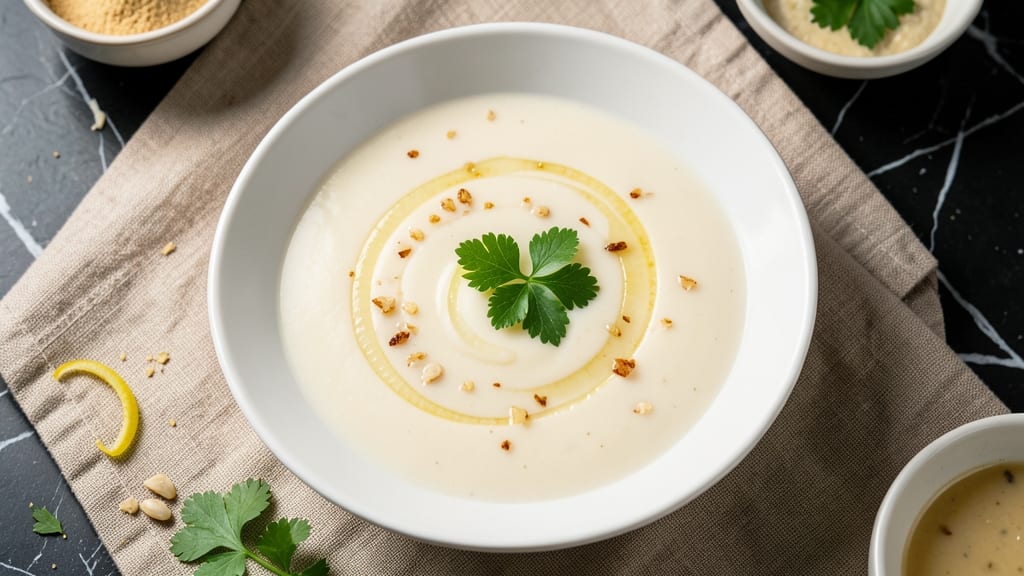
This basic cream soup recipe delivers velvety perfection in just 30 minutes—no fancy techniques required. The secret lies in a simple roux that thickens the broth into a luscious, silky texture while keeping it light enough to balance rich ingredients. I've made this soup countless times, and it never fails to impress with its smooth consistency and comforting flavor. What sets this recipe apart is its adaptability—swap the vegetables based on what you have on hand, and adjust the cream-to-broth ratio for a lighter or richer finish. The process is straightforward: sauté aromatics, build the roux, add broth, and finish with cream for that signature velvety mouthfeel. It's the kind of soup that transforms simple ingredients into something restaurant-worthy. By the end, you'll have a creamy, flavorful soup with a velvety texture that coats every spoonful. The best part? It's ready in under 30 minutes, making it perfect for busy weeknights or when you crave something comforting. Whether you're serving it as a starter or a light main, this soup delivers satisfaction every time. The beauty of this recipe is its versatility—use it as a base for countless variations, from classic chicken noodle to hearty mushroom or roasted vegetable. Let's get started on creating your perfect bowl of creaminess.
Ingredients for basic cream soup
Velvety perfection starts with these 13 simple ingredients—pantry staples that transform into restaurant-quality cream soup.
| Ingredient | Amount | Notes |
|---|---|---|
| Unsalted Butter 🧈 | ½ cup | Cold, cubed for roux |
| All-Purpose Flour 🌾 | ½ cup | White or gluten-free blend |
| Vegetable Broth 💧 | 4 cups | Low-sodium preferred |
| Heavy Cream 🥛 | 1 cup | Full-fat for richness |
| Yellow Onion 🧅 | 1 whole | Medium, diced small |
| Garlic Cloves 🧄 | 3 cloves | Fresh, minced fine |
| Carrots 🥕 | 2 medium | Peeled, diced small |
| Celery Stalks 🌿 | 2 whole | Trimmed, diced small |
| Potatoes 🥔 | 1 lb | Yukon gold, peeled |
| Salt 🧂 | 1 ½ tsp | Diamond Crystal preferred |
| Ground Black Pepper 🌶️ | ½ tsp | Freshly cracked |
| Fresh Thyme 🌿 | 1 tbsp | Leaves only, chopped |
| Lemon Juice 🍋 | 1 tbsp | Freshly squeezed |
The butter and flour create the magic here—this is your roux foundation. European-style unsalted butter (like Plugrá or Land O'Lakes) gives the best flavor, but any good-quality brand works. For the flour, King Arthur or Bob's Red Mill are my go-tos—they create a smoother roux. The vegetable broth is where you can get creative: Pacific Foods or Imagine brands are low-sodium and vegetable-forward, but homemade is even better. Pro tip: if your broth is too salty, dilute it with water before adding to the roux. The potatoes are the secret to that ultra-silky texture—Yukon Golds break down beautifully and add natural sweetness.
No vegetable broth? Chicken broth works in a pinch, but keep it unsalted. Running short on celery? Swap for 1 extra carrot or a pinch of celery salt. Fresh thyme unavailable? Dried thyme at one-third the amount works, but the flavor won't be as vibrant. The heavy cream is non-negotiable for that signature velvety mouthfeel—full-fat is essential. For a lighter version, reduce to ½ cup and add a splash of milk. Want to make this dairy-free? Coconut cream works surprisingly well, though the flavor will shift slightly. The lemon juice at the end brightens everything—don't skip it even if you're not a fan of citrus in soups.
This soup tastes even better the next day as flavors meld. Store in an airtight container for up to 5 days in the fridge. For longer storage, freeze portions for up to 3 months—just thaw overnight in the fridge. I always make a double batch because leftovers reheat beautifully. If the soup gets too thick after refrigeration, stir in a splash of warm broth or milk to restore that silky texture. Garnish with a swirl of cream and extra thyme before serving—presentation matters when you're serving something this luxurious.
Why You'll Love This Recipe
- Pantry Magic: I swear by this recipe—no fancy ingredients, just butter, flour, and broth. The moment that roux hits the pan, you’re already halfway to dinner, and the onion adds just enough depth without extra effort.
- Velvet Smoothness: That heavy cream swirled into the broth? Pure satisfaction. It’s rich but not heavy, with the onion’s sweetness lingering just enough to make every spoonful feel like a little indulgence.
- Leftovers That Shine: Make a double batch on Sunday—it reheats beautifully and tastes even better the next day. My kids ask for it after school, and honestly? I’d rather serve this than anything store-bought.
- Budget-Friendly Luxury: Five ingredients, zero waste. The butter and flour stretch perfectly, and the broth keeps it hearty without breaking the bank. It’s the kind of meal that makes you feel fancy while still being practical.
Step-by-step instructions for cream soup with perfect velvety texture
Here's how to transform simple ingredients into a restaurant-worthy cream soup in under an hour.
🍳 Step 1: Build a Rich Roux Foundation
Melt the 0.5 cup unsalted butter in a large pot over medium heat. Once fully melted and foaming subsides, add the 0.5 cup all-purpose flour all at once. Stir constantly with a wooden spoon for 3-4 minutes until the mixture turns a deep golden brown and smells nutty—this is your roux, the flavor backbone of your soup.
I like to keep the heat at medium during this step to prevent burning while ensuring proper color development. The roux should coat the back of a spoon and leave a distinct line when stirred through the broth later. If it darkens too quickly, reduce heat slightly—patience here prevents bitterness.
👨🍳 Step 2: Sauté Aromatics and Cook Vegetables
Add the diced 1 whole yellow onion, minced 3 cloves garlic, diced 2 medium carrots, diced 2 whole celery stalks, and peeled, cubed 1 lb potatoes to the pot. Stir to coat everything thoroughly with the roux. Cook over medium heat for 8-10 minutes, stirring occasionally, until the vegetables soften slightly and the onion becomes translucent.
This step develops the soup's depth of flavor through the Maillard reaction. You'll notice the vegetables release moisture—this is normal and actually helps create a more cohesive soup. The potatoes should be just beginning to soften at the edges by the end of this cooking time.
🍳 Step 3: Simmer with Broth for Maximum Flavor Extraction
Pour in the 4 cups vegetable broth all at once and bring to a gentle boil. Once boiling, reduce heat to low and let it simmer uncovered for 15-20 minutes. Stir occasionally to prevent sticking, and add the 1.5 tsp salt and 0.5 tsp ground black pepper about halfway through cooking.
Here's where the magic happens: the potatoes should break down completely and the soup should thicken naturally. You'll know it's ready when a spoonful leaves a clear line in the soup and the potatoes are fork-tender. If it's too thick, add a splash of water or broth to reach your desired consistency.
🥘 Step 4: Finish with Cream and Brighten with Acid
Remove the pot from heat and stir in the 1 cup heavy cream and 1 tbsp chopped fresh thyme. Return to low heat just until warmed through—about 2-3 minutes. The cream should heat gently but not curdle. Add the 1 tbsp lemon juice and taste, adjusting seasoning if needed.
This is the moment that matters: the lemon juice brightens the rich creaminess while the thyme adds herbal complexity. The soup should be silky smooth with no graininess from the cream. If you prefer an even smoother texture, blend briefly with an immersion blender—just be careful not to over-blend the potatoes.
⏰ Step 5: Rest and Serve with Perfect Texture
Let the soup rest for 5 minutes off the heat before serving. This allows flavors to meld and prevents a temperature shock when you add cold garnishes. Ladle into bowls and garnish with additional thyme leaves or a drizzle of cream if desired.
Each spoonful should deliver that luxurious creaminess with balanced vegetable sweetness and herbal brightness. The potatoes should be completely tender with no resistance. For an extra touch, serve with crusty bread or a sprinkle of grated Parmesan—though this soup shines perfectly on its own as a comforting classic.
Pro Tips For Making Basic Cream Soup
- Cook Onions Slow: I learned this the hard way—rushing the onions means burnt bits that turn your soup bitter. Slice them finely, then cook them in the butter over medium-low heat for 8-10 minutes until they’re soft and translucent, not golden. (Yes, even if you’re impatient like me.)
- Whisk Like You Mean It: When you add the flour to butter, stop stirring and whisk vigorously for 30 seconds to break up lumps. I used to just stir, and my soups always had a gritty texture. A quick pulse with a whisk or immersion blender smooths it out—no one wants to bite into flour clumps.
- Strain Before Creaming: After simmering the broth, strain out any onion bits—even if they’re small. I skipped this once, and the texture was uneven. A fine-mesh sieve or cheesecloth does the trick, and your soup will look silky, not speckled.
- Salt the Broth Early: Taste the broth before adding cream—it’s the only chance to fix seasoning. Heavy cream is rich, so if you wait to salt, you’ll end up overdoing it. Add ½ teaspoon salt per cup of broth and adjust; your future self will thank you.
Perfect pairings for basic cream soup
Bread Pairings
This velvety soup pairs perfectly with crusty artisan bread—think a baguette or sourdough that can soak up every drop of creamy goodness. I love using a freshly baked rosemary focaccia from my local bakery, or even a garlic breadstick for a more casual vibe.
The crispy crust contrasts beautifully with the smooth soup, creating the ultimate textural experience. 🥖
Cheese Garnishes
For an extra layer of flavor, top each bowl with grated Parmesan or Gruyère—just 1-2 tablespoons per serving adds a nutty depth. I also like a sprinkle of crumbled blue cheese for a bold twist, especially if you're serving this with a charcuterie board.
The cheese melts slightly from the warm soup, creating a creamy, cheesy finish that takes it to the next level.
Herb Finishes
Fresh herbs elevate this soup instantly. A handful of chopped chives or parsley adds brightness and color, while thyme sprigs tie back to the recipe's aromatic base. For something more dramatic, try microgreens or edible flowers—they add a gourmet touch that feels restaurant-worthy.
I often finish with a drizzle of high-quality olive oil and a pinch of flaky sea salt for that final luxurious touch.
Crunchy Toppings
Add texture with toasted breadcrumbs or crispy fried shallots—just 1 tablespoon per bowl gives that satisfying crunch. I also love crumbled bacon or prosciutto for a salty, savory contrast.
For a vegetarian option, toasted pumpkin seeds or sunflower seeds work beautifully. These toppings should be added right before serving to keep them crisp.
Dipper Alternatives
If you're serving this soup as part of a larger meal, consider offering warm dinner rolls or cheese straws on the side. For a lighter option, rice crackers or water crackers let guests enjoy the soup without overpowering it.
I once served this at a dinner party with mini quiches on the side—it was a hit! The key is balancing textures and flavors so each bite feels complete.
Beverage Pairings
A crisp white wine like Sauvignon Blanc or Chardonnay cuts through the richness perfectly. For beer lovers, a wheat beer or pilsner complements the creamy texture without clashing. I also enjoy a sparkling water with lemon on the side—it refreshes the palate between spoonfuls.
Avoid heavy reds or sweet drinks, as they can overpower the soup's delicate balance.
Nutrition facts
Frequently asked questions
Can I make this cream soup without a roux?
The roux is what creates that signature velvety texture, but you can make a lighter version by whisking 2 tablespoons cornstarch with ¼ cup cold water and stirring it into the simmering broth. Simmer for 2-3 minutes until thickened, then add the cream. The result won't be as rich but still delicious!
Why did my cream soup turn out grainy?
Graininess usually happens when the cream curdles or the soup cools too quickly. Always warm the cream gently over low heat for 2-3 minutes after adding it. For extra smoothness, blend briefly with an immersion blender—just don't over-blend the potatoes. Pro tip: Rest the soup for 5 minutes before serving to let flavors meld.
How can I make this soup vegetarian?
This recipe is already vegetarian-friendly! Just use vegetable broth instead of chicken broth. For extra richness, add ½ cup cashew cream (blend soaked cashews with water) instead of heavy cream. You can also boost umami with 1 teaspoon miso paste or ½ teaspoon nutritional yeast when adding the broth.
Can I prepare this soup ahead of time?
Make it up to 2 days ahead and store in an airtight container in the fridge. Reheat gently on low heat, stirring occasionally, and add a splash of warm milk or cream to restore that silky texture. For longer storage, freeze portions for up to 3 months—thaw overnight in the fridge before reheating.
What's the secret to the perfect velvety texture?
The magic happens in three steps:
- Cook the potatoes until completely tender (they should break down easily),
- Simmer the broth until it naturally thickens (about 15-20 minutes), and
- Warm the cream gently over low heat to prevent curdling. The resting time before serving also helps flavors meld for that restaurant-quality finish!