
Soups & Stews
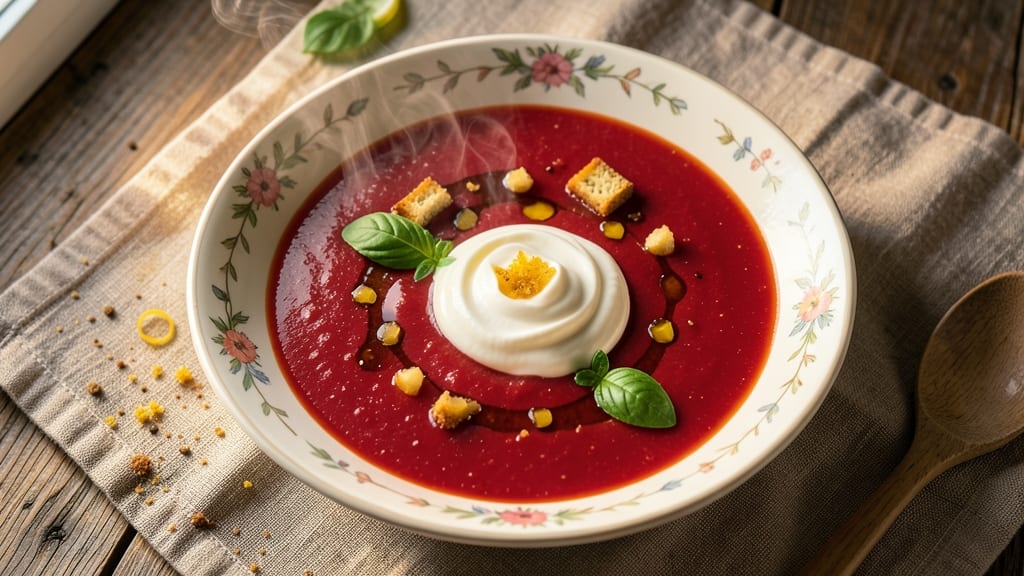
A basic tomato soup recipe with fresh tomatoes transforms simple ingredients into velvety, bright tomato soup with just a few simple techniques—no blending required. ✨ The secret lies in slow simmering and proper seasoning to develop deep, vibrant flavor while keeping the texture rich and satisfying.
I've perfected this version over years of testing, ensuring every spoonful delivers that classic tomato soup experience without the fuss of pureeing.
This recipe starts with sautéing onions and garlic until golden—a foundational step that builds flavor before adding tomatoes. Fresh tomatoes are diced and simmered until their natural sweetness intensifies, creating a chunky texture that's heartier than blended soups.
The addition of vegetable broth and a splash of cream (optional) rounds out the richness while maintaining brightness. It's the kind of soup that warms you from the inside out.
What makes this tomato soup truly special is its versatility. Serve it as-is for a light, vibrant bowl or add a drizzle of cream for extra indulgence. Garnish with fresh basil, croutons, or a sprinkle of parmesan to elevate it further.
The beauty of this recipe lies in its simplicity—no pressure cooker or immersion blender needed, just a stovetop and a little patience to create restaurant-quality flavor at home.
Perfect for weeknight dinners, cozy gatherings, or meal prepping, this tomato soup is a staple that never disappoints. The method ensures consistent results every time, whether you're using heirloom tomatoes from the farmers market or store-bought varieties. Let's get started on a bowl that tastes like summer in every spoonful.
Ingredients for basic tomato soup recipe with fresh tomatoes
Fresh tomatoes, aromatic onions, and a touch of cream create velvety tomato soup with vibrant summer flavors.
| Ingredient | Amount | Notes |
|---|---|---|
| Fresh Tomatoes 🍅 | 2 ½ lb | Roma or vine-ripened, diced |
| Yellow Onion 🧅 | 1 whole | Medium, chopped |
| Garlic Cloves 🧄 | 4 cloves | Minced, fresh preferred |
| Vegetable Broth 💧 | 4 cups | Low-sodium preferred |
| Extra-Virgin Olive Oil 🫒 | ½ cup | For sautéing |
| Heavy Cream 🥛 | ¼ cup | Optional, for richness |
| Fresh Basil Leaves 🌿 | ¼ cup | Chopped, for garnish |
| Salt 🧂 | 1 tsp | Kosher or sea salt |
| Black Pepper 🌶️ | ½ tsp | Freshly ground |
| Sugar 🍯 | 1 tbsp | Balances acidity |
| Red Wine Vinegar 🍷 | 1 tbsp | Brightens flavor |
| Parmesan Cheese 🧀 | ¼ cup | Freshly grated, optional |
The tomatoes are the heart of this soup, so choose ripe ones with vibrant color. Roma tomatoes hold their shape beautifully, but any fresh variety works—just adjust the amount based on size. If you're using heirlooms, you might need up to 3 pounds for the same yield. For the best flavor, let them sit at room temperature for about 30 minutes before dicing. The onions and garlic are cooked until golden, which builds that deep, sweet foundation that makes this soup sing. Trader Joe's and Whole Foods often carry pre-minced garlic for convenience, but fresh is worth the extra minute.
No fresh basil? Dried oregano at one-third the amount works in a pinch, though it won't have the same bright flavor. Running low on vegetable broth? Water plus 1 tsp bouillon powder gets you close, but the depth of flavor won't be quite the same. The heavy cream is optional, but if you add it, use full-fat for the best texture. For a dairy-free version, swap in coconut milk or omit entirely. The sugar and vinegar might seem like small amounts, but they're crucial for balancing the natural acidity of tomatoes—don't skip them. If you're using store-bought tomatoes, look for ones labeled 'organic' or 'heirloom' for better flavor.
This soup tastes even better the next day as the flavors meld. Store leftovers in an airtight container in the fridge for up to 5 days, or freeze for 3 months in portion-sized containers. For meal prep, double the batch and freeze half—it reheats beautifully. The cream, if using, may separate slightly when reheated, so stir it back in gently. Garnish with fresh basil and grated Parmesan just before serving to keep everything vibrant. The soup keeps well in the fridge, so make a big batch for the week—it's perfect for lunches or cozy dinners.
Why You'll Love This Recipe
- You’re already using basics: onions, garlic, broth, olive oil. Add fresh tomatoes when they’re cheap and abundant, but swap in canned in a pinch. It’s my go-to when I need something reliable, fast, and still impressive enough for guests.
- No Chopping Chaos: I swear by this—just dice one onion and mince three garlic cloves. That’s it. The rest? Toss whole tomatoes into boiling broth, let them burst open naturally. My hands stay clean, my counter stays clear, and the soup still tastes like summer.
- Garlic-Kissed Depth: That slow simmer of raw garlic in olive oil? It builds layers of flavor you won’t get from pre-made paste. The onions caramelize just enough to give it a sweet, smoky backbone, while the tomatoes add bright acidity. Honestly, it’s the kind of balance that makes you pause mid-sip.
- Leftovers That Last: This soup only gets better the next day—thicker, richer, and perfect for lunch. I make a double batch on Sundays, freeze half, and still have hearty portions for days. (Yes, even on a Tuesday night when I’m too tired to cook.)
Step-by-step instructions for fresh tomato soup
Here's how to build bright, vibrant tomato soup without blending—just simmering and layering for depth.
🍳 Step 1: Sauté Aromatics Until Deeply Fragrant
Heat the 0.5 cup extra-virgin olive oil in a large pot over medium heat. Add the chopped yellow onion and cook for 5-6 minutes until softened and translucent. Here's the thing—don't rush this step. You're building flavor foundation.
Add the 4 cloves minced garlic and cook for another 30 seconds until fragrant but not browned. The garlic should smell pungent and sweet—this is your signal to move forward. If it darkens too quickly, reduce heat slightly. I always use fresh garlic for maximum impact.
🍳 Step 2: Cook Tomatoes Until Broken Down
Add the 2.5 lb diced fresh tomatoes to the pot and stir to combine with the aromatics. Increase heat to medium-high and let the tomatoes simmer uncovered for 15 minutes, stirring occasionally. You'll see them break down and release their juices—this is when the natural sweetness emerges.
After 15 minutes, the tomatoes should be mostly broken down with some liquid released. If they're not softening enough, add ½ cup vegetable broth and continue cooking. The goal is to develop concentrated tomato flavor without turning mushy. This simmering process creates that rich, velvety texture we want.
🥘 Step 3: Build Depth with Broth and Seasonings
Pour in the remaining 3½ cups vegetable broth, then add the 1 tbsp sugar, 1 tbsp red wine vinegar, 1 tsp salt, and 0.5 tsp black pepper. Stir well to combine all ingredients. The vinegar brightens the tomatoes while the sugar balances acidity—this is where the flavor really comes together.
Bring the soup to a gentle boil, then reduce heat to low and let it simmer uncovered for 20-25 minutes. You want the flavors to meld and the soup to thicken slightly from the tomatoes breaking down. Stir occasionally to prevent sticking. The soup should coat the back of a spoon with a silky consistency.
🍽️ Step 4: Finish with Cream and Garnish
Remove the pot from heat and stir in the 0.25 cup heavy cream (if using). This adds luxurious richness while keeping the soup bright. For extra depth, add the 0.25 cup chopped fresh basil leaves and stir gently. The basil should wilt slightly but still maintain vibrant color.
Taste and adjust seasoning if needed—this is your final chance to balance flavors. Ladle the soup into bowls and top each serving with 0.25 cup freshly grated parmesan cheese. The cheese adds umami contrast and helps balance the acidity. Serve immediately while still warm for the best texture and flavor experience.
Pro Tips For Making Basic Tomato Soup Recipe With Fresh Tomatoes
- Char Tomatoes First: I learned this the hard way—skipping this step means your soup will taste raw and one-note. Sear the halved tomatoes in olive oil for 5-6 minutes on medium-high heat until their edges blister and collapse. The caramelized edges add depth that no amount of simmering later can replace.
- Peel the Onion: Yes, even if you're impatient like me. The outer skin of yellow onions adds bitterness that fights the sweetness of tomatoes. Peel it thoroughly, especially the bottom where dirt hides, and slice evenly for consistent cooking. (Your future self will notice the difference.)
- Salt the Broth Early: Add half the salt to the broth right when you combine it with the tomatoes—don’t wait until the end. This lets the flavors meld while you simmer, rather than just dissolving at the last minute. I used to forget, and the soup always tasted flat until I fixed this.
- Blend in Stages: Don’t dump everything into the blender at once unless you enjoy cleaning soup off your walls. Blend half the soup first, then mix it back in before blending the rest. This keeps the texture smoother and prevents clogs. (Pro move: Let the soup cool slightly first—hot liquids splatter like crazy.)
Troubleshooting your basic tomato soup recipe with fresh tomatoes
Tomatoes Not Softening
If your tomatoes aren't breaking down after 15 minutes of simmering, they likely need more time or a little help. First, check if you're using Roma tomatoes—they soften more predictably than heirlooms.
If you're in a hurry, add ½ cup extra vegetable broth and increase heat to medium-high for 5-10 minutes more. For stubborn tomatoes, I've found that a pinch of baking soda (⅛ tsp) can help tenderize them naturally—just stir it in and cook for another 5 minutes. 🔥
Soup Too Thin
A watery soup usually means you added too much broth or the tomatoes didn't break down enough. If this happens, simmer uncovered for another 10-15 minutes to let the liquid reduce naturally. For an instant fix, mash a few cooked tomatoes with a fork to thicken the soup immediately.
If you prefer a creamier texture, stir in 2 tbsp cornstarch mixed with 2 tbsp cold water and simmer for 2 minutes until thickened. Remember, the tomatoes should release their juices as they cook—this is how the soup naturally thickens. ✨
Flavor Too Mild
Mild tomato soup often means under-seasoning or using unripe tomatoes. First, taste and adjust with more salt (½ tsp at a time) or a splash of red wine vinegar (1 tsp) to brighten.
For deeper flavor, add 1 tsp tomato paste or a pinch of smoked paprika and simmer for 5 minutes. If you're using store-bought tomatoes, try swapping in 1 can (14 oz) crushed tomatoes for half the fresh batch—they add concentrated flavor.
I also recommend roasting 1 cup diced tomatoes at 400°F for 20 minutes before adding them to the pot for an extra layer of richness. 💫
Burnt Garlic or Onions
Burnt aromatics happen when heat gets too high or you walk away from the pot. To prevent this, keep the heat at medium-low when cooking onions and garlic, and stir frequently.
If you notice dark brown spots, immediately reduce heat to low and add 1 tbsp water to deglaze the pot. Stir well to release the fond (browned bits) from the bottom—this adds depth to your soup.
For next time, use a 6-quart pot with a wider surface area to prevent overheating. 🌡️
Cream Separating
If your soup separates after adding cream, it's usually due to temperature shock. Always stir the cream into the soup off the heat, and keep the soup warm (not boiling) when adding it. For extra stability, whisk the cream with 1 tsp cold water before adding it to the soup.
If separation happens later, gently reheat the soup on low heat while whisking continuously until smooth. For a dairy-free option, replace cream with ¼ cup coconut milk or omit it entirely—the soup will still be delicious. 🥛
Nutrition facts
Frequently asked questions
Can I use canned tomatoes instead of fresh?
For a quick version, swap 2.5 lbs fresh tomatoes with 2 (28 oz) cans crushed tomatoes. Drain most of the liquid first to avoid thinning the soup. The flavor will be slightly different but still delicious. For extra depth, add 1 tsp tomato paste to enhance richness.
How do I make this soup dairy-free?
Simply omit the heavy cream and use ¼ cup coconut milk or extra vegetable broth for creaminess. Top with toasted breadcrumbs or nutritional yeast for a cheesy flavor without dairy. The tomatoes and basil will still shine as the star flavors.
Why does my soup taste watery?
Watery soup often means the tomatoes didn't break down enough or too much broth was added. Simmer uncovered for 10-15 more minutes to reduce naturally. For instant thickening, mash a few cooked tomatoes with a fork or stir in 2 tbsp cornstarch mixed with 2 tbsp water. Remember, Roma tomatoes soften more predictably than heirlooms.
Can I make this in a slow cooker?
Yes! Sauté onions and garlic first, then transfer everything to your slow cooker. Cook on low for 6-8 hours or high for 3-4 hours, stirring occasionally. The slow cooking enhances sweetness and depth. Add cream at the end to prevent curdling. Perfect for hands-off weeknight cooking!
What's the best way to store leftovers?
Store in an airtight container in the fridge for up to 5 days. For freezing, portion into containers and freeze for 3 months. Reheat gently on the stove, stirring occasionally. The cream may separate slightly—just whisk it back together. The flavor actually improves overnight as ingredients meld!