
Soups & Stews
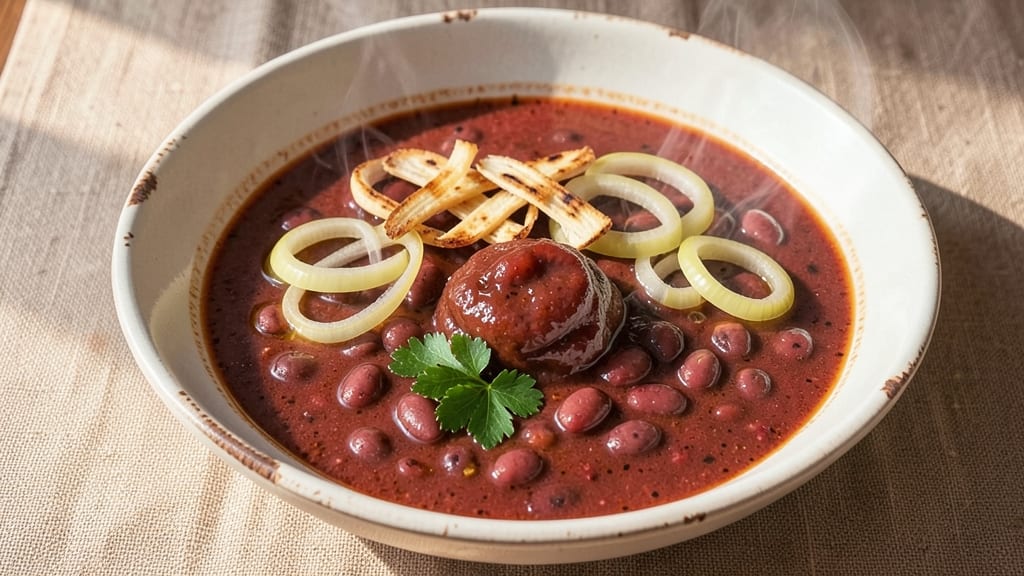
This Basque red bean soup recipe brings the hearty, smoky flavors of the Basque Country to your kitchen with just 10 simple ingredients and a slow simmer.
The secret lies in the deep, earthy taste of smoked paprika and the sweetness of garlic caramelized over low heat, transforming humble red beans into a rich, velvety stew that’s both comforting and deeply satisfying.
It’s the same dish that’s been warming Basque homes for generations—now made approachable for any home cook.
What sets this recipe apart is the balance of textures and flavors: tender beans, crispy edges from the slow cooking process, and a sauce thickened naturally without heavy cream or butter. The traditional method involves soaking the beans overnight, which softens them perfectly and reduces cooking time the next day.
I’ve included a few shortcuts for those pressed for time, but the patience pays off in every spoonful.
By the time you’re done, you’ll have a soup that’s restaurant-quality—deeply aromatic, slightly smoky, and rich enough to stand alone or pair with crusty bread for dipping.
The Basque call it Alubias de Tolosa, and for good reason: this is the dish that made red beans famous in their cuisine. It’s hearty enough for a cold evening but light enough for a spring lunch, proving its versatility.
The beauty of this recipe is in its adaptability. While traditionally vegetarian, you can easily add smoked chorizo or pancetta for a meaty twist, or swap the olive oil for vegetable oil to make it vegan.
Serve it with a drizzle of high-quality olive oil and a sprinkle of fresh parsley for a touch of brightness. Let’s get cooking!
Ingredients for basque red bean soup
Ten simple ingredients transform into a rich, smoky Basque red bean masterpiece.
| Ingredient | Amount | Notes |
|---|---|---|
| Dried Red Kidney Beans 🌱 | 1 ½ cups | Soaked overnight or quick-soaked |
| Smoked Paprika 🌶️ | 2 tbsp | High-quality for authentic smokiness |
| Garlic Cloves 🧄 | 6 cloves | Peeled, roughly chopped |
| Extra-Virgin Olive Oil 🫒 | ½ cup | For richness and flavor |
| Yellow Onion 🧅 | 1 whole | Medium-sized, chopped |
| Tomato Paste 🍅 | ¼ cup | High-quality, no sugar added |
| Vegetable Broth 💧 | 4 cups | Low-sodium preferred |
| Bay Leaves 🌿 | 2 whole | Fresh or dried |
| Salt 🧂 | 1 ½ tsp | Adjust to taste |
| Black Pepper 🌶️ | ½ tsp | Freshly ground |
| Fresh Parsley 🌿 | ¼ cup | Chopped, for garnish |
The beans are the heart of this dish. Dried red kidney beans are traditional, but cannellini or pinto beans work too if that's what you have. For the best texture, soak them overnight—it cuts cooking time and prevents the soup from getting mushy. If you're short on time, quick-soak them in boiling water for 2 minutes, then let them sit for an hour. Penzeys or bulk bins at Whole Foods are great for high-quality dried beans, but any reputable grocery store carries them. The smoked paprika is non-negotiable for that authentic Basque flavor—Penzeys or La Boîte brands are excellent choices, but avoid the cheap store brands that taste like sawdust.
No smoked paprika? Substitute a mix of regular paprika and a pinch of liquid smoke, though it won't be quite the same. The garlic can be roasted for a deeper flavor—toss whole cloves with olive oil, wrap in foil, and roast at 400°F for 10 minutes before chopping. For the tomato paste, San Marzano or Rao's are ideal, but any good-quality paste will do. If you're making this vegan, swap the olive oil for vegetable oil and ensure your broth is plant-based. The bay leaves add a subtle earthiness—don't skip them. For extra richness, stir in a spoonful of tahini or cashew cream at the end, but traditional versions keep it simple with just the beans, garlic, and paprika.
This soup tastes even better the next day as the flavors meld. Store it in an airtight container in the fridge for up to 5 days, or freeze portions for 3 months. To reheat, warm gently on the stove with a splash of broth to restore creaminess. The beans will soften further, so adjust the broth if needed. Garnish with fresh parsley just before serving—it adds a bright contrast to the smoky, earthy flavors. For a restaurant-worthy touch, drizzle with a high-quality olive oil and serve with crusty bread to soak up every last drop.
Why You'll Love This Recipe
- One-Pot Magic: I swear by this recipe when I’m too tired to wash pots—just toss the beans, onion, and garlic in a deep pot, cover with water, and let them simmer. The smoked paprika does all the heavy lifting, so you’re basically hands-off until it’s ready.
- Smoky Depth Bomb: That first spoonful? Rich, earthy, and just a little smoky from the paprika—like a hug in a bowl. The beans soften into something almost creamy, while the garlic and olive oil add this bright, savory punch that makes it impossible to stop eating.
- Weeknight to Potluck: I make this on Tuesdays for my family, but it’s also the star of my holiday potluck—no one guesses it’s just beans until they taste it. Serve it with crusty bread for a meal, or ladle it into bowls for a cozy appetizer when guests arrive.
- Budget-Friendly Pantry Hero: Dried beans and onions are my go-to for stretching meals without breaking the bank. A single batch feeds four for under $5, and the leftovers? Even better the next day—just reheat and add a splash of water if it’s too thick. My wallet (and my freezer) thank me every time.
Step-by-step instructions for Basque red bean soup
Here's the method for creating a rich, smoky Basque red bean soup that balances earthy flavors with tender beans.
Prepare the Beans for Cooking
First, sort through the 1.5 cups dried red kidney beans and discard any broken or irregular pieces. For best results, I recommend soaking them overnight in plenty of cold water—this ensures even cooking and prevents the soup from becoming gummy. If you're short on time, you can quick-soak them by covering the beans with boiling water, letting them sit for 1 hour, then draining.
After soaking, drain the beans thoroughly and give them a quick rinse under cold water. This removes any surface starch that could make the soup cloudy. I like to add the drained beans to a large pot with 4 cups vegetable broth and bring them to a gentle boil. Let them simmer uncovered for 20 minutes to soften slightly before adding other ingredients. This gradual approach prevents the beans from becoming mushy later in the cooking process.
Build the Flavor Base
While the beans simmer, heat the 0.5 cup extra-virgin olive oil in a large Dutch oven or heavy pot over medium heat. Add the 1 whole yellow onion, chopped into even pieces, and cook until softened and translucent, about 5 minutes. This step is crucial for developing the soup's depth of flavor—don't rush it.
Next, add the 6 cloves garlic cloves, peeled and roughly chopped, along with the 2 tbsp smoked paprika. Stir constantly for 1-2 minutes until the garlic is fragrant and the paprika begins to darken slightly. This is where the smoky character of the Basque soup begins to develop. Be careful not to let the paprika burn—it should smell rich and aromatic, not bitter.
Combine and Simmer to Perfection
Transfer the partially cooked beans to the pot with the onion and garlic mixture. Stir in the 0.25 cup tomato paste, scraping up any browned bits from the bottom of the pot. These bits, called fond, are packed with flavor that will infuse into the soup. Add the 2 whole bay leaves, 1.5 tsp salt, and 0.5 tsp black pepper, then bring everything to a gentle boil.
Once boiling, reduce the heat to low and let the soup simmer uncovered for 1.5 to 2 hours. The beans should become tender but still hold their shape—you'll know they're done when they're easily pierced with a fork but not falling apart. Stir occasionally to prevent sticking, and add more vegetable broth if the soup becomes too thick. The longer it simmers, the more the flavors meld together.
Finish and Garnish
When the beans are tender, remove the bay leaves and adjust the seasoning with additional salt if needed. The soup should be rich and flavorful, with a deep red hue from the beans and a subtle smokiness from the paprika. For the final touch, stir in the 0.25 cup fresh parsley, chopped finely. This brightens the soup and adds a fresh contrast to the earthy flavors.
Serve the soup warm, accompanied by crusty bread to soak up every last drop of that velvety broth. The texture should be thick but spoonable, with each bite offering a perfect balance of smoky, garlicky, and slightly sweet notes from the beans. This is the kind of soup that tastes even better the next day as the flavors continue to develop.
Pro Tips For Making Basque Red Bean Soup
- SOAK BEANS OVERNIGHT: I learned this the hard way—rushing the soak leads to tough beans. Skip the quick-soak hacks for Basque red beans; just let them sit in cold water for 12+ hours. The texture becomes silky, not mealy, and the flavor absorbs better during cooking.
- COOK ON LOW AND SLOW: This isn’t the prettiest method, but it’s the tastiest. After the initial boil, drop the heat to a bare simmer—think tiny bubbles, not rolling. I used to rush it, and the beans turned mushy. Low heat = even cooking and deep flavor.
- TOAST THE ONIONS: Yes, even if you’re impatient like me. Sauté the onions in olive oil until they’re deep golden, not just soft. That caramelization is what makes the soup sing—skip it, and you’re missing the soul of the dish. (Your future self will notice.)
- STIR IN PAPRIKA LATE: Add the smoked paprika in the last 15 minutes, not at the start. I was skeptical until I tried it—it brightens the flavor without overpowering the beans’ natural earthiness. Plus, it keeps that smoky aroma from fading into the background.
Troubleshooting perfect results
Beans Too Hard
If your beans aren’t tender after 2 hours of simmering, they likely need more time or a different approach. First, check the water level—add ½ cup more broth and continue cooking.
For extra help, add a 1-inch piece of kombu (seaweed) during the final 30 minutes—it naturally softens beans without altering flavor. If they’re still tough, they may have been old or improperly stored.
Next time, buy beans from trusted sources like Penzeys or Whole Foods bulk bins, and always soak them first. 🌱
Broth Too Thin
A watery soup usually means too much liquid was added or the beans released excess starch. Reduce the heat to low and simmer uncovered for 10-15 minutes to thicken naturally. If that doesn’t work, mash 2-3 beans with a fork to release starch, which will help thicken the broth.
For a quicker fix, stir in 1 tbsp tomato paste or a splash of cornstarch slurry (1 tbsp cornstarch + 2 tbsp cold water). Avoid over-salting—it can make the soup taste flat and watery. ✨
Paprika Burnt
Burnt paprika adds a bitter, unpleasant taste that ruins the dish. To prevent this, always stir constantly when adding the 2 tbsp smoked paprika to the pot. If it does burn, remove the pot from heat immediately and scrape out any blackened bits.
Replace them with ½ tsp fresh ground black pepper and a pinch of cinnamon to mask the bitterness. For future attempts, lower the heat to medium-low when adding paprika and cook for just 1 minute before combining with other ingredients. 🔥
Soup Too Salty
Over-salting is a common mistake, especially when adjusting seasoning at the end. If your soup tastes too salty, add ½ cup unsalted tomato paste or ½ cup plain Greek yogurt to dilute the saltiness.
For a more drastic fix, blend 1 cup of the soup and return it to the pot—this dilutes the salt concentration. To prevent this, taste the soup before adding the final 1.5 tsp salt and adjust gradually.
A pinch of sugar (½ tsp) can also help balance overly salty flavors. 🧂
Garlic Too Strong
If the garlic flavor overpowers the dish, it likely cooked too long or was added in large chunks. To fix it, stir in ½ cup vegetable broth and simmer for 5 minutes to mellow the flavor.
For a brighter taste, add 1 tbsp fresh lemon juice or a pinch of sugar to balance the intensity. Next time, use roasted garlic (softer and sweeter) or reduce the amount to 4 cloves instead of 6. Always chop garlic finely for even distribution. 🧄
Mushy Beans
Mushy beans usually result from overcooking or insufficient soaking. If this happens, drain the beans and return them to the pot with ½ cup fresh broth and a 1-inch piece of kombu. Simmer for 15 minutes—the kombu will help firm them up.
For future batches, reduce simmering time to 1.5 hours and avoid covering the pot (which traps steam and softens beans faster). If the soup is still too thick, stir in ¼ cup broth to restore balance. 💡
Nutrition facts
Frequently asked questions
Why does Basque red bean soup need overnight soaking?
Soaking the beans overnight is key to achieving that perfect tender yet firm texture traditional Basque cooking demands. It removes anti-nutrients that make beans hard, reduces cooking time by 30-40 minutes, and prevents the soup from becoming gummy. The beans will absorb water and soften just enough to cook through completely during the simmering process.
Can I make this soup without smoked paprika?
Yes, but you'll lose that signature Basque smokiness. For a substitute, mix 1 tbsp regular paprika with ½ tsp liquid smoke and ¼ tsp cayenne for heat. The flavor won't be identical, but it'll still be delicious. If you're near a specialty store, Pimentón de la Vera (Spanish smoked paprika) works beautifully too.
How do I know when the beans are perfectly cooked?
The beans should be tender but not falling apart when pierced with a fork. Press one gently—it should hold its shape but yield slightly. If they're still firm after 2 hours, add ½ cup more broth and simmer 15 more minutes. Overcooked beans become mushy and water down the soup.
What's the best way to store leftovers?
Store in an airtight container in the fridge for up to 5 days. The flavors actually improve overnight! For freezing, portion into containers and freeze for up to 3 months. Thaw in the fridge overnight and reheat gently with a splash of broth to restore creaminess.
Can I make this soup in an Instant Pot?
Use the pressure cooker setting for 20 minutes after adding all ingredients. Release pressure naturally, then adjust thickness with broth if needed. The high-pressure method cuts cooking time by nearly half while keeping the beans perfectly tender.