
Soups & Stews
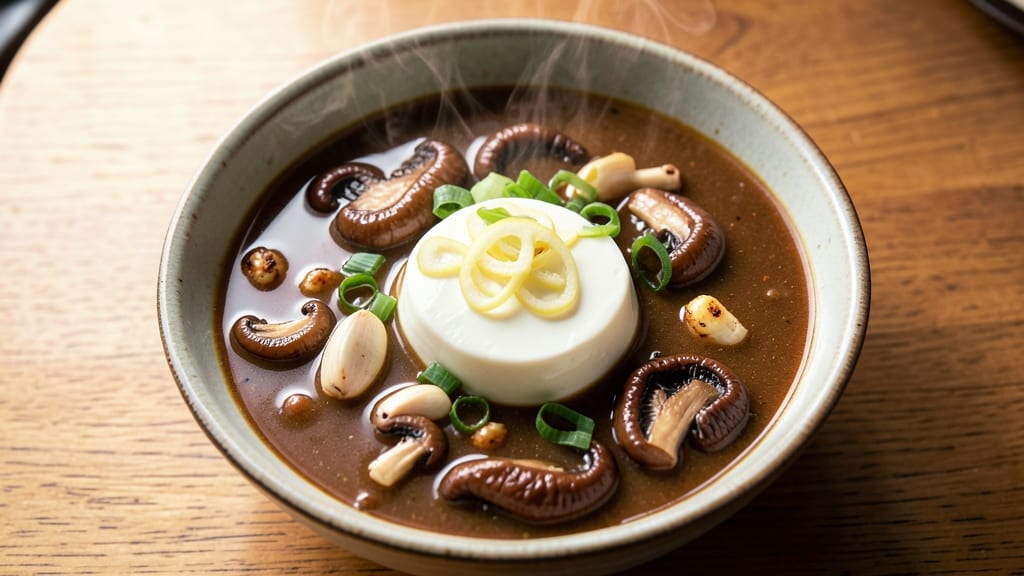
Bean paste soup recipe transforms simple ingredients into a velvety, umami-rich bowl that feels like a warm embrace on cold days. The secret lies in fermented bean paste—a concentrated burst of savory depth that builds complexity as it simmers. Unlike instant miso soups, this version develops layers of flavor through slow reduction, creating a silky broth that clings to tofu ribbons like a second skin.
This recipe balances tradition with approachability, using just 10 ingredients to deliver restaurant-quality results. The key steps—blooming aromatics, simmering the paste, and incorporating delicate tofu—ensure every spoonful is perfectly harmonized. No special equipment is needed, just patience to let flavors meld over 20 minutes of gentle simmering.
What you'll end up with is a bowl where silky tofu ribbons float in a glossy, amber broth, infused with earthy bean paste and brightened by fresh herbs. The texture is luxurious—creamy yet light, with just enough body to satisfy.
It's the kind of soup that transforms a simple meal into something memorable, without requiring hours in the kitchen.
Perfect for weeknight dinners or meal prep, this recipe scales effortlessly. Serve with steamed rice or crusty bread to soak up every drop of that flavorful broth. The technique is straightforward, but the result feels like a culinary achievement—proof that simple ingredients can deliver extraordinary comfort.
Ingredients for bean paste soup
Ten ingredients crafting umami depth and silky texture for a restaurant-quality vegetarian soup.
| Ingredient | Amount | Notes |
|---|---|---|
| Fermented Bean Paste (Douchi or Miso) 🍶 | ½ cup | High-quality, fermented variety preferred |
| Silken Tofu 🧈 | 1 block | Extra-firm for best texture |
| Dried Shiitake Mushrooms 🍄 | 4 whole | Rehydrated in hot water |
| Fresh Ginger 🧅 | 1 inch | Peeled, sliced thin |
| Garlic Cloves 🧄 | 4 cloves | Minced for aromatic depth |
| Green Onions 🧅 | 3 whole | White and green parts separated |
| Vegetable Broth 💧 | 4 cups | Homemade or low-sodium |
| Sesame Oil 🫒 | 1 tbsp | Toasted, for finishing |
| Fresh Cilantro 🌿 | ¼ cup | Chopped, for garnish |
| White Rice Vinegar 🍶 | 1 tbsp | For brightness |
The fermented bean paste is non-negotiable for authentic depth. Asian markets carry the best varieties like douchi or aged miso—look for deep red or brown hues and a strong, funky aroma. If using miso, opt for red miso for its robust umami profile. Fresh ginger and garlic should be vibrant and firm; no soft spots or sprouting. For shiitake mushrooms, dried is ideal—they rehydrate beautifully and add earthy complexity. Silken tofu blocks should be extra-firm to hold shape when sliced into ribbons.
No fermented bean paste? Double the miso or use a splash of soy sauce for umami, though results won't be identical. Substitute dried shiitake with cremini mushrooms if needed, but they lack the same depth. Fresh ginger can be swapped for 1 tsp ground ginger, though texture will differ. The vegetable broth is critical—homemade or high-quality low-sodium ensures clean flavor. For the tofu ribbons, freeze and thaw first for a more delicate texture, or use store-bought silken tofu slices if available.
Store the bean paste in an airtight container in the fridge for up to 6 months, though it lasts nearly indefinitely in the freezer. Rehydrated mushrooms keep for 5 days in their soaking liquid. The broth can be prepped ahead and refrigerated for 3 days or frozen for 3 months. For meal prep, assemble the soup without the tofu and herbs, then add them fresh when reheating to preserve texture. Garnishes like cilantro and sesame oil should be added just before serving to maintain their vibrant qualities.
Why You'll Love This Recipe
- Few Ingredients, Big Payoff: I swear by this recipe because it’s that simple—just a handful of pantry staples (hello, dried shiitakes and that funky fermented bean paste) and you’ve got a bowl of magic. No chopping mountains of veggies or hunting for obscure spices; the umami from the douchi or miso does all the heavy lifting while you slice ginger and crush garlic in under five minutes.
- Umami Bomb: Between the salty-savory depth of the bean paste and the earthy richness of shiitakes, this soup is ridiculously flavorful without needing fancy techniques. The silken tofu adds a creamy contrast, and that first spoonful of ginger-garlic-infused broth? Pure satisfaction—like a hug in a bowl, but better because it’s actually good for you.
- Leftover Hero: This soup tastes even better the next day—yes, really. The flavors meld into this cohesive, comforting broth that’s perfect for reheating with a sprinkle of green onions or a drizzle of sesame oil. I make a big batch on Sundays, and by Wednesday, it’s still my go-to for lazy nights when I’m too tired to cook.
- Budget Meal Prep: Douchi, dried mushrooms, and tofu are all dirt cheap, and they stretch into multiple meals without breaking the bank. Honestly, it’s my secret weapon for feeding a family or roommates without sacrificing taste—plus, the leftovers freeze beautifully. No sad, watery takeout here; just hearty, soul-warming bowls for days.
Step-by-step instructions for bean paste soup with silky tofu ribbons
Transform simple ingredients into a complex, umami-rich soup with layered textures and flavors.
Rehydrate and Prepare the Shiitake Mushrooms
Place the 4 whole dried shiitake mushrooms in a small bowl and cover with hot water. Let them soak for 15-20 minutes until they've expanded and softened significantly. This rehydration step is crucial—it transforms the dried mushrooms into meaty, flavorful components that form the base of your soup.
While they soak, peel the 1 inch fresh ginger and slice it thinly. Separate the 3 whole green onions into white and green parts, discarding the roots. Minced garlic cloves should be finely chopped—this ensures they release their aromatic oils evenly throughout the soup. Once rehydrated, drain the shiitake mushrooms and pat them dry with a paper towel to remove excess moisture.
Build the Umami Base with Fermented Bean Paste
In a medium saucepan, combine the 0.5 cup fermented bean paste (douchi or miso) with the 4 cups vegetable broth. Heat over medium heat until the mixture reaches a gentle simmer, stirring occasionally to help the paste dissolve completely. This step is where the deep umami magic happens—the fermented bean paste develops its complex flavors as it melds with the broth.
Add the rehydrated shiitake mushrooms, sliced ginger, and minced garlic cloves to the simmering broth. Reduce the heat to low and let the mixture cook for 10-12 minutes. You'll notice the mushrooms soften further and the liquid develops a rich, aromatic depth. The ginger should infuse its subtle heat, while the garlic adds a savory sweetness. This cooking time allows all the flavors to marry without overpowering each other.
Incorporate the Silken Tofu and Season
Cut the 1 block silken tofu into long, thin ribbons using a sharp knife or mandoline. Gently add these tofu ribbons to the simmering broth. The silken tofu should cook just until heated through—about 3-4 minutes. Unlike firm tofu, silken tofu absorbs flavors quickly but remains delicate, creating a luxurious mouthfeel in the soup.
Stir in the 1 tablespoon white rice vinegar and taste the broth. You may need to adjust the seasoning with additional salt or vinegar to balance the flavors. The vinegar adds a bright, acidic note that cuts through the richness of the bean paste and mushrooms, creating a harmonious flavor profile. Keep the soup at a gentle simmer to maintain the integrity of the silken tofu.
Finish with Garnishes and Serve
Remove the saucepan from heat and let the soup rest for 2-3 minutes. This brief resting period allows the flavors to settle and the tofu ribbons to plump slightly. Just before serving, drizzle the soup with 1 tablespoon sesame oil and sprinkle with the chopped 0.25 cup fresh cilantro. The sesame oil adds a nutty aroma and subtle richness, while the cilantro provides a fresh, herbal contrast.
Serve the soup immediately, garnished with the white and green parts of the green onions. The white parts should be finely chopped and sprinkled on top, while the green parts can be left whole for a pop of color. Each bowl should showcase the silky tofu ribbons floating amidst the umami-rich broth, creating a visually appealing and texturally satisfying dish. The combination of deep, savory flavors and delicate textures makes this soup a standout dish for any occasion.
Pro Tips For Making Bean Paste Soup
- Bloom the Shiitakes First: Dried shiitakes need a good soak—at least 20 minutes in hot water, not cold. I used to skip this and ended up with chewy, underwhelming mushrooms; now I double-check they’re plump and soft before adding them to the pot.
- Toast the Bean Paste: Low and slow is the way—cook your fermented bean paste (douchi or miso) on medium-low heat for 3-4 minutes, stirring constantly. After burning it twice, I learned: patience here means deeper flavor, not bitter sludge.
- Slice Tofu Thin: Silken tofu holds together better when sliced into ½-inch pieces, not cubes. Toss them in a little cornstarch first if you’re worried about breakage—it’s a tiny effort that keeps them intact and soaking up the broth.
- Salt the Ginger Last: Add fresh ginger early for aroma, but hold off on salting it until the very end. I was skeptical until I tried it—salting too soon makes the ginger turn bitter and watery, stealing the soup’s balance.
Creative variations of this bean paste soup
Spicy Douchi Twist
Transform your soup into a fiery delight by adding 1-2 teaspoons of chili crisp or ½ teaspoon of gochujang to the simmering broth. The fermented bean paste (douchi) already packs heat, so adjust to taste—start small and increase gradually.
For extra depth, stir in 1 tablespoon of chili oil just before serving. This variation works especially well with extra-firm tofu that can withstand the bold flavors. 🌶️
Creamy Miso-Butter Swirl
For a luxurious twist, whisk 2 tablespoons of melted butter into the finished soup, then fold in 1 tablespoon of white miso paste for a creamy, umami-rich swirl. This variation elevates the dish to a restaurant-worthy level, balancing the earthy bean paste with velvety richness.
Garnish with toasted sesame seeds and thinly sliced scallions for texture and color. Ideal for chilly evenings or special occasions.
Herb-Infused Broth
Brighten the broth with a fragrant herb blend by adding 1 sprig of thyme, 1 bay leaf, and 3-4 fresh basil leaves while simmering the bean paste. Remove the herbs before serving, but their essence will infuse the soup with aromatic freshness.
Pair with lemon zest for a citrusy contrast. This variation keeps the soup light yet deeply flavorful—perfect for summer or when you crave something refreshing.
Spiced Red Bean Fusion
Blend ¼ cup of sweet red bean paste (like adzuki) into the fermented bean paste for a sweeter, nuttier profile. Add ½ teaspoon of ground cinnamon and ¼ teaspoon of star anise while simmering to introduce warm spices.
Top with crushed peanuts and lime wedges for a Southeast Asian-inspired twist. This fusion balances umami, sweetness, and spice in every spoonful.
Smoky Chipotle Miso
Infuse the broth with smoky depth by dissolving 1 chipotle pepper in adobo sauce (minced) into the simmering bean paste. For extra richness, stir in 1 tablespoon of smoked paprika during the final 5 minutes of cooking.
Serve with avocado slices and pickled red onions for a smoky, tangy contrast. This variation adds complexity without overpowering the delicate tofu ribbons.
Winter Root Vegetable
Add heartiness by including ½ cup of diced daikon radish and ½ cup of cubed butternut squash when simmering the broth. The natural sweetness of the vegetables complements the umami bean paste beautifully.
For extra warmth, stir in 1 teaspoon of grated fresh ginger and ½ teaspoon of cinnamon. This version is perfect for colder months and pairs well with steamed jasmine rice.
Nutrition facts
Frequently asked questions
Can I substitute miso for the fermented bean paste?
Yes, but with adjustments! Use ½ cup red miso instead of douchi for a milder, sweeter umami profile. For extra depth, add 1 teaspoon of soy sauce to mimic the funkier notes of fermented bean paste. The texture will be slightly smoother, but the flavor will still be rich and satisfying.
How do I make the tofu ribbons extra silky?
Freeze the silken tofu block for 1 hour first, then thaw and slice. This creates delicate, almost custard-like ribbons. For even more luxury, add 1 teaspoon of cornstarch to the broth during the last 2 minutes of simmering—it gently thickens the liquid without altering texture.
What if my soup tastes too salty?
Add 2-3 tablespoons of water or broth to dilute the saltiness, then adjust with a splash of white rice vinegar (½ teaspoon at a time) to restore balance. For a quicker fix, stir in 1 tablespoon of fresh ginger juice—it brightens flavors without adding salt. Taste as you go!
Can I make this soup ahead of time?
Prepare the broth with bean paste, mushrooms, and aromatics up to 3 days ahead. Store in an airtight container. When ready to serve, reheat gently, add fresh tofu ribbons (cooked separately), and finish with garnishes. Never reheat tofu directly in the broth—it turns rubbery.
What’s the best way to serve this soup?
Pair with steamed jasmine rice or warm crusty bread to soak up the rich broth. For a complete meal, add quick-pickled cucumbers or a side of blistered green beans. The contrast of textures—creamy tofu, crisp pickles, and tender greens—elevates every bite.