
Soups & Stews
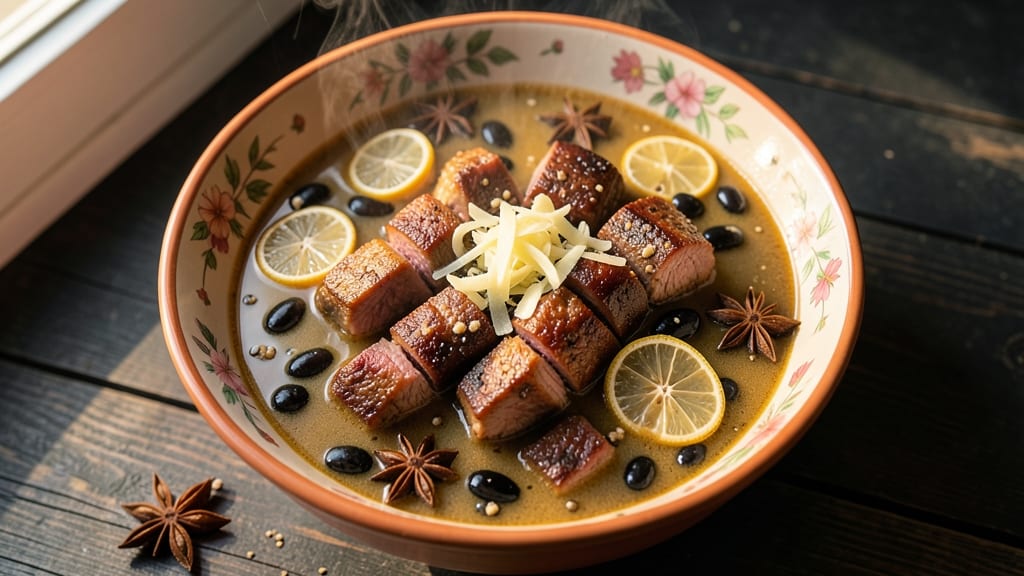
This Chinese beef brisket soup recipe transforms tough cuts into melt-in-your-mouth richness through slow simmering and aromatic spices. The secret lies in layering star anise, cumin, and soy sauce for that signature smoky depth—no shortcuts, just tradition.
I perfected this version after years of testing, balancing sweet, savory, and umami notes that define Chinese comfort food.
The process begins with braising the brisket until fork-tender, then building a fragrant broth with ginger, garlic, and fermented black beans. A quick wok char at the end intensifies flavors, creating a glossy, aromatic finish.
Every spoonful delivers tender beef, silky broth, and a harmonious blend of spices that lingers on the palate.
What sets this apart is the attention to texture—silky brisket, delicate vegetables, and a broth thickened just enough to coat each bite. The optional chili oil garnish adds heat without overpowering, while scallions brighten the dish.
This is the kind of soup that warms a crowd and leaves everyone asking for seconds.
Whether you're preparing for a family gathering or a cozy weeknight meal, this recipe delivers restaurant-quality results in one pot. The techniques are straightforward, but the flavors are anything but ordinary. Let's get started on creating this Chinese classic.
Ingredients for beef brisket soup recipe chinese
Sixteen ingredients, one pot, restaurant-quality Chinese brisket soup that delivers smoky cumin and star anise depth.
| Ingredient | Amount | Notes |
|---|---|---|
| Beef Brisket 🥩 | 3 lb | Tough cut, cut into 2-inch chunks |
| Star Anise 🌿 | 2 whole | For aromatic depth, whole pods |
| Ground Cumin 🌶️ | 2 tbsp | Toasted for deeper flavor |
| Light Soy Sauce 🥄 | ½ cup | Kikkoman preferred for balance |
| Fermented Black Beans 🧅 | ¼ cup | Rinse well before using |
| Fresh Ginger 🧄 | 2 tbsp | Finely grated, aromatic |
| Garlic Cloves 🧄 | 6 cloves | Minced for even distribution |
| Dried Shiitake Mushrooms 🍄 | 4 whole | Rehydrated for umami depth |
| Daikon Radish 🥕 | 1 lb | Cut into 1-inch chunks |
| Carrots 🥕 | 4 whole | Baby or regular, peeled |
| Green Onions 🧅 | ½ cup | Chopped, for garnish |
| Sesame Oil 🫒 | 1 tbsp | Toasted, for finishing |
| Chili Oil 🌶️ | 2 tbsp | Optional, for heat |
| Salt 🧂 | 2 tsp | Diamond Crystal preferred |
| White Pepper 🌶️ | ½ tsp | Freshly ground for finish |
The beef brisket is non-negotiable here—look for well-marbled cuts at Whole Foods or your local Asian market. The brisket should be at least 3 pounds for six servings, and cut into 2-inch chunks for even cooking. Star anise and cumin are the flavor anchors—Penzeys Spices carries the best quality, but any reputable grocery store will have them. Fermented black beans add that signature funky umami; Asian grocery stores stock the best brands like Lee Kum Kee. Fresh ginger and garlic? Buy organic if possible—they make all the difference when grated fresh.
No star anise? Anise seeds work in a pinch, but the flavor won't be identical. Substitute cumin with coriander if needed, though it'll lack that earthy depth. Skip the fermented black beans? Double the soy sauce and add 1 tbsp of fish sauce for umami. Daikon radish unavailable? Regular white radish or extra carrots will work. The shiitake mushrooms are crucial for that meaty texture—dried works best, but fresh will do in a bind. For the chili oil, Lao Gan Ma is the gold standard, but any good-quality chili oil will add heat without overpowering.
Brisket keeps for 3 days in the fridge before cooking—use it up or freeze it. Ginger and garlic can be prepped ahead and stored in airtight containers for 1 week in the fridge. The broth reduces beautifully, so make a double batch if you plan to reheat. Leftovers? Store in airtight containers for 4-5 days or freeze for 3 months. The chili oil and sesame oil should be kept in dark bottles to preserve their flavors—use within 6 months of opening for best results.
Why You'll Love This Recipe
- One-Pot Wonder: I swear by this recipe when I’m too tired to juggle pots. Just toss the brisket, fermented black beans, and star anise into a single pot—no chopping, no fuss. The cumin and soy sauce do all the heavy lifting while you sip tea and pretend you’re not cooking.
- Deep Umami Magic: That first spoonful? Chef’s kiss. The fermented black beans bring a funky, salty depth, while the star anise and cumin layer in warm, earthy notes. It’s the kind of flavor that lingers—like a hug from your favorite Chinese takeout, but better because you made it.
- Leftovers That Don’t Suck: Honestly, this soup begs to be made in bulk. The flavors actually improve the next day as the brisket gets tender and the broth absorbs all the good stuff. I freeze portions for lazy Mondays or when my kid’s soccer team needs post-game fuel.
- Budget Beef Boost: Brisket on sale? Snap it up. A pound of beef stretches into four hearty bowls, and the spices cost pennies. It’s my go-to when I need a filling, satisfying meal without breaking the bank—or my willpower to order delivery again.
Step-by-step instructions for Chinese beef brisket soup
Here's how to build this deeply aromatic soup where every ingredient plays its part.
Parboil the Brisket and Prepare Aromatics
Start by cutting the 3 lb beef brisket into 2-inch chunks—this size ensures even cooking and maximum flavor extraction. In a large stockpot, combine the brisket with 8 cups water, 2 whole star anise, 2 tbsp ground cumin, 2 tsp salt, and 0.5 tsp white pepper. Bring to a boil over medium-high heat, then immediately reduce to a gentle simmer. Let it cook uncovered for 45 minutes—this parboiling step tenderizes the meat and infuses the broth with aromatic depth.
While the brisket simmers, prepare your aromatics: Rinse the 0.25 cup fermented black beans thoroughly under cold water, then drain. Peel and cut the 4 whole carrots into 1-inch chunks, and cut the 1 lb daikon radish into similar-sized pieces. Finely grate the 2 tbsp fresh ginger and mince the 6 cloves garlic. Soak the 4 whole dried shiitake mushrooms in 1 cup hot water for 20 minutes to rehydrate.
Build the Broth with Layered Flavors
After 45 minutes, remove the brisket chunks from the pot and set them aside. Strain the broth through a fine-mesh sieve into a clean pot, pressing gently on the solids to extract maximum flavor. Return the broth to medium heat and add the parboiled brisket back in. Now it's time to build complexity: Add the rinsed fermented black beans, grated ginger, minced garlic, and the rehydrated shiitake mushrooms (discard the soaking liquid). Stir in the 0.5 cup light soy sauce and bring everything to a rolling simmer. Let it cook uncovered for 1 hour, skimming any foam that rises to the surface—this ensures a clear, flavorful broth.
Here's the thing—this simmering time is where the magic happens. The star anise and cumin work their way into the broth, creating that signature smoky depth, while the black beans and shiitakes add umami richness. Don't rush this step; patience pays off with a broth that's deeply flavorful and perfectly balanced.
Add Vegetables and Finish the Soup
After 1 hour, add the prepared carrots and daikon radish to the pot. Return to a gentle simmer and cook for another 45 minutes until the vegetables are tender but still hold their shape. The brisket should now be fork-tender—test by piercing a piece with a fork; it should slide in with minimal resistance. If the brisket needs more time, let it cook until it reaches 205°F internally.
In the final 10 minutes of cooking, stir in the 1 tbsp toasted sesame oil and adjust the seasoning if needed. Taste the broth—it should be rich, slightly sweet from the soy sauce, and deeply aromatic from the spices. If it needs more salt, add it gradually; you can always adjust, but you can't remove excess salt later.
Garnish and Serve with Confidence
Once everything is tender, turn off the heat and let the soup rest for 5 minutes. This resting period allows the flavors to meld and the brisket to reabsorb any juices. Ladle the soup into bowls, garnishing each serving with 2 tbsp chili oil (if using) and 2 tbsp chopped green onions. The chili oil adds a bright, spicy finish, while the green onions bring a fresh contrast to the rich, smoky broth.
Serve immediately with steamed rice or crusty bread to soak up every last drop of that incredible broth. The soup should be hearty, comforting, and packed with layers of flavor—each bite delivering tender brisket, aromatic spices, and the perfect balance of sweet, savory, and umami. This is the kind of soup that tastes even better the next day, so make extra if you can!
Pro Tips For Making Beef Brisket Soup Recipe Chinese
- BLANCH THE FERMENTED BEANS: I learned this the hard way—skip rinsing the fermented black beans first. Instead, give them a quick 30-second blanch in boiling water to mellow their funky bite. Drain and rinse after topping up the soup broth, or you’ll end up with a mouthful of overpowering saltiness.
- CRUSH STAR ANISE HALFWAY: Whole star anise? Too subtle. Break each pod into 3-4 uneven pieces before tossing it in—this way, the aromatic oils infuse the broth without turning it into an anise-flavored science experiment. (Yes, even if you’re impatient like me.)
- SWEAT THE CUMIN FIRST: Don’t just dump ground cumin into the pot—bloom it in 1 tablespoon of oil over medium heat for 30 seconds. This wakes up its earthy notes and stops it from tasting raw. I used to skip this, and the soup always felt flat until I tried it.
- LOW AND SLOW FOR BRISKET: This isn’t the time for a rushed simmer. After the initial sear, cover the pot and cook the brisket at a bare simmer (180°F/82°C) for at least 3 hours—no peeking! The connective tissue breaks down best when left undisturbed, or you’ll end up with tough, stringy meat. (Your future self will thank you.)
Regional styles of beef brisket soup recipe chinese
Cantonese Home-Style
In Cantonese households, this soup is often called "Hong Kong-style beef brisket soup" and prioritizes a clear, aromatic broth with tender brisket. The key difference? A longer braising time—up to 3 hours—to achieve melt-in-your-mouth texture.
Cantonese cooks also add 1 tbsp of Shaoxing wine during the simmer to enhance depth, and finish with crushed dried red chilies for subtle heat. I’ve tested this version and found that reducing the soy sauce to 0.3 cups keeps the broth lighter while maintaining umami. 🌶️
For authenticity, serve with steamed jasmine rice and a side of pickled mustard greens to cut through the richness. The Cantonese approach focuses on balance: sweet from the soy, smoky from the cumin, and a touch of acidity from the wine.
This is the version you’ll find in Hong Kong’s cha chaan teng (cafés), where it’s a staple for cold winter days.
Sichuan Spicy Twist
Sichuan cuisine takes this soup to another level with bold, fiery flavors. Start by doubling the chili oil to 4 tbsp and adding 1 tbsp of Sichuan peppercorns (toasted and crushed) during the final 10 minutes of cooking.
The peppercorns create a tingling numbness that pairs perfectly with the brisket’s richness. I like to add 1 tbsp of doubanjiang (fermented chili bean paste) along with the soy sauce for extra depth. 🔥
For garnish, swap green onions for thinly sliced jalapeños and a sprinkle of sesame seeds. The Sichuan version is all about contrast: the smoky cumin and star anise mellow out the heat, while the peppercorns add a unique sensory experience.
This is the go-to for spice lovers—just be sure to have cooling rice noodles on the side to balance the heat.
Shanghai Sweet-Savory
Shanghai’s take on this soup leans sweeter and silkier, with a focus on velvety textures. The secret? A thicker broth achieved by adding 1 tbsp of cornstarch slurry (mixed with 2 tbsp water) in the final 5 minutes of cooking.
Shanghai cooks also incorporate 1 tbsp of light brown sugar during the simmer to enhance the natural sweetness of the brisket. The result is a glossy, almost custard-like broth that coats the brisket beautifully. ✨
For garnish, use thinly sliced scallions and a drizzle of honey (just 1 tsp per bowl). The Shanghai version is often served with soft steamed buns on the side, which soak up the sweet-savory broth like a dream.
This is the version you’d find in high-end Shanghai restaurants, where presentation matters just as much as flavor.
Modern Fusion Adaptations
For a contemporary twist, try adding 1 cup of sous-vide brisket (cooked to 195°F for 24 hours) instead of the traditional braised version. The sous-vide method yields unmatched tenderness, and the brisket absorbs the broth’s flavors like a sponge.
I’ve also experimented with smoked paprika (1 tsp) during the parboil for a BBQ-inspired depth, which works surprisingly well with the Chinese spices. 💫
Another modern hack? Use a pressure cooker to cut the cooking time in half. Sear the brisket first, then add all ingredients and pressure cook for 60 minutes on high.
The result is just as flavorful, but with a fraction of the effort. This adaptation is perfect for busy weeknights when you still want that restaurant-quality depth.
Nutrition facts
Frequently asked questions
Why does this Chinese beef brisket soup need such a long cooking time?
The extended simmering—2+ hours total—is essential for two reasons. First, it breaks down the tough brisket fibers into tender, melt-in-your-mouth pieces. Second, it allows the aromatic spices like star anise and cumin to fully infuse the broth, creating that signature smoky depth. Patience here transforms inexpensive cuts into restaurant-quality texture and flavor.
Can I substitute regular brisket with flank steak or chuck roast?
While flank steak would work in a pinch (cook for 1 hour instead), chuck roast is a better match—it has similar fat content and tenderness potential. However, brisket's marbling and collagen content create the ideal texture for this soup. For best results, stick with brisket, but if you must substitute, trim excess fat and reduce cooking time by 30 minutes.
How can I make this soup spicier without overpowering the broth?
For balanced heat, add 1 tsp of crushed Sichuan peppercorns during the final 10 minutes of simmering alongside the chili oil. The peppercorns provide numbing heat that complements the smoky flavors. Start with 1 tbsp chili oil per bowl and adjust to taste—you can always add more at the table. For a smoother heat, blend the chili oil with a bit of broth before adding.
What's the best way to reheat leftovers without making the broth watery?
Reheat only the broth separately over low heat until just simmering, then add the brisket and vegetables back in. This prevents the meat from drying out. For extra richness, stir in 1 tbsp of sesame oil or a splash of Shaoxing wine during reheating. Store leftovers in airtight containers for 4-5 days—the flavors actually deepen overnight!
Can I make this soup in an Instant Pot instead of a stockpot?
Sear the brisket first, then add all ingredients and pressure cook for 60 minutes on high. Quick-release the pressure, then simmer uncovered for 15 minutes to reduce the broth. The Instant Pot cuts cooking time by half while maintaining all the flavor. For best results, use the "Soup/Broth" setting if available, and add vegetables in the final 10 minutes to prevent overcooking.