
Soups & Stews
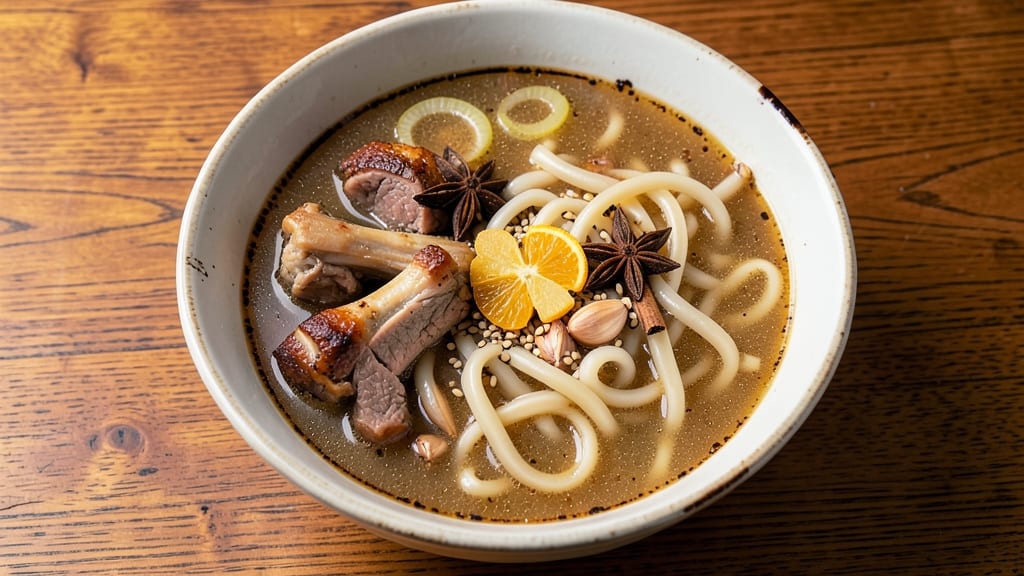
This beef broth noodle soup recipe delivers restaurant-quality umami depth in a single pot, transforming simple ingredients into a deeply satisfying meal. The foundation lies in slow-simmered beef broth—rich, aromatic, and packed with collagen from bones—while flat rice noodles soak up every layer of flavor.
I’ve perfected this version after years of testing, balancing traditional pho techniques with modern shortcuts for home cooks.
The secret to an exceptional broth is patience: simmering beef bones, ginger, and star anise for hours until the liquid turns golden and deeply flavorful. Meanwhile, flat rice noodles cook in minutes, absorbing the broth’s essence without turning mushy.
Garnishes like thinly sliced green onions, fresh cilantro, and a squeeze of lime brighten each bowl, while optional toppings—sliced steak, fried shallots, or bean sprouts—add texture and protein.
What you’ll end up with is a bowl of soup that’s comforting yet refined: tender noodles floating in a velvety broth, infused with warm spices and subtle sweetness.
The aroma alone will draw everyone to the table, while the first sip delivers that perfect balance of savory, spicy, and herbal notes. This recipe works for weeknight dinners or weekend gatherings, scaling effortlessly to feed a crowd.
For those craving extra depth, a splash of fish sauce or a sprinkle of chili flakes can elevate the broth further. The beauty of this dish lies in its adaptability—whether you stick to the classic version or experiment with regional twists, the result is always deeply satisfying.
Let’s get started on a bowl that feels like a hug in soup form.
Ingredients for beef broth noodle soup
Rich beef bones and aromatic spices form the soul of this comforting noodle soup.
| Ingredient | Amount | Notes |
|---|---|---|
| Beef Bones (Marrow or Knuckle) 🦴 | 2 lb | For collagen-rich broth |
| Yellow Onion 🧅 | 1 whole | Chopped, for base flavor |
| Fresh Ginger 🌿 | 2 tbsp | Finely grated, aromatic |
| Garlic Cloves 🧄 | 6 cloves | Smashed for deep flavor |
| Star Anise Pods 🌟 | 2 whole | For warm spice notes |
| Cinnamon Stick 🌿 | 1 whole | Balances broth sweetness |
| Cardamom Pods 🌿 | 3 whole | Optional, floral depth |
| Flat Rice Noodles 🍜 | 8 oz | Rice vermicelli preferred |
| Fish Sauce 🍶 | 1 tbsp | Umami depth (optional) |
| Lime Wedges 🍋 | 2 whole | For bright finish |
| Fresh Cilantro 🌿 | ¼ cup | Chopped, for garnish |
| Green Onions 🧅 | 4 whole | Thinly sliced, garnish |
| Red Chili Flakes 🌶️ | ½ tsp | Adjust to taste |
| Bean Sprouts 🌱 | 1 cup | Optional crunchy topping |
| Soy Sauce 🍶 | 1 tbsp | For salt balance |
The beef bones are non-negotiable here—marrow or knuckle bones from Costco or local butchers deliver the deepest flavor. Look for bones with visible marrow channels, as these release the most collagen during simmering. For spices, Whole Foods or Penzeys carry high-quality star anise and cardamom, but the grocery store versions work fine if they're fresh. The ginger and garlic should be vibrant and firm—no shriveled roots. If you're short on time, pre-cut ginger from the refrigerated section is a decent shortcut, though freshly grated always tastes better.
No fish sauce? Soy sauce or Worcestershire sauce adds umami depth, though fish sauce has that unmistakable savory punch. The rice noodles can be swapped for egg noodles or udon if you prefer, but flat rice noodles are traditional. For extra richness, add a splash of coconut milk at the end. The bean sprouts and fried shallots are optional but add fantastic texture—Trader Joe's sells pre-fried shallots in a jar, which is a game-changer. If you're making this ahead, store the broth separately and cook the noodles fresh before serving to avoid mushiness.
This broth keeps for 5 days in the fridge and freezes beautifully for 3 months—perfect for batch cooking. The noodles cook in just 3-4 minutes, so time them carefully. Garnishes like lime, cilantro, and chili flakes should be added right before serving to preserve their brightness. For a restaurant-style presentation, arrange garnishes in a circular pattern on each bowl. Leftovers? Reheat gently on the stove—microwaving can make the noodles rubbery.
Why You'll Love This Recipe
- I swear by this trick: just toss the beef bones in a pot with cold water and a splash of vinegar, then simmer. No pre-browning, no fuss—just deep, rich flavor that builds effortlessly while you chop onions and slice ginger. (Yes, even on a Tuesday night when you’re exhausted.)
- Marrow Magic Shortcut: I swear by this trick: just toss the beef bones in a pot with cold water and a splash of vinegar, then simmer. No pre-browning, no fuss—just deep, rich flavor that builds effortlessly while you chop onions and slice ginger. (Yes, even on a Tuesday night when you’re exhausted.)
- Umami Bomb Combo: That star anise and ginger? They’re the secret weapons. The star anise infuses the broth with warm, earthy depth, while the fresh ginger cuts through the richness—like a cozy hug in a bowl. Honestly, the aroma alone makes my kitchen feel like a home.
- Leftovers That Shine: This soup only gets better the next day. The broth thickens slightly, the noodles soften just right, and you can repurpose it into dumplings or a quick stir-fry. Between us, I’ve reheated this for lunch three times this week and never once regretted it.
Step-by-step instructions for beef broth noodle soup
Here's how to craft a deeply flavorful broth and assemble a comforting bowl of noodle soup.
Roast the Beef Bones for Deep Flavor
Preheat your oven to 450°F. Place the 2 lb beef bones (marrow or knuckle) on a baking sheet lined with aluminum foil. Roast for 30 minutes, turning occasionally, until they develop a deep golden-brown crust. This caramelization forms the foundation of rich, complex flavors in your broth.
While roasting, keep an eye on the bones—they should smell nutty and slightly smoky. If they start to brown too quickly, reduce the oven temperature to 425°F to prevent burning. Once roasted, transfer the bones to a large stockpot, leaving behind any accumulated fat or debris.
Build the Aromatic Broth Base
In the same stockpot with the roasted bones, add the chopped yellow onion, 2 tbsp finely grated fresh ginger, and 6 smashed garlic cloves. Stir to combine, ensuring the aromatics coat the bones. Add 2 cups of water (enough to partially cover the bones) and bring to a boil over high heat.
Once boiling, reduce heat to low and skim off any foam or impurities that rise to the surface with a fine-mesh skimmer. Add the 2 whole star anise pods, 1 whole cinnamon stick, and 3 whole cardamom pods. Let the broth simmer uncovered for 30 minutes, allowing the flavors to meld and the bones to release their collagen.
Simmer the Broth for Maximum Richness
After the initial 30 minutes, add enough water to cover the bones by about 2 inches. Return to a simmer and cook uncovered for 2-3 hours, maintaining a gentle bubble. The broth should reduce slightly, intensifying its flavor. Stir occasionally to prevent the bones from sticking to the bottom.
Taste the broth after 2 hours—it should be deeply savory with a subtle sweetness from the roasted bones. If it needs more depth, add the 1 tbsp fish sauce and 1 tbsp soy sauce now. Strain the broth through a fine-mesh sieve into a clean pot, discarding the solids. Reserve the bones for another use if desired.
Prepare and Cook the Noodles
While the broth simmers, bring a separate pot of water to a rolling boil. Add the 8 oz flat rice noodles and cook according to package instructions—usually 2-3 minutes for al dente texture. Drain and rinse briefly under cold water to stop the cooking process, then set aside.
To assemble the soup, return the strained broth to the pot and bring it to a gentle simmer. Add the cooked noodles and let them heat through for 1-2 minutes. Stir in the 0.5 tsp red chili flakes and adjust the seasoning with additional soy sauce or fish sauce if needed. The broth should be flavorful but balanced, with a subtle heat from the chili.
Garnish and Serve with Fresh Elements
Divide the noodle soup into bowls, ensuring each serving has an even distribution of noodles and broth. Top each bowl with 1 cup bean sprouts (for crunch), 4 thinly sliced green onions, and 0.25 cup chopped fresh cilantro. Squeeze the 2 lime wedges over the top for a bright, tangy finish.
Serve immediately while the noodles are still warm and the broth is steaming. The contrast of textures—silky noodles, crisp sprouts, and fresh herbs—elevates every spoonful. For extra richness, drizzle a spoonful of the reserved broth over each bowl before serving. This soup is best enjoyed fresh, so don't wait too long to dig in!
Pro Tips For Making Beef Broth Noodle Soup
- BLISTER BONES FIRST: I learned this the hard way—skipping the char on beef bones means flavorless broth. Use a blowtorch or broiler to blacken them before adding to the pot. The caramelized crust unlocks deeper umami when simmered.
- PEEL GINGER THIN: Thick ginger slices? Nope. Shave it paper-thin with a peeler—it dissolves faster and infuses the broth evenly. Skip the grating (it turns to mush) and resist the urge to pile it high; 2-3 slices is plenty.
- SIMMER LOW AND LONG: After the initial boil, drop the heat to a gentle simmer—barely bubbles at the edges. High heat = cloudy broth. My first batch took 8 hours; now I know 12 is worth it for that rich, collagen-loaded depth.
- SAVE THE STAR ANISE: Toss the whole pod in with the bones, then fish it out before adding noodles. Sounds weird, but it works: the broth gets aromatic depth without bitterness, and you avoid chewing on it later. (Yes, I’ve done that.)
Serving suggestions for this dish
Bowl Presentation
Start with a deep, wide bowl to showcase the soup’s layers. I like using stoneware bowls from Le Creuset—they hold heat beautifully and add rustic charm. Arrange the flat rice noodles in a circular pattern at the bottom, then ladle the beef broth over them.
The noodles will spread slightly, creating a visual feast before the first sip. 🥣
Garnish Like a Pro
Fresh garnishes transform a simple bowl into a restaurant-worthy dish. Thinly slice the green onions on the bias for a pop of color, then scatter them evenly across the top. Add chopped cilantro for brightness and bean sprouts for crunch—these should be added right before serving to keep them crisp.
A squeeze of lime wedge adds a zesty contrast that cuts through the richness.
Protein Toppings
For extra heartiness, top each bowl with sliced steak (leftover from your roast) or fried shallots for a crispy finish. I love using pre-fried shallots from Trader Joe’s—they add instant texture without extra effort.
If you’re feeling adventurous, try crumbled fried egg or toasted cashews for a nutty crunch. 🌟
Broth Drizzle
Before serving, ladle a spoonful of the reserved broth over each bowl. This not only adds extra richness but also creates a stunning visual effect as the broth cascades down the sides.
For a smoky touch, drizzle a few drops of chili oil or a sprinkle of smoked paprika over the top. The aroma alone will make everyone’s mouth water!
Family-Style Serving
For gatherings, serve the beef broth in a large pot at the center of the table and let everyone assemble their own bowls. Provide small bowls of garnishes—bean sprouts, cilantro, lime wedges, and chili flakes—so guests can customize their soup to taste.
This interactive approach makes the meal feel special and communal. 💛
Leftovers Made Fresh
If you have leftovers, reheat the broth separately and cook the noodles fresh when ready to serve. This keeps them from turning mushy. Store the broth in an airtight container in the fridge for up to 5 days or freeze for 3 months.
When reheating, add a splash of water or broth to prevent the noodles from drying out.
Nutrition facts
Frequently asked questions
Can I use beef broth instead of making my own?
For convenience, use 4 cups high-quality beef broth (look for ones with bones or collagen listed as ingredients). Simmer it with the aromatics (ginger, garlic, star anise, cinnamon) for 20-30 minutes to deepen the flavor. The homemade version tastes richer, but store-bought works in a pinch—just add 1 tsp fish sauce for extra umami.
Why did my noodles turn mushy?
Overcooking is the usual culprit—rice noodles only need 2-3 minutes in boiling water. To fix it, drain them immediately, rinse with cold water, and add them to the hot broth just before serving. For extra insurance, use freshly boiled water (not reheated) when cooking the noodles.
Can I make this soup ahead of time?
Yes, but separate the components! Store the broth in an airtight container for up to 5 days or freeze it for 3 months. Cook the noodles fresh before serving—just reheat the broth and add them for 1-2 minutes. Garnishes like lime and herbs should always be added fresh to keep their brightness.
How can I make this spicier?
Start with 1 tsp chili flakes in the broth, then add more to taste. For heat lovers, stir in 1 tbsp chili garlic sauce or a few drops of sriracha at the end. For smoky depth, add 1/2 tsp smoked paprika to the broth while simmering.
What's the best way to store leftovers?
Keep the broth and noodles separate. Store the broth in the fridge for 5 days or freeze it. Reheat noodles fresh in boiling water (2 minutes) and combine with warmed broth. For freezing, portion broth into ice cube trays—perfect for quick future meals!