
Soups & Stews
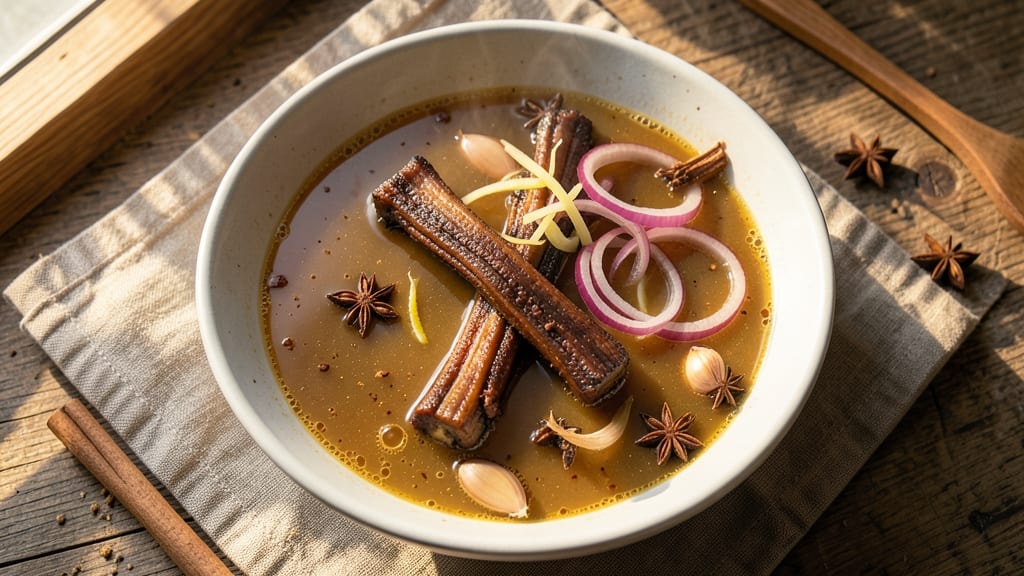
This beef pho soup base recipe unlocks the deep, complex umami flavor that defines authentic Vietnamese broth—without relying on cream or shortcuts. The secret lies in a 3-hour roasting process that caramelizes beef bones and aromatics, transforming simple ingredients into a rich, aromatic foundation.
Every element—from star anise to cinnamon—plays a role in building layers of flavor that simmer into perfection.
The base begins with beef bones (marrow or knuckle) that roast until deeply browned, locking in flavor before simmering. Aromatics like onion, ginger, and garlic form the backbone, while whole spices—star anise, cloves, cinnamon—infuse the broth with warmth.
The result is a clear, golden liquid with a velvety texture and intense umami depth that elevates any pho bowl.
Simmering low and slow extracts maximum flavor while keeping the broth clean and bright, not cloudy. Straining removes impurities, leaving behind a concentrated, restaurant-quality base that can be stored for up to 5 days or frozen for months.
This is the foundation every pho lover should master—simple in ingredients, but transformative in taste.
Perfect for batch cooking, meal prep, or serving as the backbone of your pho night. The process is hands-off once started, making it ideal for weekend projects. Here’s how to build the ultimate pho broth from scratch.
Ingredients for beef pho soup base
Nine essential ingredients transform into a restaurant-quality pho broth foundation.
| Ingredient | Amount | Notes |
|---|---|---|
| Beef Marrow or Knuckle Bones 🦴 | 4 lb | Raw, uncooked, for deep flavor extraction |
| Yellow Onions 🧅 | 2 whole | Large, charred for sweetness |
| Fresh Ginger Root 🧄 | ½ lb | Unpeeled, sliced into thick rounds |
| Garlic Cloves 🧄 | 12 cloves | Whole, lightly charred for aroma |
| Star Anise Pods 🌿 | 4 whole | For authentic pho spice depth |
| Cinnamon Sticks 🌿 | 2 whole | 2-inch pieces for warming notes |
| Cloves 🌿 | 6 whole | Lightly crushed for subtle warmth |
| Cardamom Pods 🌿 | 4 whole | Optional but adds complexity |
| Fish Sauce 🍶 | 2 tbsp | Red Boat brand preferred |
| Rock Sugar 🍬 | ¼ cup | Or substitute brown sugar |
The beef bones are the heart of this recipe—marrow or knuckle bones from a quality butcher yield the deepest umami. Costco or local Asian markets often carry these pre-packaged, but if buying whole, ask for the marrow-rich ends. Fresh ginger and onion should be vibrant and firm, with no soft spots. For the spices, Whole Foods bulk section or specialty Asian markets offer the highest quality whole pods. Cardamom is optional but adds that signature complexity—skip it if you can't find it, but don't substitute with anything else. The fish sauce is non-negotiable for authentic flavor; Red Boat is the gold standard, but any reputable brand will work.
No rock sugar? Brown sugar works perfectly, though it may darken the broth slightly. Running short on cloves? Allspice berries at half the amount provide a similar warmth. The star anise and cinnamon sticks should be whole—broken pieces burn easier and can make the broth bitter. If you're using pre-minced garlic, toast it first in a dry pan to deepen the flavor. The onions should be charred directly over a gas flame or under a broiler until blackened in spots—this caramelization builds sweetness that's essential for balance. For a vegetarian version, substitute mushroom stems for bones and use vegetable stock instead of water.
This broth keeps beautifully—5 days refrigerated or 3 months frozen. For freezing, portion into ice cube trays before transferring to bags for easy single-use servings. The flavor actually improves after the first day as the spices meld. Store the fish sauce separately if you're not using it immediately, as its strong aroma can permeate the broth. For meal prep, make a double batch—it's perfect for pho bowls, noodle soups, or even as a flavorful base for rice dishes. The concentrated base can be diluted with water or stock when reheating.
Why You'll Love This Recipe
- No-Bone Stress: I swear by this base because the bones do all the work—simmer them for hours, then strain and store. No constant stirring, no burnt risks, just rich flavor waiting in your fridge.
- Deep Umami Magic: That first sip? The marrow bones release collagen that melts into the broth, while star anise and ginger add warmth without overpowering. It’s the kind of taste that makes you pause mid-slurp.
- Weeknight Superhero: Freeze half the batch and pull it out for busy nights. Add rice noodles, quick-cooked beef, and fresh herbs—suddenly, dinner’s ready in 15 minutes. My go-to when I’m exhausted but still want something special.
- Budget Booster: Knuckle bones are cheap, and this base stretches across three meals—pho, ramen, or even a hearty stew. Honestly, it’s the most cost-effective way to feed a crowd without sacrificing flavor.
Step-by-step instructions for beef pho soup base roasting
Master this essential technique to build pho's rich umami foundation without dairy.
Prepare and Roast the Beef Bones
Preheat your oven to 425°F and line a large baking sheet with heavy-duty aluminum foil. Place the 4 lb beef marrow or knuckle bones on the prepared sheet and roast for 30 minutes, turning occasionally. You're looking to develop a deep caramelization on the bones—this Maillard reaction unlocks complex flavors that simmer into your broth.
After roasting, transfer the bones to a large stockpot. The bones should have a rich, golden-brown crust and smell intensely meaty. This step is non-negotiable—skipping it results in a flat, one-dimensional broth. If any bones appear under-roasted, return them to the oven for another 10 minutes until properly caramelized.
Char Vegetables and Add Spices
While the bones roast, prepare the aromatics. Cut the 2 whole yellow onions into quarters and peel the 0.5 lb fresh ginger root, slicing it into ¼-inch thick rounds. Peel the 12 cloves garlic. Heat a dry skillet over medium-high heat and char the onions and ginger until deeply browned in spots with blackened edges—this takes about 8-10 minutes. Add the garlic cloves and char them briefly (1-2 minutes) until fragrant but not burnt.
Transfer the charred vegetables to the stockpot with the bones. Add the 4 whole star anise pods, 2 whole cinnamon sticks, 6 whole cloves, and 4 whole cardamom pods. These spices form the aromatic backbone of pho—star anise and cinnamon provide warmth, while cardamom adds subtle complexity. The cloves contribute earthy depth without overpowering.
Simmer the Base with Fish Sauce and Sugar
Cover the bones and aromatics with 12 cups cold water—enough to generously submerge everything. Bring to a boil over high heat, then immediately reduce to a gentle simmer. Skim any foam or impurities that rise to the surface during the first 15 minutes of simmering—this ensures a crystal-clear broth.
Add the 2 tbsp fish sauce and 0.25 cup rock sugar (or substitute brown sugar). The fish sauce adds essential umami depth while balancing the broth's sweetness, and the sugar helps caramelize the bones further during simmering. Let the broth simmer uncovered for 3-4 hours, maintaining a gentle simmer—not a rolling boil. The longer it cooks, the more collagen breaks down into gelatin, creating that signature pho silkiness.
Strain and Finish the Broth
After simmering, strain the broth through a fine-mesh sieve into a clean pot, pressing gently on the solids to extract maximum flavor. Discard the bones and aromatics. The broth should be deep amber in color with a rich, meaty aroma. If it's too thick, dilute with ½ cup hot water to reach your desired consistency—it should coat the back of a spoon but remain pourable.
Taste and adjust seasoning if needed. You may need to add a touch more fish sauce for umami or sugar for balance, depending on your preferences. This concentrated base keeps well in the refrigerator for up to 5 days or can be frozen for 3 months. When ready to assemble your pho, simply reheat the broth and add fresh herbs, rice noodles, and protein of choice.
Pro Tips For Making Beef Pho Soup Base
- BLISTER THE ONIONS FIRST: Don’t just char them—get those onions deep brown with blackened edges before adding bones. I used to stop at light brown, but the extra caramelization builds richer depth in the broth. (Yes, it’s messy, but scrape every bit into the pot.)
- CRUSH GINGER LIKE A PUNCH: Skip the thin slices—break the ginger into rough chunks and smash them with the flat side of your knife. This releases more oils and aromatics without turning to mush. I learned this the hard way after straining out a watery ginger pulp.
- LOW AND SLOW AFTER BOIL: Once the broth reaches a rolling boil, drop the heat to the lowest simmer you can manage—just tiny bubbles breaking the surface. I’ve seen people let it rage for hours, and the result is cloudy, not clear and collagen-rich.
- STAR ANISE: BASTE IT: Toss a whole star anise pod into the broth, then fish it out with tongs every 20 minutes to baste the bones directly. This infuses the marrow faster than just floating it. (Pro move: Use two pods for extra depth, but strain carefully.)
Serving suggestions for this beef pho soup base
Classic Pho Assembly
Use this concentrated broth as the foundation for traditional beef pho by adding 8 oz rice noodles per bowl and simmering for 3-4 minutes until tender.
Top with thinly sliced beef eye of round (seared separately), fresh Thai basil, cilantro, bean sprouts, lime wedges, and sriracha for heat. The broth's deep umami lets the fresh herbs truly shine while maintaining that signature Vietnamese balance. 🥗
Vegetarian Pho Bowl
Transform this base into a vegetarian powerhouse by adding shitake mushrooms and tofu instead of beef. Simmer 8 oz shitake mushrooms and 1 block firm tofu (pressed and cubed) directly in the hot broth for 10 minutes.
Garnish with pickled daikon, Thai basil, and a sprinkle of crushed peanuts for texture. The broth's rich depth carries all the flavors beautifully. 🌱
Pho-Inspired Noodle Dishes
Use this base as a flavorful liquid for other noodle dishes like pho-style ramen. Swap rice noodles for ramen noodles and top with a soft-boiled egg, chashu pork, and green onions.
For a lighter option, serve over zucchini noodles with seared scallops and microgreens. The broth's versatility makes it perfect for reinventing comfort foods. 🍜
Rice and Grain Bowls
Turn this into a hearty grain bowl by serving over jasmine rice or quinoa. Top with grilled chicken, steamed bok choy, and a drizzle of chili crisp.
The broth can also be used cold as a pho-inspired salad dressing—reduce it by half, whisk in 1 tbsp rice vinegar, and toss with cucumber and edamame. The umami depth elevates any grain dish. 🍚
Meal Prep Strategies
Make a double batch of this broth and store it in glass mason jars for easy grab-and-go meals. Portion the broth into ice cube trays and freeze for single-serving portions—just pop one into a bowl with noodles and protein.
The broth reheats beautifully, making it perfect for lunches all week. For extra convenience, prep all your toppings in advance and store them separately. ✨
Garnish Like a Pro
Fresh garnishes make all the difference. Keep Thai basil, cilantro, and bean sprouts in separate containers in your fridge. Add lime wedges and chili sauce at the table so everyone can customize their bowl.
For a restaurant-quality finish, sprinkle with toasted coconut flakes or crushed roasted peanuts for crunch and depth. 💫
Nutrition facts
Frequently asked questions
Why do we roast the beef bones instead of boiling them directly?
The roasting step is crucial because it creates a deep Maillard reaction on the bones, unlocking complex, caramelized flavors that simmer into the broth. This process develops rich, meaty notes that can't be achieved by boiling raw bones directly. The caramelized crust also helps prevent a cloudy broth by reducing impurities.
Can I substitute beef bones with chicken or pork for this recipe?
While you can use chicken or pork bones, beef bones are ideal for pho because they contain more collagen, which breaks down into gelatin during long simmering. For chicken, use 4-5 lb chicken carcasses (backbone included) and simmer for 4-5 hours. Pork bones work too, but beef provides the most authentic depth of flavor.
How do I know when the broth is ready and properly strained?
The broth is ready when it has a deep amber color, rich aroma, and coats the back of a spoon but remains pourable. After simmering, strain through a fine-mesh sieve, pressing gently on the solids to extract maximum flavor. The strained broth should be completely clear with no visible particles.
What can I do if my broth tastes too bitter?
Bitterness often comes from over-simmering or burnt spices. To fix it, add a pinch of rock sugar or brown sugar and simmer for 5 more minutes to balance the flavors. If the bitterness persists, strain again through a coffee filter to remove any lingering impurities. Avoid adding too much fish sauce, as it can also contribute to bitterness.
Can I make this broth in a slow cooker or Instant Pot?
Yes! For a slow cooker, roast the bones first, then add all ingredients and cook on low for 8 hours or high for 4 hours. For an Instant Pot, use the high pressure setting for 90 minutes after roasting the bones. Both methods work, but traditional stovetop simmering gives the most control over flavor development.