
Soups & Stews
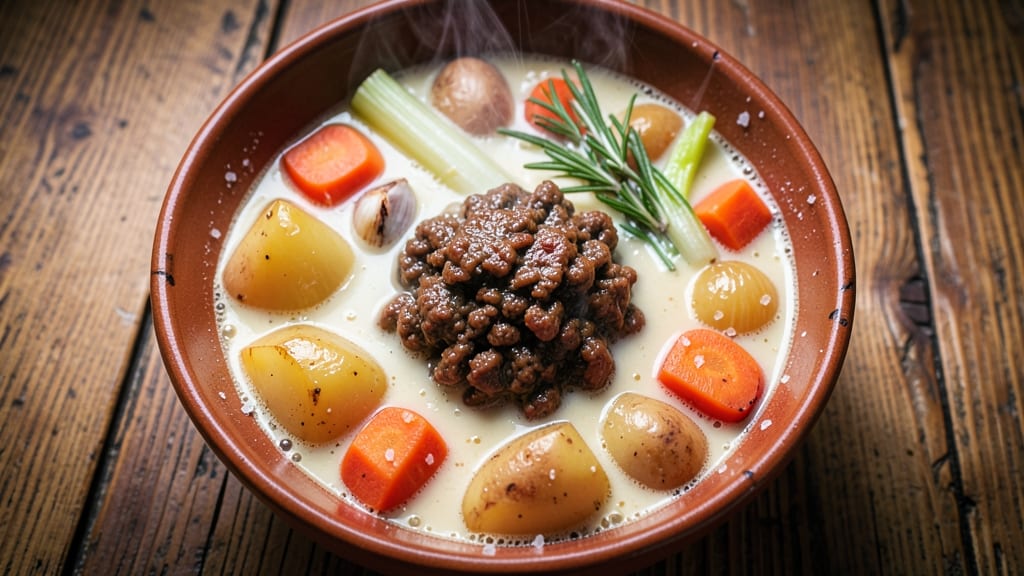
Martha Stewart’s beef soup recipe delivers the kind of slow-simmered depth that transforms a simple meal into a heartwarming centerpiece. The secret lies in herbed meatballs that infuse the broth with layers of flavor, while a proper sear on the beef creates a rich foundation.
This isn’t just soup—it’s a comforting, restaurant-quality dish that builds character as it simmers.
What sets this recipe apart is Martha’s attention to detail: browning the meat thoroughly for deep flavor, using a balance of herbs and aromatics, and letting the soup develop its own complexity over time.
The result is a velvety broth with tender meatballs and perfectly cooked vegetables—each element harmonized for maximum satisfaction. No shortcuts here, just the kind of slow cooking that rewards patience.
The technique is straightforward but precise: start with a well-seasoned beef mixture, form meatballs that hold together, and build the broth layer by layer. The slow simmer (about 2 hours) allows all the flavors to meld, creating a soup that tastes even better the next day.
This is the kind of recipe that feels like a hug in a bowl, perfect for chilly evenings or family gatherings.
For those who love customization, you can adjust the vegetables based on season or preference—carrots, celery, and potatoes are classic, but mushrooms or zucchini work beautifully too.
The meatballs can be made ahead or frozen for convenience, making this a versatile dish for any occasion. Let’s get started on creating Martha’s signature beef soup.
Ingredients for beef soup recipe martha stewart
Six servings of Martha's velvety beef soup—where rich meatballs and slow-simmered broth create restaurant-quality comfort.
| Ingredient | Amount | Notes |
|---|---|---|
| Ground Beef (85% lean) 🥩 | 2 lb | Finely ground for meatballs |
| Yellow Onion 🧅 | 1 whole | Diced, medium size |
| Carrots 🥕 | 4 medium | Peeled and sliced into rounds |
| Celery Stalks 🧄 | 4 whole | Trimmed and chopped |
| Russet Potatoes 🥔 | 2 lb | Peeled and cubed |
| Garlic Cloves 🧄 | 6 cloves | Minced for depth |
| Tomato Paste 🍅 | ½ cup | For rich color |
| Beef Broth 💧 | 8 cups | Homemade or high-quality |
| Dry Red Wine 🍷 | 1 cup | Bold variety preferred |
| Fresh Parsley 🌿 | ¼ cup | Chopped, for garnish |
| Fresh Thyme 🌿 | ½ ounce | Leaves only, stems removed |
| Fresh Rosemary 🌿 | ¼ ounce | Chopped, for meatballs |
| Fresh Sage 🌿 | ¼ ounce | Chopped, for meatballs |
| Breadcrumbs 🍞 | ½ cup | Dry, for meatball binding |
| Egg 🥚 | 1 whole | For meatball cohesion |
| Grated Parmesan Cheese 🧀 | ¼ cup | For meatball flavor |
| Olive Oil 🫒 | ½ cup | For searing meatballs |
| Salt 🧂 | 2 tsp | Kosher or sea salt |
| Black Pepper 🌶️ | 1 tsp | Freshly ground |
The ground beef is non-negotiable—85% lean gives you the right balance of flavor and texture. Most grocery stores carry it pre-ground, but Whole Foods or local butchers often have fresher options. For the herbs, fresh is essential—thyme, rosemary, and sage should be vibrant and fragrant. If you're using dried, reduce to one-third the amount. The carrots and celery should be firm with no soft spots, and the potatoes should feel heavy for their size. Costco or Trader Joe's typically have the best prices for these staples in bulk.
No red wine? Substitute with extra beef broth plus 1 tbsp balsamic vinegar—it adds depth without overpowering. Fresh herbs unavailable? Dried works at one-third the quantity, but toast them lightly in a dry pan first to revive their flavor. For the meatballs, panko breadcrumbs can replace regular if you prefer extra crunch. The tomato paste can be swapped for 1 cup crushed tomatoes if you're short on time, though it'll be slightly less intense. Always brown the meatballs thoroughly for maximum flavor—it's worth the extra 10 minutes.
This soup improves overnight, so make it the night before if possible. Store in an airtight container in the fridge for up to 5 days, or freeze for 3 months. The meatballs can be prepped ahead and frozen separately—just thaw before adding to the simmering broth. For serving, a sprinkle of fresh parsley and a drizzle of olive oil elevate the presentation. Leftovers reheat beautifully—just add a splash of broth if the soup seems too thick.
Why You'll Love This Recipe
- Pantry-Friendly Start: I swear by this recipe because it uses what’s already in my fridge. No fancy ingredients—just ground beef, onions, carrots, and celery (the holy trinity of soup). Honestly, I’ve made it twice with whatever was on hand, and it still tastes like a hug.
- Rich, Hearty Bite: That 85% lean ground beef? It’s the star—browned just right so every spoonful has texture. The potatoes soak up the flavor like sponges, and the carrots add a natural sweetness that balances the savory beef. Between us, it’s the kind of soup that makes you want to linger at the table.
- Leftovers That Don’t Suck: I make a double batch because the second day is just as good. The flavors meld even better, and it’s perfect for packing lunches or reheating on busy nights. My kids actually ask for it—no complaints about "yucky leftovers" here.
- Weeknight Workhorse: This isn’t one of those recipes that takes all day. Brown the beef, chop the veggies (minimal effort, I promise), toss it in a pot, and let it simmer. By the time you’re done, the house smells amazing, and dinner’s ready. (Yes, even on a Tuesday night.)
Step-by-step instructions for Martha Stewart's beef soup
This method delivers rich, layered flavor through careful preparation and slow simmering.
Prepare the Herb-Infused Meatballs
In a large mixing bowl, combine the 2 lb ground beef (85% lean), 0.5 cup breadcrumbs, 1 whole egg, 0.25 cup grated parmesan cheese, 0.25 ounce chopped rosemary, 0.25 ounce chopped sage, 2 tsp salt, and 1 tsp black pepper. Using your hands, gently mix until just combined—overworking the meat will make the meatballs dense. The mixture should hold together when pressed but remain slightly crumbly.
Roll the mixture into 1.5-inch diameter meatballs, working quickly so they don't get sticky. Place them on a parchment-lined baking sheet and refrigerate for 30 minutes to firm up. This chilling step prevents the meatballs from falling apart when added to the simmering broth later. While they rest, heat 0.25 cup olive oil in a large Dutch oven over medium-high heat. Once shimmering, add the meatballs in a single layer and brown them for 3-4 minutes per side until golden brown. Remove and set aside temporarily—they'll finish cooking in the soup.
Sauté the Aromatic Vegetables
In the same Dutch oven, add 0.25 cup olive oil and reduce heat to medium. Add the 1 whole diced yellow onion, 4 medium sliced carrots, and 4 whole chopped celery stalks. Cook for 8-10 minutes, stirring occasionally, until the vegetables soften and the onion becomes translucent. This foundational step builds flavor through caramelization.
Add the 6 minced garlic cloves and cook for an additional 30 seconds until fragrant—don't let the garlic brown or it will become bitter. Stir in the 0.5 cup tomato paste and cook for 1 minute, allowing it to deepen in color. This step creates a rich, umami base for the soup. Remove the vegetables from the pot and set aside with the meatballs.
Build the Flavorful Broth Base
Return the Dutch oven to medium heat and deglaze with the 1 cup dry red wine, scraping up any browned bits from the bottom. Let it simmer for 2-3 minutes until reduced by half. This reduction concentrates the wine's flavor and removes alcohol. Add the 8 cups beef broth and bring to a gentle simmer. Stir in the 0.5 ounce fresh thyme leaves and return the sautéed vegetables and meatballs to the pot.
Add the 2 lb peeled and cubed russet potatoes and bring the mixture to a gentle boil. Once boiling, reduce heat to low and partially cover the pot. The soup should simmer unattended for 45 minutes, allowing the flavors to meld and the potatoes to become tender. Stir occasionally to prevent sticking, but avoid vigorous stirring which can break the meatballs.
Finish and Garnish Professionally
After 45 minutes, check the potatoes for tenderness by piercing with a fork—they should slide in easily. If needed, simmer for an additional 10-15 minutes. Remove the thyme stems and discard them. Taste the broth and adjust seasoning with additional salt or black pepper if needed. The soup should be rich but not overly salty.
Ladle the soup into bowls and garnish each serving with 0.25 cup chopped fresh parsley. The parsley adds a bright, fresh contrast to the deep, herbed flavors of the meatballs and broth. Serve immediately with crusty bread to soak up every last drop of this comforting, slow-simmered creation.
Pro Tips For Making Beef Soup Recipe Martha Stewart
- CRISP THE VEGETABLES FIRST: Toss diced onions, carrots, and celery in 1 tablespoon oil over medium-high heat for 5 minutes before adding anything else. I learned this the hard way—skipping this step turns your soup into a mushy gray blob instead of a rich, flavorful base. The onions should be translucent, carrots slightly softened but still holding shape, and celery bright green.
- BROWN THE BEEF IN BATCHES: Don’t crowd the pan—cook the ground beef in two batches over medium-high heat for 3-4 minutes per batch until deeply browned. I used to rush this, and my soup always tasted dull. That crust? That’s where all the flavor lives.
- PEEL AND CUBE POTATOES UNIFORMLY: Cut Russet potatoes into 1-inch cubes, peeling the skin first for even cooking. I skip peeling sometimes, but the uneven texture throws off the whole dish—some potatoes turn to mush while others stay rock-hard. Save yourself the hassle and just peel them.
- SIMMER LOW AND COVERED: Once everything’s in the pot, reduce heat to low and let it bubble gently for at least 45 minutes with the lid slightly ajar. I used to crank the heat, and my soup would boil over or turn watery. Low and slow keeps the potatoes tender without breaking the broth.
Regional styles of these flavors
Classic American Style
Martha Stewart’s approach blends traditional American comfort with refined techniques. The recipe emphasizes slow simmering for depth, using herb-infused meatballs as the centerpiece. I’ve made this version countless times—it’s perfect for family dinners, especially when paired with crusty sourdough bread to soak up the rich broth.
The red wine adds sophistication without overpowering, while the tomato paste gives that classic umami base we all love. 🍷
Italian-Inspired Twist
For an Italian-inspired version, swap the red wine for dry white wine and add 1 tsp dried oregano to the meatball mixture. Use San Marzano tomatoes instead of tomato paste for a brighter acidity.
I’ve found this works beautifully with fresh basil garnish instead of parsley. The Italian approach keeps the same hearty feel but adds a lighter, brighter profile that’s perfect for summer months.
French Country Adaptation
Inspired by French pot-au-feu, this version replaces potatoes with turnips and leeks for a more rustic flavor. Add 1 bay leaf and 1 sprig of tarragon to the broth for a subtle anise note.
The French approach also calls for browned butter instead of olive oil for searing the meatballs—it adds a nutty depth that’s simply irresistible. Serve with baguette slices for the full experience. 🥖
Southern U.S. Version
For a Southern twist, I like to add smoked paprika and a dash of cayenne to the meatball mixture. Use ham hock instead of regular beef broth for extra richness, and swap the red wine for apple cider to keep it family-friendly.
The Southern style often includes collard greens or kale as a side, but you can also stir them into the soup at the end for a heartier bowl. This version feels like a warm hug on a chilly day.
Vegetarian Adaptation
While not traditional, a vegetarian version replaces ground beef with lentils and mushrooms for texture. Use vegetable broth and white beans instead of potatoes. The meatballs can be made with walnuts, breadcrumbs, and flaxseed for binding.
I’ve found this works surprisingly well—just add extra thyme and a splash of balsamic vinegar to mimic the depth of the original. It’s a great option for meat-free Mondays or when you want to keep it light. 🌱
Nutrition facts
Frequently asked questions
Can I make the meatballs ahead of time?
Form the meatballs and refrigerate them on a tray for up to 24 hours before cooking. For longer storage, freeze them raw on a parchment-lined tray, then transfer to a sealed bag. Thaw overnight in the fridge before browning—this prevents them from falling apart when added to the simmering broth. Pro tip: Freeze cooked meatballs separately and reheat them in the soup for 10 minutes before serving.
What if I don’t have red wine?
No problem! Use 1 cup beef broth + 1 tbsp balsamic vinegar for depth, or substitute with 1 cup apple cider for a sweeter note. For an Italian twist, try dry white wine instead. The key is balancing acidity—just avoid skipping the wine entirely, as it adds complexity to the broth.
How do I prevent the meatballs from falling apart?
Under-mixing the meatball ingredients and chilling them for 30 minutes before cooking are critical. Use 85% lean ground beef (not too fatty) and avoid overworking the mixture. When browning, cook them gently over medium-high heat—don’t crowd the pan. For extra stability, add 1 tbsp cornstarch to the meatball mix.
Can I make this soup in a slow cooker?
Yes! Brown the meatballs and sautéed veggies first, then transfer everything to the slow cooker. Add the broth, wine, and potatoes, then cook on LOW for 6-8 hours or HIGH for 3-4 hours. The slow cooker’s gentle heat ensures tender meatballs and perfectly cooked potatoes without constant monitoring. Just stir occasionally to prevent sticking.
What’s the best way to reheat leftovers?
Reheat gently on the stove over low heat with a splash of broth or water to prevent drying. For microwave reheating, cover with a damp paper towel and heat in 30-second intervals, stirring between each. Never reheat to a boil—this can make the broth cloudy. Leftovers taste even better the next day!