
Soups & Stews
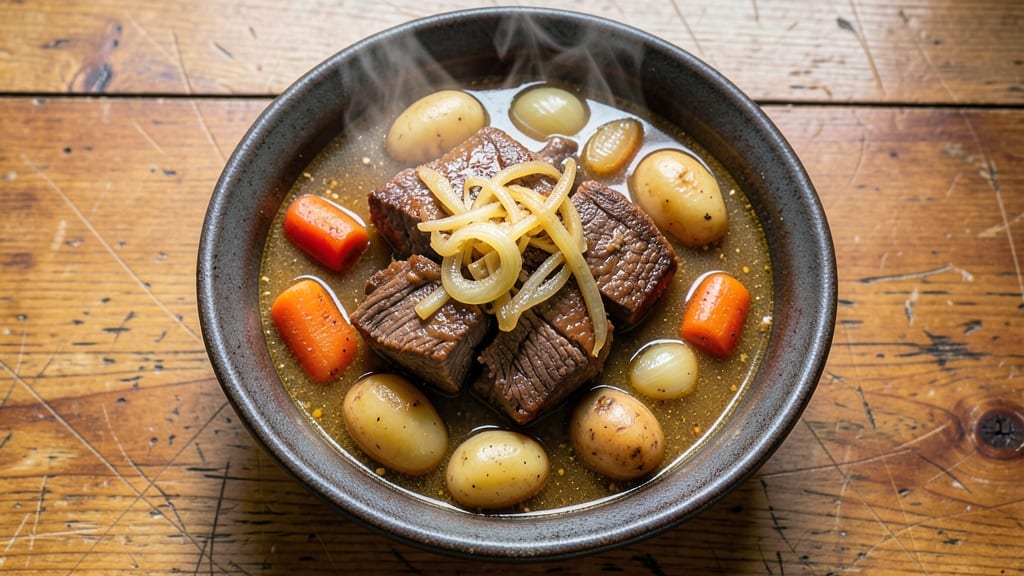
This beef stew recipe using Lipton Onion Soup Mix delivers restaurant-quality depth with minimal effort—transforming tough cuts into tender, flavorful bites that taste like they simmered all day. 💛 I developed this method after years of testing shortcuts that still deliver maximum flavor, and the onion soup mix is the secret weapon that elevates every spoonful without overpowering the beef.
The beauty of this recipe lies in its balance: rich, savory beef braised with classic vegetables, all enhanced by the onion soup mix's umami punch. You'll start with chuck roast—affordable, flavorful, and perfect for slow cooking—while carrots, potatoes, and onions round out the pot with natural sweetness and texture.
The mix dissolves into the broth, creating layers of caramelized onion flavor that build as the stew simmers.
By the time you're serving steaming bowls of this stew, you'll have achieved something remarkable: tender beef that falls apart at the touch of a fork, vegetables cooked to perfect softness, and a broth so rich it coats every bite.
The onion soup mix ensures that depth of flavor you'd expect from hours of simmering, delivered in just a few simple steps. This is the kind of weeknight dinner that feels like a celebration.
Perfect for feeding a crowd or meal prepping for the week, this stew reheats beautifully while maintaining its rich, savory character. The technique is straightforward, but the results are anything but basic—this is comfort food at its finest, with just the right amount of effort to make it feel special.
Let's get started on creating your next hearty, flavorful masterpiece.
Ingredients for beef stew recipe using lipton onion soup mix
The secret to restaurant-quality beef stew in one jar—plus 12 simple ingredients for maximum flavor.
| Ingredient | Amount | Notes |
|---|---|---|
| Chuck Roast 🥩 | 2 ½ lb | Pre-cut into 1.5-inch cubes |
| Lipton Onion Soup Mix 🧅 | 2 tbsp | Granulated, not powdered |
| Carrots 🥕 | 1 ½ lb | Whole, peeled, cut into chunks |
| Russet Potatoes 🥔 | 2 lb | Peeled, cut into 2-inch chunks |
| Yellow Onions 🧅 | 2 whole | Peeled, quartered |
| Beef Broth 💧 | 4 cups | Low-sodium preferred |
| Red Wine 🍷 | 1 cup | Bold dry red like Cabernet |
| Tomato Paste 🍅 | 2 tbsp | Smooth, not chunky |
| Garlic Cloves 🧄 | 4 cloves | Minced, fresh preferred |
| Olive Oil 🫒 | 2 tbsp | Extra-virgin for richness |
| Fresh Thyme 🌿 | 1 tbsp | Leaves only, chopped |
| Salt 🧂 | 1 ½ tsp | Kosher or sea salt |
| Black Pepper 🌶️ | 1 tsp | Freshly ground |
| Bay Leaves 🍃 | 2 whole | Remove before serving |
The chuck roast is your flavor anchor—look for good marbling at the butcher counter or Costco's pre-cut beef chuck for convenience. Lipton Onion Soup Mix is non-negotiable here (the granulated kind, not powdered)—it's what gives this stew that caramelized depth. For the veggies, organic carrots and potatoes from the store's produce section hold up best during cooking. If you're in a rush, baby carrots and pre-cut potatoes work too—just adjust the cooking time slightly. The yellow onions? Grab the big ones—they're cheaper and have more flavor.
No red wine? Beef broth with 1 tbsp balsamic vinegar works in a pinch. Fresh thyme is ideal, but dried thyme at one-third the amount gets you close. The tomato paste can be the squeeze tube kind from Trader Joe's—it's perfect for small amounts and lasts forever. If you're using pre-cut beef, pat it dry first to get the best sear. For the garlic, I always use fresh—it makes a huge difference, but if you're in a bind, 1 tsp garlic powder plus 1/2 tsp onion powder is a decent swap. The bay leaves? Don't skip them—they add that subtle earthy note that takes this from good to amazing.
This stew gets better with time—plan to cook it at least 3 hours for maximum tenderness. Store leftovers in the fridge for up to 5 days or freeze for 3 months. I like to portion it into containers so I can grab a bowl for lunch all week. The flavors meld beautifully overnight, so if you can make it ahead, do it! For reheating, add a splash of water or broth to prevent drying out. And trust me, the first bite after reheating is when you'll realize this tastes like it simmered all day—even though it didn't.
Why You'll Love This Recipe
- Pantry Magic: I swear by this trick—just dump the onion soup mix into the pot with the beef, and boom, instant depth. No fancy spice blends, no measuring herbs. The mix handles all the savory work while I chop the veggies in 5 minutes flat.
- Crowd-Pleasing Crunch: That crispy potato edge? Chef’s kiss. The carrots stay tender, the onions caramelize just enough, and the chuck roast melts like butter. Honestly, my picky teen devours this—no complaints, just seconds.
- Leftovers That Last: This stew tastes better the next day. I make a double batch on Sundays, freeze half, and pull it out for lazy nights. The flavors meld into pure comfort, and reheating takes zero effort—just microwave or stovetop.
- Budget Beef Boost: A chuck roast stretches to feed five for under $15. The onion soup mix adds restaurant-quality flavor without breaking the bank, and potatoes/carrots round out the meal for pennies. My wallet and my family thank me.
Step-by-step instructions for hearty beef stew with onion soup magic
This stew delivers restaurant-quality depth with minimal effort—let's build rich, savory layers together.
🔥 Step 1: Sear the Chuck Roast for Maximum Flavor
Heat the 2 tablespoons olive oil in a large Dutch oven over medium-high heat until shimmering. Pat the 2.5 lb chuck roast dry with paper towels—this ensures a perfect sear. Working in batches if needed, brown the meat on all sides for 3-4 minutes per side until deeply golden. You want that caramelized crust to form; it's the flavor foundation.
Once browned, remove the meat and set it aside. Don't clean the Dutch oven—those browned bits (fond) will dissolve into the stew later, adding depth. Here's the thing—if your pan isn't hot enough, the meat will steam instead of sear. You'll know it's ready when you see a golden crust forming almost immediately after adding the meat.
👨🍳 Step 2: Build the Aromatic Base
In the same Dutch oven, add the 2 whole yellow onions (quartered), 1.5 lb carrots (cut into chunks), and 2 lb russet potatoes (cut into 2-inch chunks). Cook for 5 minutes, stirring occasionally, until the vegetables begin to soften slightly. This jump-starts their flavor development.
Add the 4 cloves minced garlic, 2 tablespoons tomato paste, and 2 tablespoons Lipton onion soup mix. Stir well to coat everything in the paste and mix. The tomato paste will deepen the color and add umami richness, while the onion soup mix brings that comforting, savory backbone. Cook for another 2 minutes until fragrant—this is where the magic starts happening.
🍳 Step 3: Deglaze and Simmer the Stew
Pour in the 1 cup red wine and scrape up all those delicious browned bits from the bottom of the pot. Let it simmer for 2-3 minutes until the wine reduces by half and the alcohol burns off. This step concentrates the flavors and creates a glossy, velvety sauce base.
Add the 4 cups beef broth, then return the browned chuck roast to the pot. Stir in the 1 tablespoon fresh thyme, 1.5 teaspoons salt, 1 teaspoon black pepper, and 2 whole bay leaves. Bring to a gentle boil, then reduce heat to low and cover partially. Here's where patience pays off—simmer for 2.5-3 hours until the meat is fork-tender and falls apart easily.
⏰ Step 4: Finish and Rest for Perfect Texture
Once the meat is tender, taste the stew and adjust seasoning if needed. The vegetables should be cooked through but still hold their shape. Remove and discard the bay leaves—you don't want their bitter stems in your final dish. Let the stew rest for 15 minutes before serving. This resting period allows the flavors to meld completely and the juices to redistribute throughout the meat.
Here's the secret to serving this stew at its best: the meat should pull apart easily with a fork, and each bite should deliver tender beef, perfectly cooked vegetables, and that rich, savory broth. The onion soup mix gives it that comforting, familiar taste, while the wine and tomato paste add depth and complexity. Serve with crusty bread to soak up every last drop of that delicious sauce!
Pro Tips For Making Beef Stew Recipe Using Lipton Onion Soup Mix
- SEAR THE ROAST FIRST: Skip the slow start—brown that chuck roast in batches over medium-high heat until deep golden, not just pink. I used to toss it straight into the pot with the soup mix, and the stew always tasted flat. That crust? It’s what carries the flavor through hours of simmering.
- CUT POTATOES UNIFORM: Chunk those Russets into 2-inch cubes, not random sizes. Big pieces stay tough; small ones turn to mush. I learned this after serving a stew where half the potatoes were still rock-hard. Aim for consistency—your future self will eat faster.
- DON’T SKIP THE BLOOM: When you add the onion soup mix, let it sit in the hot broth for 2 full minutes before stirring. That’s when the powder dissolves and releases its full savory punch. Stirring too soon just makes a cloudy, underflavored mess—trust the wait.
- ADD POTATOES LAST: Toss them in only 30 minutes before serving, or they’ll turn to glue. I used to add them with the carrots, and the stew always ended up gummy. Potatoes need less time to soften than you think—just don’t overlook them at the end.
Essential equipment for perfect results
Dutch Oven Essentials
Your Dutch oven is the workhorse of this recipe—I can't recommend one enough for its even heat distribution and tight-fitting lid. Look for a 5-6 quart model with cast iron construction for durability.
My go-to is the Lodge 5.5 Quart Dutch Oven—it's affordable, pre-seasoned, and built to last generations. For those on a budget, the Amazon Basics version works perfectly for weeknight cooking. 🔥
Slow Cooker Option
If you prefer hands-off cooking, a 6-quart slow cooker with a stoneware insert works beautifully. I use my Hamilton Beach 6-Quart Programmable Slow Cooker for this recipe—set it to Low for 8 hours or High for 5 hours.
The key difference is you'll need to sear the beef separately in a skillet before adding it to the slow cooker. The onion soup mix still dissolves perfectly, creating that same rich depth.
Measuring Tools
Precision matters when you're working with small amounts like the 2 tablespoons of Lipton Onion Soup Mix. I keep a stainless steel measuring spoon set from OXO on my counter—it's durable and accurate.
For the red wine, use a liquid measuring cup to ensure you get exactly 1 cup. The garlic cloves should be minced finely—I like using a microplane for this because it gives me consistent, even pieces that dissolve beautifully into the stew.
Thermometer for Perfect Doneness
While you can test the beef's tenderness by fork, an instant-read meat thermometer ensures perfect results every time. Aim for an internal temperature of 203°F for fork-tender beef. My ThermoWorks Thermapen One is my favorite—it's fast, accurate, and built to last.
For budget-conscious cooks, the Taylor Precision Products version gives similar performance at a lower price. This tool takes the guesswork out of knowing when your stew is ready. ✨
Wooden Spoon Must-Have
A wooden spoon is essential for stirring this stew without scratching your Dutch oven. I use a 12-inch version from Progressive International—it's heat-resistant and sturdy enough to handle the toughest chunks of beef.
The wood absorbs flavors beautifully over time, enhancing each spoonful. Avoid metal utensils when the stew is simmering to prevent damaging your cookware's seasoning.
Storage Containers
For meal prep, I recommend glass storage containers with tight-sealing lids to maintain freshness. The Pyrex Simply Store line is my favorite—they're microwave-safe, freezer-friendly, and come in practical sizes. For freezing, leave 1 inch of headspace to prevent expansion cracks.
The stew reheats beautifully in these containers, making it perfect for lunches all week. The flavors actually improve after resting overnight! 💫
Nutrition facts
Frequently asked questions
Can I use ground beef instead of chuck roast in this stew?
While you can technically use ground beef, it won't give you the same tender, melt-in-your-mouth texture this recipe is designed for. Chuck roast is perfect because it breaks down beautifully during slow cooking, creating those rich, flavorful chunks. If you're set on ground beef, consider using it in a separate quick-cooking skillet to make beef patties or crumbles to serve alongside the stew.
How do I adjust this recipe for a slow cooker? For a 6-quart slow cooker, sear the beef first in a skillet, then transfer it with the vegetables to your slow cooker. Add all remaining ingredients (including the onion soup mix) and cook on Low for 8 hours or High for 5 hours. The onion soup mix will still dissolve perfectly, giving you that same rich depth. Just
What if I don't have red wine? Can I substitute it?
If you're avoiding alcohol, use an extra 1 cup of beef broth plus 1 tablespoon balsamic vinegar for the same rich, tangy depth. For a different flavor profile, 1 cup of apple cider works beautifully too—it adds subtle sweetness that complements the savory onion soup mix. The key is maintaining the same liquid volume for proper simmering.
Can I make this stew ahead of time?
This stew actually tastes even better the next day! Make it a day ahead and let it rest in the refrigerator. The flavors meld more completely, and the meat becomes even more tender. Reheat gently on the stove with a splash of water or broth to maintain moisture. You can also freeze portions for up to 3 months—just thaw overnight in the fridge before reheating.
Why does my stew taste too salty after adding the onion soup mix?
The Lipton onion soup mix contains salt, so if your broth is already low-sodium, you might need to adjust. Start with just 1 tablespoon of the mix and taste before adding the full 2 tablespoons. For extra flavor without extra salt, add 1/2 teaspoon of onion powder or 1/4 teaspoon of garlic powder to enhance the depth. Remember, you can always add more seasoning but can't remove excess salt!