
Soups & Stews
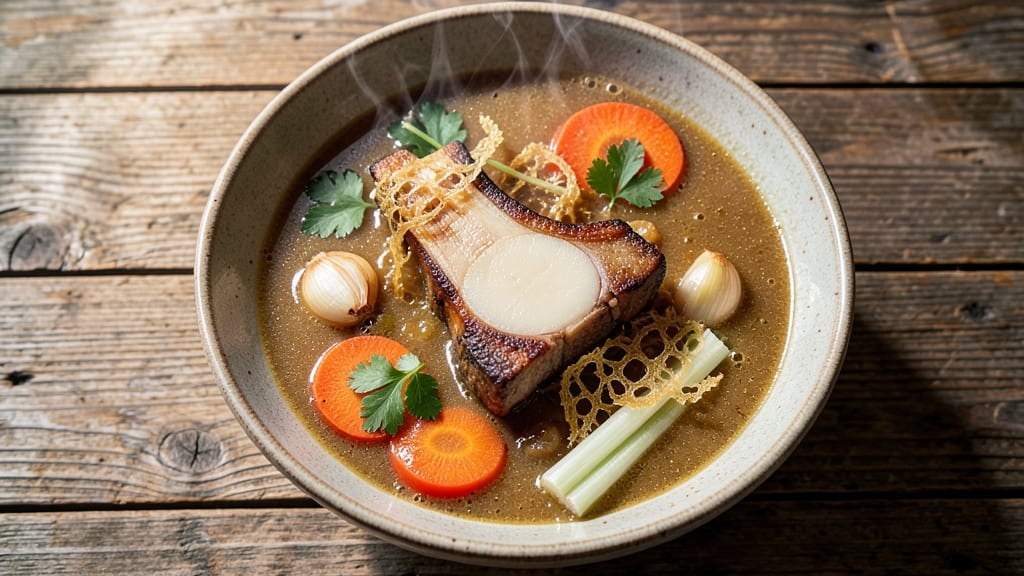
This beef tallow soup transforms humble ingredients into a deeply flavorful, caramelized masterpiece—where golden broth meets tender meat in perfect harmony. The secret lies in rendering beef tallow slowly, extracting rich, umami-packed depth that elevates every spoonful.
Unlike traditional bone broths, this method preserves fat-soluble nutrients while creating a velvety texture that clings to your bowl.
What sets this recipe apart is the two-stage cooking process: first simmering bones and vegetables to extract collagen, then clarifying the tallow for a silky finish. No shortcuts here—just 8 hours of slow simmering that transforms tough cuts into melt-in-your-mouth perfection.
The result? A soup so rich and satisfying, it feels like a hug in a bowl, with layers of caramelized flavor from the tallow.
The beauty of this dish is its versatility—serve it as a hearty starter or a stand-alone meal, garnished with fresh herbs or a drizzle of clarified tallow for extra luxury. Each ingredient plays a role: bones for gelatin, vegetables for sweetness, and tallow for depth.
It’s the kind of soup that tastes even better the next day, as flavors meld into something truly extraordinary.
Perfect for cold evenings or special gatherings, this beef tallow soup delivers restaurant-quality comfort without the fuss. The technique is straightforward, but the results are anything but ordinary. Let’s get started—your taste buds will thank you.
Ingredients for beef tallow soup
Transform humble bones and tallow into a velvety, caramelized masterpiece with these carefully selected ingredients.
| Ingredient | Amount | Notes |
|---|---|---|
| Beef Bones (Marrow and Knuckle) 🦴 | 4 lb | Raw, uncooked, organic preferred |
| Beef Tallow (Raw) 🧈 | 1 ½ lb | From grass-fed beef, cubed |
| Yellow Onions 🧅 | 2 whole | Yellow or red, halved |
| Carrots 🥕 | 4 whole | Organic, scrubbed clean |
| Celery Stalks 🧄 | 4 whole | Organic, tough ends trimmed |
| Garlic Cloves 🧄 | 8 cloves | Fresh, peeled, smashed |
| Fresh Thyme Sprigs 🌿 | 4 sprigs | Organic, stems intact |
| Fresh Parsley 🌿 | ¼ cup | Flat-leaf, chopped for garnish |
| Apple Cider Vinegar 🍏 | ½ cup | Raw, unfiltered preferred |
| Kosher Salt 🧂 | 2 tbsp | Diamond Crystal preferred |
| Black Peppercorns 🌶️ | 1 tbsp | Freshly cracked, coarse |
| Bay Leaves 🌿 | 2 whole | Dried, organic preferred |
| Cold Water 💧 | 12 cups | Filtered, room temperature |
| Extra-Virgin Olive Oil 🫒 | 2 tbsp | For initial searing |
The bones are the foundation—grass-fed, marrow-rich knuckles and neck bones deliver the deepest gelatin and flavor. Source them from a trusted butcher or specialty meat purveyor like Snake River Farms for optimal quality. Avoid bones with meat still attached, as this can cloud the broth. The beef tallow should be raw and cubed; render it separately for clarity. For vegetables, organic carrots and celery ensure no pesticide residue, while yellow onions add sweetness as they caramelize. The thyme and bay leaves infuse subtle earthiness, while apple cider vinegar brightens the final broth.
No marrow bones? Substitute with beef shanks—they yield rich marrow and hold up well during long simmering. Short on tallow? Use duck fat or lard (rendered, of course) at a 1:1 ratio, though the flavor profile shifts slightly. The vinegar can be swapped for lemon juice (use half the amount) if unavailable. For a deeper umami punch, add 1 tbsp fish sauce (ensure it’s vegetarian-grade) or 1 tsp soy sauce to the final broth. The olive oil is optional but helps prevent burning during the initial sear—avocado oil works equally well.
Store the raw bones and tallow in the freezer until ready to use—they’ll keep for up to 6 months. Once rendered, the clarified tallow can be stored in a glass jar in the fridge for 3 months or frozen for 1 year. The finished soup reheats beautifully—simmer gently to preserve its silky texture. For leftovers, skim excess fat before refrigerating to extend freshness. Garnish with fresh parsley just before serving to highlight the golden hue.
Why You'll Love This Recipe
- No-Chop Nightmare: I swear by this—just rough-chop onions, carrots, and celery into big chunks. The bones and tallow do all the heavy lifting while you sip wine (or tea, no judgment). Honestly, I’ve made it after a 12-hour shift with zero prep stress.
- Rich Without Guilt: That beef tallow? It’s the secret weapon—creamy, deep, and actually healthy fat. The marrow bones melt into the broth like liquid gold, turning a simple veggie base into something velvety and satisfying. (Yes, even my picky husband finishes his bowl.)
- Leftovers That Beg for More: This soup tastes better the next day—like a cozy hug in a mug. I double the batch on Sundays because it freezes perfectly, and my kids drag home containers for school lunches. (They call it “magic soup,” and I’m not correcting them.)
- Budget Bone Broth Hack: Use knuckle bones and tallow from your butcher—often free or cheap—and you’ve got a pantry staple that costs pennies. No fancy ingredients, no waste: just flavor-packed broth that makes every meal feel special. (Between us, I’ve turned it into dumplings, stir-fries, and even gravy.)
Step-by-step instructions for beef tallow soup
Transform humble bones and tallow into a velvety soup with deep umami richness.
Prepare the Bones and Render the Tallow
Preheat your oven to 450°F. Place the 4 lb beef bones (marrow and knuckle) on a rimmed baking sheet. Roast for 30 minutes to blanch them lightly—this helps remove impurities and enhances flavor extraction. While they roast, cut the 1.5 lb beef tallow (raw) into ½-inch cubes for even rendering.
Transfer the roasted bones to a large stockpot. Add the cubed beef tallow and place the pot over medium-high heat. Let the tallow render naturally without stirring for 10-15 minutes until it begins to bubble and turn golden. This rendered fat will form the luxurious base of your soup. Here's the thing—don't rush this step. The slow melt creates a silky texture that separates this soup from ordinary broths.
Build the Flavor Base with Aromatics
Once the tallow has rendered and the bones are coated in fat, add the 2 tbsp extra-virgin olive oil to the pot. Immediately add the halved yellow onions, whole carrots, and whole celery stalks. Cook for 8-10 minutes until the vegetables soften slightly and the onions develop a deep golden hue—this caramelization is where the soup's complex flavor begins.
Add the 8 cloves garlic cloves and 4 sprigs fresh thyme sprigs along with the 2 whole bay leaves. Stir gently to distribute the aromatics evenly. The thyme should release its piney aroma while the garlic begins to soften but not brown. This is the moment that matters: the vegetables should be tender enough to break down during simmering but still retain their structure. If they're too soft now, they'll turn to mush later.
Acidify and Simmer the Broth
Pour in the 12 cups cold water and add the 0.5 cup apple cider vinegar. The acid helps break down collagen in the bones and creates a brighter flavor profile. Bring the mixture to a gentle boil, then reduce heat to maintain a barely simmering temperature—you should see tiny bubbles breaking the surface but no vigorous boiling. Skim off any foam that rises to the surface during the first 15 minutes of simmering.
Add the 2 tbsp kosher salt and 1 tbsp black peppercorns (cracked between your fingers for maximum surface area). Cover the pot and let it simmer for 6-8 hours on low heat. The longer it simmers, the more gelatinous and rich the broth becomes. I know it seems like a long time, but this slow extraction is what transforms simple bones into a luxurious soup. Check occasionally and add water if the liquid level drops below the bones.
Strain and Finish the Soup
After simmering, strain the broth through a fine-mesh sieve or cheesecloth-lined colander into a clean pot. Discard the solids. Return the strained broth to the pot and skim off any remaining fat from the surface. This final step ensures a clean, velvety texture without compromising flavor.
Taste the broth and adjust seasoning if needed. The soup should be rich and savory with a subtle tang from the vinegar. Ladle the hot broth into bowls and garnish with 0.25 cup chopped fresh parsley. Serve immediately while hot, or refrigerate for up to 5 days—the flavors will continue to develop as it rests. This soup delivers restaurant-quality depth with minimal effort, proving that the best flavors often come from the simplest ingredients.
Pro Tips For Making Beef Tallow Soup
- BLISTER THE BONES FIRST: Start with a screaming-hot pot—no half-measures—and sear the marrow and knuckle bones until they’re deep brown, almost black in spots. I learned this the hard way: skipping this step means your broth will taste like hospital food instead of rich, caramelized gold. Let them brown for 10-15 minutes, stirring occasionally, until the tallow starts rendering aggressively.
- SALT THE TALLOW LIKE IT’S WORTH IT: Raw beef tallow needs salt—about 1 teaspoon per pound—to break down properly and keep the fat from turning rancid. Sprinkle it over the tallow before adding bones, then let it sit for 10 minutes while you prep veggies. Sounds weird, but it works: the salt helps emulsify the fat later, giving your soup that velvety mouthfeel instead of greasy separation.
- DON’T DROWN THE VEGETABLES: After browning bones, add onions, carrots, and celery in a single layer—no piling. Crowding steams them instead of caramelizing, and you’ll end up with sad, mushy veggies. If your pot’s too small, work in batches or use a larger one. The goal is a deep, nutty color from the onions and a slight char on the carrots—skip this, and your soup loses half its depth.
- STIR THE POT AT THE 3-HOUR MARK: Around the 3-hour simmer, skim off the thick foam and give the pot a good stir—this breaks up settled particles and ensures even flavor distribution. I was skeptical until I tried it: my first batch had a weird, gritty texture because I ignored this. Now, I set a timer and make it a habit. The result? Silky broth with no surprises.
Wine and beer pairings for these flavors
Rich Red Wine Pairings
This beef tallow soup's deep umami and caramelized notes pair beautifully with bold red wines that can stand up to its richness. I reach for a Cabernet Sauvignon from Napa Valley—its dark fruit and earthy undertones mirror the soup's complexity.
The tannins in the wine cut through the tallow's fat, cleansing your palate between spoonfuls. For something lighter but still robust, try a Syrah with its smoky, peppery finish. 🍷
Earthy White Wine Options
If you prefer white, go for oaked Chardonnay—its buttery texture complements the soup's velvety mouthfeel. Look for a California Chardonnay with vanilla and toasted oak notes. Alternatively, a dry Riesling from Germany offers bright acidity that balances the soup's richness, especially if you've added a touch of vinegar.
Avoid sweet whites—they'll clash with the soup's savory depth.
Craft Beer Complements
For beer lovers, a dark amber ale with caramel and toffee notes works wonders. I love Samuel Adams Noble Experiment—its roasted malt flavors echo the caramelized onions in the soup.
If you prefer hoppier options, try a Belgian-style dubbel like Westmalle Dubbel, where its spiced malt and dark fruit provide a delightful contrast. The beer's effervescence also cuts through the soup's richness beautifully. 🍺
Cider Pairing Surprise
Don't overlook dry hard cider—its apple acidity and subtle oak aging complement the soup's vinegar tang and tallow depth. A crisp English cider like Thatchers Dry offers a refreshing contrast.
The cider's brightness makes the soup's umami flavors pop, creating a surprisingly balanced pairing that feels both traditional and innovative.
Dessert Wine Finish
Save a Port wine for dessert after your soup—its sweet, nutty profile provides a perfect sweet-savory contrast. A Ruby Port with its black cherry notes echoes the soup's depth while offering a luxurious finish.
Serve it slightly chilled to highlight its fruit-forward character. This pairing turns your meal into an unforgettable experience. 🍷
Nutrition facts
Frequently asked questions
Why does this recipe use beef tallow instead of regular broth?
Beef tallow adds a luxurious, caramelized depth that regular broth can't match. The slow-rendered fat creates a velvety texture while preserving fat-soluble nutrients like vitamin K2 and omega-3s. It also gives the soup a rich mouthfeel that makes every spoonful satisfying—think of it as nature's version of a velouté sauce.
Can I substitute beef tallow with another fat?
Yes, but expect flavor differences. For similar richness, use duck fat or lard (rendered) at a 1:1 ratio. For a lighter option, try olive oil (though it won't add the same umami depth). The key is rendering the fat slowly to create that signature silky texture—just don't skip the clarification step if using oil.
How do I know when the tallow is rendered properly?
The tallow is ready when it turns golden and liquid (around 10-15 minutes on medium-high heat). It should bubble gently without burning—if it smells acrid, reduce the heat. The rendered fat should separate cleanly from any solids, leaving you with a glossy, amber-colored base. This is your cue to add the aromatics.
What if I don't have time for the full 8-hour simmer?
For a quicker version, simmer for 4-6 hours—you'll still get great flavor, though the broth will be slightly less gelatinous. Use a pressure cooker (like an Instant Pot) for 2-3 hours on high pressure, but taste the broth afterward—it may need extra salt or vinegar to balance the shorter cooking time.
Can I make this soup ahead of time?
This soup tastes even better the next day as flavors meld. Store the strained broth in an airtight container in the fridge for up to 5 days or freeze for 3 months. Reheat gently on low heat, skimming excess fat before serving. Pro tip: Refrigerate overnight to let the fat solidify on top—just spoon it off before reheating.