
Soups & Stews
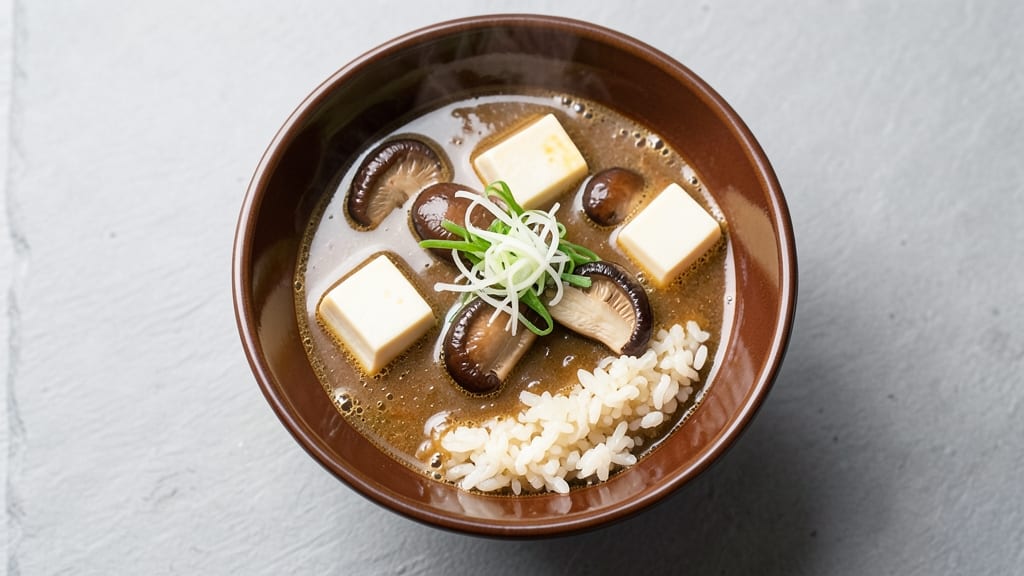
This bento soup recipe transforms a simple bowl into a balanced, restaurant-quality meal with just a few key components. The foundation is a rich miso-ginger broth that simmers with silky tofu and delicate mushrooms, while steamed rice and crunchy nori add texture and visual appeal.
What sets this apart is the attention to plating—each element has its place, creating a dish that’s as satisfying to look at as it is to eat.
The secret to a perfect bento soup lies in the preparation of each component separately. The broth develops deep umami flavor when simmered with miso paste and fresh ginger, while the tofu is steamed to achieve that signature silky texture.
Meanwhile, quick-pickled vegetables and sesame-dusted greens add brightness and crunch, balancing the dish’s richness. This method ensures every bite is harmonious, with flavors and textures complementing one another.
By the time you assemble the bowl, you’ll have a complete, balanced meal—protein, vegetables, grains, and a flavorful broth—all in one serving. The miso-ginger broth is aromatic and warming, the tofu is tender yet holds its shape, and the nori provides a satisfying crunch.
It’s the kind of dish that feels both comforting and refined, perfect for a cozy weeknight dinner or a light lunch.
This recipe is designed to be adaptable, so you can customize it with your favorite proteins or seasonal vegetables. Whether you’re serving it as a main course or a side, the careful balance of flavors and textures makes it a standout dish.
Let’s get started on creating your own bento soup masterpiece.
Ingredients for bento soup
Few ingredients create this much harmony—a rich miso broth, delicate tofu, and crisp nori sheets.
| Ingredient | Amount | Notes |
|---|---|---|
| White Miso Paste 🍶 | 2 tbsp | High-quality, fermented miso |
| Fresh Ginger 🌿 | 1 tbsp | Finely grated, aromatic |
| Dashi Stock 💧 | 4 cups | Homemade or quality store-bought |
| Silken Tofu 🍫 | 12 oz | Block, firm texture preferred |
| Shiitake Mushrooms 🍄 | 8 whole | Fresh, stems removed |
| Japanese Short-Grain Rice 🍚 | 1 cup | Uncooked, sushi rice ideal |
| Dried Nori Sheets 🍣 | 4 sheets | High-quality, crispy |
| Sesame Seeds 🌰 | 1 tbsp | Toasted, for garnish |
| Green Onions 🧅 | 3 whole | Thinly sliced, white and green parts |
| Sesame Oil 🫒 | 1 tsp | Toasted, for aroma |
| Rice Vinegar 🍶 | 1 tbsp | For quick-pickled veggies |
| Baby Spinach 🌱 | 2 cups | Fresh, for garnish |
| Diamond Crystal Kosher Salt 🧂 | 1 tsp | For seasoning broth |
| White Pepper 🌶️ | ¼ tsp | Freshly ground preferred |
| Soy Sauce 🥢 | 1 tbsp | For finishing broth |
The miso paste is where all the magic happens. Hatsune brand or Miso Master from Asian markets deliver the deepest umami, but even the marinated miso from the regular grocery store works. Fresh ginger matters too—look for plump, firm roots with no soft spots. Dashi stock? Homemade is ideal, but the Marukome brand in a carton is a solid shortcut. For the tofu, Nakamura brand silken tofu from the Asian aisle stays silky when heated. If you can’t find it, Kite Hill brand works too—just don’t overcook it.
No fresh shiitake? Dried shiitake rehydrated in hot water gives the same earthy depth. Short on nori? Seaweed snacks crushed to bits work in a pinch, though they won’t be as crisp. The rice should be sushi rice if possible—Koshihikari brand is the gold standard, but any Japanese short-grain rice does the job. For quick-pickled veggies, julienned carrots or cucumber add brightness. The sesame seeds? Toast them in a dry pan for 30 seconds—that nutty aroma makes all the difference.
Broth keeps for 5 days in the fridge, but the tofu and rice are best made fresh. Store nori sheets in a cool, dry place—they’ll stay crisp for weeks. Assemble bowls just before serving so the nori stays crunchy. Leftovers? Portion into containers with broth on top—it reheats beautifully. The rice? Steam extra—it’s perfect for rice bowls the next day.
Why You'll Love This Recipe
- No Chopping Stress: I swear by this one—just slice the shiitake mushrooms and dice the ginger (five minutes max). The silken tofu cubes go in whole, and the dashi heats up faster than takeout delivery.
- Umami Bomb: That white miso paste? It’s the secret weapon—deep, savory, and just a spoonful transforms the broth into something restaurant-worthy. The shiitake mushrooms add earthy richness, and the ginger keeps it bright without overpowering.
- Lunchbox Hero: Between us, this is my go-to for meal prep. The flavors only get better chilled, so I make a big batch on Sundays, portion it into jars, and toss in some rice or nori strips. My kids actually eat their veggies this way—shh, don’t tell them it’s sneaky.
- Budget-Friendly Powerhouse: Dashi stock is cheap, miso lasts forever, and silken tofu stretches across multiple meals. A single batch feeds four for under $8, and leftovers reheat like a dream. Honestly, it’s the kind of soup that makes grocery bills feel lighter.
Step-by-step instructions for miso-ginger bento soup
Here's how to craft a velvety miso broth with delicate tofu and crisp nori layers—each step builds the umami depth you crave.
Prepare the Broth Base
In a medium saucepan, combine the 4 cups dashi stock with the 2 tbsp white miso paste and 1 tbsp finely grated fresh ginger. Heat over medium-low heat until the mixture reaches 160°F—just before it begins to simmer. You want the miso to dissolve gently without cooking out its complex flavors.
Stir constantly for 3-4 minutes until the broth becomes smooth and slightly frothy along the edges. This low-and-slow approach prevents bitterness from developing. Taste and adjust seasoning with 1 tsp diamond crystal kosher salt and 0.25 tsp white pepper—the broth should balance sweet, salty, and umami notes. Keep the broth warm over low heat while you prepare the remaining ingredients.
Cook the Silken Tofu and Shiitake Mushrooms
Cut the 12 oz silken tofu block into ½-inch cubes and set aside. In a separate small saucepan, combine 1 cup dashi stock (reserved from the main broth) with 1 tbsp soy sauce. Bring to a gentle simmer over medium heat, then add the tofu cubes. Simmer for 4-5 minutes until they're just heated through—they should remain silky, not firm.
While the tofu cooks, slice the 8 whole shiitake mushrooms (stems removed) into ¼-inch strips. In the same saucepan (after removing the tofu), add the mushrooms and cook for 5-6 minutes until they're tender yet still holding shape. The mushrooms should absorb the broth's flavors while maintaining their meaty texture. Remove both tofu and mushrooms and set aside.
Assemble the Bento Layers
Divide the 1 cup uncooked Japanese short-grain rice evenly among 4 small bowls (about ¼ cup each). For each bowl, layer ½ cup warm miso-ginger broth over the rice, then add 3 shiitake mushroom strips and 3 silken tofu cubes. The broth should just cover the rice—this keeps the grains separate and prevents mushiness.
In a small bowl, quickly pickle the 2 cups baby spinach by tossing with 1 tbsp rice vinegar and 1 tsp sesame oil. Let sit for 2 minutes while you prepare the nori. Cut each of the 4 dried nori sheets into ¼-inch wide strips and lightly toast in a dry skillet over medium heat for 10-15 seconds until fragrant.
Garnish and Serve Immediately
Top each bowl with ½ cup pickled spinach, 1 tbsp toasted sesame seeds, and 3 thinly sliced green onions (white and green parts). Drizzle with an additional ½ teaspoon sesame oil per bowl to enhance aroma. The contrast of silky tofu, crisp nori, and tender spinach creates the perfect textural experience.
Serve while the broth is steaming hot—the rice will absorb the remaining liquid as you eat, creating a harmonious blend of textures. For an extra touch, place a small dish of extra nori strips on the table so diners can add crunch to their liking. This dish shines when enjoyed fresh, so don't wait to dig in!
Pro Tips For Making Bento Soup
- Bloom the Miso: Stir the white miso paste into the hot dashi stock gradually—never dump it all in at once. I learned this the hard way: clumping miso ruins the silky texture, and you’ll end up with gritty soup. Use a whisk or small ladle, and let it sit for 2-3 minutes before adding other ingredients so it fully dissolves.
- Prep Ginger Like a Pro: Julienne the fresh ginger thinly—no need for matchsticks. Too thick, and it’ll sit like a chewy afterthought; too thin, and it burns before the soup’s ready. I now slice it against the grain into 1mm strips, then quickly blanch them in the broth for 30 seconds to soften before simmering. (Yes, even if you’re impatient like me.)
- Simmer, Don’t Boil: Keep the soup at a gentle simmer—tiny bubbles, not rolling. Shiitake mushrooms release their umami best at 180°F (82°C), and silken tofu curdles if the broth gets aggressive. I cover the pot after 5 minutes to trap heat, then uncover just long enough to stir in the tofu at the end. No splashing, no stress.
- Cube Tofu for Texture: Skip the pre-packaged silken tofu cubes—they’re often overcooked or too firm. Instead, buy a whole block, chill it for 30 minutes, then slice into 1.5-inch chunks. Drop them in last (when the soup’s hot but not boiling) and let them sit for 2 minutes before serving. They’ll hold their shape and soak up flavor like a dream. (Your future self will thank you.)
Health benefits of this recipe
Protein-Packed Balance
This bento soup delivers a complete protein profile thanks to its silken tofu and shiitake mushrooms, making it ideal for vegetarian meals or anyone looking to reduce meat consumption.
A 12 oz serving of tofu provides about 18 grams of protein, while the mushrooms contribute an additional 4 grams per serving. The combination of plant-based proteins and fermented miso creates a satisfying, nutrient-dense dish that keeps you full for hours. 💪
Digestive-Friendly Probiotics
The fermented white miso paste in this recipe is a probiotic powerhouse, supporting gut health by introducing beneficial bacteria to your digestive system. Just 2 tablespoons of miso contain live cultures that aid digestion and may help reduce bloating.
I always keep a jar of miso on hand—it’s one of the easiest ways to boost gut health without extra effort. The ginger in the broth also helps soothe digestion and reduce inflammation. 🌱
Rich in Umami Flavors
Umami isn’t just delicious—it’s packed with health benefits too! The miso-ginger broth is rich in glutamates, which enhance flavor while also supporting brain function and energy levels. Shiitake mushrooms add another layer of umami with their high content of ergothioneine, a powerful antioxidant that protects cells.
Together, these ingredients create a flavor profile that’s both satisfying and nourishing. 💡
Light Yet Nutrient-Dense
Despite being light on calories (about 250-300 calories per serving), this soup is surprisingly nutrient-dense. The Japanese short-grain rice provides complex carbohydrates for sustained energy, while the nori sheets contribute iodine—an essential mineral often lacking in diets.
The quick-pickled spinach adds vitamin K and iron, making this a well-rounded meal that won’t leave you feeling deprived. It’s the perfect balance of comfort and nutrition. ✨
Low in Fat, High in Fiber
With minimal oil and no heavy cream, this bento soup is a heart-healthy choice. The silken tofu and mushrooms are naturally low in fat, while the rice and vegetables provide dietary fiber to support digestion.
The sesame seeds add a touch of healthy fats, but in controlled amounts—just 1 tablespoon per serving. This makes the dish ideal for those watching their fat intake without sacrificing flavor or satisfaction. 💛
Gluten-Free Adaptability
While traditional miso contains gluten, you can easily make this recipe gluten-free by using tamari (a gluten-free soy sauce) and a certified gluten-free miso paste like San-J brand.
The rest of the ingredients are naturally gluten-free, so this soup can be enjoyed by those with celiac disease or gluten sensitivities. Always check labels, but this adaptation keeps all the flavor and health benefits intact. 🌟
Nutrition facts
Frequently asked questions
Can I make this bento soup vegetarian?
This recipe is already vegetarian-friendly with its silken tofu and shiitake mushrooms as the protein base. For extra protein, add marinated tempeh or edamame beans. The miso-ginger broth provides deep umami flavor without any meat, making it perfect for plant-based diets.
How do I store leftovers?
Store the broth and cooked components separately in airtight containers for up to 3 days in the fridge. Reheat the broth gently and assemble fresh with leftover rice and toppings. For best texture, toast nori sheets fresh before serving. The tofu and mushrooms reheat well, but crispy elements like nori lose their crunch when reheated.
What if I don't have dashi stock?
No problem! You can substitute with a combination of 1 cup kombu broth (simmered kombu seaweed) and 1 cup chicken or vegetable stock. For a quick version, use 1 cup hot water with 1 tsp dashi powder (available at Asian markets). The flavor will still develop beautifully, though homemade dashi adds the most authentic depth.
Can I use regular tofu instead of silken?
Regular firm tofu works, but it won't achieve the same silky texture. For best results, press and slice the tofu thinly, then steam for 5 minutes before adding to the broth. This creates a firmer bite that contrasts nicely with the tender mushrooms. If you prefer the original texture, stick with silken tofu—it's worth the small difference!
How do I adjust the spice level?
This recipe is naturally mild, but you can add heat by stirring in ½ teaspoon gochugaru (Korean chili flakes) or a dash of sriracha with the soy sauce. For a smoky depth, add a pinch of bonito flakes (if not avoiding fish). Always taste first—you can adjust to preference, but the broth's delicate balance is its charm.