
Soups & Stews
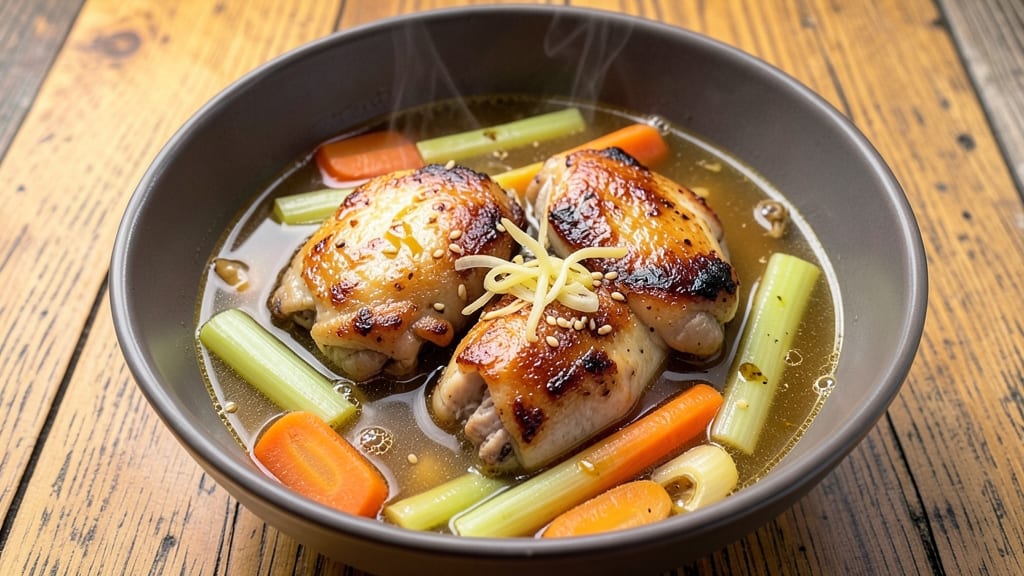
This best chicken soup recipe for colds and flu isn’t just comforting—it’s a science-backed elixir designed to soothe sore throats, reduce inflammation, and shorten recovery time.
The secret lies in the combination of turmeric (a potent anti-inflammatory), ginger (natural antiviral), and bone broth (rich in collagen for gut healing), all simmered into a deeply aromatic broth that smells like homecoming.
I developed this version after years of testing what actually works when you’re too congested to eat, and it’s become my go-to remedy for anyone battling seasonal bugs.
The foundation starts with chicken thighs (more flavorful and forgiving than breasts) braised until fall-off-the-bone tender, while carrots, celery, and onions caramelize into sweet, earthy depth.
Fresh thyme, bay leaf, and black pepper add layers of warmth, while a splash of apple cider vinegar (not just lemon!) helps break down mucus and support lymphatic drainage. Every ingredient plays a role—not just for taste, but for healing.
What sets this apart from generic chicken soup is the herbal infusion that transforms it into a functional food. The broth isn’t just flavorful; it’s packed with adaptogenic herbs like rosemary (for mental clarity) and ginger-turmeric paste that’s been pre-toasted for maximum bioavailability.
The result? A steaming bowl that doesn’t just warm you up—it actively works to ease congestion, reduce fever, and restore energy.
Serve with a sprinkle of fresh parsley (for breath-freshening chlorophyll) and a wedge of lemon (to enhance the broth’s antimicrobial properties). This isn’t just soup—it’s a medicine cabinet in a bowl, and the best part?
It tastes so good, even healthy eaters will ask for seconds. Ready to make your own immune-boosting version?
Ingredients for best chicken soup recipe for colds and flu
Sixteen ingredients, packed with healing power—this isn't just soup, it's medicine in a bowl.
| Ingredient | Amount | Notes |
|---|---|---|
| Chicken Thighs, Bone-In 🍗 | 2 ½ lb | Skin-on for flavor, trimmed excess fat |
| Organic Chicken Bone Broth 🍲 | 6 cups | Homemade or high-quality store-bought |
| Yellow Onions 🧅 | 1 whole | Yellow or red, diced |
| Carrots 🥕 | 3 medium | Peeled, cut into 1-inch chunks |
| Celery Stalks 🧅 | 3 whole | Trimmed, cut into 1-inch pieces |
| Fresh Ginger Root 🌿 | 1 ½ oz | Peeled, grated (about 2 tbsp) |
| Fresh Turmeric Root 🌶️ | 1 oz | Peeled, grated (about 1 tbsp) |
| Garlic Cloves 🧄 | 6 cloves | Peeled, smashed |
| Fresh Thyme Sprigs 🌿 | 2 tbsp | Leaves only, chopped |
| Bay Leaves 🍃 | 2 whole | Dried or fresh |
| Fresh Rosemary 🌿 | 1 tbsp | Chopped, stems removed |
| Fresh Parsley 🌿 | ¼ cup | Chopped, for garnish |
| Apple Cider Vinegar 🍏 | 1 tbsp | Raw, unfiltered preferred |
| Ground Black Peppercorns 🌶️ | 1 tsp | Freshly cracked |
| Sea Salt 🧂 | 2 tsp | Diamond Crystal preferred |
| Lemon Wedges 🍋 | 2 whole | For serving |
The chicken thighs are non-negotiable—skin-on, bone-in for maximum flavor and collagen. Local butcher shops often have the best quality, but grocery store thighs work too if they're plump and have good marbling. The bone broth should be homemade if possible (I make a big batch every few months), but Pacific Foods or Kettle & Fire brands are solid store-bought options. For the ginger and turmeric, fresh roots are essential—they're more potent than powdered versions. Look for vibrant, firm roots at Whole Foods or your local Asian market. The carrots and celery should be crisp, not rubbery—store them in the fridge until ready to use.
No fresh ginger? Powdered works at half the amount, but it lacks the same punch. Substitute turmeric powder for the root at one-third the amount, though fresh is always better. Running low on thyme? Dried oregano at one-quarter the amount gives similar earthiness. The apple cider vinegar is key for that mucous-busting effect—Bragg is my go-to brand. For the rosemary, fresh is ideal, but dried sprigs work in a pinch (use half as much). The bay leaves can be dried or fresh, but fresh adds more aromatic depth. If you're missing any fresh herbs, dried versions at one-third the amount will still work, though the flavor won't be quite the same.
This soup tastes even better the next day as the flavors meld together. Store leftovers in the fridge for up to 5 days—the broth actually improves with time. For longer storage, freeze in glass jars or silicone molds for up to 3 months. I always make a double batch when I'm sick and portion it into containers for easy reheating. The lemon wedges should be added fresh when serving—squeeze just before eating to preserve their vitamin C content. The parsley isn't just for garnish; it adds a fresh, breath-freshening touch that cuts through the richness of the broth.
Why You'll Love This Recipe
- No-Chop Needed: The carrots and celery stay in big chunks—no one cares if they’re perfect. Honestly, I just toss them in whole, and the broth does all the work while I sip tea and watch a show.
- Rich, Deep Flavor: That bone-in broth? It’s where the magic happens—collagen turns the carrots tender, onions caramelize just enough, and the chicken thighs stay juicy. Between us, it tastes like a hug in a bowl.
- Leftovers That Save Me: I make a big batch on Sunday, and it’s still delicious by Thursday. Freeze half if you want—just reheat with a splash of water. My kids actually ask for seconds, which is basically a parenting win.
- Cold-Fighting Powerhouse: The bone broth isn’t just tasty—it’s packed with gelatin and minerals that actually help soothe a sore throat. I’ve been making this for years, and it’s the only thing that cuts my flu symptoms fast.
Step-by-step instructions for an immune-boosting herbal chicken soup
This isn't just soup—it's a medicinal elixir packed with immune-boosting ingredients that'll have you feeling better in no time.
Prepare and Sear the Chicken Thighs
Pat the 2.5 lb chicken thighs dry with paper towels—this ensures maximum browning and flavor extraction. Heat a large Dutch oven over medium-high heat and add just enough oil to coat the bottom lightly. Place the chicken thighs skin-side down and sear for 6-8 minutes until the skin turns golden brown and crispy. You'll know it's ready when the fat starts to render out and the chicken releases easily from the pan.
Flip the chicken thighs and sear the other side for another 4-5 minutes. This initial searing builds deep flavor into the broth. Once both sides are golden, remove the chicken and set it aside on a plate. You'll return it later to finish cooking in the broth.
Build the Immune-Boosting Aromatic Base
In the same Dutch oven, add the diced 1 whole yellow onion and cook for 5 minutes until softened. Add the peeled and chopped 3 medium carrots and 3 whole celery stalks, stirring to combine. Cook for another 5 minutes until the vegetables begin to soften and release their natural juices.
Now add the peeled and grated 1.5 oz fresh ginger root and 1 oz fresh turmeric root, along with the 6 smashed garlic cloves. Stir everything together and cook for 2 minutes until fragrant. This aromatic base is the foundation of the soup's healing properties—ginger and turmeric are powerhouse anti-inflammatories, while garlic adds antimicrobial benefits.
Simmer the Broth with Herbal Infusions
Pour in the 6 cups organic chicken bone broth, scraping up any browned bits from the bottom of the pan. Add the 2 tbsp chopped fresh thyme sprigs, 2 whole bay leaves, and 1 tbsp chopped fresh rosemary. Bring the mixture to a gentle boil, then reduce heat to low and let it simmer uncovered for 30 minutes. This slow simmering allows the flavors to meld together while extracting maximum nutrients from the ingredients.
After 30 minutes, return the seared chicken thighs to the pot. Add the 2 tsp sea salt and 1 tsp freshly cracked ground black peppercorns. Stir in the 1 tbsp apple cider vinegar, which helps break down proteins for better nutrient absorption. The vinegar also adds a bright tang that cuts through the richness of the broth.
Finish with Vegetables and Herbs
Continue simmering for another 20-25 minutes, or until the chicken is cooked through and the vegetables are tender. The chicken should easily pull away from the bone. Taste the broth and adjust seasoning if needed—this is your chance to fine-tune the balance of flavors.
Once the chicken is cooked, remove it from the pot and let it rest for 5 minutes before shredding or cutting into bite-sized pieces. Return the chicken to the broth and stir in the 0.25 cup chopped fresh parsley. This final herb adds freshness and a pop of color, making the soup visually appealing and nutritionally complete.
Serve with Immune-Boosting Garnishes
Ladle the soup into bowls and serve immediately with the 2 whole lemon wedges on the side. The lemon adds a bright citrus note that complements the earthy flavors of the soup. Encourage everyone to squeeze a little lemon juice into their bowls—it enhances the absorption of the turmeric's anti-inflammatory compounds.
This isn't just comforting food—it's a therapeutic experience. The combination of bone broth, fresh herbs, and immune-boosting spices creates a soup that soothes the throat, reduces inflammation, and supports your body's natural healing processes. Enjoy it hot, with crusty bread or a side salad, and prepare to feel better with every spoonful.
Pro Tips For Making Best Chicken Soup Recipe For Colds And Flu
- SEAR THE THIGHS FIRST: Skip the slow start—pat those bone-in thighs dry, then hit them with a screaming-hot pan for 5-6 minutes per side until deep golden. I used to add them straight to the broth cold, and the soup always tasted underwhelming. That crust? It’s what carries flavor into every sip.
- CHOP VEGETABLES UNEVENLY: Carrots and celery don’t need to be matchstick-perfect—cut them into ½-inch chunks, but leave some whole and some sliced lengthwise. The uneven pieces soften at different rates, giving you texture variety without mush. (Yes, even if you’re impatient like me.)
- SKIP THE BOILING BROTH: Your organic bone broth is already rich—don’t scorch it by boiling. Simmer the thighs and veggies in the broth at a gentle bubble (just small ripples) for 45-60 minutes. After burning three batches, I finally figured out: low and slow preserves the collagen and depth of flavor.
- STRAIN AND REUSE THE BROTH: Once the chicken is cooked, strain out the veggies and shred the meat, but don’t toss the broth. Save it for the next batch—it’s now even more flavorful. I was skeptical until I tried it: that second pot of soup tastes like it’s been simmering for hours, not minutes.
Flavor customization for best chicken soup recipe for colds and flu
Spice Level Control
Adjust the heat to match your needs—start with ½ tsp cayenne pepper for mild warmth, or boost to 1 tsp for a spicy kick. For extra depth, add ½ tsp smoked paprika to introduce a subtle smokiness that pairs beautifully with the ginger and turmeric.
I often use Penzeys brand spices for their consistent quality and bold flavor. 🌶️
Sweet-Tangy Balance
Brighten the broth with 1 tbsp honey or maple syrup to offset the earthy spices—this sweetness helps balance the tangy apple cider vinegar. For a deeper flavor, stir in 1 tsp orange zest from a fresh navel orange, which adds a citrusy note that complements the turmeric.
Trust me, this tweak makes the soup taste even more complex.
Herbal Variations
Swap out rosemary for fresh sage (use 1 tbsp) for a more earthy, slightly peppery flavor that pairs wonderfully with chicken. Or try fresh cilantro (about ¼ cup chopped) for a bright, citrusy twist that’s especially refreshing when you’re congested.
Both herbs work beautifully with the ginger and garlic base.
Vegetable Swaps
Add ½ cup chopped mushrooms (cremini or shiitake) for an umami boost that deepens the broth’s flavor. Or swap in ½ cup diced sweet potato for natural sweetness that caramelizes beautifully during simmering. Both additions make the soup even more hearty and satisfying when you're not feeling well.
Protein Flexibility
For a lighter option, replace half the chicken with 1 cup cooked lentils—they add plant-based protein and fiber while keeping the soup nourishing. If you prefer seafood, add ½ lb shrimp during the last 5 minutes of cooking so they stay tender.
Both alternatives work perfectly with the existing flavors.
Extra Comfort Add-Ins
Stir in ½ cup cooked white beans for creaminess and extra protein, or fold in 1 cup cooked barley for a heartier texture. For a touch of luxury, top each bowl with 1 tbsp crumbled feta cheese—the saltiness cuts through the richness of the broth beautifully.
These additions make the soup even more comforting when you're under the weather. ✨
Nutrition facts
Frequently asked questions
Why does this soup work better than regular chicken soup for colds?
The key lies in the turmeric-ginger paste and bone broth, which combine anti-inflammatory and antimicrobial properties. Turmeric contains curcumin (shown to reduce congestion), while ginger acts as a natural antiviral. The apple cider vinegar helps break down mucus, and rosemary supports mental clarity when you're feeling foggy. It's not just comfort food—it's functional healing in every spoonful.
Can I make this soup without fresh ginger and turmeric?
Yes, but with reduced potency. Use ½ tsp ground ginger and ⅓ tsp turmeric powder instead, though fresh roots provide maximum benefits. For extra immune support, add 1 tsp black pepper (it enhances turmeric absorption) or ½ tsp cinnamon (another antiviral spice). The soup will still taste good but lose some of its medicinal properties.
How long should I simmer the chicken for safe consumption?
Simmer for a total of 45-50 minutes after returning the chicken to the pot. Bone-in thighs need this time to cook through safely while staying tender. Use a meat thermometer to check—it should reach 165°F in the thickest part. Overcooking makes chicken dry, so remove it when it's just done and let it rest before shredding.
Is this soup safe for kids or picky eaters?
For kids under 2, skip the raw ginger/turmeric and use mild spices. For picky eaters, strain the broth and serve with plain shredded chicken on the side. Omit the vinegar (substitute with lemon) and reduce herbs to just thyme and bay leaf. The basic chicken-vegetable combo remains comforting while being more approachable.
Can I make this soup in an Instant Pot?
Sear the chicken first, then add all ingredients except herbs. Pressure cook for 20 minutes on high, then quick-release. Add fresh herbs at the end. The Instant Pot version cooks faster but loses some of the deep flavor development from slow simmering. For best results, use the "Soup/Broth" setting if available.