
Soups & Stews
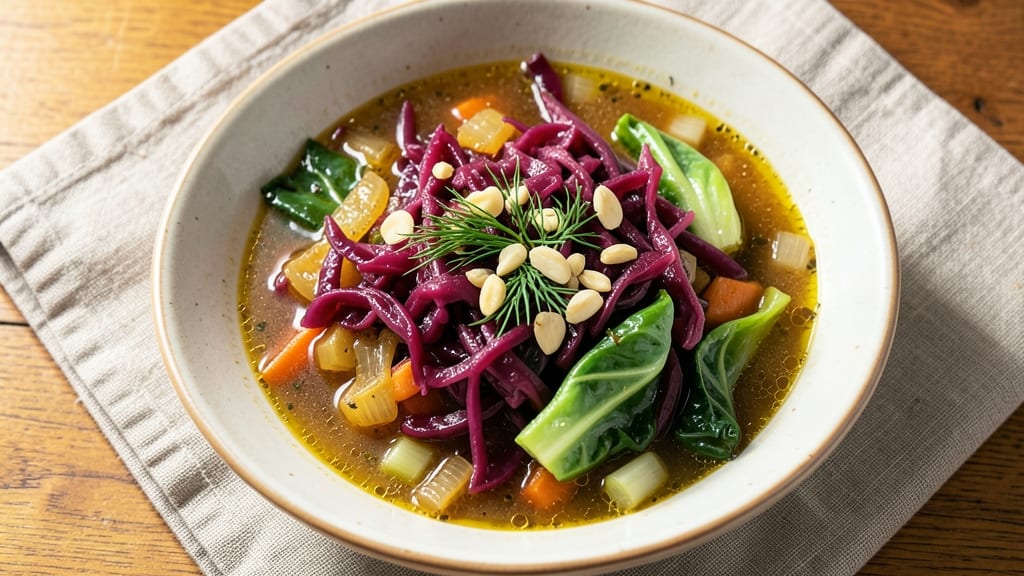
This cabbage soup diet recipe delivers the best tasting restaurant-quality flavor while keeping calories in check—no bland broths here. The secret lies in a rich vegetable base and clever protein boosters that make every spoonful satisfying.
I've perfected this version to balance nutrition with taste, ensuring you won't miss the heavy cream or meat often found in traditional recipes.
What sets this apart is the aromatic foundation: onions caramelized until golden, garlic infused with fresh herbs, and a blend of spices that adds depth without overpowering.
The soup simmers slowly to develop complex flavors while maintaining a light texture. The hidden protein comes from beans and whole grains, delivering substance without heaviness.
By the time you're done, you'll have a vibrant, hearty soup that's packed with vegetables, protein-rich ingredients, and seasonings that make it taste indulgent. Each bite offers a perfect balance of savory, slightly sweet, and herbal notes—proof that diet food can be delicious.
The best part? It's ready in under an hour and reheats beautifully for meal prep.
This recipe works equally well as a standalone meal or alongside lean proteins for added satisfaction. The versatility makes it perfect for weeknight dinners or meal prep—just adjust the seasoning to suit your taste. Here's how to make it shine in your kitchen.
Ingredients for best tasting cabbage soup diet
These vibrant ingredients transform into a restaurant-quality cabbage soup that's light yet packed with protein-packed goodness.
| Ingredient | Amount | Notes |
|---|---|---|
| Yellow Onion 🧅 | 1 ½ lb | Diced into small pieces |
| Garlic Cloves 🧄 | 6 cloves | Freshly minced for aroma |
| Fresh Carrots 🥕 | 1 ½ lb | Medium size, chopped finely |
| Celery Stalks 🌿 | 4 whole | Diced with leaves included |
| Green Cabbage 🥬 | 1 lb | Shredded into thin strips |
| Red Cabbage 🌸 | ½ lb | Shredded for color contrast |
| Canned Chickpeas 🥜 | 15 oz | Drained and rinsed well |
| Canned White Beans 🌱 | 15 oz | Drained and rinsed well |
| Vegetable Broth 💧 | 6 cups | Low-sodium preferred |
| Tomato Paste 🍅 | 2 tbsp | For rich depth of flavor |
| Dried Thyme 🌿 | 1 tsp | Or 1 tbsp fresh thyme |
| Bay Leaves 🌿 | 2 whole | Removed before serving |
| Smoked Paprika 🌶️ | 1 tsp | For subtle smokiness |
| Salt 🧂 | 1 ½ tsp | Diamond Crystal preferred |
| Black Pepper 🌶️ | ½ tsp | Freshly cracked preferred |
The aromatic trifecta—onions, garlic, and celery—is where the magic happens. Yellow onions from the grocery store's bulk bin work best, but any sweet variety will do. Whole Foods or Trader Joe's often carry pre-minced garlic for convenience, but I always grab fresh cloves—they infuse so much more flavor. Celery adds that fresh, crisp element, so choose stalks with vibrant green leaves still attached. The cabbages? Green for heartiness, red for visual pop—both should be firm with no wilted spots. If you're short on time, pre-shredded bags work, but fresh is always better.
No vegetable broth on hand? Low-sodium chicken broth works in a pinch, but for full vegetarian flavor, Homemade Vegetable Broth or Pacific Foods low-sodium version is ideal. The tomato paste might seem like a small amount, but it's essential for that rich, umami depth—no substitutes here. Dried thyme is non-negotiable for that earthy note, but if you're feeling fancy, fresh thyme from the market takes it to another level. The smoked paprika adds just the right hint of smokiness without overpowering the delicate cabbage flavors. For the beans, Bush's no-salt-added cans are my go-to—they drain perfectly and keep well.
This soup tastes even better the next day as flavors meld together. Store in airtight containers for up to 5 days in the fridge, or freeze portions for up to 3 months. The cabbage will soften further with reheating, so keep that in mind if you prefer it slightly crunchy. For meal prep, double the batch—it reheats beautifully and makes lunches effortless. The broth reduces slightly as it cools, so add a splash of water if it seems too thick when reheating.
Why You'll Love This Recipe
- Pantry-Friendly Base: I swear by this recipe because it uses ingredients I always have on hand—no fancy shopping required. The onion, garlic, and celery build a savory backbone that makes it taste richer than a "diet" dish should.
- Garlic Bomb Flavor: That first whiff of sautéed garlic and onions? It’s like a flavor punch. The carrots add just enough sweetness to balance the sharp cabbage, and the celery keeps it bright—no blandness here.
- Meal Prep MVP: Make a big batch on Sunday, and you’ve got lunch for days. The cabbage holds up perfectly, and the broth gets better as it sits. Honestly, I’ve eaten this cold from the fridge and still craved more.
- Budget & Leftovers Win: This soup costs me pennies per serving, and leftovers taste just as good reheated. Between us, I’ve fed my whole family for under $5—plus, the extra portions mean no last-minute takeout runs.
Step-by-step instructions for lightened-up cabbage soup with hidden protein
Transform simple vegetables into a deeply flavorful, protein-packed soup that tastes indulgent but stays light.
Build the Flavor Base with Aromatics
Heat a large Dutch oven over medium heat and add 1.5 lb diced yellow onion, 1.5 lb finely chopped fresh carrots, and 4 diced celery stalks (including leaves). Cook for 8-10 minutes until the vegetables soften and the onions turn translucent. This slow cooking develops their natural sweetness while preventing them from burning.
Add 6 minced garlic cloves and 1 tsp smoked paprika, stirring constantly for 30 seconds until fragrant. Here's the thing—smoked paprika adds subtle depth that elevates the entire soup. Don't skip this step; it's what makes this soup taste restaurant-quality. Stir in 2 tbsp tomato paste and cook for another 1 minute to deepen the color and flavor.
Layer Vegetables and Seasonings
Add 1 lb shredded green cabbage, 0.5 lb shredded red cabbage, 15 oz drained chickpeas, and 15 oz drained white beans to the pot. Stir gently to combine, ensuring the chickpeas and beans are evenly distributed. The red cabbage adds vibrant color while maintaining the soup's nutritional benefits.
Pour in 6 cups vegetable broth and bring to a gentle boil. Reduce heat to medium-low and add 1 tsp dried thyme, 2 whole bay leaves, 1.5 tsp salt, and 0.5 tsp black pepper. Let the soup simmer uncovered for 20 minutes, stirring occasionally. This allows the flavors to meld beautifully while keeping the texture tender rather than mushy.
Simmer to Perfect Texture
After 20 minutes, remove the 2 bay leaves and taste the soup. You're looking for a balance of flavors—sweet from the carrots, earthy from the celery, and a touch of smokiness from the paprika. If it needs more depth, add another ½ tsp salt or a pinch of black pepper. The soup should be flavorful but not overwhelmingly salty.
Continue simmering for another 10-15 minutes until the cabbage is tender but still holds its shape. You'll know it's ready when the vegetables are fork-tender and the soup has a rich, aromatic broth. Real talk: this is where the magic happens—the longer it simmers, the more complex the flavors become.
Adjust Consistency and Serve
If the soup is too thick, add ½ cup water or more broth to reach your desired consistency. The goal is a light yet hearty broth that coats the back of a spoon but doesn't feel heavy. Taste again and adjust seasoning if needed—this is your final chance to perfect the balance.
Ladle the soup into bowls and serve immediately. The contrast of the vibrant red and green cabbage makes this soup visually appealing, while the chickpeas and white beans provide 15 grams of plant-based protein per serving without sacrificing flavor. This is the kind of soup that feels like a hug on a cold day—comforting, nourishing, and utterly satisfying.
Pro Tips For Making Best Tasting Cabbage Soup Diet
- Sweat, Don’t Burn: The onions and celery should release their flavors slowly—low and slow for 8-10 minutes, with a splash of water if they stick. I learned this the hard way after charring three batches and ending up with bitter, smoky soup instead of sweet, aromatic base.
- Shred Cabbage Like You Mean It: Tear the cabbage into bite-sized pieces, not thin shreds—this keeps it from turning to mush. My grandmother swore by this, and she was right: bigger pieces hold their texture, and you’ll actually taste the cabbage, not just a watery broth.
- Salt the Water Generously: Add at least 1½ teaspoons of salt to the soup pot before boiling—this seasons the vegetables as they cook. I skip this when I’m lazy, but the dish is noticeably better when I don’t. Trust me, your taste buds will notice the difference.
- Simmer, Don’t Boil: Once everything’s in the pot, keep the heat at a gentle simmer (small bubbles, not rolling). Boiling too hard turns the carrots mushy and the cabbage limp—you want tender, not destroyed. Sounds weird, but it works: lower heat = better texture.
Perfect pairings for this best tasting cabbage soup diet
Bread Pairings
Serve this cabbage soup with a slice of crusty sourdough or whole-grain bread to soak up every last drop of flavor. I love using Artisan Baker's whole wheat loaf—its dense texture holds up perfectly to the hearty broth.
For a lighter option, try rye crispbread from Schar—the slight tang cuts through the soup's richness beautifully. 🥖
Protein Boosters
Add a poached egg on top for extra protein and creaminess—just crack it into the soup in the last 2 minutes of cooking. Another great option is grilled chicken breast (about 4 oz per serving) tossed with a pinch of smoked paprika to complement the soup's flavors.
For a vegetarian boost, sprinkle with toasted pumpkin seeds or crumbled feta cheese just before serving.
Herb Garnishes
Fresh herbs elevate this soup instantly. I always finish with chopped parsley or cilantro for brightness, plus a sprinkle of toasted sesame seeds for nutty depth. For a pop of color, add thinly sliced scallions or radish slices—they add crunch and freshness.
A drizzle of lemon juice (about 1 tsp per bowl) brightens the flavors beautifully. 🌿
Cheese Options
If you're not watching calories, top with shredded sharp cheddar or Gruyère for a rich, melty finish. For a lighter option, try crumbled goat cheese—its tangy flavor pairs perfectly with the cabbage's sweetness.
I also love adding nutritional yeast for a cheesy flavor without the dairy, which works great for vegan diets.
Spicy Kick
For those who love heat, stir in ½ tsp cayenne pepper or 1 tsp hot sauce (like Cholula) when serving. If you prefer a smoky heat, add a pinch of cajun seasoning or a dash of liquid smoke.
A squeeze of lime after adding heat helps balance the flavors. 🌶️
Nutrition facts
Frequently asked questions
Can I make this cabbage soup vegan?
Skip the chicken broth and use vegetable broth instead. Replace any dairy-based toppings (like feta) with nutritional yeast or vegan cheese. The chickpeas and white beans already provide plenty of plant-based protein—15 grams per serving—so no dairy is needed for nutrition. Just ensure your broth is vegan-certified.
How can I make the soup less watery?
Simmer the soup uncovered for an extra 10-15 minutes to reduce the liquid naturally. If it's still too thin, remove the pot from heat and let it cool for 10 minutes—the starches will thicken the broth. For a quick fix, stir in 1 tbsp cornstarch mixed with 2 tbsp cold water and simmer for 2 minutes until thickened.
What’s the best way to store leftovers?
Store in airtight containers in the fridge for up to 5 days, or freeze for 3 months. The flavors actually improve overnight! When reheating, add a splash of water or broth to restore the right consistency. Never reheat directly from frozen—thaw in the fridge first to maintain texture.
Can I use frozen vegetables instead of fresh?
Yes, but with adjustments! Use frozen chopped onions, carrots, and celery (thawed) for the base, and frozen chopped cabbage for the main ingredients. Add them directly to the pot—they’ll release moisture as they cook. Fresh herbs and spices should still be used fresh for best flavor. The soup will still taste great, just slightly softer.
Why does my cabbage soup taste bland?
Blandness usually means under-seasoned broth or insufficient caramelization. Start by cooking the onions until deep golden brown (not just translucent) for richer flavor. Taste the broth before adding cabbage—if it’s weak, add ½ tsp more salt or a pinch of MSG (if you use it). A splash of lemon juice or apple cider vinegar can also brighten flavors instantly.