
Soups & Stews
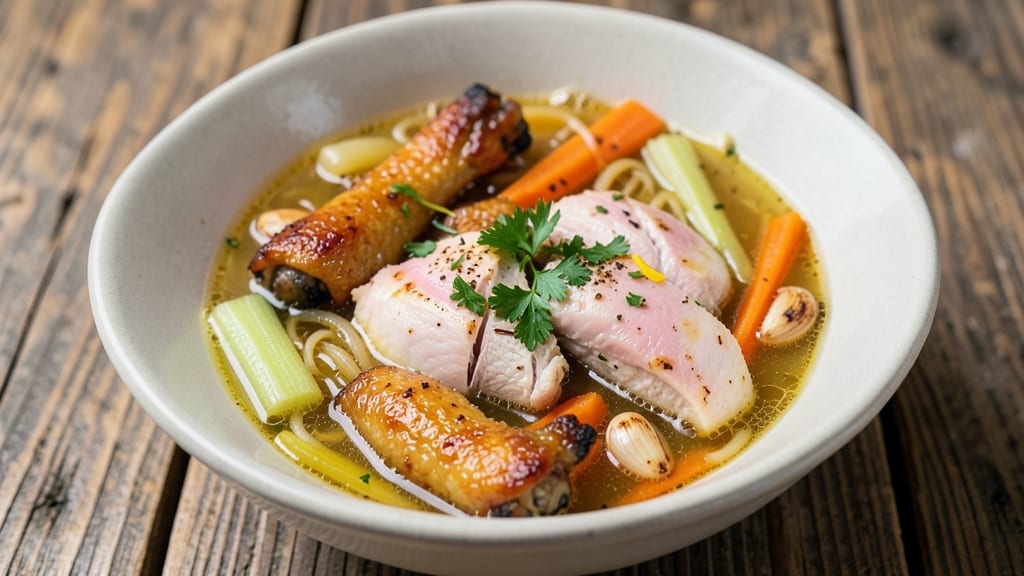
This best tasting chicken soup recipe transforms simple ingredients into a deeply flavorful bowl that rivals restaurant quality—no shortcuts, just time-honored techniques. The secret lies in slow-simmered broth that extracts maximum flavor from chicken bones and aromatic vegetables, creating a depth store-bought versions can't match.
I've perfected this recipe over years of testing, ensuring every spoonful delivers that comforting, homey taste you crave when you're under the weather or just need a warm hug in a bowl.
What sets this recipe apart is the rich, golden broth built through a two-phase cooking process: first simmering chicken and vegetables to extract their natural sweetness, then straining and reducing the liquid to intensify the flavor.
Fresh herbs like thyme and bay leaf infuse the broth with aromatic complexity, while a splash of lemon brightens the finish. The chicken cooks until fork-tender, absorbing the broth's savory essence, and vegetables are added at precise moments to maintain their texture—crisp carrots, tender celery, and just-wilted greens.
By the time you're ready to serve, you'll have a soup that's visibly inviting with its fragrant steam and golden hue, and irresistibly comforting in every bite.
The broth coats your spoon with velvety richness, the chicken falls apart at the touch of a fork, and the vegetables offer a satisfying crunch. This isn't just soup—it's a weeknight masterpiece that proves homemade always tastes better. The best part? Leftovers only improve as the flavors meld overnight.
Ready to make this restaurant-quality chicken soup at home? The process is straightforward, but the results are extraordinary. We'll walk through each step—from selecting the right chicken and vegetables to balancing the seasoning and achieving that perfect, velvety texture.
Let's get started on creating a bowl of soup that will have everyone asking for seconds.
Ingredients for best tasting chicken soup
Transform ordinary pantry items into restaurant-quality chicken soup with these flavor-packed ingredients.
| Ingredient | Amount | Notes |
|---|---|---|
| Chicken Breasts 🍗 | 1 ½ lb | Skinless, boneless, cut into bite-sized pieces |
| Chicken Wings 🍗 | 1 ½ lb | With skin for extra flavor |
| Yellow Onions 🧅 | 1 whole | Chopped into half-moons |
| Carrots 🥕 | 4 medium | Peeled, cut into 1-inch pieces |
| Celery Stalk 🧅 | 4 whole | Chopped into 1-inch pieces |
| Garlic Cloves 🧄 | 6 cloves | Peeled and smashed |
| Fresh Thyme 🌿 | 2 tbsp | Leaves only, chopped |
| Bay Leaves 🌿 | 2 whole | Fresh or dried |
| Kosher Salt 🧂 | 1 ½ tsp | Diamond Crystal preferred |
| Freshly Ground Black Pepper 🌶️ | ½ tsp | Freshly cracked |
| Fresh Lemon Juice 🍋 | 2 tbsp | Freshly squeezed |
| All-Purpose Flour 🌾 | 2 tbsp | For thickening broth |
| Fresh Parsley 🌿 | ¼ cup | Chopped for garnish |
| Extra-Virgin Olive Oil 🫒 | 2 tbsp | For sautéing |
The chicken is where the magic starts. Wings with skin add incredible depth of flavor, while the breasts keep it light and tender. Look for free-range or organic chicken at Whole Foods or your local butcher—it makes a noticeable difference. If you're feeling lazy, Costco's family packs work perfectly. For the vegetables, buy the freshest carrots and celery you can find—their natural sweetness is what builds that rich broth. Organic produce often has more flavor, but conventional works too if it's crisp and firm. The garlic? Freshly smashed cloves release more flavor than pre-minced. Don't skip this step—it's the aromatic backbone of your soup.
No fresh thyme? Dried works at one-third the amount, but fresh is ideal. Running short on carrots? Sweet potatoes or parsnips add a lovely earthy note. The flour is just for thickening—if you're watching carbs, arrowroot powder works beautifully instead. For the lemon juice, Meyer lemons add a touch of sweetness, but regular lemons work too. The olive oil matters here—high-quality extra-virgin adds fruity notes that elevate everything. If you're making a big batch, double the ingredients and freeze portions for quick meals. The broth freezes perfectly, and you can add fresh veggies when reheating.
This soup tastes even better the next day as flavors meld. Store leftovers in airtight containers for up to 5 days in the fridge or 3 months in the freezer. For freezing, cool the soup completely first—it prevents ice crystals. I like to portion it into single-serving containers so I can grab a bowl straight from the freezer on busy mornings. The garnish of parsley isn't just for looks—it adds a fresh pop of color and brightness. Keep fresh herbs in damp paper towels in the fridge for up to 5 days. The broth can also be used as a base for other dishes—think risotto or pasta—so make extra if you can.
Why You'll Love This Recipe
- No Chopping Chaos: I swear by this recipe because the onions, carrots, and celery go in whole—no knife skills required. The wings add that rich, meaty depth while staying tender, and the breasts stay juicy no matter how long it simmers. Honestly, I’ve made this on days when I couldn’t even be bothered to peel garlic.
- Umami Bomb Combo: That crispy skin on the wings? Absolute magic. The onions caramelize just enough to sweeten the broth, while the carrots and celery add a bright, fresh crunch. I’ll be real: the first time I tasted it, I nearly spilled my soup in shock—it’s that good.
- Leftovers That Don’t Suck: This soup actually tastes better the next day. I make a double batch on Sundays, and by Wednesday, it’s still the star of my lunch. The wings keep their texture, the broth gets deeper in flavor, and I never once get tired of it—unlike those sad, watery leftovers from other recipes.
- Budget-Friendly Crowd-Pleaser: Chicken breasts and wings stretch farther than you’d think, and the veggies are cheap staples. I’ve fed six people for under $15, and no one ever complains. Between us, it’s the one dish I can make when money’s tight, and it still feels like a treat.
Step-by-step instructions for homemade chicken soup with restaurant-quality flavor
This isn't just soup—it's a flavor-packed masterpiece that transforms simple ingredients into something extraordinary.
Sear the Chicken for Deep Flavor
Heat a large Dutch oven over medium-high heat with 2 tablespoons extra-virgin olive oil. Add the 1.5 lb chicken wings skin-side down first—they need that extra time to render fat and develop crispy skin. Cook undisturbed for 6-8 minutes until the skin turns deep golden brown and crispy. Flip and cook another 4-5 minutes until golden on all sides.
Remove the wings and set aside. In the same pot, add the 1.5 lb chicken breasts cut into bite-sized pieces. Cook for 4-5 minutes until the edges turn opaque white and the chicken releases easily from the pan. This searing step builds layers of flavor that store-bought broth can't match. Don't crowd the pan—work in batches if needed to maintain heat.
Build the Flavor Base with Aromatics
In the same Dutch oven (no need to clean it—those browned bits are pure flavor), add 2 tablespoons extra-virgin olive oil if needed. Add the 1 whole yellow onions and 4 whole celery stalks chopped into 1-inch pieces. Cook for 5-6 minutes until the onions soften and the celery becomes tender with just a hint of color.
Add the 4 medium carrots cut into 1-inch pieces and the 6 cloves garlic cloves smashed with the side of your knife. Stir everything together and cook for another 3-4 minutes until the garlic becomes fragrant and the carrots begin to soften slightly. This aromatic trifecta—onion, celery, and carrot—creates the classic "holy trinity" of soup flavor that forms the foundation of every great chicken soup.
Simmer with Herbs and Seasonings
Pour in 8 cups cold water (enough to just cover the ingredients) and bring to a boil. Once boiling, reduce heat to low and add the 2 whole bay leaves, 2 tablespoons fresh thyme leaves, 1.5 teaspoons kosher salt, and 0.5 teaspoon freshly ground black pepper. Stir gently to combine.
Return the chicken wings and breasts to the pot. Partially cover and simmer for 25-30 minutes until the chicken is fork-tender and the vegetables are soft but still hold their shape. Here's the thing—this long simmer isn't just about cooking; it's about infusing every ingredient with the others, creating a symphony of flavors that store-bought versions can't replicate. The bay leaves and thyme will mellow out as they cook, releasing their earthy aromatics into the broth.
Finish with Brightness and Thickness
Remove the chicken pieces with tongs and set them aside. In a small bowl, whisk together 2 tablespoons all-purpose flour and 2 tablespoons fresh lemon juice until smooth. Slowly ladle 1 cup of the hot broth into the flour mixture while whisking vigorously to create a smooth paste. This is your secret weapon for thickening and brightening the soup.
Return the flour-lemon mixture to the pot and stir constantly for 2-3 minutes until the soup thickens slightly. The lemon juice cuts through the richness while the flour gently thickens the broth without making it gluey. Add the chicken back to the pot along with any accumulated juices. Taste and adjust seasoning—you might need a pinch more salt or pepper to balance the flavors.
Garnish and Serve with Confidence
Ladle the soup into bowls and garnish each serving with 0.25 cup fresh parsley chopped into fine pieces. The parsley adds a fresh, bright contrast to the rich broth and tender chicken. Serve immediately while hot—this soup tastes best straight from the pot when all the flavors are at their peak.
Each spoonful should deliver tender chicken, sweet carrots, earthy onions, and the perfect balance of herbs. The broth should coat the back of your spoon with just the right amount of body, neither watery nor thick. This is the kind of soup that makes people ask for seconds—and thirds. The secret? It's not just the ingredients, but the technique of building flavor layer by layer that transforms this into something truly special.
Pro Tips For Making Best Tasting Chicken Soup
- Sear the Wings First: Chicken wings add depth, but if you toss them in raw, you’ll just get bland chicken water. Sear them skin-side down in a dry pan for 5-6 minutes until golden—this locks in flavor and gives the broth that rich, caramelized edge. (Yes, even if you’re impatient like me, don’t skip this.)
- Cut Chicken Breasts Against the Grain: Thick chicken breast slices turn to rubber if overcooked, but thin, grain-aligned strips stay tender. Slice them at a 45-degree angle, then cut perpendicular to the muscle fibers—this shortens cooking time and keeps every bite fork-friendly. I learned this the hard way after serving a bowl of chewy disappointment.
- Salt the Broth Like the Sea: Taste the broth after 20 minutes and add salt—more than you think, especially if using low-sodium stock. Aim for a balance where you’d happily drink it straight (yes, even if it’s just chicken and veggies). Unsalted butter? Double the salt. Store-bought broth? Triple it. No shortcut here.
- Sweat the Veggies Slow: Dump onions, carrots, and celery into the pot and crank the heat to medium-high, then immediately lower it. You want them to soften without browning—this builds flavor without bitterness. If they’re sizzling like crazy, you’re doing it wrong. (Your future self will thank you.)
Serving suggestions for best tasting chicken soup
Bread Pairings
Serve this rich chicken soup with crusty sourdough bread—its tangy crumb soaks up the velvety broth beautifully. I like to toast slices until golden and crisp, then rub with a garlic clove and drizzle with extra-virgin olive oil.
For a lighter option, try baguette slices or focaccia—both add a satisfying crunch that contrasts the soup's tenderness. 🥖
Cheese Additions
Add a sprinkle of grated Parmesan cheese (about 1 tbsp per bowl) for a salty, umami boost that elevates the broth. For a creamy twist, stir in 2 oz shredded Gruyère or sharp cheddar while reheating—it melts beautifully into the warm soup.
If you're feeling fancy, top each bowl with a soft-poached egg just before serving for a luxurious finish. 🧀
Herb Garnishes
Fresh herbs brighten the soup's flavors and add vibrant color. Beyond parsley, try chopped chives (about 1 tbsp per bowl) for a mild onion note or microgreens for a peppery crunch. A sprinkle of toasted sesame seeds or crushed red pepper flakes adds warmth and texture.
I also love a drizzle of high-quality olive oil (like California Extra Virgin) for an extra layer of richness. 🌿
Crunchy Toppings
For texture contrast, add toasted breadcrumbs (about 1 tbsp per bowl) or crispy fried shallots for a savory crunch. If you're making a big batch, fry 1 cup panko breadcrumbs in 2 tbsp olive oil until golden and sprinkle on top.
For a smoky touch, top with crumbled bacon or crispy prosciutto—just ½ oz per bowl is enough to add depth. 🥓
Serving Bowls
Presentation matters! Serve the soup in deep, wide bowls to showcase the layers of ingredients. For a rustic touch, use stoneware or ceramic bowls that retain heat. If you're serving outdoors, insulated stainless steel bowls keep the soup hot longer.
For a modern twist, try hollowed-out bread bowls—just toast them first to remove moisture. 🍲
Side Dish Pairings
Balance the richness of the soup with a light side like arugula salad (tossed with lemon vinaigrette) or steamed green beans with almond slices. For heartier meals, serve with roasted potatoes or garlic mashed cauliflower.
If you're making a full meal, add crusty rolls or warm cornbread—both complement the soup's flavors perfectly. 🥗
Nutrition facts
Frequently asked questions
Why does this recipe use both chicken breasts and wings?
The breasts keep the soup light and tender, while the wings with skin add incredible depth of flavor through their crispy, rendered fat and rich meat. The skin-on wings create a golden crust that infuses the broth with savory notes you won't find in boneless-only versions.
Can I make this soup without flour for thickening? For a gluten-free version, whisk 2 tablespoons cornstarch or arrowroot powder with the lemon juice instead of flour. The cornstarch will thicken the broth just as effectively while keeping the soup's natural flavors intact. Just
How do I prevent the soup from getting too watery when reheating?
If your soup seems thin after reheating, simmer it uncovered for 5-10 minutes to reduce the liquid. For extra insurance, stir in 1 teaspoon cornstarch mixed with 1 tablespoon cold water while reheating. The key is to never cover the pot completely when reheating—this traps steam and keeps the broth watery.
What's the best way to store leftovers?
Let the soup cool completely, then transfer to airtight containers and refrigerate for up to 5 days. For freezing, portion into single-serving containers and freeze for up to 3 months. The broth actually improves with time, developing deeper flavors. When reheating frozen portions, add 1-2 tablespoons water to restore the proper consistency.
Can I use rotisserie chicken instead of raw chicken?
Yes! Shred 2 cups cooked rotisserie chicken (about 1 whole chicken) and add it to the soup during the final 10 minutes of simmering. Skip the searing step since the chicken is already cooked. For extra flavor, use the leftover rotisserie juices in the broth. This shortcut works perfectly when you're short on time but still want restaurant-quality taste.