
Soups & Stews
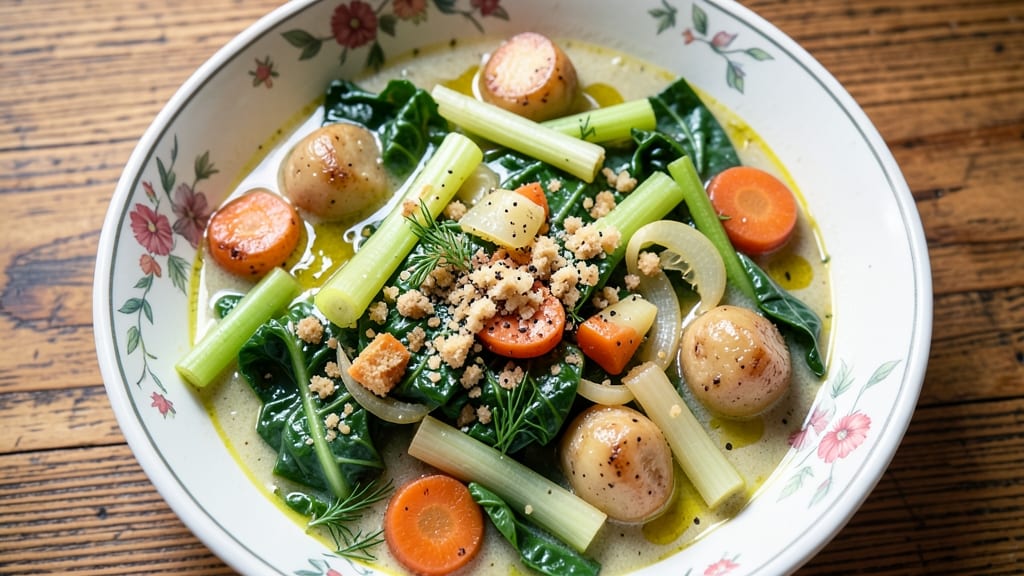
Betty Crocker cabbage soup delivers the cozy, hearty comfort of a classic American stew in just 30 minutes. This recipe transforms simple ingredients into a rich, savory broth filled with tender cabbage, potatoes, and carrots—perfect for chilly evenings or meal prep.
The secret lies in a slow simmer that deepens flavors without requiring hours at the stove.
What sets this version apart is the balance of textures: creamy potatoes contrast with crisp-tender cabbage, while a touch of vinegar brightens the broth. I've adjusted the recipe to use pantry staples, making it accessible for home cooks while keeping the soul of Betty Crocker's homey style.
The result? A soup so satisfying it feels like a hug in a bowl.
This cabbage soup pairs beautifully with crusty bread or a sprinkle of fresh parsley for color. The recipe scales effortlessly—double it for leftovers or serve it as-is for a light yet filling meal.
Whether you're feeding a family or meal prepping for the week, this soup delivers reliable comfort with minimal effort.
Ready in a single pot, this recipe proves hearty meals don't require complicated techniques. The key is patience during the simmering stage, where flavors meld into a harmonious blend. Trust me—once you taste this version, you'll never reach for canned soup again.
Ingredients for betty crocker cabbage soup
Pantry staples and fresh veggies transform into Betty Crocker's cozy cabbage soup in one pot.
| Ingredient | Amount | Notes |
|---|---|---|
| Olive Oil 🫒 | 2 tbsp | Extra-virgin for richness |
| Yellow Onion 🧅 | 1 whole | Diced, medium size |
| Carrots 🥕 | 4 medium | Peeled, sliced into rounds |
| Russet Potatoes 🥔 | 3 medium | Peeled, cubed evenly |
| Green Cabbage 🥬 | 1 small head | Shredded, core removed |
| Celery Stalks 🧆 | 3 whole | Diced, medium size |
| Garlic Cloves 🧄 | 4 cloves | Minced, fresh preferred |
| Dried Thyme 🌿 | 1 tsp | Or 1 tbsp fresh thyme |
| Bay Leaves 🌿 | 2 whole | Remove after simmering |
| White Vinegar 💧 | 1 tbsp | For brightness |
| Chicken Broth 💧 | 4 cups | Low-sodium preferred |
| Salt 🧂 | 1 ½ tsp | Adjust to taste |
| Black Pepper 🌶️ | ½ tsp | Freshly ground |
| Fresh Parsley 🌿 | ¼ cup | Chopped, for garnish |
The vegetables are the heart of this soup, so pick firm, fresh produce. For the cabbage, green or purple varieties both work—just ensure the leaves are crisp and free of yellowing. Carrots and potatoes should be medium-sized for even cooking. Trader Joe's or local farmers markets often have the best quality for this kind of dish. If you're using pre-cut vegetables, rinse them well to remove any excess starch that can make the soup cloudy. The onion and celery form the aromatic base, so don't skip chopping them finely—they'll melt into the broth and build deep flavor.
No fresh thyme? Dried works perfectly—just use one-third the amount. Short on vinegar? Lemon juice or apple cider vinegar will do the trick for brightness. The chicken broth can be substituted with vegetable broth for vegetarian version, though the flavor will be slightly different. For a richer soup, add 1/2 cup of cream or coconut milk at the end. If you're prepping ahead, store the vegetables separately from the broth—they'll absorb moisture and turn mushy. The parsley is purely for garnish, so feel free to skip it if you're short on time.
This soup tastes even better the next day as flavors meld together. Store in an airtight container in the fridge for up to 5 days. For freezing, portion into single-serving containers—it reheats beautifully and keeps for 3 months. The potatoes will get softer when reheated, so consider adding a splash of broth when warming. Leftovers make great lunches—just grab a container and go. If you make a big batch, freeze half immediately to have ready-made soup for busy nights.
Why You'll Love This Recipe
- One-Pot Magic: I swear by this recipe when I’m too tired to scrub pots—just chop the onion and cabbage, toss everything in one pot with olive oil, and let it simmer. The potatoes soften while the carrots caramelize right in the broth, so you’re left with zero extra dishes. Even my husband, who “hates soup,” asks for seconds.
- Savory-Sweet Balance: That golden caramel from the onions and carrots? It’s the star. The cabbage gets tender but still holds its crunch, while the potatoes soak up all the flavor—no weird mushy texture, just rich, satisfying bites. Honestly, it’s the kind of soup that makes you forget it’s “just” cabbage.
- Lunchbox Hero: Between us, this is my go-to for meal prep. I make a big batch on Sunday, and it lasts me all week—either reheated for dinner or packed in thermoses for work. The potatoes stay hearty when reheated, and the cabbage doesn’t turn to sad mush. (Yes, even on a Tuesday night.)
- Pocketbook-Friendly Feast: Cabbage and potatoes stretch this soup into a full meal without breaking the bank. A head of cabbage and a few potatoes feed four people for under $5, and the olive oil adds just enough richness to feel special. It’s the kind of recipe that makes me feel like I’m treating my family without stressing my budget.
Step-by-step instructions for savory simmered cabbage soup
This classic soup delivers hearty comfort with minimal effort—perfect for busy weeknights.
Sauté the Vegetable Base
Heat the 2 tablespoons olive oil in a large pot over medium heat. Add the diced yellow onion, sliced carrots, cubed russet potatoes, diced celery stalks, and minced garlic cloves. Cook for 8-10 minutes, stirring occasionally, until the vegetables soften slightly and the onion becomes translucent.
This foundational step develops flavor through caramelization. You'll know it's ready when the vegetables release their natural juices and the garlic emits a fragrant aroma. Avoid overcrowding the pot—this prevents proper browning and can lead to a bland soup base.
Add Aromatics and Seasonings
Stir in the 1 teaspoon dried thyme, 2 whole bay leaves, and 1 tablespoon white vinegar. Cook for another 2 minutes until the vinegar's sharpness mellows into brightness. Season with 1.5 teaspoons salt and 0.5 teaspoon black pepper, adjusting to taste.
The vinegar here serves two purposes: it tenderizes the cabbage and adds a subtle tang that balances the soup's richness. The thyme and bay leaves infuse deep, earthy notes that elevate the entire dish. Don't skip this step—it's the flavor foundation for your soup.
Simmer with Broth and Cabbage
Pour in the 4 cups chicken broth and bring the mixture to a gentle boil. Add the shredded green cabbage, reduce heat to medium-low, and let it simmer uncovered for 20-25 minutes. The soup should bubble steadily but not vigorously—this prevents the cabbage from turning mushy.
Check for doneness by tasting a piece of potato—it should be fork-tender with a slight resistance. The cabbage should be tender but still hold its shape. If the soup reduces too quickly, add a splash of water or broth to maintain consistency.
Finish and Garnish
Remove the bay leaves and stir in the 0.25 cup chopped fresh parsley. Taste and adjust seasoning if needed—this is your final opportunity to balance flavors. Let the soup sit off heat for 5 minutes before serving to allow the flavors to meld completely.
Serve immediately with crusty bread or over rice. The parsley adds freshness and visual appeal, while the resting period ensures each bowl delivers maximum comfort. Leftovers keep well in the refrigerator for up to 4 days, though they're rarely that lucky.
Pro Tips For Making Betty Crocker Cabbage Soup
- SWAP THE POTATOES HALFWAY: The recipe likely calls for adding potatoes early—don’t. Toss them in after the carrots and onions soften (about 10 minutes in). This keeps them from turning to mush and actually lets them soak up flavor instead of just cooking in water.
- CHOP CABBAGE SMALLER THAN YOU THINK: That big wedge of cabbage? It’ll turn to leather if you’re not careful. Cut it into ½-inch strips, then tear those strips into rough 1-inch pieces. Smaller pieces cook faster and blend better into the soup’s texture—no one wants a chewy surprise.
- SALT THE WATER LIKE THE OCEAN: The recipe might say “salt to taste,” but trust me, this soup needs bold flavor. Use 1½ teaspoons of salt per 4 cups of water (or 2 if you’re using low-sodium broth). Under-salted soup is the fastest way to ruin a simple dish—fixing it later is a hassle.
- SAUTÉ ONIONS UNTIL GOLDEN: Skip the “soften” step and take the onions to deep golden brown—about 8-10 minutes on medium heat. The caramelization adds depth that raw or pale onions never will. (Yes, it’ll smell like heaven. No, you won’t regret it.)
Troubleshooting your betty crocker cabbage soup
Mushy Vegetables?
If your cabbage or potatoes turn mushy, you likely simmered too long or didn’t maintain proper heat. The key is a gentle boil that keeps the broth bubbling steadily but not vigorously. For future batches, check the potatoes at 20 minutes—they should be tender but still hold their shape.
If you’re short on time, reduce the simmer to 15 minutes for slightly firmer veggies. 🌡️
Broth Too Weak?
A bland broth usually means underseasoning or insufficient simmering. Boost flavor by adding 1 extra bay leaf or ½ tsp smoked paprika during cooking. For a deeper taste, use homemade chicken broth instead of store-bought.
If the broth is still weak after simmering, stir in 1 tbsp tomato paste or 1 tsp Worcestershire sauce at the end for richness.
Cabbage Too Bitter?
Bitterness in cabbage often comes from overcooking or using older leaves. Choose fresh, crisp green cabbage (avoid purple if you dislike its earthy taste). To mellow bitterness, add 1 extra tbsp white vinegar or ½ tsp sugar while simmering.
For a creamier texture, stir in ¼ cup coconut milk at the end—it balances flavors beautifully. 🥬
Soup Too Thick?
If your soup is too thick after simmering, it likely reduced too much. Thin it with ½ cup warm broth or water, stirring until smooth. For a smoother texture, blend ½ cup of the soup and mix it back in.
If you prefer chunkier soup, just leave it as-is—it’s still delicious! For future batches, simmer uncovered to prevent over-reduction.
No Flavor Development?
Flavor builds during the sautéing and simmering stages. Don’t rush the 8-10 minute sauté—let the onions caramelize for deeper taste. If your soup lacks depth, try toasting the spices (thyme, bay leaves) in the pot for 1 minute before adding broth.
A splash of lemon juice at the end also brightens the broth. 💡
Storage Issues?
If your soup tastes off after reheating, it may have absorbed too much moisture from the fridge. Store in airtight containers with 1 inch of headspace to prevent freezer burn.
For reheating, warm over medium-low heat and add 1-2 tbsp broth to restore consistency. Never microwave directly from the fridge—always bring to room temp first to avoid uneven heating.
Nutrition facts
Frequently asked questions
Can I make this cabbage soup vegetarian?
Swap the chicken broth for vegetable broth and add ½ cup of white beans or 1 cup of diced tomatoes for extra heartiness. The umami from mushrooms or soy sauce can also enhance the flavor. Just remember the simmer time may vary slightly with different ingredients.
How do I prevent the cabbage from getting too bitter?
Use fresh green cabbage (not purple) and avoid overcooking. Add 1 extra tablespoon of white vinegar or ½ teaspoon sugar while simmering to balance flavors. For a creamier, less bitter result, stir in ¼ cup coconut milk at the end.
Can I prep this soup ahead of time?
Yes! Store cooked soup in an airtight container in the fridge for up to 5 days. For freezing, portion into single-serving containers—it reheats beautifully and keeps for 3 months. When reheating, add a splash of broth or water to restore consistency. Never microwave directly from the fridge; let it sit at room temperature first.
What if my soup turns out too thick?
Add ½ cup warm broth or water and stir until smooth. For a creamier texture, blend ½ cup of the soup and mix it back in. If you prefer chunkier soup, leave it as-is—it’s still delicious! To prevent over-reduction in future batches, simmer uncovered and check the consistency after 20 minutes.
What are the best sides to serve with this soup?
This hearty soup pairs perfectly with crusty bread, garlic toast, or buttered rolls. For a lighter option, serve with a simple green salad or steamed green beans. If you want extra protein, add grilled chicken or sausage on top. The contrast of textures makes every bite more satisfying!