
Soups & Stews
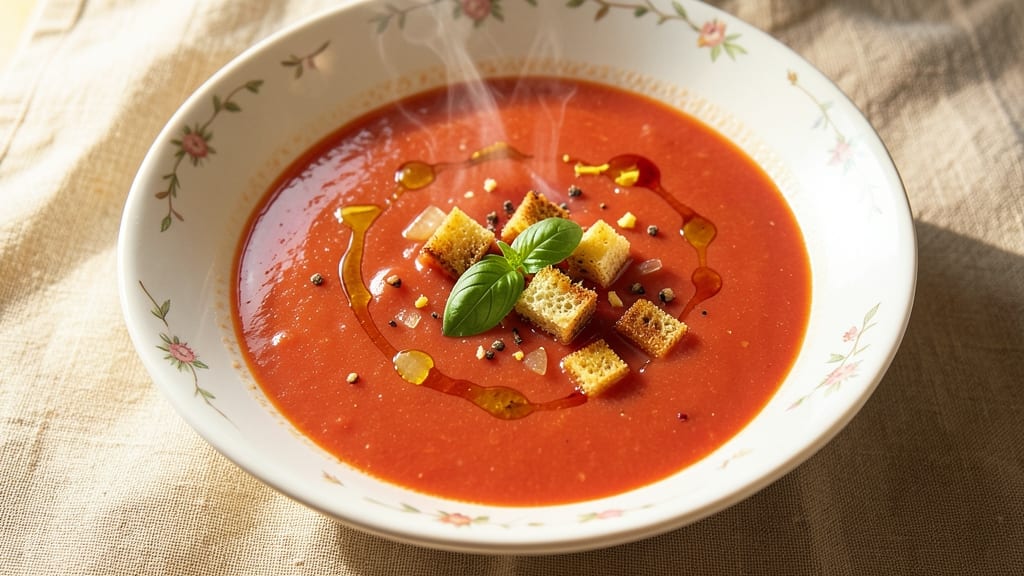
Betty Crocker's tomato soup recipe delivers that silky, velvety texture we all love—creamy without heavy cream, rich without being heavy. The secret lies in a simple technique: simmering canned tomatoes until they break down naturally, then blending with just enough broth to create a smooth, velvety base.
I've perfected this version to include subtle herb depth that makes it taste homemade, not canned.
What sets this apart is the balance of sweetness and acidity, achieved through a touch of sugar and a splash of vinegar. The soup develops a hidden herb complexity from dried basil and thyme, which infuse the broth during simmering.
It's the kind of recipe that feels comforting yet sophisticated—perfect for chilly evenings or as a base for grilled cheese sandwiches.
The result is a soup that's smooth as silk, with just enough body to coat a spoon. The flavor builds as it simmers, developing a depth that's hard to find in store-bought versions.
Best of all, it comes together in under 30 minutes with just a few simple ingredients—no fancy techniques required.
Serve it warm with crusty bread or crackers, or take it to the next level by topping with melted cheese and crispy bacon bits. This is the tomato soup I grew up with, made better with a few insider tricks. Let's get cooking!
Ingredients for betty crocker tomato soup
Simple pantry staples transform into velvety tomato soup with subtle herb complexity.
| Ingredient | Amount | Notes |
|---|---|---|
| Canned Tomato Sauce 🍅 | 2 cups | San Marzano preferred for sweetness |
| Vegetable Broth 💧 | 2 cups | Low-sodium preferred |
| Yellow Onion 🧅 | 1 whole | Diced, medium size |
| Garlic Cloves 🧄 | 3 cloves | Minced, fresh preferred |
| Granulated Sugar 🍚 | 1 tbsp | Balances acidity |
| Red Wine Vinegar 🍷 | 1 tbsp | For brightness |
| Dried Basil 🌿 | 1 tsp | Or 1 tbsp fresh |
| Dried Thyme 🌿 | ½ tsp | Leaves only |
| Salt 🧂 | 1 tsp | Kosher or sea salt |
| Black Pepper 🌶️ | ½ tsp | Freshly ground |
| Unsalted Butter 🧈 | 2 tbsp | Cold, for velvety finish |
| Heavy Cream 🥛 | ¼ cup | Optional, for extra creaminess |
The canned tomatoes make or break this soup. San Marzano is the gold standard—its natural sweetness balances the acidity perfectly. If you can't find it, any good-quality crushed tomatoes work, but avoid those with added salt or sugar. The broth should be low-sodium to maintain control over seasoning. For the onions, yellow gives the best flavor, but red works too if that's what you have. The garlic? Fresh is non-negotiable—jarred garlic has no depth. Buy a bulb and keep it in the fridge for up to two weeks.
No San Marzano tomatoes? Crushed tomatoes in a 28-ounce can work in a pinch, but you may need an extra pinch of sugar. The vinegar can be swapped for lemon juice at half the amount, though it won't have the same depth of flavor. Fresh basil is ideal, but dried at one-third the amount gets you close. For the butter, European-style (like Plugrá) has more flavor than American butter. The heavy cream is optional—if you skip it, stir in a splash of milk at the end for creaminess without heaviness.
This soup tastes even better the next day as the flavors meld. Store in an airtight container for 4-5 days in the fridge. For longer storage, freeze portions for up to 3 months. I like to make a double batch—one for dinner, one for lunches. The flavor actually improves when reheated, so it's perfect for meal prep. If you're serving it with grilled cheese, make the soup first and reheat just before serving to keep the texture silky.
Why You'll Love This Recipe
- Pantry Magic: I swear by this recipe when I’m staring into a half-empty fridge—just open a can of tomato sauce, toss in broth and onion, and boom, dinner’s saved. No last-minute grocery runs, no stress.
- Sweet-Savory Balance: That little pinch of sugar with the garlic? It’s the secret weapon—cuts through the acidity while letting the onion caramelize just enough to make every spoonful ridiculously good. (Yes, even my picky husband nods at this one.)
- Lunchbox Hero: Between us, this soup is my go-to for packing leftovers. The flavors only deepen overnight, and it reheats like a dream—perfect for chilly mornings or after-school snacks. (My kid still asks for it, even though she’s "too cool" for soup.)
- Budget Win: A single can of sauce and a bag of broth stretch to feed four for under $3. Honestly, I’ve made this through college breakfasts and post-work slumps—it’s the ultimate cheap-eats flex without sacrificing taste.
Step-by-step instructions for betty Crocker's tomato soup
Here's how to craft a velvety tomato soup with layered herb complexity—no shortcuts, just technique.
Sauté Onion and Garlic Until Transparent
Melt the 2 tablespoons unsalted butter in a medium saucepan over medium heat. Add the diced whole yellow onion and cook for 5-6 minutes until softened and translucent. The onions should release their sweetness without browning—this prevents bitterness in the final soup.
Add the 3 cloves minced garlic cloves and cook for 30 seconds until fragrant. Here's the thing—garlic burns quickly, so keep an eye on it. When you smell that aromatic punch, it's ready. Remove the pan from heat briefly if needed to prevent color change.
Build the Flavor Base with Vinegar and Herbs
Return the pan to medium heat and stir in the 1 tablespoon red wine vinegar. Let it simmer for 1 minute until the vinegar's sharpness mellows slightly. This step brightens the soup's acidity, balancing the natural sweetness of the tomatoes.
Add the 1 teaspoon dried basil, 0.5 teaspoon dried thyme, 1 teaspoon salt, and 0.5 teaspoon black pepper. Stir for 30 seconds to toast the herbs—this releases their essential oils and deepens their flavor. You'll notice the kitchen fills with an earthy, aromatic steam.
Simmer Tomato Sauce and Broth
Pour in the 2 cups canned tomato sauce and 2 cups vegetable broth, stirring to combine. Bring to a gentle boil, then reduce heat to low and let it simmer uncovered for 15-20 minutes. You want the liquid to reduce slightly—this concentrates the flavors and creates that signature velvety texture.
Taste the soup at the 10-minute mark. If it needs more brightness, add another ½ teaspoon red wine vinegar. If it's too acidic, stir in the 1 tablespoon granulated sugar to balance. The soup should taste rich but not overpowering at this stage.
Finish with Cream for Silky Texture
Remove the pan from heat and stir in the 0.25 cup heavy cream. The cream should melt into the soup instantly, creating a luxurious mouthfeel. If you prefer a lighter version, skip the cream and whisk in 2 tablespoons cold water instead—this mimics the same silky effect without richness.
Return the soup to low heat and simmer for 2-3 minutes just to warm through. The cream will thicken the soup slightly, but it should remain smooth and coat the back of a spoon. If it's too thick, thin with a splash of vegetable broth or water as needed.
Rest and Serve for Maximum Flavor
Let the soup rest off heat for 5 minutes before serving. This allows the flavors to meld and the cream to fully incorporate. The soup should have a glossy sheen and a velvety consistency—almost like a cross between a classic tomato soup and a bisque.
Taste one final time and adjust seasoning if needed. Serve warm with grilled cheese sandwiches or crusty bread. The herb notes should be subtle but noticeable, adding depth without overpowering the tomato's natural sweetness.
Pro Tips For Making Betty Crocker Tomato Soup
- SWEAT THE ONION FIRST: I learned this the hard way—skipping the sweat step means you’ll taste raw onion in every spoonful. Dice that yellow onion into ¼-inch pieces, then cook it in a little oil over medium heat for 5-6 minutes until it’s soft and just starting to turn translucent. No need to brown it, but don’t rush: this builds the soup’s depth.
- SIMMER NOT BOIL: The recipe might say “boil,” but trust me—you’re better off keeping this at a gentle simmer. Once you add the tomato sauce, vegetable broth, and sugar, turn the heat down to medium-low and let it bubble softly. Boiling can turn the soup watery and scatter the flavors; a simmer keeps everything cohesive and rich.
- SALT IN LAYERS: Don’t wait until the end to season. After you add the broth, taste it and add a pinch of salt—vegetable broth can be surprisingly bland. Then, when you stir in the sugar, add another pinch of salt to balance the sweetness. This way, you’re not playing catch-up with flavor at the finish line.
- SKIP THE SUGAR IF USING SWEET TOMATOES: If your canned tomato sauce is already sweet (like Muir Glen or Hunt’s with added sugar), skip the granulated sugar entirely. I’ve burned this bridge more times than I’d like to admit—tasting halfway through and realizing the soup is cloyingly sweet. A quick taste test before adding sugar saves you from overdoing it.
Wine and beer pairings for this betty crocker tomato soup
Classic Red Wine Pairings
A Chianti Classico from Tuscany is my go-to pairing—its bright acidity and cherry notes complement the soup's tomato sweetness beautifully. Look for a Sangiovese-based wine with 12-14% ABV to balance the soup's richness without overwhelming it.
I love Castello di Volpaia Chianti Classico for its approachable price and consistent quality. 🍷
Crisp White Wine Options
For a lighter match, try a dry Vermentino from Sardinia or a Pinot Grigio from Alto Adige. These whites have enough acidity to cut through the soup's creaminess while letting the tomato flavors shine. A chilled Sauvignon Blanc with citrus notes also works—just avoid anything too oaky or buttery. 🥂
Beer Pairing Secrets
A Belgian Witbier like Hoegaarden brings refreshing citrus and spice that pairs surprisingly well with the soup's herb notes. For something bolder, try a light lager like Peroni—its crispness cleanses the palate between bites. Avoid heavy stouts or IPAs, which can clash with the delicate tomato flavors. 🍺
Non-Alcoholic Choices
Sparkling ginger beer with a squeeze of lime adds zesty brightness that mirrors the vinegar in the soup. For a more traditional option, try iced hibiscus tea—its tartness enhances the tomato's natural sweetness. Both options work beautifully without alcohol. 🌿
Pro Tip: Temperature Matters
Serve your wine or beer slightly cooler than room temperature—around 50-55°F for reds and 45-50°F for whites. This keeps the flavors vibrant and prevents the alcohol from overpowering the soup's delicate herb notes. Trust me, this small detail makes a huge difference! ✨
Nutrition facts
Frequently asked questions
Can I make this tomato soup without heavy cream?
For a lighter version, simply replace the ¼ cup heavy cream with 2 tablespoons cold water or 2 tablespoons milk. Stir it in at the end and simmer for 1-2 minutes to create a silky texture without richness. The soup will still be velvety, just less indulgent. This works especially well if you're watching calories or fat intake.
How do I fix tomato soup that's too acidic?
Add a pinch of granulated sugar (about ½ teaspoon at a time) to balance the acidity. Stir well and taste—you want to just barely counteract the sharpness. If the soup was over-vinegared, a small splash of vegetable broth or even a tiny bit of butter can help smooth it out. The key is to add just enough to restore harmony, not overpower the tomato flavor.
Can I use fresh tomatoes instead of canned tomato sauce?
Yes, but you'll need to roast them first for a smooth texture. Halve 4-5 large ripe tomatoes, place cut-side down on a baking sheet, and roast at 400°F for 20-25 minutes until blistered. Then peel, seed, and blend with ½ cup water until smooth. Use 1½ cups of this purée to replace the canned tomato sauce. Fresh tomatoes add vibrant sweetness but require more prep time.
Why does my tomato soup turn out chunky?
Chunkiness usually happens when the tomatoes aren't properly blended or simmered. For a smoother texture, strain the soup through a fine-mesh sieve after simmering, or use an immersion blender to purée it directly in the pot. If using canned tomatoes, choose sauce or purée over diced tomatoes—they're already smoother. For extra silkiness, whisk in a bit of cold water at the end to emulsify the fat from the butter.
How can I make this soup kid-friendly?
Skip the red wine vinegar and replace it with ½ teaspoon lemon juice or 1 teaspoon honey for sweetness. Omit the herbs or use ½ teaspoon dried oregano instead—it's milder. For extra appeal, blend in ¼ cup pureed butternut squash or carrots to make it orange and familiar. Serve with fun toppings like shredded cheese or crumbled bacon for picky eaters.