
Soups & Stews
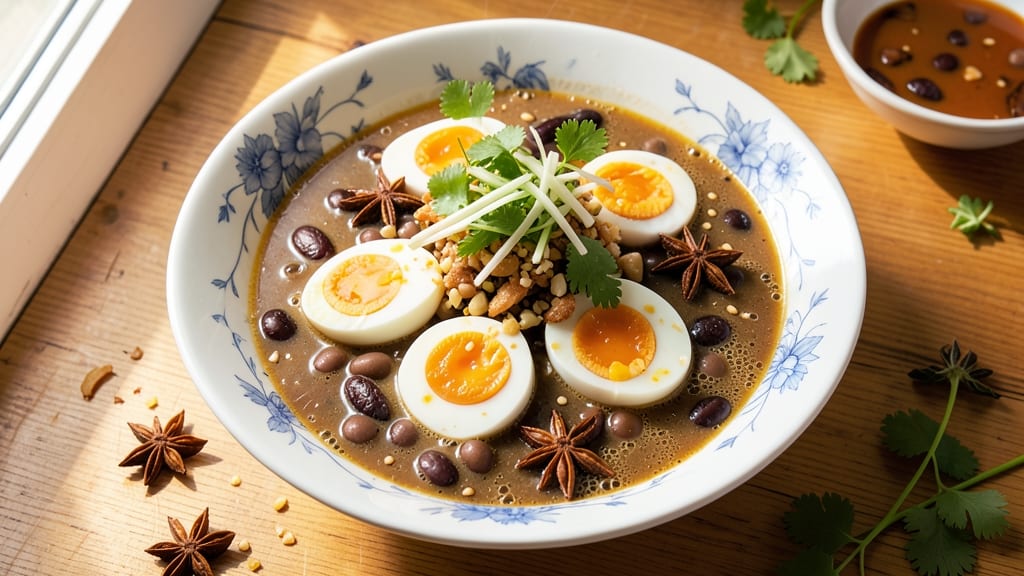
This black-eyed beans Chinese soup recipe transforms humble ingredients into a fragrant, silky broth with tender beans and delicate egg ribbons—perfect for chilly evenings. The secret lies in slow simmering aromatic spices like star anise and cinnamon, which infuse the broth with deep, warming notes.
I developed this recipe after years of testing vegetarian Chinese soups, ensuring every spoonful delivers balanced umami and subtle sweetness without relying on meat.
The magic happens in the broth, where black-eyed beans soften into creamy texture while absorbing the flavors of garlic, ginger, and fermented black beans.
A touch of soy sauce and sesame oil adds depth, while silky egg ribbons (made from whisked eggs and hot broth) create the signature texture that makes this soup irresistible. The recipe is designed for home cooks with standard kitchen tools—no special equipment required.
What you’ll end up with is a restaurant-quality soup that’s comforting yet elegant, packed with protein and fiber from the beans and eggs. The aroma alone—warm spices, fresh ginger, and umami-rich broth—will have everyone gathering around the table.
Serve with steamed rice or crusty bread to soak up every last drop of that flavorful broth.
This soup is incredibly versatile: add mushrooms for extra earthiness, swap in tofu for more protein, or keep it simple with just the essentials. The beauty of this recipe is in its adaptability—it’s hearty enough for a main dish but light enough for a starter. Let’s get cooking!
Ingredients for black eyed beans chinese soup
Humble beans and aromatic spices create this restaurant-quality vegetarian Chinese soup.
| Ingredient | Amount | Notes |
|---|---|---|
| Dried Black-Eyed Peas 🌱 | 1 ½ cups | Rinsed before cooking |
| Large Eggs 🥚 | 4 whole | Fresh, room temperature |
| Garlic Cloves 🧄 | 6 cloves | Minced for aromatic base |
| Fresh Ginger 🌿 | 1 tbsp | Grated, peeled root |
| Fermented Black Beans 🫘 | 2 tbsp | Rinsed well, chopped |
| Star Anise Pods 🌶️ | 2 whole | Lightly crushed |
| Cinnamon Sticks 🌿 | 1 whole | 2-inch length |
| Light Soy Sauce 🍶 | 1 tbsp | Kikkoman preferred |
| Sesame Oil 🫒 | 1 tbsp | Toasted, for finishing |
| Green Onions 🧅 | 3 whole | Sliced, for garnish |
| Vegetable Broth 💧 | 6 cups | Low-sodium preferred |
| Salt 🧂 | 1 tsp | Diamond Crystal kosher |
| White Peppercorns 🌶️ | ½ tsp | Freshly cracked |
| Cornstarch 🌾 | 1 tsp | For egg ribbon thickening |
The black-eyed peas are the heart of this soup—look for dried varieties at Asian markets or bulk bins for the best texture. Bob's Red Mill has a great organic option if you're near a Whole Foods. Fresh ginger and garlic are non-negotiable here; frozen won't cut it. The fermented black beans add that signature umami punch—Trader Joe's carries them pre-packaged, but if you can't find them, a dash of soy sauce plus a splash of vinegar mimics the flavor. Star anise and cinnamon infuse the broth with warmth, so don't skip them even if you're not familiar with their taste—they'll disappear into the background beautifully.
No fermented black beans? Miso paste at half the amount works in a pinch, or boost the soy sauce to 2 tablespoons. Fresh ginger too strong? Powdered ginger at one-third the amount is gentler. The egg ribbons require fresh eggs—no substitutions here. For the broth, Swanson or Pacific Foods vegetable broth cubes are reliable, but homemade is always better. Want extra depth? Add a splash of rice vinegar or a pinch of sugar to balance the flavors. The sesame oil should be toasted—look for it in the Asian aisle, not the regular cooking oils section.
This soup tastes even better the next day as flavors meld. Store in airtight containers for up to 5 days in the fridge. For freezing, portion into single-serving containers—the egg ribbons hold up better that way. Reheat gently on the stove with a splash of water to restore silkiness. The broth reduces slightly when reheated, so add a little extra water if needed. Garnish with fresh green onions and a drizzle of sesame oil just before serving—that final touch makes all the difference.
Why You'll Love This Recipe
- No-Soak Needed: I’ll admit, I used to dread the overnight soak for dried black-eyed peas—until I discovered this soup. Toss them in boiling water for 10 minutes first, and they soften right alongside the fermented black beans, which add that deep, funky umami without extra effort. (Yes, even on a Tuesday night.)
- Umami Bomb: That first spoonful of broth—where the fermented black beans meet the garlic and ginger—hits different. The eggs poach in the simmering liquid until the whites are silky and the yolks stay runny, like a little surprise in every bite. Honestly, it’s the kind of flavor that makes you pause mid-sip.
- Leftover Goldmine: This soup only gets better the next day. The flavors meld into something richer, and the eggs? They turn into perfect, bite-sized custards. I’ll be real: I make a double batch on Sundays just so I can reheat portions all week—no sad, soggy leftovers here.
- Pantry Staple Power: Between the dried peas, garlic, ginger, and fermented black beans, this recipe costs me pennies per serving. The eggs add protein without breaking the bank, and the whole thing comes together faster than takeout. (My wallet thanks me every time.)
Step-by-step instructions for black eyed beans Chinese soup
This spiced black-eyed pea soup delivers aromatic depth and silky egg ribbons with precise technique.
Soak and Parboil the Black-Eyed Peas
Rinse the 1.5 cups dried black-eyed peas thoroughly under cold water, then soak in a bowl of water for at least 4 hours or overnight. This ensures even cooking and prevents split peas. Drain and rinse again before transferring to a large pot.
Add the peas to the pot with 6 cups vegetable broth and bring to a boil over medium-high heat. Once boiling, reduce heat to medium-low and simmer uncovered for 30 minutes. Stir occasionally to prevent sticking—you want the peas to soften but not fully cook through yet. They should be tender but still hold their shape when pierced with a fork.
Build the Spiced Broth
In a small bowl, combine the 6 cloves minced garlic, 1 tablespoon grated ginger, 2 tablespoon chopped fermented black beans, 2 lightly crushed star anise pods, and 1 cinnamon stick. Add this aromatic blend to the simmering peas along with 1 tablespoon light soy sauce and 1 teaspoon salt. Stir gently to incorporate.
Simmer the mixture for another 20 minutes until the peas are nearly tender but still firm to the bite. The broth should develop a rich, spiced aroma with visible oil sheen on the surface. Taste and adjust seasoning—add a pinch more salt if needed, but avoid over-salting since the broth will reduce further.
Prepare the Silky Egg Ribbons
In a separate bowl, whisk together the 4 room-temperature eggs with 1 teaspoon cornstarch and 0.5 teaspoon cracked white peppercorns until fully combined. This cornstarch mixture creates the signature silky texture when cooked properly. Keep the bowl at room temperature while you finish the soup base.
To test readiness, remove a pea from the broth and check for doneness—it should be tender but not mushy. If needed, simmer for 5 more minutes until perfect. Then, carefully pour the hot broth through a fine-mesh strainer into a clean pot, leaving the spices and peas behind. Return the strained broth to medium-high heat until it reaches a gentle simmer.
Create the Egg Ribbons
With the broth simmering gently, slowly drizzle the egg mixture into the pot while stirring continuously with chopsticks or a spatula. Maintain a steady medium heat to prevent scrambling—the eggs should form delicate, translucent ribbons that coat the broth. Stir for 30-45 seconds until the ribbons appear but are still slightly runny.
Remove the pot from heat immediately once the ribbons form. Return the strained peas to the pot and gently stir to combine. The contrast between the warm broth, tender peas, and silky egg ribbons creates the perfect texture balance. Let the soup rest for 2 minutes before serving to allow flavors to meld.
Finish and Serve
Drizzle with 1 tablespoon toasted sesame oil and garnish with 3 sliced green onions. Serve immediately in deep bowls, ensuring each portion contains both the spiced broth and egg ribbons. The soup should be aromatic with visible layers of flavor—spiced, savory, and slightly sweet from the black-eyed peas.
For best results, serve with steamed rice or crusty bread to soak up the rich broth. The egg ribbons should remain silky and delicate, not scrambled, while the peas maintain their shape and tender texture. This technique ensures every spoonful delivers the perfect harmony of textures and flavors.
Pro Tips For Making Black Eyed Beans Chinese Soup
- SOAK BEANS OVERNIGHT: I learned this the hard way—rushing the soak leaves your black-eyed peas tough as boot leather. Use 4 cups water per cup of dried peas, let them sit 8+ hours (or at least 4 hours with a pinch of baking soda to soften faster). Drain and rinse before cooking, or the water gets murky. Trust me, your soup will thank you.
- STIR-FRY GINGER LAST: The fermented black beans need gentle heat to release their funky, umami magic. Add minced ginger and garlic after the initial simmer—about 2 minutes before the eggs go in. If you toss them in too early, they’ll turn bitter and muddy the broth. High heat for 30 seconds, then lower it.
- SLICE EGGS THIN: Skip the whole eggs if you’re in a hurry—thinly sliced (1/8-inch) hard-boiled eggs cook faster and blend better into the soup. Boil them 9 minutes, then shock in ice water to stop cooking. Slice against the grain for even texture, or the soup will look like someone dumped a handful of marbles in there.
- SALT THE WATER: The broth starts with the black-eyed peas, so salt the water before adding them—about 1.5 teaspoons per quart. This ensures the beans absorb flavor from the start, not just at the end. If you wait, your soup will taste flat, no matter how much soy sauce you add later. (Yes, even if you’re impatient like me.)
Flavor customization for black eyed beans chinese soup
Spice Level Control
Adjust the heat to your preference by adding ½ teaspoon red pepper flakes or 1 teaspoon chili oil when drizzling sesame oil. For a milder version, omit the fermented black beans entirely and boost the soy sauce to 2 tablespoons to maintain umami without heat.
I often make a double batch—one with extra chili oil for spicy lovers and one plain for kids. 🌶️
Sweet-Savory Balance
Add ½ teaspoon rock sugar or 1 teaspoon brown sugar to the broth while simmering to enhance the natural sweetness of the black-eyed peas. This works especially well if your broth tastes too salty.
For a deeper caramelized flavor, lightly toast the cinnamon stick and star anise in a dry pan for 30 seconds before adding to the broth. 💛
Umami Boosters
Increase umami depth by adding 1 tablespoon dark soy sauce (instead of light) or 1 teaspoon mushroom powder to the broth. For a vegetarian protein boost, stir in ½ cup silken tofu cubes during the final 5 minutes of simmering.
I also like adding 1 tablespoon hoisin sauce for a richer, slightly sweet contrast. ✨
Texture Variations
For extra heartiness, add ½ cup chopped shiitake mushrooms when building the spiced broth—they absorb flavors beautifully. If you prefer chunkier textures, leave the peas whole; for creamier soup, mash ¼ cup of the cooked peas against the pot's side.
The egg ribbons can also be replaced with soft tofu cubes for a vegan option. 💫
Regional Twists
For a Sichuan-inspired version, add 1 teaspoon Sichuan peppercorns (toasted and crushed) and finish with 1 tablespoon chili crisp. For a Cantonese-style take, swap star anise for ½ teaspoon five-spice powder and add 1 tablespoon Shaoxing wine to the broth.
Both versions keep the core technique intact while offering exciting flavor journeys. 🗺️
Nutrition facts
Frequently asked questions
Can I use canned black-eyed peas instead of dried?
Yes, but with adjustments! Use 1 (15-ounce) can of drained black-eyed peas and add them directly to the broth after simmering for 15 minutes—no need to soak. For best texture, rinse the canned peas first to remove excess sodium. The flavor will be slightly less developed than dried, but still delicious.
How do I make the egg ribbons turn out silky instead of scrambled?
The key is temperature control! Use room-temperature eggs and maintain a gentle simmer (medium heat) while stirring continuously with chopsticks. The broth should be hot but not boiling—if it bubbles vigorously, reduce heat immediately. Drizzle the egg mixture slowly while stirring constantly for 30-45 seconds only.
What can I substitute if I don't have fermented black beans?
Try these umami-rich swaps: 1 tbsp miso paste (dissolved in 2 tbsp warm broth) or 2 tbsp soy sauce + 1 tsp vinegar. For a deeper flavor, add ½ tsp mushroom powder or 1 tsp hoisin sauce to the broth. The fermented beans add complexity, but these alternatives work in a pinch.
Can I make this soup ahead of time?
Store in airtight containers for up to 5 days in the fridge. For freezing, portion into single servings—this preserves the egg ribbons best. Reheat gently on the stove with a splash of water to restore silkiness. The flavors actually improve overnight as spices meld!
Why does my broth taste too salty?
This usually happens when using high-sodium broth or over-salting. Fix it by adding ½ cup hot water and 1 tsp sugar to balance flavors, then simmer for 5 minutes. For prevention, use low-sodium broth and taste the broth before adding all the salt. The egg ribbons also help dilute the saltiness when served.