
Soups & Stews
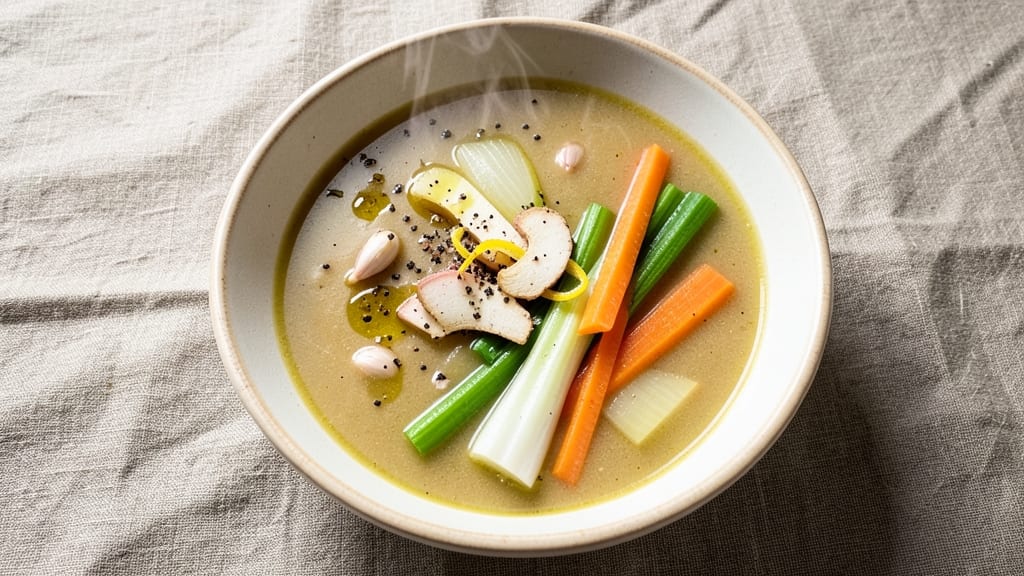
This bone broth powder soup recipe transforms pantry staples into a restaurant-worthy bowl in under 30 minutes—no soaking, no simmering, just pure umami depth. The secret lies in the powder's concentrated collagen and minerals, which dissolve instantly into a velvety broth that's rich yet light.
I developed this after realizing how often I reached for instant soup mixes that tasted flat; this version delivers the same convenience with layers of flavor you'd pay a premium for.
The beauty of this recipe is its flexibility—start with the powder as your flavor base, then customize with fresh aromatics like garlic, ginger, or herbs to brighten the depth.
The powder handles the heavy lifting, so you can focus on balancing textures: crisp vegetables, tender proteins, or even a sprinkle of toasted nuts for crunch.
What you end up with is a soup that's hearty enough for a cold evening but light enough for lunch, all while requiring just a pot and 10 minutes of active time.
This method preserves all the nutritional benefits of traditional bone broth—collagen for joints, amino acids for digestion, and minerals like magnesium—without the hours of simmering.
The powder dissolves completely, leaving no gritty aftertaste, and the resulting broth is silky enough to sip straight from a spoon or robust enough to carry hearty ingredients.
Serve it as-is for a clean, nourishing meal or load it up with proteins like shredded chicken or tofu for a complete dish.
For those with dietary restrictions, the powder version adapts effortlessly: swap chicken broth powder for vegetarian or vegan alternatives, and adjust seasonings to taste. The key is patience when rehydrating—whisking the powder into hot (not boiling) water first ensures maximum dissolution.
This isn't just soup; it's a zero-effort flavor foundation that elevates any meal.
Ingredients for bone broth powder soup
Instant umami in minutes—just these 12 ingredients transform any meal.
| Ingredient | Amount | Notes |
|---|---|---|
| Bone Broth Powder 🍲 | 2 tbsp | Chicken or vegetable variety |
| Garlic Cloves 🧄 | 3 cloves | Freshly minced for aroma |
| Fresh Ginger 🌿 | 1 tbsp | Finely grated, fresh preferred |
| Yellow Onion 🧅 | ½ cup | Diced, medium size |
| Carrots 🥕 | 1 cup | Diced, medium size |
| Celery Stalks 🌿 | 2 whole | Diced, leafy greens removed |
| Kosher Salt 🧂 | 1 tsp | Adjust to taste |
| Black Pepper 🌶️ | ½ tsp | Freshly ground |
| Fresh Parsley 🌿 | ¼ cup | Chopped, for garnish |
| Extra-Virgin Olive Oil 🫒 | 1 tbsp | For sautéing vegetables |
| Water 💧 | 4 cups | Hot but not boiling |
| Optional Protein 🍗 | 1 cup | Shredded chicken or tofu |
The bone broth powder is the game-changer here. Kettle & Fire or Bone Broth Labs are my go-tos for quality—look for powder with collagen peptides listed on the label. Fresh ginger and garlic are non-negotiable for that bright, aromatic punch, but if you're in a pinch, dried ginger at half the amount works. The onion, carrots, and celery form your 'holy trinity' base—don't skip the celery leaves if you've got them, they add subtle bitterness that rounds out the flavor. For the powder, Whole Foods bulk section often has better options than grocery store brands, and it's worth the extra few bucks for that restaurant-quality depth.
No bone broth powder? Vegetarian or vegan bouillon granules (like Pacific Foods) work in a bind, but you'll need about twice the amount. Fresh herbs wilt fast, so dried parsley or thyme at one-third the amount keeps things simple. The optional protein can be anything—rotisserie chicken from Trader Joe's is my shortcut, or marinated tofu for plant-based versions. For extra richness, stir in 1 tbsp nutritional yeast when serving. The key is patience when rehydrating: whisk the powder into hot water first, then add your veggies to prevent clumping. And trust me on the olive oil—it's not just for flavor, it helps emulsify the broth for that silky texture.
This soup reheats beautifully—just add a splash of water and whisk. Keeps 4-5 days in the fridge, or 3 months frozen in portions. I always double the batch: one for dinner, one for lunches. For freezing, use glass containers with tight lids—plastic can absorb odors. The powder itself? Store in a cool, dark place for up to 1 year—it's shelf-stable once opened. Pro tip: save your vegetable scraps in a freezer bag for homemade broth powder later—just dehydrate and blend!
Why You'll Love This Recipe
- No-Chop Nightmare: The bone broth powder does the heavy lifting—just toss in pre-chopped veggies (or buy baby carrots) and let the garlic and ginger steep. My lazy nights thank me every time.
- Umami Bomb: That first sip? Rich, deep, and meaty—the broth powder packs a collagen punch while the ginger and onion caramelize into something almost sweet. Honestly, it tastes like a hug in a bowl.
- Lunchbox Hero: Make a big batch on Sunday, and you’ve got flavorful leftovers for work lunches or kids’ school meals. The carrots stay tender, the broth stays rich, and no one will guess it’s not homemade.
- Pantry Magic: No fresh broth? No problem. This recipe turns shelf-stable powder into restaurant-quality soup in under 20 minutes. Between us, it’s my go-to for sick days, budget dinners, and when I’m too tired to simmer.
Step-by-step instructions for bone broth powder soup
This soup comes together in minutes with maximum flavor—no simmering required.
Sauté the Aromatic Vegetables
Heat the 1 tablespoon extra-virgin olive oil in a medium pot over medium heat until shimmering. Add the ½ cup diced yellow onion and cook for 3-4 minutes until softened and translucent. The onion should release its natural sweetness without browning.
Add the 1 cup diced carrots and 2 diced celery stalks, stirring to combine. Cook for another 5 minutes until the vegetables begin to soften slightly but still retain a bit of bite. This step builds the foundation of flavor that the bone broth powder will amplify later. If the vegetables stick, add a splash of water to deglaze and scrape up any browned bits from the bottom of the pot.
Add Garlic and Ginger for Depth
Push the sautéed vegetables to one side of the pot and add the 1 tablespoon finely grated fresh ginger and 3 cloves minced garlic to the empty space. Sauté for 30 seconds until the garlic becomes fragrant and just starts to turn golden—this is when it releases its full flavor potential.
Stir everything together and cook for another 1 minute to ensure the garlic and ginger are fully incorporated. The combination of these two ingredients adds a complex, warming dimension to the soup that complements the umami from the bone broth powder. Be careful not to let the garlic burn, as it can quickly turn bitter.
Build the Broth Base
Pour in the 4 cups hot water (just off the boil) and bring the mixture to a gentle simmer over medium-high heat. Once simmering, add the 2 tablespoons bone broth powder, stirring vigorously to dissolve completely. The broth should thicken slightly and develop a rich, golden hue.
Add the 1 teaspoon kosher salt and ½ teaspoon black pepper, stirring until fully combined. Taste the broth at this stage—it should be deeply flavorful with a satisfying umami depth. If you're using the 1 cup optional protein (shredded chicken or tofu), add it now and stir to heat through for 2-3 minutes.
Simmer and Finish
Reduce the heat to low and let the soup simmer gently for 8-10 minutes, allowing the flavors to meld together. The vegetables should be tender but still hold their shape—this ensures the soup has texture while remaining light and comforting.
Remove the pot from heat and stir in the ¼ cup chopped fresh parsley. The parsley not only adds a fresh, bright note but also enhances the visual appeal of the finished soup. Taste again and adjust the seasoning if needed, adding more salt or pepper as necessary. The broth powder typically provides enough salt, but personal preference varies.
Pro Tips For Making Bone Broth Powder Soup
- Bloom the Aromatics First: Toss minced garlic and ginger into your pot before adding onions—let them sizzle for 30 seconds until fragrant. I used to skip this, and the soup always tasted flat; those volatile oils release flavor instantly, and you’ll notice the difference right away.
- Peel Carrots Partially: Leave the root end (where the stem was) unpeeled—it stays firmer during cooking. I learned this the hard way when my carrots turned to mush; the extra skin acts like a natural anchor. Cut them into even ½-inch chunks so they cook uniformly.
- Dissolve Powder Slowly: Sprinkle bone broth powder into cold or lukewarm water first, then heat—stirring constantly until fully dissolved. After burning my tongue on undissolved gritty bits twice, I now use a whisk for 10 seconds. The soup tastes cleaner, and you avoid that chalky aftertaste.
- Toast the Onion: Cook the chopped onion in a dry pot for 2–3 minutes until the edges darken slightly—this caramelizes natural sugars and deepens the flavor. My grandmother swore by this, and it’s the thing that makes cheap broth powder taste like it came from a slow-simmered pot. (Yes, even if you’re impatient like me.)
Essential equipment for this dish
Pot Essentials
Start with a medium-sized stainless steel pot—I recommend the All-Clad Stainless Steel 3-Quart for its even heating and durability. The flat bottom prevents hot spots that can burn your vegetables.
If you're cooking for a crowd, scale up to a 5-6 quart Dutch oven like the Le Creuset Stoneware for better heat retention during the simmer. 🔥
Whisk for Smooth Broth
A balloon whisk (like the OXO Good Grips) is your secret weapon for dissolving the bone broth powder completely. Whisking vigorously breaks up any clumps and ensures a silky texture.
I keep mine near my stove for quick access—it’s the one tool I never skip when making broth-based soups. The whisk also helps distribute heat evenly, preventing scorching.
Fine-Mesh Strainer
If you’re using homemade broth powder or want to strain out any undissolved particles, a fine-mesh strainer (such as the Habor Stainless Steel) is a must. Place it over a bowl to catch any grit while pouring the soup.
This step is especially useful if you’re using lower-quality powders that don’t dissolve as smoothly. For extra clarity, line the strainer with a cheesecloth for finer filtration. 💧
Measuring Spoons
Precision matters with bone broth powder—use stainless steel measuring spoons (like the OXO Stainless Steel Set) for accurate measurements. The powder is potent, so 2 tablespoons can make a big difference in flavor.
I also keep a small ladle handy for stirring and tasting as I go. Avoid plastic spoons, as they can absorb odors and flavors over time.
Immersion Blender (Optional)
For an ultra-smooth texture, an immersion blender (such as the Ninja BN601) lets you blend the soup directly in the pot. Pulse for 10-15 seconds after simmering to break down any remaining vegetable chunks while keeping the broth intact.
This is especially helpful if you’re adding soft ingredients like mushrooms or potatoes. Just be sure to blend on low to avoid splattering. ✨
Storage Containers
Store leftovers in glass mason jars or BPA-free plastic containers with tight-sealing lids. Glass is best for long-term storage, as it doesn’t absorb odors or flavors. For freezing, leave 1 inch of headspace to prevent expansion cracks.
I label my containers with the date—this soup keeps for 4-5 days refrigerated or 3 months frozen, making it a meal-prep staple. ❄️
Nutrition facts
Frequently asked questions
Can I use bone broth powder in other recipes besides soup? This versatile powder works beautifully in risottos, gravies, or even as a flavor booster for mashed potatoes. For risotto, whisk 1 tablespoon into the broth during cooking for extra depth. In sauces, use ½ tablespoon per cup of liquid to enhance umami. Just
How do I fix clumpy bone broth powder?
Whisk the powder into hot (not boiling) water first before adding other ingredients. If clumps form, strain through a fine-mesh sieve or blend briefly with an immersion blender. For prevention, store your powder in a cool, dry place and use it within 6 months of opening for best results.
Is this soup suitable for low-sodium diets?
Yes! Use a low-sodium bone broth powder (like Kettle & Fire Unsalted) and reduce added salt to ¼ teaspoon. Boost flavor with extra garlic, ginger, or a splash of rice vinegar. The powder's natural umami shines even without extra salt—just taste as you go.
Can I make this soup in an Instant Pot?
Perfect for pressure cooking! Sauté veggies as directed, then add 3 cups water and bone broth powder. Seal and cook on High Pressure for 3 minutes, then quick-release. The pressure cooker dissolves the powder completely and cuts cooking time to 10 minutes total. Just watch the veggies don't overcook!
What's the best way to reheat leftovers?
Gently reheat on low heat with a splash of water to prevent scorching. For microwave safety, transfer to a microwave-safe bowl with ½ cup water and heat for 1-2 minutes, stirring halfway. Never reheat to boiling—just until steaming hot. The powder's collagen can break down if overheated, so keep it warm, not boiling.