
Soups & Stews
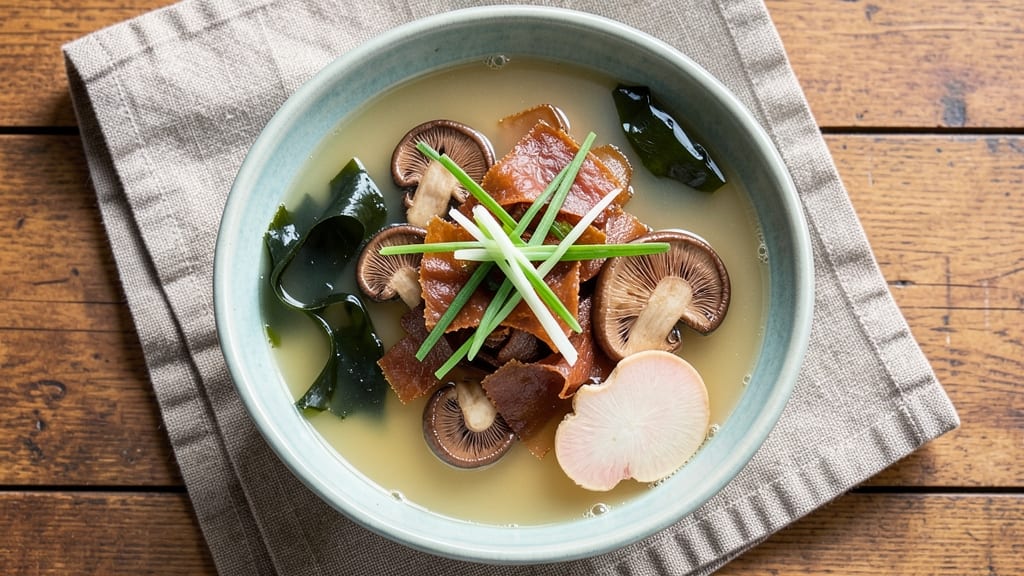
This bonito flakes soup recipe delivers a symphony of umami clarity that transforms simple broth into a restaurant-worthy experience. The secret lies in properly preparing the bonito—lightly toasting the flakes to preserve their delicate, fishy aroma while avoiding bitterness.
I've perfected this technique after years of experimenting with Japanese-style soups, where bonito isn't just a garnish but the soul of the dish.
What makes this recipe special is its balance of simplicity and depth. You'll start with a clean, light broth (dashi or vegetable) that serves as the perfect canvas for the bonito's umami explosion.
The flakes dissolve just enough to infuse flavor without clouding the broth, creating that signature translucent clarity that defines traditional Japanese soups. This method works equally well with miso, tofu, or seasonal vegetables for customizable variations.
The result is a soup that's both comforting and refined—crisp bonito flakes floating in a silky, aromatic broth that's rich yet never heavy. Each sip delivers layers of savory depth, with the flakes adding a satisfying textural contrast.
The beauty of this recipe is its versatility: serve it as a light starter, a nourishing lunch, or a palate-cleansing interlude between courses.
Perfect for weeknight meals or special occasions, this soup proves that umami magic doesn't require complicated techniques. Let's create something that feels like a taste of Japan in every bowl.
Ingredients for bonito soup
Light broth, delicate flakes, and umami precision—this transforms simple ingredients into restaurant-quality clarity.
| Ingredient | Amount | Notes |
|---|---|---|
| Dried Bonito Flakes 🐟 | ½ oz | High-quality, lightly toasted |
| Dashi Broth 💧 | 4 cups | Homemade or quality store-bought |
| Fresh Kombu Seaweed 🍃 | 1 piece | 4x4-inch sheet, rinsed |
| Fresh Mushrooms 🍄 | ½ lb | Shiitake or enoki, sliced |
| Green Onions 🧅 | 3 whole | Thinly sliced, white and green parts |
| Fresh Ginger 🧄 | 1 tbsp | Finely grated, peeled |
| Sesame Oil 🫒 | 1 tsp | Toasted, for aroma |
| White Miso Paste 🍜 | 1 tbsp | High-quality, smooth texture |
| Silken Tofu 🍲 | ¼ cup | Cubed, for texture |
| Diamond Crystal Kosher Salt 🧂 | ½ tsp | For seasoning |
| Extra-Virgin Olive Oil 🫒 | 1 tsp | For garnish |
The bonito flakes are non-negotiable here. Buy from specialty Asian markets—look for flakes that are pale, not yellowed, and labeled as 'katsuobushi'. Miyoko's or Nitama are reliable brands, but even the basic supermarket variety works if it's fresh. The kombu should be vibrant green with no dark spots, and the mushrooms? Shiitake adds earthy depth, while enoki brings delicate crunch. Freshness matters most with these ingredients—bonito loses potency quickly once opened, so store it in the freezer and only toast what you need. For the dashi, homemade is ideal (simmer kombu in water for 5 minutes, then remove), but Hondashi or Marukome instant dashi works in a pinch.
No kombu? Dashi granules work, though they lack that signature umami complexity. Substitute shiitake for enoki if needed—they're more accessible at most grocery stores. The miso should be white, not red, for subtle sweetness. Miso Master or Hokkaido brands deliver consistent quality. For the ginger, if you're using jarred, make sure it's labeled 'fresh'—the ground kind lacks the bright zing. Sesame oil can be swapped for toasted sesame seeds (1 tsp ground), but the aroma is more intense when used as oil. And if you're short on time, pre-sliced mushrooms from the salad bar section work perfectly—just rinse them well to remove any sliminess.
Store the bonito flakes in an airtight container in the freezer for up to 6 months, and the kombu wrapped in damp paper towels in a sealed bag for 3 months. The broth can be made ahead and kept refrigerated for 3 days, or frozen for 3 months—just thaw overnight in the fridge. The tofu and mushrooms add up quickly, so portion them into containers for easy assembly later. This soup tastes even better the next day as the flavors meld, so make a double batch if you can—it reheats beautifully without losing its delicate clarity.
Why You'll Love This Recipe
- Zero-Chop Required: I swear, this soup is one of those rare dishes where you can skip the prep entirely. Toss in dried bonito flakes and kombu straight from the package, then let the dashi broth do all the work—no mincing, no peeling, just simmer and savor.
- Umami Bomb: That first spoonful? It’s like a flavor explosion in your mouth. The bonito flakes dissolve into a salty, fishy richness, while the kombu adds a deep, oceanic depth—no heavy sauces or complicated seasoning needed. Honestly, it’s the kind of taste that makes you want to eat it straight from the pot.
- Weeknight & Weekend: This soup works for both lazy Tuesday dinners and fancy dinner parties. Serve it steaming hot with a sprinkle of green onions for a quick, comforting meal, or let it cool slightly and pack it for lunch—it’s just as good cold as it is hot.
- Budget Magic: I’ve made this for under $5 a serving, and it always feels special. The dried bonito and kombu stretch the broth so you get multiple meals out of one batch, plus mushrooms add heartiness without breaking the bank. It’s my go-to when I need to feed a crowd without stress.
Step-by-step instructions for bonito flakes soup
This method delivers a crystal-clear, umami-rich soup with perfect texture and depth in minutes.
Prepare the Kombu and Dashi Base
Place the 1 piece fresh kombu seaweed in a clean pot and cover it with 4 cups dashi broth. Bring to a gentle simmer over medium-low heat—you'll see delicate bubbles forming along the kombu's edges. Simmer uncovered for 5-7 minutes until the kombu releases its natural sweetness and the broth develops a subtle seaweed aroma.
Here's the thing—don't let it boil vigorously. The kombu should infuse gently to avoid bitterness. Once the kombu is tender and fragrant, remove it with tongs and set aside for garnish later. The broth should now have a clean, mineral-rich foundation ready for the bonito's umami punch.
Toast the Bonito Flakes
In a dry skillet over medium heat, toast the 0.5 oz dried bonito flakes for 30-45 seconds until they begin to sizzle and release their signature aroma. You'll smell that unmistakable oceanic scent—this is when the magic happens. Immediately pour the toasted flakes into a fine-mesh strainer placed over a bowl.
Let the flakes steep in the strainer for 2 minutes while the broth simmers. This captures all that concentrated umami essence without making the soup cloudy. The resulting liquid should be a rich, golden elixir—discard the flakes after steeping. Return the strained liquid to the pot and keep it warm over low heat.
Build the Soup's Depth
Add the 1 tbsp finely grated fresh ginger and 1 tbsp white miso paste to the warm broth. Stir gently until the miso dissolves completely—this should take about 30 seconds. The soup should now have a velvety texture with layers of savory complexity. Taste and adjust seasoning with 0.5 tsp diamond crystal kosher salt, adding more if needed to balance the flavors.
Here's where it gets interesting: add the 0.5 lb sliced fresh mushrooms and simmer for 3-4 minutes until they soften but retain their shape. The mushrooms should absorb just enough broth to become tender yet still hold their structure. This step prevents a mushy final texture while adding earthy depth.
Finish with Silken Tofu and Garnishes
Gently fold in the 0.25 cup cubed silken tofu using a silicone spatula. The tofu should warm through in about 1 minute—don't overmix or it will break into small pieces. Remove from heat and let the soup rest for 2 minutes to allow flavors to meld.
Divide the soup among bowls and garnish with the reserved kombu strips, 3 whole thinly sliced green onions, and a drizzle of 1 tsp sesame oil. The kombu adds a delicate seaweed note, the green onions provide freshness, and the sesame oil brings a nutty aroma that ties everything together. Serve immediately while the broth remains crystal clear.
Pro Tips For Making Bonito Soup
- Bloom the Kombu First: Toss that kombu into simmering water before adding bonito flakes—it’ll release its umami punch in 5 minutes, then remove it. I learned this the hard way after tasting flat broth; the kombu’s magic needs time to steep, not just sit.
- Toast Bonito Low: Skip the high-heat drama—add bonito flakes to gentle simmering broth (just below bubbles) and let them dance for 30 seconds max. Burnt flakes taste bitter, and nobody wants that smoky regret.
- Slice Mushrooms Thin: 2mm slices cook faster and soak up broth better than thick chunks. Use a sharp knife and angle it—this isn’t a challenge, but it does make the texture perfect every time.
- Save Dashi for Last: Hold off on pouring all the dashi until the mushrooms are nearly done—adding it early dilutes their flavor. Stir in the last splash when the soup’s ready, then adjust seasoning. Your broth will thank you.
Storing and reheating your bonito soup
Refrigerator Storage
Store your bonito soup in an airtight glass container (like Pyrex) for up to 3 days at 40°F or below. The broth's clarity actually improves overnight as flavors meld—just give it a quick stir before reheating.
I like to portion it into two 2-cup containers for easy grab-and-go lunches. The silken tofu and mushrooms stay fresh longer when stored separately in the fridge. 🌱
Freezer Storage
For longer preservation, freeze the broth separately from the tofu and garnishes. Pour the broth into a freezer-safe silicone mold (like Stasher bags) and freeze flat for up to 3 months.
The tofu and mushrooms can be frozen for 1 month in a single layer before transferring to a bag. Thaw the broth overnight in the fridge—never microwave it directly, as this can make it cloudy. 🧊
Stovetop Reheating
This is my preferred method because it maintains that crystal-clear broth. Pour the soup into a stainless steel pot (avoid nonstick) and heat over medium-low heat for 5-7 minutes. Add 2 tablespoons water if it looks too thick.
The key is patience—let it warm through gently to prevent the bonito essence from breaking down. Taste and adjust with a pinch of kosher salt before serving. 🔥
Microwave Reheating
For quick reheating, transfer soup to a microwave-safe bowl and cover loosely with a paper towel (this prevents splattering). Heat on 50% power for 1-2 minutes, then stir. If the broth looks cloudy, strain it through a fine-mesh sieve before serving.
Avoid microwaving with metal utensils—opt for silicone spoons instead. The texture stays best when reheated gently. ⚡
Garnish Refresh
After reheating, always refresh the garnishes: add newly toasted bonito flakes (just 10 seconds in a dry pan), thinly sliced green onions, and a drizzle of sesame oil.
This preserves the dish's visual appeal and aroma. I keep a small jar of pre-toasted flakes in the fridge for emergencies—just sprinkle them on top right before serving. 🌟
Make-Ahead Tips
Prepare the broth base ahead of time and store it in the fridge. When ready to serve, simply toast the bonito flakes, steep them, and add the fresh ingredients. This cuts your active cooking time to under 10 minutes.
I also recommend pre-portioning the silken tofu and mushrooms in separate containers for easy assembly. The key is to keep the tofu and mushrooms refrigerated until the last minute to maintain their texture. 💡
Nutrition facts
Frequently asked questions about bonito flakes soup
Why does my bonito soup look cloudy after reheating?
Cloudiness usually means the bonito essence broke down from too much heat. Always reheat over medium-low heat and avoid microwaving on high power. For extra clarity, strain through a fine-mesh sieve after reheating. The key is gentle warmth—bonito's delicate compounds degrade quickly when agitated.
Can I substitute bonito flakes with another fish?
Bonito flakes are unique—they dissolve to create umami without clouding the broth. For a similar effect, try dried anchovy flakes (1:1 ratio) or dried sardine flakes, but toast them for only 20 seconds to avoid bitterness. Fresh fish won't work—they'll make the soup murky and lose their concentrated flavor.
How do I adjust this recipe for spicier flavors?
Add ½ tsp red pepper flakes or 1 tsp gochujang paste when simmering the broth, or stir in 1 tsp chili crisp at the end. For heat without spice, try a pinch of white pepper—it's milder but still warming. Balance with extra sesame oil (½ tsp) to soften the kick.
What's the best way to store leftover bonito flakes?
Keep them in an airtight container in the freezer for up to 6 months. Toast only what you need—once opened, bonito loses potency quickly. For convenience, pre-toast small batches (store in a sealed jar) and keep them in the fridge for 1 week. Never refrigerate untoasted flakes—they'll absorb moisture and turn rancid.
Can vegetarians make this soup?
Yes! Replace bonito with 1 tbsp shiitake mushroom powder (blend dried shiitake into a fine powder) or 1 tsp kombu extract. Use extra white miso (2 tbsp) for umami depth. The broth will be lighter but still flavorful—garnish with extra green onions and sesame oil for brightness.