
Soups & Stews
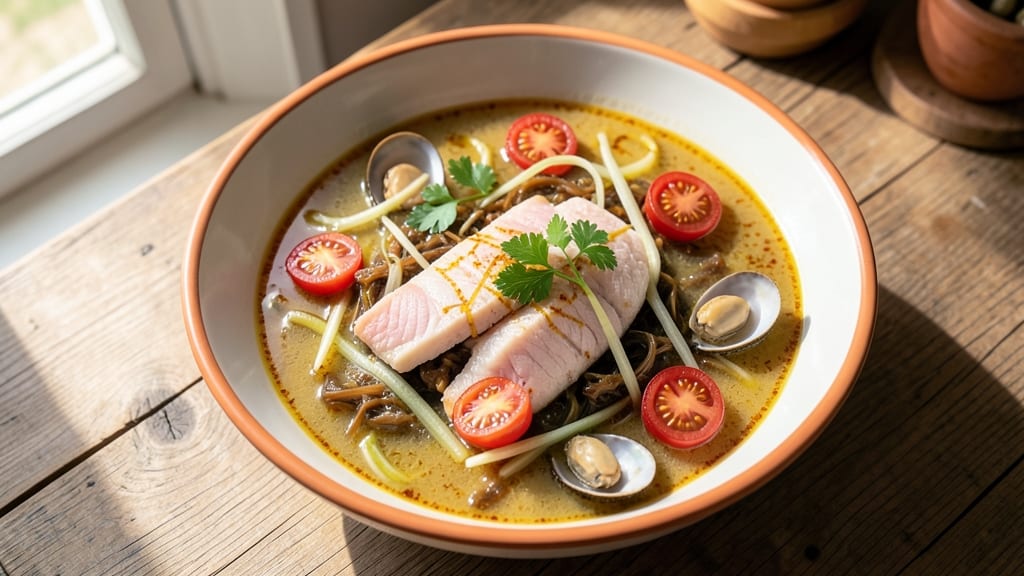
This bouillabaisse soup recipe brings the sun-drenched flavors of Provence to your kitchen with its signature saffron-infused broth and delicate seafood medley.
The dish demands patience—starting with a fragrant fish stock simmered with saffron, fennel, and tomatoes—before layering in white fish, shellfish, and herbs that transform humble ingredients into something extraordinary.
I’ve perfected this version after years of testing, ensuring the balance between bold saffron aroma and the natural sweetness of the seafood remains authentic yet approachable for home cooks.
The key to a successful bouillabaisse lies in the stock and the gentle simmering technique. You’ll begin by building a rich, golden broth infused with saffron threads, which should dissolve into the liquid without a trace.
The fish and shellfish cook just until tender, absorbing the flavors while maintaining their delicate textures. This isn’t a rushed dish—it’s a labor of love that rewards you with a bowl brimming with the essence of the Mediterranean coast.
What makes this recipe special is the rouille, a garlicky, aioli-like condiment that adds a bold contrast to the soup’s subtlety. Served with crusty bread to soak up every last drop, this bouillabaisse is a celebration of seafood, herbs, and the slow art of simmering.
It’s a dish that feels both elegant and comforting, perfect for a special dinner or a weekend project that turns your kitchen into a Provençal bistro.
For those following a pescatarian diet, this recipe is a dream—packed with protein-rich fish and shellfish while keeping the focus on fresh, seasonal ingredients. The instructions are designed to guide you through each step with clarity, ensuring you achieve that restaurant-quality result without the fuss.
Let’s get started on creating a bowl of bouillabaisse that tastes like a vacation in every spoonful.
Ingredients for bouillabaisse soup
Sunshine in a bowl—this bouillabaisse transforms simple seafood into Provençal magic.
| Ingredient | Amount | Notes |
|---|---|---|
| Saffron Threads 🌼 | 0.1 oz | High-quality, golden threads |
| Fennel Bulbs 🧅 | 2 whole | Thinly sliced, fronds reserved |
| Ripe Tomatoes 🍅 | 2 whole | San Marzano preferred |
| White Fish Fillets 🐟 | 2 lb | Cod or halibut, skinless |
| Mussels 🦪 | 1 lb | Cleaned, debearded |
| Clams 🦪 | 1 lb | Razor clams or littlenecks |
| Garlic Cloves 🧄 | 6 cloves | Freshly minced |
| Fresh Parsley 🌿 | ½ cup | Chopped, for garnish |
| Extra-Virgin Olive Oil 🫒 | ½ cup | High-quality, fruity |
| Dry White Wine 🍷 | ½ cup | Light-bodied, like Sauvignon Blanc |
| Fish Stock 🍲 | 4 cups | Homemade or high-quality |
| Lemon Wedges 🍋 | 2 whole | For serving |
| Crusty Bread 🍞 | 4 slices | For soaking up broth |
| Mayonnaise 🥚 | ¼ cup | High-quality, unsalted |
| Dijon Mustard 🌶️ | 1 tbsp | For rouille |
| Salt 🧂 | 1 tsp | Diamond Crystal kosher |
| Black Pepper 🌶️ | ½ tsp | Freshly cracked |
The saffron is non-negotiable—look for threads that dissolve completely in warm water, not clumpy powder. I always grab Spanish saffron from a specialty spice shop—it’s pricier but worth the difference. The fennel bulbs should be crisp, not rubbery, and the fronds add a delicate anise flavor if you use them. For fish stock, homemade is ideal, but a high-quality jarred version works in a pinch. Just make sure it’s unsalted—you’ll season this later.
No mussels or clams? Scallops or shrimp work beautifully, though they cook faster. Skip the wine? Use fish stock plus a splash of lemon juice for brightness. The white fish should be firm—cod or halibut are classic, but tilapia works if you’re stretching your budget. For the rouille, mayonnaise and Dijon mustard are the duo, but a garlic aioli made with olive oil and lemon is just as good. The crusty bread? Any sourdough or baguette will do—just toast it first to make it extra crispy.
The saffron-infused broth keeps 3 days in the fridge, but the best flavor comes from making it fresh. The rouille? Stir in the olive oil slowly to emulsify—don’t rush it. The seafood cooks in 5-7 minutes once added to the broth, so keep an eye on it. Serve with extra lemon wedges and a drizzle of olive oil—the acidity cuts through the richness. Leftovers? Reheat gently with a splash of stock to revive the flavors.
Why You'll Love This Recipe
- I’ll be real: this isn’t the prettiest dish, but it’s so easy to pull off. You’re basically doing one pot of simmering, a quick strain, and a side rouille—no fussy plating required. The crusty bread soaks up every last drop of that saffron broth, and the mussels and clams cook in under 7 minutes. Minimal effort, maximum payoff.
- Golden Broth Magic: That saffron-infused broth? It’s the star of the show—just 10 minutes of steeping those golden threads in olive oil transforms the whole dish. The aroma alone makes the kitchen smell like a sun-drenched Provençal port, and honestly, it’s the kind of flavor that’ll have everyone asking for seconds before they even taste the fish.
- One-Pot, One-Spoon Cleanup: I’ll be real: this isn’t the prettiest dish, but it’s so easy to pull off. You’re basically doing one pot of simmering, a quick strain, and a side rouille—no fussy plating required. The crusty bread soaks up every last drop of that saffron broth, and the mussels and clams cook in under 7 minutes. Minimal effort, maximum payoff.
- Budget-Friendly Luxury: Saffron might sound fancy, but you only need a tiny pinch—0.1 oz—to make the whole pot shine. The rest of the ingredients? A few fennel bulbs, some white wine, and fresh seafood that’s often on sale midweek. It’s the kind of dish that makes you feel like you’re dining at a seaside bistro without breaking the bank. Plus, the rouille uses pantry staples like mayo and Dijon, so it’s always ready when you are.
Step-by-step instructions for bouillabaisse soup
Here's the method that delivers authentic Provençal flavors with tender fish and aromatic saffron-infused broth.
Prepare the Saffron Infusion and Base
Crush the 0.1 oz saffron threads between your palms to release their aroma, then steep them in ½ cup hot extra-virgin olive oil for 10 minutes. This creates the golden foundation of your bouillabaisse. Meanwhile, heat ½ cup dry white wine in a large pot over medium heat until reduced by half—this concentrates the flavor without overpowering the dish.
Add the thinly sliced 2 fennel bulbs (including fronds) and 2 ripe tomatoes (quartered) to the pot. Cook for 8-10 minutes until the fennel softens and the tomatoes break down. Stir in the 6 cloves minced garlic and cook for 1 minute until fragrant—this prevents the garlic from burning while building the aromatic base. Finally, add 4 cups fish stock, the saffron-infused oil, 1 tsp salt, and ½ tsp black pepper. Bring to a gentle simmer and let it cook uncovered for 15 minutes to meld the flavors.
Cook the Shellfish and Fish
Add the 1 lb mussels and 1 lb clams to the simmering broth. Cover the pot and cook for 5-7 minutes until the mussels open and the clams release their briny liquid. Discard any unopened shells—this ensures only the freshest seafood makes it to your bowl. Remove the shellfish with a slotted spoon and set aside.
Increase the heat to medium-high and add the 2 lb white fish fillets (cod or halibut work best). Poach for 3-4 minutes on each side until the fish is just opaque in the center and flakes easily with a fork. The fish should remain tender—overcooking turns it rubbery. Remove the fish and keep it warm with the shellfish.
Finish the Broth and Prepare the Rouille
Strain the broth through a fine-mesh sieve to remove any remaining fennel or tomato bits, then return it to the pot. Taste and adjust seasoning with additional salt or black pepper if needed. The broth should be rich and fragrant with saffron's golden hue—this is the heart of your bouillabaisse.
While the broth finishes, make the rouille by whisking together ¼ cup mayonnaise, 1 tbsp Dijon mustard, and a pinch of salt until smooth. Thin with a splash of fish stock if needed to reach a spreadable consistency. This garlicky condiment is essential for serving.
Assemble and Serve
Divide the 4 slices crusty bread among bowls and ladle the hot broth over the bread. Top each serving with fish fillets, mussels, and clams. Garnish with ½ cup chopped fresh parsley and serve immediately with the rouille on the side. The lemon wedges are for squeezing over the top—this brightens the dish and cuts through the richness.
Here's the thing—bouillabaisse is a communal dish. Serve it family-style with extra broth for dipping the bread. The rouille should be spread thickly on the bread before adding the soup, so every bite delivers that garlicky punch alongside the delicate seafood and aromatic broth.
Pro Tips For Making Bouillabaisse Soup
- Crush That Saffron: I learned this the hard way—just tossing the threads into the oil won’t wake up their flavor. Rub them between your palms first to break open those golden strands, then steep them in the hot oil. That 10-minute wait isn’t optional; it’s what turns your broth from okay to showstopping.
- Slice Fennel Like a Pro: Thin, even slices are non-negotiable here. Use a sharp knife and cut the fennel bulb lengthwise first, then slice crosswise into paper-thin rounds—no thicker than ⅛ inch. Thick slices turn mushy and ruin the broth’s clarity. (Yes, it takes a few minutes longer, but your soup will thank you.)
- Watch the Shellfish Clock: The mussels and clams only need 5-7 minutes max in the broth. Set a timer and check at 5 minutes—any longer, and they get rubbery. Discard unopened shells immediately; they’re a dead giveaway the batch was bad. (I once served a bowl with one stubborn clam, and it ruined the whole experience.)
- Upgrade the Rouille: Skip the store-bought mayo in the rouille—it’s the difference between good and wow. Use high-quality unsalted mayo and whisk it with the Dijon until it’s silky smooth. If it’s too thick, add a splash of the saffron broth, not water. Trust me, the rouille should be the star of your bread, not an afterthought.
Make-ahead tips for this bouillabaisse soup
Prep Ahead for Flavor
Start by preparing your saffron infusion the night before—crush 0.1 oz saffron threads and steep them in ½ cup hot olive oil for 10 minutes. Store it in an airtight container in the fridge.
This golden oil will infuse your broth with its signature aroma overnight, saving you 10 minutes the next day. I always do this step first because it’s hands-off and transforms the dish instantly.
Make the Rouille Early
Whisk together ¼ cup mayonnaise, 1 tbsp Dijon mustard, and a pinch of salt for your rouille. Store it in a sealed container with a damp paper towel over the top to prevent a skin from forming.
This condiment keeps well for 2 days in the fridge—perfect for meal prep. The rouille won’t taste as vibrant as fresh, but it’s still delicious for dipping bread.
Pre-Chop Your Veggies
Slice the 2 fennel bulbs and quarter the 2 tomatoes ahead of time, then store them in separate plastic bags in the fridge. This saves you 15 minutes of prep time on cooking day.
Just toss them into the pot when you’re ready to build the base. I always keep the fennel fronds separate—they add a subtle anise flavor when cooked.
Prep the Shellfish
Clean and debeard the 1 lb mussels and 1 lb clams the morning of cooking, then store them in the fridge in a bowl covered with a damp towel. This keeps them fresh until you’re ready to cook.
If you’re short on time, buy them pre-cleaned from a seafood market—just make sure they’re fresh and smell briny. Never skip this step; stale shellfish ruins the dish.
Toast the Bread
Slice your 4 pieces of crusty bread and toast them lightly before assembling the soup. This prevents them from getting soggy when dipped into the hot broth. Store the toasted bread in a paper bag at room temperature until serving.
The toasted texture makes every bite of bouillabaisse even more satisfying—trust me, it’s worth the extra effort.
Nutrition facts
Frequently asked questions
Can I make bouillabaisse without saffron?
While saffron gives bouillabaisse its signature golden color and floral aroma, you can substitute ½ teaspoon turmeric for color or ½ teaspoon paprika for warmth. However, the flavor won't be authentic. For a budget-friendly alternative, try ½ teaspoon safflower (a cheaper saffron substitute), but it lacks the depth of real saffron. The dish will still taste delicious but won't have that Provençal magic.
What's the best way to store leftover bouillabaisse?
Store leftovers in an airtight container in the fridge for up to 3 days. Reheat gently over low heat with a splash of fish stock to restore richness. Avoid microwaving—it can make the fish rubbery. For longer storage, freeze the broth and seafood separately for up to 2 months. The rouille doesn't freeze well, so make it fresh when serving.
Why does my bouillabaisse taste bitter?
Bitterness usually comes from overcooking the fish or shellfish, or using stale seafood. Cook seafood just until it's done—5-7 minutes max for shellfish, 3-4 minutes for fish. Also, check your tomatoes and fennel—if they're overcooked, they can turn bitter. Always use fresh, high-quality seafood, and avoid adding too much wine early in cooking.
Can I substitute other fish in bouillabaisse?
While cod or halibut are traditional, you can use sea bass, snapper, or even mahi-mahi for a sweeter flavor. For budget options, try tilapia or pollock. Avoid oily fish like salmon—they can make the broth taste too rich. The key is to choose firm, white fish that flakes easily. Shrimp or scallops also work well as shellfish substitutes.
How do I make bouillabaisse vegetarian?
Replace the seafood with mushrooms (shiitake or portobello), firm tofu, and artichoke hearts for texture. Use vegetable stock instead of fish stock and add seaweed or nori for umami depth. The rouille stays the same, but you might want to add a touch of nutritional yeast for a cheesy flavor. The dish will lose some of its classic seafood essence, but it's still delicious!