
Soups & Stews
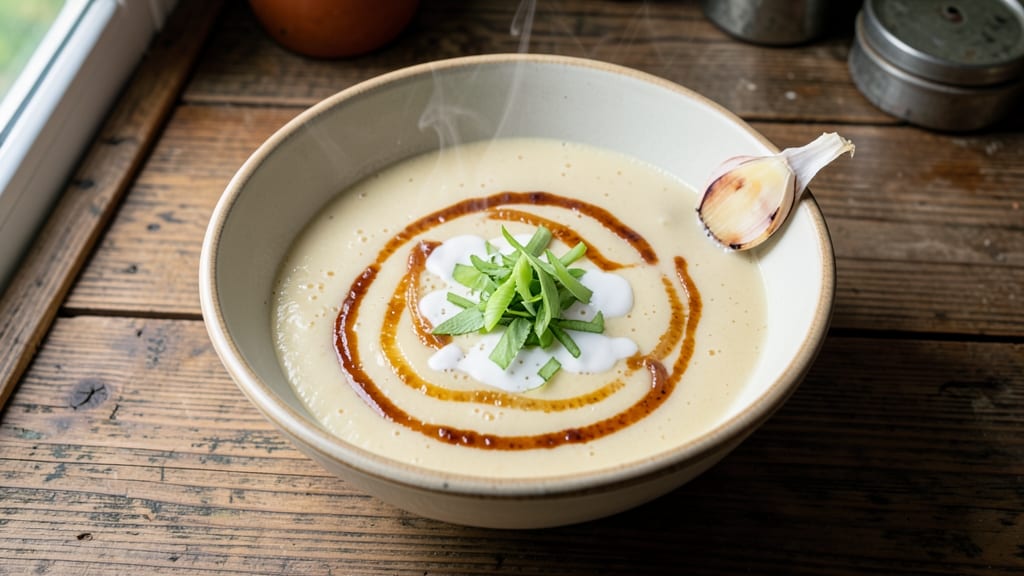
Creating a Campbell's butternut squash soup transforms a simple pantry staple into a velvety, aromatic dish that feels like autumn in a bowl. The secret lies in balancing Campbell’s classic broth with roasted squash and warm spices like cinnamon and nutmeg—no fancy techniques required.
This recipe delivers restaurant-quality depth with minimal effort, perfect for cozy weeknights or holiday gatherings.
Roasting the butternut squash first caramelizes its natural sweetness while keeping the texture tender, ensuring every spoonful is rich and smooth. The Campbell’s soup base provides a foolproof foundation, while sautéed onions, garlic, and a touch of ginger add layers of warmth.
For extra creaminess, stir in coconut milk or a splash of heavy cream—both elevate the soup without overpowering its natural flavors.
What you’ll end up with is a silky, spiced soup that’s fragrant with cinnamon, nutmeg, and a hint of sage. The roasted squash gives it depth, while the Campbell’s broth ensures a balanced, comforting broth.
Top with toasted pumpkin seeds, crispy fried sage, or a drizzle of olive oil for texture and visual appeal—this soup is as beautiful as it is delicious.
This recipe scales effortlessly, making it ideal for meal prep or feeding a crowd. Serve it alongside crusty bread or a simple green salad for a well-rounded vegetarian meal. The best part? It comes together in under 45 minutes, with most of that time hands-off. Let’s get cooking!
Ingredients for campbell's butternut squash soup
A symphony of roasted squash, Campbell’s soup, and aromatic spices creates this velvety vegetarian masterpiece.
| Ingredient | Amount | Notes |
|---|---|---|
| Butternut Squash 🎃 | 3 lb | Peeled, cubed, 1-inch pieces |
| Campbell's Cream of Butternut Squash Soup 🥣 | 3 cans | 14.5 oz each, full-fat preferred |
| Yellow Onion 🧅 | 2 whole | Thinly sliced, medium size |
| Garlic Cloves 🧄 | 4 cloves | Fresh, minced, aromatic |
| Fresh Ginger 🌿 | 1 tbsp | Grate finely, strong flavor |
| Coconut Milk 🥥 | 1 can | Full-fat, 13.5 oz preferred |
| Ground Cinnamon 🌶️ | 1 tsp | Ceylon preferred for aroma |
| Ground Nutmeg 🌿 | ½ tsp | Freshly grated preferred |
| Fresh Sage Leaves 🌿 | 2 tbsp | Chopped, aromatic leaves |
| Extra-Virgin Olive Oil 🫒 | 2 tbsp | High-quality, fruity profile |
| Salt 🧂 | 1 tsp | Diamond Crystal kosher |
| Black Pepper 🌶️ | ½ tsp | Freshly ground, medium grind |
| Pumpkin Seeds 🌰 | ¼ cup | Raw, unsalted, toasted |
The butternut squash requires careful preparation—opt for organic, firm varieties like 'Waltham' or 'Kabocha' for optimal flavor. Roasting at 425°F for 25-30 minutes caramelizes the edges while preserving tenderness. For professional results, use a wire rack on a baking sheet to prevent sogginess. The Campbell’s full-fat cans deliver richer flavor than reduced-fat versions, though the latter works in a pinch. Store-bought pre-peeled squash saves time but lacks the depth of homemade preparation.
Substitutions are flexible but intentional: dairy-free coconut milk replaces heavy cream for a lighter texture, while ground cinnamon sticks ground into powder offers deeper aroma. Fresh sage can be swapped for 1 tsp dried sage at half the quantity. For extra richness, stir in 1 tbsp tahini or 2 tbsp Greek yogurt at the end. The ginger-to-onion ratio is critical—too much ginger overpowers the squash's natural sweetness, so measure precisely. Always use freshly ground nutmeg for superior flavor compared to pre-ground.
This soup maintains peak quality when refrigerated for 5 days in an airtight container, with the flavors intensifying over time. For freezer storage, cool completely before transferring to freezer-safe bags, labeled with the date. Reheat gently on the stovetop with a splash of water or vegetable broth to restore creaminess. The toasted pumpkin seeds should be prepared separately and added just before serving to maintain crunch. Portion into individual containers for meal-prep convenience, as the soup reheats beautifully with added broth if too thick.
Why You'll Love This Recipe
- I’ll be real: the cinnamon and nutmeg in this aren’t just garnish—they’re flavor game-changers. The full-fat coconut milk and Campbell’s soup create that silky texture, but the fresh ginger and sage? They turn it from "nice" to "I’ll make this every week." That crispy edge from the roasted squash? Chef’s kiss.
- One-Pot Magic: Honestly, this soup is that kind of recipe—you’re basically doing one thing in the oven while the Dutch oven handles the rest. Roast the squash, blend it with the Campbell’s soup and coconut milk, and boom: no scrubbing pots for hours. The only real prep is peeling and cubing the squash (and trust me, that’s the only messy part).
- Spiced Coconut Surprise: I’ll be real: the cinnamon and nutmeg in this aren’t just garnish—they’re flavor game-changers. The full-fat coconut milk and Campbell’s soup create that silky texture, but the fresh ginger and sage? They turn it from "nice" to "I’ll make this every week." That crispy edge from the roasted squash? Chef’s kiss.
- Leftover Legend: This soup thrives on seconds. I make it on Sunday, and by Wednesday, I’m sneaking bowls while pretending to work. The flavors get even richer in the fridge—like a slow-cooked hug in a bowl. Plus, it’s the kind of thing that tastes just as good reheated the next day (or the day after that).
Step-by-step instructions for creamy butternut squash soup with spiced coconut
This method transforms simple ingredients into a rich, aromatic soup where every spoonful delivers depth.
Sauté Aromatics Until Fragrant
Heat the 2 tbsp extra-virgin olive oil in a large Dutch oven over medium heat. Add the 2 yellow onions and cook for 5 minutes, stirring occasionally, until they soften and begin to caramelize at the edges. The onions should release their sweetness and turn translucent before proceeding.
Add the 4 minced garlic cloves and 1 tbsp finely grated fresh ginger, stirring constantly for 30 seconds until the garlic becomes fragrant and just begins to color. Here's where the foundation of flavor builds—don't let the garlic burn, as it will turn bitter. The mixture should smell like a warm spice market at this point.
Roast and Purée the Butternut Squash
While the aromatics cook, preheat your oven to 400°F. Toss the 3 pounds peeled and cubed butternut squash with 1 teaspoon salt, ½ teaspoon black pepper, and 1 teaspoon ground cinnamon. Spread the squash in a single layer on a parchment-lined baking sheet and roast for 25-30 minutes, stirring once halfway, until tender and caramelized at the edges.
Transfer the roasted squash to a blender or food processor. Add 3 cans Campbell's Cream of Butternut Squash Soup and the 1 can full-fat coconut milk. Blend until completely smooth, scraping down the sides as needed. The mixture should be velvety with no visible chunks—this is your soup's creamy base.
Simmer and Infuse with Spices
Return the puréed mixture to the Dutch oven and stir in the ½ teaspoon ground nutmeg and 2 tbsp chopped fresh sage leaves. Bring to a gentle simmer over medium-low heat and let cook for 10-12 minutes, stirring occasionally. This slow simmer allows the spices to bloom and the flavors to meld.
Taste and adjust seasoning—you may need an additional 1 tsp salt or ½ tsp black pepper to balance the sweetness of the squash and coconut. The soup should be rich but not overwhelmingly sweet, with warm cinnamon and nutmeg notes dancing on your palate.
Finish with Toasted Pumpkin Seeds
While the soup simmers, dry-toast the ¼ cup pumpkin seeds in a small skillet over medium heat for 3-4 minutes, stirring constantly, until they turn golden and fragrant. Remove from heat immediately—they'll continue to toast in the residual heat.
Ladle the finished soup into bowls and top each serving with the toasted pumpkin seeds and an additional sprinkle of fresh sage leaves. The seeds add a satisfying crunch that contrasts beautifully with the soup's silky texture, while the sage enhances the earthy depth. Serve immediately, as the flavors are best enjoyed fresh.
Pro Tips For Making Campbell'S Butternut Squash Soup
- CHAR THE ONION FIRST: Ditch the raw onion flavor by cooking it in butter or oil until it’s soft and translucent—about 5-7 minutes—before adding garlic and ginger. I used to skip this, and the soup always tasted like I’d forgotten to season it properly. (Yes, even if you’re impatient like me.)
- PEEL GINGER LIKE A PRO: Use a spoon to scoop out the fibrous core before grating fresh ginger—it’s the only way to avoid that bitter, stringy texture. I learned this the hard way after biting into a chunk in my soup. (Your mouth will notice the difference.)
- LOW AND SLOW FOR CREAMY TEXTURE: Simmer the soup on low heat after mixing—high heat turns Campbell’s Cream of Butternut Squash soup grainy and separates the creaminess. I was skeptical until I tried it: 15 minutes on low makes it silky.
- SALT THE WATER FOR ROASTED SQUASH: If you’re roasting your own squash (instead of using canned), salt the water before boiling—it seasons the flesh as it cooks. I skip this when I’m lazy, but the soup is noticeably richer when I don’t. (Worth the 30 seconds.)
Storing and reheating this dish
Refrigerator Storage
Let your soup cool to room temperature for no more than 2 hours before transferring it to an airtight container—Pyrex storage bowls work perfectly. Store it in the refrigerator at 40°F or below for up to 5 days.
The flavors actually deepen overnight as the spices meld together, making it even more delicious the next day. ❄️
Freezer Prep Tips
For long-term storage, cool the soup completely before dividing it into quart-sized freezer bags or silicone molds. Leave 1 inch of headspace to prevent expansion. Label each bag with the date—this soup stays at its best for 3 months in the freezer.
I always freeze portions in individual servings for easy reheating later.
Reheating Like a Pro
When ready to enjoy, transfer the frozen soup to a pot and add ¼ cup water or vegetable broth to help restore creaminess. Heat over medium-low heat for 10-15 minutes, stirring occasionally, until fully warmed through. This gentle method preserves the velvety texture without making it grainy.
Reviving Thickened Soup
If your refrigerated soup has thickened over time, simply stir in 1-2 tablespoons warm water or broth while reheating. For extra richness, add a splash of full-fat coconut milk or a dollop of Greek yogurt. The texture will return to its silky perfection in no time.
Serving Freshly Reheated
After reheating, give the soup a final taste and adjust seasoning if needed—sometimes the flavors concentrate when cooled. Top with freshly toasted pumpkin seeds and crispy fried sage just before serving to maintain their crunch. The contrast with the creamy soup is what makes it special.
Meal Prep Hacks
For meal prep, divide the soup into individual containers and refrigerate. When ready to eat, reheat directly in the container using a microwave-safe setting. If the soup looks too thick, cover it with a damp paper towel to prevent drying out during reheating.
This method saves time and keeps portions consistent. 💡
Nutrition facts
Frequently asked questions
Why does this recipe use roasted butternut squash instead of raw?
Roasting the butternut squash caramelizes its natural sugars, deepening its sweetness and creating a richer flavor profile. The process also softens the texture, making it easier to blend into a velvety consistency—critical for the soup’s creamy texture. Raw squash would lack that depth and might require longer cooking to tenderize.
Can I substitute fresh sage for dried sage in this recipe?
Yes, but use half the amount—1 tablespoon fresh sage equals about 1 teaspoon dried sage. Fresh sage has a more intense aroma, so reduce it to avoid overpowering the soup. The recipe calls for 2 tablespoons fresh sage leaves, so you’d use just 1 teaspoon dried instead.
What’s the best way to prevent the soup from separating when reheating?
To maintain that silky texture, reheat gently over medium-low heat while stirring occasionally. If the soup thickens, add 1-2 tablespoons warm water or broth to restore creaminess. Avoid high heat, which can cause the soup to curdle or separate. For extra richness, stir in a splash of full-fat coconut milk during reheating.
How do I make this soup dairy-free while keeping it creamy?
Skip the coconut milk and use unsweetened almond milk or cashew cream instead—both add creaminess without dairy. For extra richness, blend in ½ avocado or stir in 1 tablespoon tahini at the end. The soup will still be velvety and satisfying!
Can I use a different type of squash in this recipe?
While butternut squash is ideal for its sweetness and texture, you can substitute acorn or kabocha squash in a pinch. Just adjust the roasting time slightly—acorn squash may need 5-10 minutes less to avoid overcooking. Avoid delicate varieties like spaghetti squash, as they won’t blend as smoothly.