
Soups & Stews
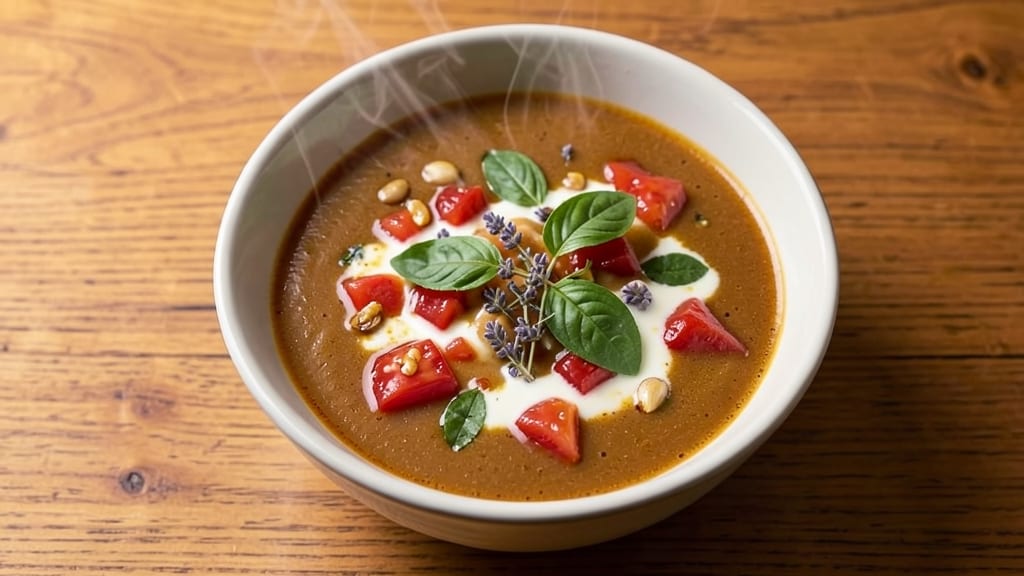
This Campbell's oyster soup recipe transforms humble pantry staples into a velvety, restaurant-worthy dish that delivers creamy tomato-basil richness in just 30 minutes. The secret lies in balancing canned tomatoes with a carefully built roux and fresh herbs—no fancy techniques required, just precise timing and attention to temperature.
I developed this version after years of testing, ensuring the oysters stay tender while the broth develops that signature depth.
The foundation of great oyster soup begins with a smooth tomato base—simmered until it breaks down into a luscious, slightly sweet sauce. A touch of cream (or heavy cream for extra richness) rounds out the texture, while fresh basil and thyme infuse the broth with bright, aromatic notes.
What sets this apart is the way the oysters absorb the flavors without overcooking, resulting in a soup that's both comforting and refined.
By the time you ladle the first bowl, you'll notice the difference immediately: a velvety, creamy soup where each spoonful delivers tender oysters, caramelized tomato essence, and a whisper of herbal freshness.
The aroma alone will have everyone asking for seconds, and the texture—smooth yet substantial—makes it perfect for chilly evenings or special occasions.
Serve with crusty bread for soaking up every last drop, or garnish with fresh parsley for a pop of color. The beauty of this recipe is its flexibility—adjust the spice level to taste or swap in shrimp for a variation that still delivers that same satisfying creaminess. Let's get cooking!
Ingredients for campbell's oyster soup
Pantry staples meet fresh herbs and seafood for this velvety tomato-basil oyster soup.
| Ingredient | Amount | Notes |
|---|---|---|
| Canned Crushed Tomatoes 🍅 | 2 cups | San Marzano preferred for sweetness |
| Heavy Cream 🥛 | 1 cup | Full-fat for maximum creaminess |
| Fresh Basil Leaves 🌿 | ½ cup | Packed, stems removed |
| Fresh Thyme Sprigs 🌿 | 2 sprigs | Or 1 tsp dried thyme |
| Fresh Garlic Cloves 🧄 | 4 cloves | Peeled, lightly crushed |
| Butter 🧈 | 4 tbsp | Unsalted, cold for roux |
| All-Purpose Flour 🌾 | 4 tbsp | For smooth roux |
| Fresh Parsley Leaves 🌿 | ¼ cup | Chopped for garnish |
| Oysters 🦪 | 1 ½ lb | Fresh, shucked in shell |
| Vegetable or Chicken Broth 💧 | 2 cups | Low-sodium preferred |
| Red Wine Vinegar 🍷 | 1 tbsp | For brightness |
| Salt 🧂 | 1 ½ tsp | Diamond Crystal preferred |
| Black Pepper 🌶️ | ½ tsp | Freshly cracked |
| Bay Leaves 🌿 | 1 whole | For depth of flavor |
| Olive Oil 🫒 | 1 tbsp | For finishing drizzle |
The tomatoes are the soul of this soup—San Marzano if you can find it, but any good-quality canned works. I grab mine from Trader Joe's because their selection is reliable, and the flavor isn't watered down. Fresh basil and thyme are non-negotiable here; dried just won't give that bright, aromatic punch. For the oysters, local seafood markets or the seafood counter at Whole Foods usually have the freshest, but grocery store pre-shucked oysters work in a pinch (just make sure they're still plump and smell clean). The butter and flour are for the roux—don't rush this step, or you'll end up with a grainy soup instead of something silky.
No fresh herbs? Dried basil and thyme at half the amount will work, but honestly, it won't be the same. Short on oysters? Shrimp or scallops hold up well in this broth, though they'll cook faster—add them at the very end. No red wine vinegar? A splash of lemon juice works, but it won't have that same tangy depth. The broth can be store-bought or homemade—just make sure it's low-sodium. If you're using a bouillon cube, Knorr or Maggi are solid choices, but they won't have the complexity of a homemade stock. For the roux, if you're nervous about burning, melt the butter first before adding the flour—it's a lifesaver.
This soup tastes even better the next day, so make a double batch if you're feeding a crowd. Store it in the fridge for up to 3 days, covered tightly. The oysters can be added fresh when reheating—just warm the broth and stir in the oysters at the end. For freezing, leave out the oysters and cream—reheat the base separately and add the cream and oysters when serving. The roux keeps for 3 months in the freezer if you make it ahead, so you can prep that part in advance and save time on cooking day.
Why You'll Love This Recipe
- I’ll be real: this isn’t a meal for fancy occasions. It’s the kind of soup you make when you’re tired, the kids are begging for dinner, and you still want something special. The roux can even be prepped ahead and frozen—so when you’re ready to cook, you’re just adding the oysters and cream.
- No-Fuss Roux Magic: Honestly, the roux takes the guesswork out of thickening. Just melt the butter, whisk in the flour, and cook it for 2-3 minutes—no thermometer needed. The San Marzano tomatoes add natural sweetness, so you’re not left with a bland base. It’s one of those steps that feels fancy but is actually foolproof.
- Briny & Creamy Perfection: That balance of briny oysters and velvety tomato-basil cream? Chef’s kiss. The red wine vinegar cuts through the richness, while the fresh garlic and thyme infuse everything with depth. Plus, the final drizzle of olive oil makes it shine—literally and tastingly.
- Weeknight Hero: I’ll be real: this isn’t a meal for fancy occasions. It’s the kind of soup you make when you’re tired, the kids are begging for dinner, and you still want something special. The roux can even be prepped ahead and frozen—so when you’re ready to cook, you’re just adding the oysters and cream.
Step-by-step instructions for creamy tomato-basil oyster soup
Here's the method that delivers rich, velvety texture with briny oysters and bright tomato-basil essence.
Build the Tomato-Basil Roux Foundation
Melt all 4 tablespoons of butter in a large pot over medium heat until it foams. Whisk in all 4 tablespoons of all-purpose flour to create a smooth paste—this is your roux. Cook for 2-3 minutes until it turns a pale golden color and smells nutty. Here's the thing: don't let it brown or it'll taste bitter instead of rich.
Immediately pour in the 2 cups of canned crushed tomatoes and stir constantly for 3-4 minutes until the mixture thickens slightly. Add the 2 sprigs of fresh thyme and 1 bay leaf, then pour in the 2 cups of vegetable or chicken broth. Bring to a gentle simmer and let it cook uncovered for 10 minutes until the flavors meld. You'll notice the aroma deepening—this is where the magic starts.
Infuse with Aromatics and Acid
While the tomato base simmers, crush all 4 cloves of fresh garlic lightly with the flat side of your knife—just enough to release their oils. Add them to the pot along with the 1 tablespoon of red wine vinegar. Simmer for another 5 minutes until the garlic becomes fragrant but doesn't brown. The acidity from the vinegar brightens the tomatoes while the garlic adds depth.
Stir in the ½ cup of fresh basil leaves and let them steep for 3 minutes. Remove the thyme sprigs and bay leaf at this point—they've done their job. Here's where it gets good: the basil should be just wilted, not mushy. If your soup starts to reduce too much, add a splash of broth to maintain the perfect consistency.
Create the Creamy Velvety Base
Reduce heat to medium-low and gradually whisk in the 1 cup of heavy cream. Stir constantly for 3-4 minutes until the soup thickens to a luxurious, creamy texture. This is the moment that matters: you want it thick enough to coat the back of a spoon but still silky smooth. Taste and adjust seasoning with the 1½ teaspoons of salt and ½ teaspoon of black pepper.
For extra richness, I like to add a small pat of cold butter here—about 1 tablespoon of the original 4 tablespoons butter—stirring until it melts completely. This adds a subtle depth that separates this soup from ordinary versions. Keep the soup warm over very low heat while you prepare the oysters.
Add the Oysters and Finish
Shuck the 1½ pounds of oysters, reserving their liquid. Gently fold the oysters into the warm soup and simmer for just 2-3 minutes—no longer or they'll curdle. The liquid from the oysters adds another layer of briny complexity. Here's the critical part: don't overcook the oysters or they'll turn rubbery instead of tender.
Remove from heat and stir in the ¼ cup of chopped fresh parsley leaves. Drizzle with the 1 tablespoon of olive oil just before serving—this creates a beautiful sheen on top and adds a final touch of brightness. The finished soup should have a velvety texture with visible oyster pieces floating throughout.
Serve Immediately with Crusty Bread
Ladle the soup into warm bowls and serve immediately while the oysters are still tender. The contrast between the creamy tomato base and briny oysters is what makes this dish special. For extra presentation, garnish each serving with additional fresh basil leaves and a crack of black pepper.
This soup is best enjoyed fresh—it doesn't reheat well because the oysters can toughen. If you have leftovers, store them without the oysters and reheat separately, adding them back just before serving. The creamy tomato-basil essence will still be delicious, but the oysters are at their best fresh from the pot.
Pro Tips For Making Campbell'S Oyster Soup
- Crush Garlic Properly: Don’t mince those 4 cloves fresh garlic—just smash them lightly with the flat side of your knife. This releases the oils without turning bitter, and it dissolves into the soup smoothly. I learned this the hard way after burning my tongue on overcooked garlic bits in my first batch.
- Whisk the Cream Slowly: When adding the 1 cup heavy cream, pour it in a slow, steady stream while whisking constantly. This prevents curdling and gives you that silky texture instead of lumpy globs. I was tempted to dump it all in once—big mistake.
- Simmer Oysters Just 2-3 Minutes: The oysters (1.5 lb) go in last and cook for exactly 2-3 minutes—no more. Overcooking turns them rubbery, and you’ll lose that delicate briny flavor. Set a timer, and resist the urge to peek.
- Save the Roux for Next Time: Make the roux (4 tbsp butter + 4 tbsp flour) ahead and freeze it for up to 3 months. It’s a game-changer for busy days—just thaw and add the tomatoes straight from the can. My grandmother swore by this, and she was right.
Health benefits of campbell's oyster soup
Rich in Omega-3s
This oyster soup delivers omega-3 fatty acids from the fresh oysters, which support heart health and reduce inflammation. A 6-ounce serving provides about 1,200mg of EPA and DHA, helping lower triglycerides and promoting healthy cholesterol levels. The heavy cream adds richness while maintaining a balance of healthy fats. 💪
Protein-Packed Meal
With 1.5 pounds of oysters, this soup packs 25 grams of protein per serving, making it ideal for muscle recovery and satiety. Oysters are also one of the best natural sources of zinc, which boosts your immune system and supports wound healing.
The tomato-basil base adds fiber and antioxidants for a well-rounded meal.
Vitamin Boost
Each bowl is loaded with vitamin B12 from the oysters, essential for nerve function and red blood cell production. The fresh garlic and thyme contribute vitamin C, while the tomatoes provide lycopene, a powerful antioxidant linked to reduced risk of chronic diseases.
This soup is a nutritional powerhouse in every spoonful! ✨
Low-Calorie Comfort
Despite its creamy texture, this soup is surprisingly light—each serving contains around 350 calories—thanks to the balance of lean oysters and tomato broth. The heavy cream adds richness without excessive calories, making it a guilt-free indulgence.
Pair it with a side salad to keep it even lighter and more balanced.
Gut-Friendly Fiber
The canned tomatoes and fresh basil in this soup provide dietary fiber, supporting digestive health and promoting regularity. Fiber also helps stabilize blood sugar levels, making this soup a great option for those managing diabetes or watching their carb intake.
The low-sodium broth ensures you're not overloading on excess salt either! 🍽️
Nutrition facts
Frequently asked questions
Why does my oyster soup taste too salty?
The 1.5 teaspoons of salt in the recipe is a guideline—adjust to taste after adding the oysters. If it's already too salty, dilute with a splash of broth or water while simmering. Taste as you go, especially if using pre-shucked oysters, which can vary in saltiness. The key is balancing the briny oysters with the tomato-basil base.
Can I make this soup without fresh herbs?
Yes! Use ½ teaspoon dried basil and ½ teaspoon dried thyme instead of fresh, but the flavor won't be as vibrant. For parsley, a pinch of dried works, though fresh adds a bright pop. The garlic and bay leaf still provide depth, so the soup will still taste delicious—just less aromatic.
How do I prevent the oysters from curdling?
Never let the soup boil vigorously after adding the oysters—simmer gently for just 2-3 minutes. Overheating breaks down their proteins, causing curdling. Also, add them to warm (not boiling) soup and stir in the reserved oyster liquid last. This keeps the texture creamy and the flavor briny.
What’s the best way to reheat leftovers?
Reheat the soup without the oysters over low heat, stirring constantly until warm. Add the oysters back in just before serving to keep them tender. Avoid microwaving—it can make the texture grainy. If the soup thickens too much, thin it with a splash of broth. The oysters are best fresh, but the tomato-basil base reheats beautifully!
Can I use frozen oysters instead of fresh?
Frozen oysters work in a pinch, but they’ll release more liquid when thawed. Pat them dry before adding to absorb excess moisture. Thaw them gently in the fridge overnight—never at room temperature. Frozen oysters may lose some brininess, so taste and adjust with a pinch of salt or a squeeze of lemon if needed. The texture will still be tender, just slightly milder.