
Soups & Stews
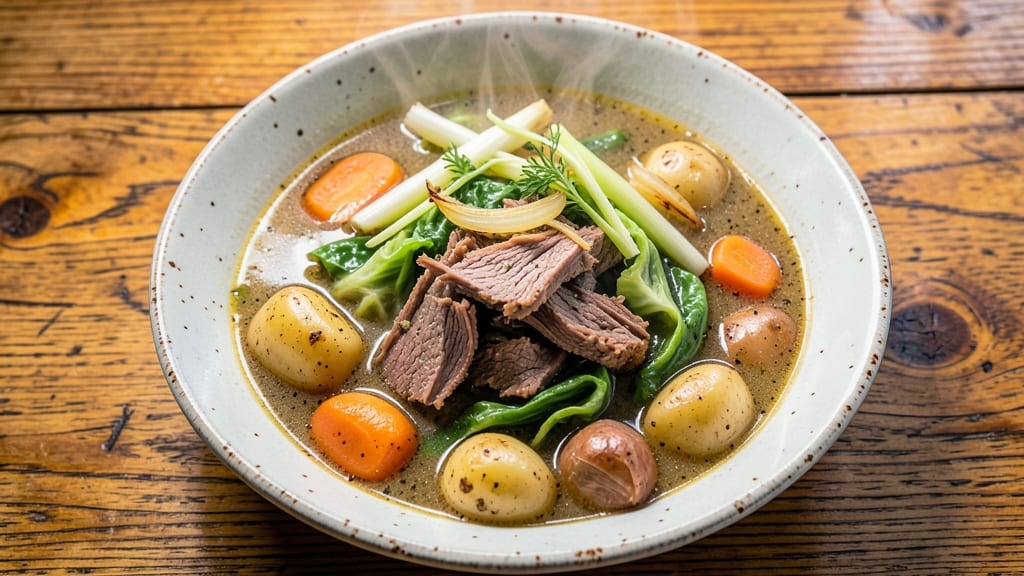
This canned corned beef and cabbage soup recipe turns humble pantry staples into a rich, comforting one-pot meal with ease. The secret lies in using potatoes to thicken the broth naturally, creating a rich, savory base that pairs perfectly with the tender corned beef and cabbage.
I developed this method after realizing how much better homemade soup tastes compared to store-bought versions—especially on chilly afternoons when quick comfort food is needed.
This recipe focuses on balancing flavors without overpowering the natural taste of the corned beef, which can sometimes be too salty. By simmering with aromatics like onion and bay leaf, we build depth while keeping the process straightforward.
The potatoes not only thicken the soup but also add a satisfying heartiness that rounds out the dish. With just 30–45 minutes of active time, you’ll have a steaming bowl of soup that feels indulgent yet effortless.
What makes this soup special is its versatility—serve it as-is for a classic meal, or add a splash of vinegar for tang or a dash of mustard for complexity.
The result is a bowl of soup that’s rich in flavor, comforting, and perfect for feeding a crowd or meal prepping for the week. The one-pot method ensures easy cleanup, so you can focus on enjoying the meal rather than the dishes.
Pair it with crusty bread, tangy pickles, or a simple green salad to round out the meal. Whether you're looking for a quick weeknight dinner or a comforting dish for a cold day, this recipe delivers warmth and satisfaction in every spoonful. Let’s get started!
Ingredients for canned corned beef and cabbage soup
Pantry staples meet hearty comfort—this soup builds flavor with potatoes and aromatic vegetables.
| Ingredient | Amount | Notes |
|---|---|---|
| Canned Corned Beef 🥩 | 2 lbs | With natural juices, drained |
| Russet Potatoes 🥔 | 3 medium | Peeled, cut into chunks |
| Green Cabbage 🥬 | 1 small | Shredded, core removed |
| Carrots 🥕 | 3 medium | Peeled, sliced into rounds |
| Yellow Onion 🧅 | 1 whole | Diced, medium size |
| Celery Stalks 🌿 | 3 whole | Diced, including leaves |
| Bay Leaves 🍃 | 2 whole | Dried, standard size |
| Garlic Cloves 🧄 | 4 cloves | Peeled, minced |
| Chicken Broth 💧 | 4 cups | Low-sodium preferred |
| Apple Cider Vinegar 🍎 | 1 tbsp | For brightness |
| Dijon Mustard 🍯 | 1 tsp | For depth of flavor |
| Salt 🧂 | 1 ½ tsp | Adjust to taste |
| Black Pepper 🌶️ | ½ tsp | Freshly ground |
| Fresh Parsley 🌿 | ¼ cup | Chopped, for garnish |
The potatoes are the secret weapon here. Russet potatoes work best because they hold their shape and thicken the broth beautifully. Look for firm, unblemished potatoes at Whole Foods or your local grocery store—avoid any with sprouts or soft spots. The corned beef should be high-quality canned beef with natural juices, like Hormel or Gold Label brands. If you can't find those, any canned corned beef will work, but drain it well to control saltiness. The cabbage should be fresh and crisp, not wilted—check the outer leaves for a vibrant green color. If you're short on time, pre-shredded cabbage from the bag works, though it lacks the freshness of whole heads.
No fresh parsley? Dried parsley at one-third the amount will work in a pinch, though it lacks the bright pop of fresh. Short on carrots? Substitute with turnips or parsnips for a slightly different flavor profile. The apple cider vinegar is optional but adds a nice tang—if you're avoiding it, a splash of lemon juice works too. For a deeper flavor, add a pinch of smoked paprika or a dash of hot sauce. The broth can be swapped for vegetable broth if you're vegetarian, though the flavor will differ slightly. Always taste before serving—this soup is forgiving, so adjust the salt and pepper to your preference.
This soup tastes even better the next day as flavors meld. Store in an airtight container in the fridge for up to 5 days, or freeze for 3 months for quick meals later. I like to portion it into individual containers for easy grab-and-go lunches. The potatoes will soften further when reheated, so keep an eye on them. For extra richness, stir in a dollop of sour cream or a swirl of crème fraîche before serving. The parsley can be added fresh at the end to keep it vibrant.
Why You'll Love This Recipe
- No Chopping Chaos: I swear by the canned corned beef—it’s pre-braised and ready to go, so I only dice the onions while the cabbage sits whole until the last 10 minutes. Less mess, more soup.
- Salty-Sweet Magic: That brined corned beef? It’s got just enough tang to cut through the sweetness of the carrots and potatoes, while the cabbage softens into tender, slightly bitter layers. Honestly, the first bite makes me question why I ever bought fresh brisket.
- Leftovers That Win: This soup actually improves the next day—potatoes soak up all the broth, cabbage melts into creamy ribbons, and the flavors deepen. I freeze half the batch without hesitation; it’s my go-to for lazy Mondays or when company drops by unannounced.
- Budget Meal for Crowds: For under $10, I feed four people a hearty, filling dinner with zero guilt. The canned beef stretches, the potatoes bulk it up, and the cabbage adds freshness without breaking the bank. (Yes, even on a Tuesday night.)
Step-by-step instructions for canned corned beef and cabbage soup
This one-pot wonder delivers hearty, comforting flavors with minimal effort.
Sauté the Aromatic Vegetable Base
In a large Dutch oven or heavy pot, combine the 1 yellow onion, 3 celery stalks, and 3 medium carrots, all diced as specified. Cook over medium heat for 8-10 minutes, stirring occasionally, until the vegetables soften slightly and the onion becomes translucent. This foundational step builds flavor that carries through the entire soup.
Add the 4 cloves garlic cloves and cook for an additional 1 minute until fragrant. Here's the thing—don't let the garlic burn. It should smell sweet and inviting, not bitter. If it starts to darken too quickly, reduce the heat slightly. This aromatic base forms the flavor foundation for the entire dish.
Build the Soup with Potatoes and Seasonings
Add the 3 medium russet potatoes cut into chunks, 2 bay leaves, 1½ tsp salt, and ½ tsp black pepper to the pot. Stir to combine, then pour in the 4 cups chicken broth. Bring the mixture to a boil over medium-high heat, then immediately reduce to a simmer. Let it cook uncovered for 15 minutes to allow the potatoes to begin softening and the flavors to meld.
While this simmers, add the 1 tbsp apple cider vinegar and 1 tsp Dijon mustard to the pot. These ingredients add brightness and depth that cut through the richness of the corned beef. The vinegar prevents the soup from tasting flat, while the mustard adds complexity that elevates the simple ingredients. Stir well to distribute evenly.
Incorporate the Corned Beef and Cabbage
Add the 2 lbs canned corned beef with its natural juices and the 1 small green cabbage shredded with the core removed. Stir gently to combine, ensuring the corned beef pieces are well-distributed throughout the soup. The cabbage will soften as it simmers, releasing its flavor into the broth. Return the soup to a gentle simmer and cook uncovered for 20-25 minutes, until the potatoes are tender when pierced with a fork.
Here's where it gets important: The soup should have a thick, hearty consistency. If it's too thin, remove the 2 bay leaves and simmer uncovered for an additional 5-10 minutes to reduce the liquid slightly. The potatoes will naturally thicken the soup as they break down, but this extra reduction ensures the perfect texture. Taste and adjust seasoning if needed.
Finish and Garnish
Once the potatoes are tender and the soup has reached the desired consistency, remove the pot from heat. Stir in the ¼ cup fresh parsley, chopped as specified. The parsley adds freshness and color, providing a visual contrast to the rich, savory soup. Let the soup sit off the heat for 5 minutes to allow the flavors to fully meld together.
Ladle the soup into bowls and serve immediately. The combination of tender corned beef, hearty vegetables, and flavorful broth creates a comforting dish that's perfect for chilly days. Each spoonful delivers the perfect balance of savory, slightly tangy, and fresh flavors. Don't skip the parsley—it's the finishing touch that ties everything together.
Pro Tips For Making Canned Corned Beef And Cabbage Soup
- Sauté Until Translucent: That onion-carrot-celery base isn’t just filler—it needs to cook until the onion turns clear and the carrots soften just enough to release their sweetness. I used to rush this step, and the soup always tasted dull. Take the full 8-10 minutes, stirring occasionally, and resist the urge to speed it up. The flavor payoff is worth the wait.
- Save the Juices: Draining the canned corned beef is a must, but don’t toss those juices—they’re packed with flavor. I learned this the hard way when I poured them down the drain and ended up with a watery soup. Instead, drain the beef but keep the juices in a small bowl, then stir them back in after the soup simmers. That extra depth makes all the difference.
- Cut Potatoes Evenly: Unevenly sized potato chunks mean some will cook faster than others, leading to a mushy mess or undercooked bits. Take the extra 30 seconds to cut all three russet potatoes into similar-sized chunks—about 1.5 inches each. This ensures they all soften at the same time, giving you that perfect creamy texture without any surprises.
- Simmer Uncovered Always: I know it’s tempting to cover the pot to speed things up, but that’s how you end up with a gloppy, watered-down soup. The recipe calls for simmering uncovered, and that’s non-negotiable. The evaporation thickens the broth naturally, so trust the process—even if it means an extra 5 minutes of simmering. Your future self will thank you for the right consistency.
Essential equipment for this recipe
Your Dutch Oven
For this soup, I swear by a Le Creuset Dutch oven (around $150), but any heavy-bottomed pot with a lid will work. The key is durability—avoid thin, lightweight pots that warp or burn food.
If you're on a budget, a Lodge cast iron Dutch oven (around $80) is a fantastic alternative. The thick metal distributes heat evenly, ensuring your vegetables caramelize properly and your soup simmers without scorching. 🔥
Digital Thermometer
A Thermoworks Smoke thermometer (around $100) is my go-to for monitoring internal temperatures, but even a simple instant-read thermometer (around $20) helps prevent overcooking. While you’re not measuring meat temperature here, it’s useful for checking when your potatoes reach the perfect tenderness.
I keep mine nearby whenever I make soups or stews.
Fine-Mesh Strainer
Draining the 2 lbs corned beef properly is critical to avoid a salty soup. A fine-mesh strainer (around $15) lets the juices flow while keeping the beef intact. I use mine to rinse the beef briefly under cold water after draining—this helps balance the saltiness.
A colander won’t cut it; the holes need to be small enough to catch the larger pieces.
Wooden Spoon
Stirring with a wooden spoon prevents scratching your pot’s surface and keeps flavors from sticking. I prefer a wide, flat-bottomed spoon (around $10) for even distribution of ingredients.
Avoid metal utensils during the sautéing phase—they can cause hot spots. A wooden spoon also makes it easier to lift delicate cabbage shreds without tearing them.
Immersion Blender
If you prefer a smoother texture, an immersion blender (around $30) is a game-changer. I blend the soup briefly in the pot for a velvety finish while keeping it rustic.
Even if you don’t use it, it’s handy for future soups or sauces. No immersion blender? A handheld blender works too, but be careful of splashes.
Serving Bowls
For presentation, I love using stoneware bowls (around $25 each) that complement the Dutch oven’s aesthetic. They hold heat well and add a rustic charm to the meal. If you’re serving a crowd, stackable plastic or ceramic bowls (around $10 each) are practical for leftovers.
A simple white or earthy-toned bowl keeps the focus on the soup’s rich flavors. 💛
Nutrition facts
Frequently asked questions
Why does this soup recipe use potatoes to thicken instead of flour or roux?
The potatoes create a naturally rich, hearty texture without making the soup gluey or heavy. They break down slowly while simmering, releasing starch that thickens the broth beautifully—no extra ingredients needed! This method keeps the soup light yet satisfying, perfect for one-pot meals.
Can I reduce the saltiness from the canned corned beef?
Rinse the 2 lbs canned corned beef under cold water after draining to remove excess salt. For extra control, use low-sodium chicken broth instead of regular. Taste before adding more salt—this soup is forgiving and can always be adjusted.
What if my cabbage turns mushy too fast?
Add the 1 small green cabbage later in the cooking process—after the 20 minutes of simmering with the corned beef. This prevents over-softening while still letting it absorb flavors. For extra texture, remove it 5 minutes before the potatoes are done.
Is this soup freezer-friendly?
Yes! Store in an airtight container for up to 3 months in the freezer. Thaw overnight in the fridge before reheating. The potatoes will soften further when reheated, so check for doneness. It reheats beautifully and tastes even better the second day!