
Soups & Stews
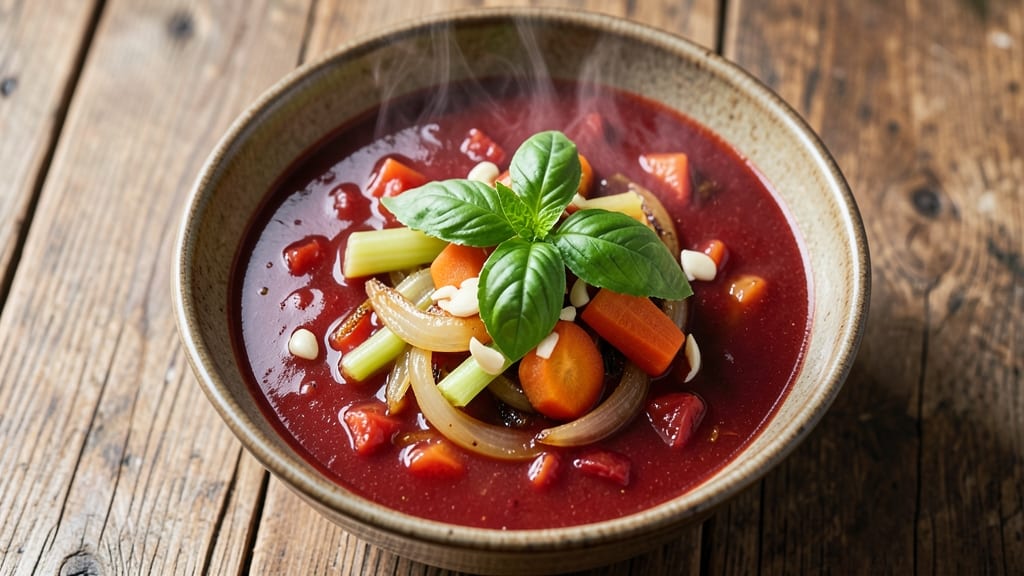
Transforming fresh garden tomatoes into canned tomato soup is one of the most rewarding ways to preserve summer's bounty. This homemade pantry staple captures the deep, caramelized flavors of homegrown tomatoes while creating a versatile base for countless meals.
The process is straightforward but requires precision to ensure both safety and delicious results—no shortcuts here, just reliable techniques that deliver professional-quality soup every time.
What sets this recipe apart is its one-pot efficiency, where tomatoes simmer with aromatic vegetables until they break down into a rich, velvety base. The key lies in proper seasoning and acidification (critical for safe canning), which transforms ordinary tomatoes into a bold, complex soup that improves with time.
Whether you're a beginner or an experienced canner, this method delivers consistent, restaurant-quality results in your own kitchen.
By the time you finish processing, you'll have jars of luscious tomato soup that can be used as a standalone dish, a hearty side, or the foundation for other recipes. The smooth texture and concentrated tomato flavor make it perfect for freezing or storing in the pantry for months.
This isn't just canning—it's creating a flavor-packed staple that will elevate your meals for years to come.
The beauty of this recipe lies in its adaptability. While the basic method ensures safety and consistency, you can customize the flavor profile with herbs, spices, or even a touch of sweetness.
Let's get started on turning your fresh tomatoes into a versatile, long-lasting pantry essential that's always ready when you need it.
Ingredients for canning tomato soup recipe with fresh tomatoes
Fresh tomatoes, aromatic vegetables, and precise seasoning create this canning tomato soup masterpiece.
| Ingredient | Amount | Notes |
|---|---|---|
| Ripe Tomatoes 🍅 | 12 lb | Peeled, cored, chopped |
| Yellow Onions 🧅 | 2 whole | Chopped, medium dice |
| Carrots 🥕 | 2 cups | Peeled, chopped, medium dice |
| Celery Stalks 🌽 | 2 whole | Chopped, medium dice |
| Garlic Cloves 🧄 | 6 cloves | Minced, aromatic |
| Fresh Basil Leaves 🌿 | ½ cup | Chopped, bright green |
| Dried Oregano 🍃 | 1 tsp | Mexican oregano preferred |
| Salt 🧂 | 1 ½ tbsp | Diamond Crystal kosher |
| Black Peppercorns 🌶️ | 1 tbsp | Whole, freshly ground |
| Citric Acid 💧 | ½ tsp | For safe canning |
| Water 💧 | 6 cups | Filtered or spring water |
| Extra-Virgin Olive Oil 🫒 | ¼ cup | For sautéing aromatics |
| Lemon Juice 🍋 | 2 tbsp | Freshly squeezed, acidic |
The tomatoes are everything here—choose ripe, meaty varieties like Roma or San Marzano for best results. Costco's bulk bins offer great value, but always check for bruises or soft spots. Peel them first (blanch in boiling water for 30 seconds), then chop into even pieces. The citric acid is non-negotiable for safe canning—Ball brand is reliable. Fresh basil and oregano add complexity, but if you're short on time, dried basil at half the amount keeps it simple.
No fresh basil? Italian seasoning blend works in a pinch, but you'll lose some brightness. The carrots and celery should be peeled and chopped uniformly—this ensures even cooking. For extra depth, add 1/4 cup tomato paste with the aromatics. The garlic cloves should be minced finely—don't skip this step, or the flavor will be muted. If you're canning for the first time, use a pressure canner for safety, even though this is a low-acid recipe.
This soup keeps beautifully in the pantry for 12-18 months if properly processed. Store jars in a cool, dark place—not the fridge until opened. The texture improves over time, so don't rush to eat it. For freezing, portion into airtight containers and leave 1-inch headspace. The citric acid packets can be reused for up to 3 canning batches if stored properly. Always use new lids for each canning session—Ball or Kerr are trusted brands. Reheat gently on the stove, never in the microwave.
Why You'll Love This Recipe
- One-Pot Magic: I love that this soup practically makes itself—just toss those chopped tomatoes, onions, carrots, and celery into the pot with a little olive oil, and let the magic happen. The garlic and oregano get their moment in the sun while you stir occasionally, so even if you’re not a chopping champion, this still delivers.
- Tangy, Caramelized Depth: The lemon juice and citric acid give it that perfect balance—sweet, tangy, and just a little complex. Those caramelized tomatoes and fresh basil? Chef’s kiss. It’s the kind of soup where every bite feels like a hug from your grandmother’s kitchen.
- Freezer & Pantry Hero: Need a last-minute dinner? Pull out a jar of this, reheat, and you’ve got a meal in minutes. Or freeze portions for those nights when you’re too tired to chop anything. It’s the ultimate lazy-but-still-gourmet hack, and it keeps for years if done right.
- Budget-Friendly Harvest: Twelve pounds of tomatoes might sound like a lot, but trust me—this is the kind of recipe that stretches your dollars while making your pantry feel like a treasure trove. Plus, those carrots, celery, and onions? They’re cheap, versatile, and turn into something so much more than a side dish.
Step-by-step instructions for canning tomato soup with fresh tomatoes
Here's the method for transforming fresh garden tomatoes into a rich, canned soup that tastes homemade.
Sauté the Aromatic Vegetable Base
Heat the ¼ cup extra-virgin olive oil in a large stockpot over medium heat. Add the 2 chopped yellow onions, 2 cups chopped carrots, and 2 chopped celery stalks. Cook for 8-10 minutes until the vegetables soften and the onions become translucent.
Here's where the flavor foundation builds: add the 6 minced garlic cloves and cook for another 1-2 minutes until fragrant. You'll notice the kitchen fills with that unmistakable aroma—this is your signal the aromatics are ready. Stir occasionally to prevent burning, but don't rush this step. The deeper the color of the vegetables, the more flavor you'll extract for that rich soup base.
Build the Tomato Base and Season
Add the 12 lb chopped ripe tomatoes to the pot along with the 1 tsp dried oregano, 1½ tbsp salt, and 1 tbsp freshly ground black peppercorns. Stir well to combine all ingredients thoroughly.
Bring the mixture to a boil, then reduce heat to medium-low and simmer uncovered for 30-40 minutes, stirring occasionally. You're looking for the tomatoes to break down completely and the mixture to thicken slightly. This is where the natural tomato sugars caramelize, creating that deep, complex flavor. The soup should reduce enough to coat the back of a spoon but still maintain a smooth consistency.
Once the tomatoes have fully broken down, stir in the ½ cup chopped fresh basil leaves and 2 tbsp freshly squeezed lemon juice. The basil adds bright freshness while the lemon juice brightens the overall flavor profile. Let the soup simmer for an additional 5 minutes to allow these ingredients to meld completely.
Prepare for Canning with Acidification
While the soup simmers, prepare your canning equipment according to manufacturer's instructions. This is where food safety becomes critical—proper canning prevents botulism. Add the ½ tsp citric acid to the soup and stir well to distribute evenly throughout the mixture.
The citric acid is essential for creating an acidic environment that inhibits bacterial growth during the canning process. This step isn't optional—it's what makes home canning safe. After adding the citric acid, let the soup simmer for another 5 minutes to ensure it's properly acidified. The soup should now have a noticeable tang that balances the sweetness of the tomatoes.
Fill Jars and Process for Safe Storage
Ladle the hot tomato soup into clean, hot pint or quart jars, leaving ½-inch headspace at the top. Use a magnetic wand or jar lifter to avoid burning yourself. Remove air bubbles by gently tapping the jars on the counter or running a bubble remover around the inside of the jars.
Wipe the jar rims with a clean, damp cloth to ensure a proper seal. Place lids on the jars and screw on bands until fingertip tight. Process pint jars in a boiling water bath for 45 minutes and quart jars for 50 minutes, adjusting for altitude if necessary. The water should cover the jars by at least 1-2 inches during processing.
After processing, remove the jars from the canner and let them cool undisturbed for 12-24 hours. You'll hear the satisfying "ping" as the jars seal. Check that the lids have sealed properly by pressing down on the center—they shouldn't pop back up. Properly sealed jars will keep in a cool, dark place for up to 1 year, ready to transform into a comforting bowl of soup whenever you need it.
Pro Tips For Making Canning Tomato Soup Recipe With Fresh Tomatoes
- Cook Onions Until Golden: The recipe says 8-10 minutes for softening, but don’t stop when they’re just translucent—push it until the onions turn a deep golden color. That’s when they’ll caramelize enough to give your soup real depth. (Yes, even if you’re impatient like me.)
- Peel Tomatoes Hot: I learned this the hard way—peeling tomatoes after blanching them in boiling water for 30 seconds makes the skins slide off effortlessly. Skip this step, and you’ll be stuck scraping skins off raw tomatoes all afternoon.
- Stir the Simmer: The soup needs to simmer uncovered for 30-40 minutes, but stirring every 5-10 minutes prevents scorching on the bottom. I used to walk away, and the next thing I knew, the pot smelled like burnt sugar. Not ideal.
- Acidify Before Jarring: The citric acid isn’t optional—it’s the only thing keeping your jars safe. Stir it in before filling the jars, and let the soup simmer for those final 5 minutes. Skimping here means risking a bad batch, and nobody wants that.
Regional styles of these flavors
Southern Comfort Style
In the South, this soup often gets a touch of sweetness and smoky depth that sets it apart. I like adding ½ cup diced sweet potato along with the carrots and celery to the base.
For extra richness, stir in 2 tbsp tomato paste with the aromatics, and finish with 1 tsp smoked paprika after blending. The result is a velvety, slightly sweet soup that feels like a hug on a chilly evening. 🔥
Italian Garden Fusion
Southern Italian canners often enhance this soup with fresh herbs and citrus zest. I swap the ½ cup fresh basil for ¼ cup each of fresh basil and parsley, plus add 1 tbsp lemon zest with the lemon juice.
Some add 1 crushed red chili for subtle heat—this version feels like a Tuscan garden in a jar. The acidity from the zest brightens the tomatoes beautifully.
Mexican-Inspired Spice Blend
For a bold, spicy kick, Mexican home cooks often incorporate cumin and chili powder. I replace the 1 tsp dried oregano with ½ tsp each of ground cumin and chili powder, then add 1 tsp ground coriander with the tomatoes.
A pinch of cayenne (about ¼ tsp) brings heat, while 1 minced jalapeño adds freshness. This version pairs perfectly with crusty bread and cheese. 🌶️
French-Style Velouté
In France, tomato soup is often silky smooth and refined. I blend the cooked soup until completely smooth, then stir in 2 tbsp heavy cream or ½ cup crème fraîche at the end.
For extra depth, I add 1 tbsp tomato paste with the aromatics and a bay leaf while simmering. The result is a luxurious, restaurant-quality soup that feels indulgent but still homemade.
Cajun-Inspired Heat
Louisiana cooks love adding bold, spicy flavors to their canned soups. I boost the heat by adding 1 tsp Creole seasoning (like Tony Chachere's) with the tomatoes, plus ½ tsp cayenne and 1 tsp smoked paprika.
For extra richness, I stir in 2 tbsp butter after blending. This version is perfect for cold days and pairs wonderfully with andouille sausage or blackened shrimp.
Nutrition facts
Frequently asked questions
Why is citric acid essential in this canning tomato soup recipe?
The ½ tsp citric acid is critical for safe canning as it creates an acidic environment that prevents harmful bacteria like botulism from growing. Since tomatoes are naturally low-acid, this step ensures your soup remains safe for long-term storage. Never skip it—it’s what makes home canning reliable!
How do I know if my jars sealed properly after processing?
After cooling for 12-24 hours, press the center of each lid gently. If it doesn’t pop up, the jar sealed successfully. You’ll also hear a satisfying "ping" as the jar cools. Unsealed jars should be refrigerated and used within a few days. Always trust the seal test over appearance!
Can I use this soup recipe for pressure canning instead of water bath?
While this recipe is designed for water bath canning, you can use pressure canning if your altitude exceeds 1,000 feet—just follow USDA guidelines for low-acid foods. Pressure canning is safer for high elevations, but the water bath method works perfectly for most regions when acidified properly. Always check your canning manual for specifics!
What happens if I don’t simmer the tomatoes long enough?
Under-simmering means your soup won’t develop the rich, caramelized flavor or thicken properly. The 30-40 minute simmer breaks down the tomatoes fully, so don’t rush this step. If you’re in a hurry, reduce the water slightly to concentrate the flavors more quickly—just keep stirring!