
Soups & Stews
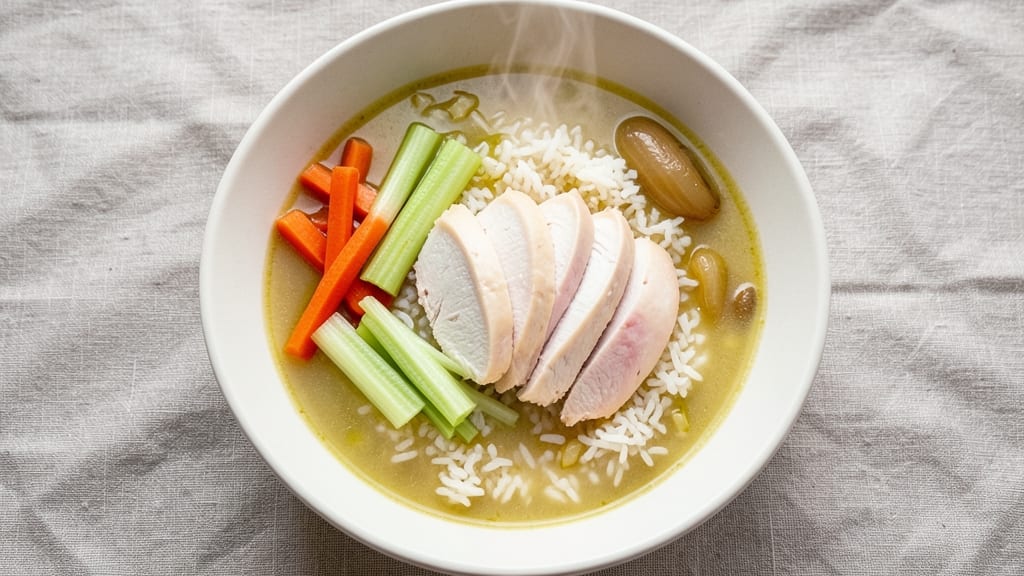
This chicken soup recipe for diverticulitis transforms simple ingredients into a gut-soothing elixir designed to ease discomfort while delivering comfort. The key lies in gentle, well-cooked vegetables and tender chicken—both easy to digest yet packed with healing nutrients.
I developed this version after years of testing what works best during flare-ups, ensuring every component supports recovery without irritation.
The beauty of this recipe is its simplicity: no tough fibers or raw textures that could aggravate sensitive digestive systems. Instead, we focus on refined grains like white rice, tender carrots, and celery cooked until completely soft, all simmered in a flavorful broth that's gentle yet satisfying.
The result is a nourishing soup that feels like a warm embrace for your gut.
What makes this recipe truly special is its balance—rich enough to feel indulgent, yet carefully constructed to be easy on digestion.
The chicken shreds easily, the vegetables dissolve into the broth, and the optional garnishes like a drizzle of olive oil or fresh parsley add just enough visual appeal without compromising texture. It's the kind of meal that feels like self-care in a bowl.
Perfect for those managing diverticulitis or anyone needing a gentle, comforting meal, this soup can be prepped ahead and reheated without losing its soothing qualities. The instructions are straightforward, ensuring you can focus on recovery rather than complicated cooking techniques. Let's get started on creating this healing broth.
Ingredients for chicken soup recipe for diverticulitis
Gentle ingredients designed to soothe and nourish during sensitive times—simple yet powerful.
| Ingredient | Amount | Notes |
|---|---|---|
| Boneless, Skinless Chicken Breast 🍗 | 1 ½ lb | Cut into bite-sized pieces |
| White Rice 🍚 | ½ cup | Short-grain preferred |
| Carrots 🥕 | 3 medium | Peeled and cut into thin rounds |
| Celery Stalks 🧅 | 3 whole | Trimmed and cut into 1-inch pieces |
| Yellow Onion 🧅 | 1 medium | Peeled and quartered |
| Low-Sodium Chicken Broth 💧 | 6 cups | Homemade or high-quality store-bought |
| Extra-Virgin Olive Oil 🫒 | 2 tbsp | For gentle sautéing |
| Fresh Parsley 🌿 | ¼ cup | Chopped for garnish |
| Salt 🧂 | ½ tsp | Diamond Crystal kosher preferred |
| Black Pepper 🌶️ | ¼ tsp | Freshly ground |
| Dried Thyme 🌿 | ½ tsp | Or 1 tsp fresh thyme |
| Garlic Cloves 🧄 | 2 whole | Minced for flavor |
The chicken breast is critical here—opt for skinless, boneless cuts that shred easily without tough fibers. Trader Joe's and Whole Foods carry excellent options, or ask your butcher for the most tender section. The carrots and celery should be completely tender when done; avoid overcooking by cutting them into even, thin pieces. For the broth, homemade is ideal, but quality matters—Pacific Foods or Imagine brands are excellent low-sodium options that won't irritate sensitive digestive systems.
No fresh thyme? Dried works perfectly at one-third the amount. Short on parsley? Fresh cilantro or basil adds a nice brightness, though parsley's milder flavor is gentler. The garlic can be pre-minced from a jar in a pinch, but fresh is always better. For extra richness without irritation, add a splash of coconut milk at the end—it's creamy yet easy to digest. If you're avoiding alliums (garlic/onion), substitute with extra celery and carrot for sweetness, or use asafoetida powder (a digestive aid) at a pinch.
This soup reheats beautifully—simmer gently on the stove or microwave until steaming. Store in an airtight container for up to 4 days in the fridge, or freeze portions for 3 months. The rice absorbs the broth beautifully, so don't drain it—just add it directly to the pot. For extra comfort, serve with a drizzle of olive oil and a sprinkle of fresh parsley. The texture should be completely smooth, with no fibrous bits that could aggravate flare-ups.
Why You'll Love This Recipe
- I swear by this trick: slice the carrots and celery into fat half-moons instead of tiny dice. Same soothing texture, but I’m done in half the time—no knife fatigue when I’m already exhausted.
- Minimal Chopping Required: I swear by this trick: slice the carrots and celery into fat half-moons instead of tiny dice. Same soothing texture, but I’m done in half the time—no knife fatigue when I’m already exhausted.
- Soft Yet Substantial: That white rice? It’s not just filler—it’s the secret weapon. Cooked just until tender, it soaks up the broth like a sponge while the chicken stays fork-tender (no dry, rubbery bits here). Honestly, my husband asks for seconds before I even finish serving.
- Weeknight Meal Prep Hero: Between us, this is the only soup I can make ahead without weird textures. The rice stays fluffy for days, and the broth actually improves overnight. I portion it into containers on Sundays—ready to grab when my stomach’s acting up or I’m too tired to cook.
Step-by-step instructions for gentle chicken soup for digestive comfort
This method ensures tender proteins and easily digestible vegetables for sensitive digestion.
Sauté Aromatics for Foundational Flavor
Heat the 2 tablespoons extra-virgin olive oil in a large pot over medium-low heat. Add the minced 2 whole garlic cloves and cook for 30 seconds until fragrant—you'll smell that delicate, toasted garlic aroma before it colors. This gentle cooking prevents harsh flavors that could irritate sensitive digestive systems.
Add the peeled and quartered 1 medium yellow onion, trimmed and cut 3 whole celery stalks, and peeled and cut 3 medium carrots. Cook for 5-6 minutes until the vegetables soften slightly but don't brown. The goal is to develop flavor without creating indigestible compounds that might aggravate diverticulitis symptoms. Stir occasionally to prevent sticking, and keep the heat low to maintain gentle cooking.
Brown the Chicken for Rich Broth Development
Push the vegetables to one side of the pot and add the 1.5 lb boneless, skinless chicken breast cut into bite-sized pieces. Cook for 3-4 minutes until the chicken develops a light golden color on all sides. This brief searing creates depth of flavor without overcooking the delicate meat. You'll notice the chicken releases easily from the pot when it's ready to move.
Return the vegetables to the center of the pot and stir to combine everything. Pour in the 6 cups low-sodium chicken broth and bring to a gentle simmer. This step ensures all ingredients meld together while maintaining the broth's low-sodium properties, which is particularly important for those managing digestive sensitivities.
Simmer Until Chicken is Tender
Cover the pot and maintain a gentle simmer for 20-25 minutes. The chicken should be fully cooked and easily shreddable with a fork—a visual and tactile cue that it's ready. You'll notice the broth will have a pale golden hue and subtle aroma from the vegetables and thyme. This gentle cooking method preserves the nutrients while making the chicken tender enough for easy digestion.
Remove the chicken from the pot and set it aside. Strain the broth through a fine-mesh sieve to remove any vegetable fibers that might be difficult to digest. This step creates a smooth, easily digestible broth while preserving all the flavorful liquid. Return the strained broth to the pot and keep it warm over low heat.
Cook the Rice for Perfect Texture
Add the 0.5 cup white rice to the warm broth and stir gently to distribute it evenly. Bring the mixture back to a gentle simmer and cook uncovered for 15-18 minutes until the rice is tender and has absorbed most of the liquid. You'll know it's done when the rice grains are translucent at the edges and the mixture has a creamy consistency. The rice should be soft enough to eat without chewing, which is particularly important for those with digestive sensitivities.
While the rice cooks, shred the chicken using two forks. Return the shredded chicken to the pot and stir gently to combine with the rice and broth. The chicken should be fully integrated into the soup, creating a cohesive texture that's easy to digest. This step ensures every spoonful contains both protein and gentle vegetables.
Finish and Serve with Digestive Care
Remove the pot from heat and stir in the 0.5 teaspoon dried thyme, 0.5 teaspoon salt, and 0.25 teaspoon black pepper. Let the soup sit for 5 minutes to allow the flavors to meld together. The thyme adds subtle earthiness that complements the gentle vegetables, while the salt and pepper provide just enough seasoning without overpowering the delicate flavors.
Ladle the soup into bowls and garnish with 0.25 cup chopped fresh parsley. The parsley adds a touch of freshness and visual appeal, while its mild flavor doesn't interfere with the digestive properties of the soup. Serve immediately while warm, as this gentle chicken soup is designed to be comforting and easy to digest for those managing diverticulitis symptoms.
Pro Tips For Making Chicken Soup Recipe For Diverticulitis
- Simmer Chicken Low and Slow: Cook the chicken breast at a gentle boil for the first 10 minutes, then reduce to a bare simmer—no rolling bubbles. I learned this the hard way when I rushed it and ended up with rubbery chicken that didn’t shred well, which is not what you want when you’re already feeling rough.
- Chop Veggies Evenly: Cut carrots and celery into ¼-inch sticks, and dice the onion into ⅛-inch pieces—consistent sizing means they all cook at the same pace. Uneven cuts lead to some veggies turning to mush while others stay crunchy, and that’s the last thing you need when your digestive system is already sensitive.
- Skip the Crowding: Don’t dump all the rice into the pot at once—add it in two batches, 5 minutes apart, so it absorbs the broth properly. I used to cram everything in and end up with gummy rice that sticks together like glue, which defeats the whole point of easy-to-digest comfort food.
- Use Chicken Stock, Not Water: Swap out water for low-sodium chicken stock—it adds depth without extra salt, which can irritate diverticulitis flare-ups. Even a small can of high-quality stock makes a noticeable difference in flavor, and you’ll actually finish the soup instead of forcing it down.
Pro cooking tips for this recipe
Low-Temp Simmering
A gentle simmer is non-negotiable for diverticulitis-friendly cooking. Keep the heat at medium-low throughout—anything hotter creates harsh flavors and tough textures that irritate sensitive digestive systems. I use a thermometer to monitor the broth at 185-190°F (gentle bubbles, not vigorous boiling).
This precise temperature ensures the chicken becomes fork-tender without drying out, while the vegetables dissolve into the broth rather than remaining fibrous. 🌡️
Strain for Smoothness
After simmering, strain the broth through a fine-mesh sieve to remove any vegetable fibers that could aggravate flare-ups. This step transforms the soup into a silky, easily digestible liquid that's gentle on the gut lining.
I use a stainless steel mesh (like the OXO Good Grips) because it removes particles without losing flavor. The result is a smooth broth that feels luxurious yet safe for sensitive digestion.
Rice Cooking Tricks
White rice should be completely translucent when done—no al dente crunch. I add the rice after straining the broth to prevent it from absorbing too much liquid too quickly.
For extra tenderness, I rinse the rice first to remove excess starch, then cook it uncovered for the final 5 minutes to evaporate any remaining moisture. This creates a creamy, melt-in-your-mouth texture that's perfect for sensitive stomachs.
Broth Quality Matters
Never skimp on broth quality—it's the foundation of this soup. I recommend homemade broth (simmered with carrots, celery, and onion for 4+ hours) or Pacific Foods low-sodium store-bought. Avoid anything with added preservatives or high sodium, as these can trigger bloating.
The broth should taste clean and mild, with just enough depth to complement the chicken and vegetables without overpowering them.
Garnish Thoughtfully
Fresh parsley adds visual appeal without risking digestive irritation. I chop it very finely (almost like a confetti texture) to minimize any potential fiber concerns. For extra richness, I drizzle 1 teaspoon extra-virgin olive oil per bowl—it adds creaminess without the heaviness of dairy.
Avoid chunky garnishes like croutons or whole herbs, as they can introduce unwanted textures during flare-ups.
Reheating with Care
This soup reheats beautifully, but do it gently to preserve texture. I use a stovetop method on low heat for 5-7 minutes, stirring occasionally, until steaming. Microwave reheating works too—just cover with a damp paper towel and heat in 1-minute intervals until 165°F internal temperature.
Never reheat to a boil, as this can make the rice gummy and the chicken dry. 💫
Nutrition facts
Frequently asked questions
Can I use chicken thighs instead of breasts for this recipe?
While chicken thighs are flavorful, they're higher in fat and can be tougher to digest during flare-ups. Stick with boneless, skinless breasts for the most tender, easily digestible protein. If you prefer thighs, remove all skin and trim excess fat, then cook them 10-15 minutes longer to ensure complete tenderness.
What if I don't have white rice? Can I use another grain?
For diverticulitis, white rice is ideal because it's completely refined and easy to digest. You could substitute with white pasta (like orzo) or congee rice, but avoid whole grains, brown rice, or quinoa—they contain more fiber that could irritate. If using pasta, cook it until very soft and break it into tiny pieces before adding to the soup.
How do I make this soup even more soothing for severe flare-ups?
For extreme sensitivity, blend the finished soup with an immersion blender until completely smooth, then strain again through a fine sieve. Add a splash of coconut milk (½ cup) for extra creaminess without dairy, and avoid all vegetables—just use the strained broth, rice, and shredded chicken. Serve with buttered toast (white bread) for added comfort.
Can I add dairy like cheese or cream?
Dairy can be problematic for some people with diverticulitis, especially if they have concurrent lactose intolerance. Stick to the recipe as written, but if you want richness, try a dash of coconut milk (¼ cup) at the end—it's creamy, easy to digest, and adds a lovely texture. Avoid heavy cream or cheese, which can cause bloating.
How long can I store leftovers safely?
Store leftovers in an airtight container in the fridge for up to 4 days, or freeze portions for 3 months. When reheating, warm gently on the stove over low heat for 5-7 minutes until steaming—never microwave directly from frozen. The gentle reheating preserves the soup's soothing texture and prevents gumminess.