
Soups & Stews
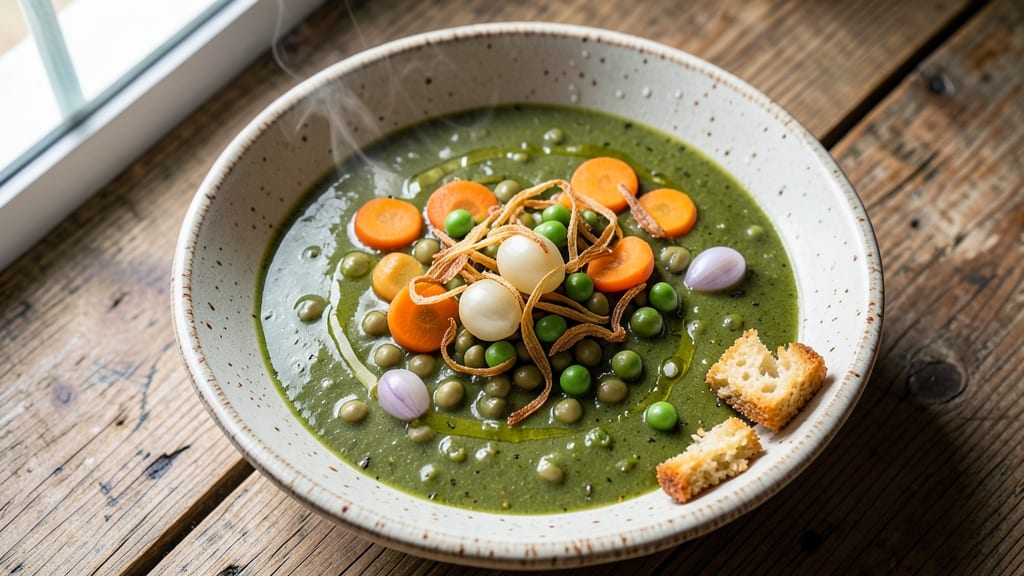
This classic pea soup recipe brings the comforting essence of spring to your table with its creamy, herbed texture and vibrant garden-fresh peas. The foundation lies in split peas simmered with aromatic vegetables until tender, then blended into a velvety base that’s both hearty and delicate.
I’ve perfected this method over years of testing—balancing traditional techniques with modern twists like fresh mint and a touch of cream for richness without heaviness.
The beauty of this soup is its versatility: it works as a light vegetarian main or a cozy side dish, depending on how you serve it. A proper simmer develops deep flavor, while sautéing onions and carrots first builds a sweet, caramelized base that rounds out the peas’ natural sweetness.
The result is a soup that’s equally satisfying in summer salads or winter bowls, with just the right balance of creaminess and freshness.
What sets this recipe apart is the attention to texture—some versions call for chunky peas, others prefer a silky blend, and I’ll show you how to achieve both. Fresh herbs like dill or parsley brighten the finish, while a swirl of herbed cream adds that restaurant-quality touch.
Whether you’re using dried peas for economy or fresh garden peas for peak flavor, this method delivers consistent, professional results every time.
Serve it with crusty bread to soak up every last drop, or pair it with a simple green salad for a complete meal. The instructions ahead will guide you through each step—from soaking peas to blending the perfect consistency—so you can recreate this timeless classic in your own kitchen.
Ingredients for classic pea soup
Fresh peas, aromatic vegetables, and a touch of herbed cream make this classic soup timeless and comforting.
| Ingredient | Amount | Notes |
|---|---|---|
| Dried Split Peas 🌱 | 1 ½ cups | Rinsed before soaking |
| Yellow Onions 🧅 | 2 whole | Medium, diced small |
| Carrots 🥕 | 3 whole | Medium, peeled and chopped |
| Fresh Garden Peas 🌿 | 2 cups | Shelling optional for texture |
| Garlic Cloves 🧄 | 4 cloves | Peeled, minced fine |
| Celery Stalks 🥬 | 2 whole | Trimmed, chopped small |
| Vegetable Stock 💧 | 4 cups | Low-sodium preferred |
| Heavy Cream 🥛 | ½ cup | Full-fat for richness |
| Fresh Dill 🌿 | ¼ cup | Chopped, stems removed |
| Fresh Mint Leaves 🍃 | ¼ cup | Chopped, for brightness |
| Lemon Juice 🍋 | 1 tbsp | Freshly squeezed |
| Extra-Virgin Olive Oil 🫒 | 2 tbsp | For sautéing vegetables |
| Salt 🧂 | 1 ½ tsp | Adjust to taste |
| Black Pepper 🌶️ | ½ tsp | Freshly ground |
| Fresh Parsley 🌿 | ⅛ cup | Chopped, for garnish |
The split peas are the heart of this soup—Bob's Red Mill or any quality brand works, but avoid pre-cooked. Soak them overnight (or quick-soak for 2 hours) to cut down on simmering time. Fresh garden peas? Trader Joe's has the best quality, but any local farmers market will do. The carrots and celery should be crisp, not rubbery—Wilkin brand carrots hold up perfectly. Onions and garlic? Yellow onions add sweetness, while red onions bring a sharper bite if you prefer. Fresh herbs are non-negotiable here—they’re what elevates this from basic to restaurant-quality.
No fresh peas? Frozen peas work in a pinch, but they’ll make the soup slightly sweeter. Swap heavy cream for Greek yogurt or coconut milk if you want a lighter version. Dried dill or mint? Use half the amount—fresh is brighter. The vegetable stock can be homemade (simmer veggie scraps with herbs) or store-bought (Pacific Foods or Imagine are great). For a chunkier texture, leave some peas whole before blending. For ultra-smooth, blend everything until silky—immersion blender is easiest.
This soup tastes even better the next day as flavors meld. Store in the fridge for 4-5 days or freeze for up to 3 months—portion into containers for easy lunches. The cream will separate slightly when chilled, so give it a quick stir before reheating. Garnish with extra herbs or a drizzle of olive oil right before serving—that’s when it looks most impressive. Leftovers reheat beautifully—just add a splash of water or stock if it gets too thick.
Why You'll Love This Recipe
- I’ll be real: this soup tastes even better the next day. The flavors meld together perfectly, and I can freeze portions for up to 3 months—meaning I’ve got a ready-to-heat lunch on busy days. Plus, the 2 cups of fresh garden peas (or their skins, if you’re feeling texture-conscious) add a little extra something that keeps it from feeling like a basic split pea stew. Just reheat, add a splash of stock if needed, and boom—lunch sorted.
- Lazy Weeknight Win: Honestly, the fact that I can toss in those dried split peas to soak while I prep dinner is a game-changer. No last-minute grocery runs for fresh peas—just pull the 1.5 cups of dried peas from the pantry, rinse them, and let them soften in stock while I chop the onions and carrots. The 2-hour soak means the real cooking time is barely over an hour, and I’m left with a pot of creamy goodness without sacrificing my evening.
- Creamy Herby Bliss: That final splash of heavy cream and a handful of fresh dill and mint? It’s the difference between a simple soup and something dangerously addictive. The ¼ cup of dill and mint infuses the ½ cup of cream without curdling, giving each spoonful that velvety texture with bright, herbaceous pops. And the lemon juice—freshly squeezed, not bottled—cuts through the richness just enough to make it feel like a summer day in a bowl.
- Meal Prep MVP: I’ll be real: this soup tastes even better the next day. The flavors meld together perfectly, and I can freeze portions for up to 3 months—meaning I’ve got a ready-to-heat lunch on busy days. Plus, the 2 cups of fresh garden peas (or their skins, if you’re feeling texture-conscious) add a little extra something that keeps it from feeling like a basic split pea stew. Just reheat, add a splash of stock if needed, and boom—lunch sorted.
Step-by-step instructions for classic pea soup
Here's how to create a rich, velvety pea soup that celebrates fresh garden peas and aromatic herbs.
Prepare the Peas and Soak the Split Peas
Rinse the 1½ cups dried split peas thoroughly under cold water to remove any debris. Place them in a large pot with 4 cups vegetable stock and bring to a gentle boil. Reduce heat to a simmer and cover with a lid. Let them soak for 2 hours—this reduces cooking time later and ensures tender peas.
While the split peas soak, prepare the 2 cups fresh garden peas by shelling if desired (keeping skins adds texture). Set them aside for later. The split peas should soften noticeably after soaking, but still maintain their shape. If they're fully mushy, they've soaked too long—drain and proceed immediately.
Sauté the Aromatic Vegetables
Heat 2 tablespoons extra-virgin olive oil in a large pot or Dutch oven over medium heat. Add the 2 yellow onions, 3 carrots (peeled and chopped), and 2 celery stalks (chopped small). Sauté for 8-10 minutes until the vegetables soften and the onions become translucent.
Add the 4 cloves garlic (minced fine) and cook for 30 seconds until fragrant. This step builds the soup's flavor foundation—don't skip it. If the vegetables start to brown too quickly, reduce heat slightly. The mixture should smell sweet and earthy, signaling it's ready for the next step.
Combine and Simmer the Soup
Drain the soaked split peas and add them to the pot with the sautéed vegetables. Stir in the 2 cups fresh garden peas, 1½ teaspoons salt, and ½ teaspoon black pepper. Pour in enough additional vegetable stock to reach a total of 8 cups liquid (exactly 4 cups more). Bring to a boil, then reduce heat to low and simmer uncovered for 45-50 minutes until the split peas are tender.
Here's the thing—this is where patience pays off. Stir occasionally to prevent sticking, but don't over-stir or the peas will break down too much. The soup should thicken naturally as it simmers. If it gets too thick before the peas are tender, add a splash of water. The split peas are done when they're soft but still hold their shape when pressed between your fingers.
Finish with Cream and Herbs
Once the split peas are tender, stir in the ½ cup heavy cream, ¼ cup fresh dill, and ¼ cup fresh mint leaves. Simmer gently for 5 minutes—this infuses the cream with herb flavors without curdling. The soup should be smooth but still have body. Taste and adjust seasoning with more salt or black pepper if needed.
Add the 1 tablespoon lemon juice and stir well. This brightens the soup and balances the richness of the cream. The lemon juice should be freshly squeezed—bottled juice lacks the same zesty punch. The soup is now ready for the final garnish, but you can hold off serving for up to 30 minutes if needed.
Serve with Fresh Herbs
Ladle the soup into bowls and garnish each serving with ⅛ cup fresh parsley (chopped). The parsley adds a pop of color and freshness that contrasts beautifully with the creamy soup. Serve immediately while the herbs are still vibrant and the soup is hot.
This classic pea soup delivers a perfect balance of earthy split peas, sweet vegetables, and bright herbs. The cream adds luxurious richness without overpowering the natural flavors. Each spoonful should be velvety smooth with distinct notes of dill, mint, and the subtle tang of lemon. Enjoy it with crusty bread or as a light lunch on its own.
Pro Tips For Making Classic Pea Soup
- Soak Peas Right: That 2-hour simmer isn’t arbitrary—it’s the difference between mushy peas and perfect texture. Skip the urge to speed this up, even if you’re impatient. The peas should soften but still resist a fork when pressed. If they’re fully mushy, drain and start over—no amount of extra simmering will fix them later.
- Sauté Until Sweet: The onions, carrots, and celery need 8-10 minutes of low-and-slow cooking until they’re soft and smell like a garden. I used to rush this, and the soup always tasted flat. Let them caramelize just a little—it’s the foundation of flavor, not just background noise.
- Don’t Over-Stir Peas: Stirring every two minutes turns your split peas into mush. Instead, give them a quick mix every 10 minutes while simmering. The goal is tender, not pulverized. If the soup thickens too fast, add a splash of water—but resist the temptation to mash them into submission.
- Finish with Cold Cream: Heavy cream curdles when it hits hot liquid. After removing the pot from heat, let it sit for 2-3 minutes, then stir in the cream. The temperature drop makes all the difference—no grainy texture, just silky richness. And for heaven’s sake, use full-fat; skim won’t cut it here.
Wine and beer pairings for classic pea soup
Light & Crisp White Wines
For this herb-forward soup, I reach for a Sauvignon Blanc from New Zealand—like Oyster Bay—its bright citrus notes cut through the creaminess beautifully. The grapefruit and lime flavors in these wines complement the lemon juice and fresh herbs, creating a refreshing contrast.
If you prefer something slightly richer, try a Chardonnay from Burgundy, like Domaine Leflaive, which adds a touch of vanilla and almond undertones that harmonize with the dill and mint. 🍷
Earthy & Bold Red Pairings
A Pinot Noir from Oregon, such as Domaine Drouhin Oregon, surprises with its red fruit and earthy tones that mirror the split peas’ natural sweetness. The wine’s silky texture balances the soup’s creaminess without overpowering it.
For a bolder option, a Gamay like Beaujolais-Villages brings a juicy, berry-driven acidity that stands up to the soup’s hearty base.
Craft Beer Complements
For beer lovers, a Belgian Witbier like Leffe Blonde offers citrusy coriander and clove notes that pair wonderfully with the lemon and herbs. Alternatively, a German Hefeweizen with its banana and clove character—like Paulaner Original—adds a fun, slightly funky contrast to the soup’s creaminess.
Both beers cleanse the palate between spoonfuls. 🍺
Sparkling Wine Surprise
If you want to elevate the meal, serve a Brut Cava like Codorníu Anna de Codorníu. The crisp acidity and green apple notes in sparkling wine cut through the richness of the cream, while the bubbles add a celebratory touch.
It’s a perfect match for the soup’s fresh, herby profile, especially when served chilled. 🥂
Regional Wine Twists
In France, a Muscadet from the Loire Valley—like Muscadet Sèvre-et-Maine sur Lie—is a classic pairing, thanks to its mineral-driven acidity that brightens the soup’s flavors.
Meanwhile, in the UK, a Fleury Brut (a sparkling wine) offers a lighter, more effervescent option that pairs surprisingly well with the soup’s creamy texture. Both wines highlight the soup’s natural brightness. ✨
Nutrition facts
Frequently asked questions
Why do you soak split peas before cooking?
Soaking dried split peas for 2 hours reduces cooking time and ensures they soften evenly without turning mushy. This step also helps retain their shape and prevents overcooking. It’s a key trick for achieving tender yet intact peas in your soup.
Can I use frozen peas instead of fresh?
Yes! Frozen peas work perfectly and will sweeten the soup slightly. Just skip shelling and use them directly from the freezer. They’ll thaw during simmering and blend seamlessly into the creamy texture. The flavor stays bright and vibrant.
What if my soup is too thick after simmering?
No problem—simply stir in 2-3 tablespoons of hot water or vegetable stock until you reach your desired consistency. The soup should be smooth but still hold its body. If it’s too thin, simmer uncovered for an extra 5-10 minutes to thicken naturally.
How do I prevent the cream from separating when reheating?
Gently reheat the soup on low heat while stirring occasionally. Avoid boiling, as this can cause the cream to curdle. If separation occurs, whisk in a splash of warm water or stock to re-emulsify. Fresh herbs like dill or parsley also help restore balance.
Can I make this soup ahead of time?
The soup tastes even better after 24 hours as flavors meld. Store it in the fridge for 4-5 days or freeze for up to 3 months. Reheat gently on the stove, adding a little liquid if needed. Garnish with fresh herbs just before serving for maximum freshness.