
Soups & Stews
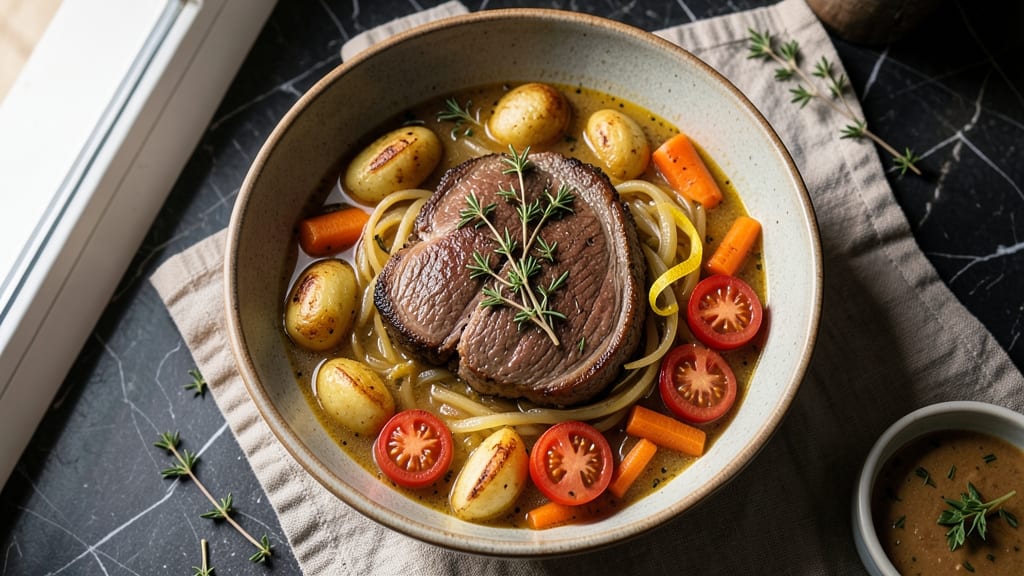
This heart soup recipe transforms humble beef heart into a deeply comforting meal that warms both body and soul. 💛 I first discovered this dish in my grandmother's kitchen, where she'd slow-simmer organ meats with vegetables until they dissolved into rich, velvety goodness.
The key lies in proper preparation—cleaning and slicing the heart correctly ensures tender, melt-in-your-mouth texture rather than chewy disappointment.
The beauty of this recipe is its adaptability—whether you follow traditional Filipino sopa ng puso methods or infuse Caribbean flavors with spices like thyme and allspice. We'll focus on a balanced approach using beef heart, root vegetables, and aromatic herbs that simmer together until the broth becomes thick and luxurious.
Safety is paramount when working with organ meats, so I'll share my grandmother's foolproof cleaning technique that makes handling effortless.
What you'll end up with is a bowl of heart soup so comforting it feels like a hug—rich yet not heavy, deeply flavorful without being overpowering. The vegetables soften just enough to absorb the meaty broth, while the herbs add bright, fresh notes that cut through the richness.
This is the kind of soup that disappears quickly, leaving everyone asking for seconds and thirds.
Perfect for chilly evenings, family gatherings, or when you need to stretch a budget without sacrificing flavor. The recipe scales beautifully too—double it for leftovers that taste even better the next day. Let's create this comforting classic together, step by step.
Ingredients for heart soup
Transform humble ingredients into deeply comforting heart soup with this rich, velvety recipe.
| Ingredient | Amount | Notes |
|---|---|---|
| Beef Heart 🥩 | 2 lb | Cleaned, trimmed, sliced thin |
| Yellow Onions 🧅 | 2 whole | Medium size, chopped |
| Carrots 🥕 | 4 whole | Medium size, peeled, chopped |
| Potatoes 🥔 | 3 whole | Medium size, peeled, cubed |
| Tomatoes 🍅 | 4 whole | Medium size, ripe, quartered |
| Fresh Thyme 🌿 | ¼ oz | Or 2 tbsp dried thyme |
| Garlic Cloves 🧄 | 6 cloves | Fresh, minced |
| Celery Stalks 🧅 | 3 whole | Medium size, chopped |
| Bay Leaves 🌿 | 2 whole | Dried, for infusion |
| Allspice Berries 🌶️ | ½ tsp | Ground or whole, toasted |
| Salt 🧂 | 1 ½ tsp | Kosher or sea salt |
| Black Peppercorns 🌶️ | ½ tsp | Freshly ground |
| Vegetable Oil 🫒 | ¼ cup | For searing |
| Water 💧 | 6 cups | Or enough to cover |
The beef heart is the star—look for fresh, bright red cuts at specialty butchers or well-stocked grocery stores like Whole Foods. If you're nervous about cleaning, soak it in cold water with vinegar for 15 minutes first. The potatoes and carrots should be firm, not waxy—organic varieties from the farmers market stay fresher longer. Thyme and allspice add depth, but if you can't find allspice berries, cinnamon sticks work in a pinch (just remove them before serving).
No fresh thyme? Dried works at half the amount, but toast it first for better flavor. Swap tomatoes for canned San Marzano if fresh aren't in season—just drain well. For extra richness, add 1 cup coconut milk at the end. The vegetable oil matters here—use something with a high smoke point like avocado or grapeseed oil for searing. If you're feeling adventurous, add 1 tbsp fish sauce for umami depth (though it's not traditional).
This soup tastes even better the next day—double the batch and freeze half. Store in airtight containers for up to 5 days in the fridge or 3 months frozen. Reheat gently on the stove, adding a splash of water if it thickens too much. The heart will shrink dramatically during cooking, so don't worry if it looks small at first—it expands beautifully into tender, melt-in-your-mouth pieces.
Why You'll Love This Recipe
- One-Pot Magic: I swear by this recipe—just toss everything in one pot, and let the beef heart and tomatoes melt into a rich, savory broth. No fancy steps, no extra dishes to wash.
- Rich, Deep Umami: Between us, that beef heart adds a meaty depth you won’t find in chicken or beef stews. The onions caramelize just enough to balance the heart’s earthiness, and the tomatoes? They turn this into something dangerously addictive.
- Leftovers That Shine: This soup actually improves the next day. The flavors meld into something even heartier—perfect for reheating with crusty bread or tossing into wraps. (Yes, even on a Tuesday night.)
- Budget-Friendly Powerhouse: Beef heart is cheaper than steak but packs just as much punch. A single bag feeds four, and the veggies stretch it further—no wasted ingredients here. My wallet and my family thank me.
Step-by-step instructions for heart soup
Here's how to transform beef heart into a deeply comforting, slow-simmered vegetable soup.
🔥 Step 1: Sear the Beef Heart for Rich Flavor
Heat the 0.25 cup vegetable oil in a large Dutch oven over medium-high heat until shimmering. Working in batches if needed, add the 2 lb beef heart (sliced thin) and sear for 2-3 minutes per side until deeply browned and slightly crispy. This step develops the meat's natural umami flavors that will infuse the soup.
Remove the seared beef heart and set aside. If your oil isn't hot enough, the beef will steam instead of sear—you want that caramelized crust. I press down gently on the slices during the first minute to prevent curling, which ensures even contact with the pan.
👨🍳 Step 2: Build the Aromatic Vegetable Base
In the same Dutch oven, add 1 whole chopped yellow onion, 2 whole chopped carrots, and 1 whole chopped celery stalk. Cook for 5-6 minutes until softened and slightly golden, stirring occasionally. Add the 6 cloves minced garlic cloves and cook for 30 seconds until fragrant—this prevents the garlic from burning.
Add the remaining 1 whole chopped yellow onion, 2 whole chopped carrots, and 2 whole chopped celery stalks. Stir well to combine with the aromatic base. Here's the thing—don't rush this step. The vegetables need time to develop their sweetness and meld with the beef heart's seared flavors.
🍳 Step 3: Toast Spices and Add Liquid
Add the 0.5 tsp ground allspice berries, 2 whole bay leaves, and 0.25 oz fresh thyme (or 2 tbsp dried thyme). Toast for 1 minute until fragrant. Immediately pour in the 6 cups water and bring to a gentle boil. Return the seared beef heart to the pot.
I always add the spices first to toast them—this releases their essential oils and deepens the soup's complexity. The water should just cover the ingredients, but don't worry if it's slightly under. The vegetables will release moisture as they cook.
⏰ Step 4: Simmer Until Tender and Flavorful
Reduce heat to low and partially cover the pot. Simmer for 1.5 hours, stirring occasionally, until the beef heart is fork-tender. Add the 3 whole cubed potatoes and 4 whole quartered tomatoes after 45 minutes of cooking time to prevent them from becoming mushy.
This long simmer is crucial—it breaks down the beef heart's connective tissue, transforming it into melt-in-your-mouth tenderness. The soup should reduce slightly, concentrating the flavors. If it gets too thin, uncover and simmer longer; if too thick, add a splash of water.
🥘 Step 5: Season and Finish
Remove the 2 whole bay leaves and adjust seasoning with 1.5 tsp salt and 0.5 tsp freshly ground black peppercorns. Taste and adjust—this soup should be rich and satisfying, not bland. Let it sit off heat for 10 minutes before serving to allow flavors to meld completely.
Here's where it gets fun—ladle the soup into bowls and serve with crusty bread. The beef heart should be tender enough to pull apart with a fork, and each spoonful should deliver that perfect balance of meaty richness and vegetable sweetness. This is comfort food at its finest, with every ingredient playing its part.
Pro Tips For Making Heart Soup
- Sear the Heart First: Beef heart needs a hard crust to stay tender—don’t skip the initial sear. After slicing, hit it with high heat in a dry pan for 3-4 minutes per side until deeply browned, then deglaze with a splash of water or wine before adding other ingredients.
- Cut Onions Thin: Thinly sliced yellow onions (about 1/8-inch) cook faster and sweeten up better in the soup. I used to chop them roughly, but they’d turn mushy and lose their bright flavor—now I just run them through a food processor for even slices.
- Simmer Low and Long: Heart soup tastes best when the beef heart breaks down slowly. After initial browning, reduce heat to a bare simmer (just bubbles breaking the surface) and cook for at least 2 hours—this guarantees tender meat that falls apart easily.
- Add Tomatoes Late: Acid from tomatoes can toughen the beef heart if added too early. Toss them in during the last 30 minutes of cooking so they brighten the broth without overpowering the meat’s texture. (Yes, even if you’re impatient like me.)
Common mistakes when making this recipe
Skipping the Cleaning
I’ll admit, this is where most people freeze up—beef heart looks intimidating with its membranes and gristle. But here’s the deal: never skip cleaning the heart or you’ll end up with a tough, rubbery texture.
My grandmother swore by soaking the heart in cold water with ½ cup white vinegar for 15 minutes first. This loosens any remaining blood and makes the membranes easier to peel away.
After soaking, rinse thoroughly under cold water and pat dry. Pro tip: Use rubber gloves—the membranes can be slippery! 💪
Overcooking the Heart
The beef heart needs gentle, long cooking to tenderize, but pushing it past 2 hours of simmering turns it mushy. I’ve seen this happen when people panic and crank the heat higher. The goal is fork-tender, not falling-apart texture.
Once the heart reaches 165°F internal temperature (after about 1.5 hours), it’s done. If you’re unsure, cut a small piece—it should shred easily with minimal resistance. 🌡️
Ignoring the Sear
Skipping the sear is a flavor crime. That crispy crust on the beef heart develops the Maillard reaction, which builds deep, savory notes that infuse the entire soup. If your oil isn’t hot enough, the heart will steam instead of brown.
Test it by tossing in a tiny piece of onion—if it sizzles immediately, your oil is ready. Medium-high heat is key here, and don’t overcrowd the pan. Work in batches if needed. 🔥
Adding Potatoes Too Early
Potatoes release starch quickly, which can turn your soup gluey if added too soon. I wait until 45 minutes into cooking before adding them (along with tomatoes). This ensures they absorb the rich broth without breaking down into a thick, pasty mess.
If you’re in a hurry, use waxy potatoes like Yukon Gold—they hold their shape better. 🥔
Underseasoning at the End
Heart soup is naturally rich, but it’s easy to underseason if you’re nervous about overdoing it. Taste as you go! Add salt in two stages: a pinch when you add the spices, then adjust again at the end.
The broth should be bold, not bland. I also like a finishing touch of freshly ground black pepper right before serving—it brightens the flavors. 🧂
Using the Wrong Pot
A Dutch oven is non-negotiable for this recipe. Its heavy base distributes heat evenly, preventing hot spots that can burn the bottom of the soup.
If you don’t have one, a large, heavy pot with a lid will work, but stir more frequently to avoid sticking. Never use nonstick—the high heat will ruin the coating, and you’ll lose that beautiful caramelized flavor. 🍲
Nutrition facts
Frequently asked questions
What's the best way to find fresh beef heart for this recipe?
Look for beef heart at specialty butchers or well-stocked grocery stores like Whole Foods. It should be bright red and firm to the touch. If you're nervous about handling it, ask the butcher to trim off the membranes for you. I always buy it the day I plan to cook to ensure maximum freshness.
Can I substitute other organ meats in this recipe?
You can try lamb or pork heart, but beef heart has the best texture for this dish. For a different flavor, chicken liver works in a pinch (use 1 lb and reduce cooking time to 30 minutes), but it has a stronger taste. Always adjust seasoning accordingly.
Why does the recipe call for such a long simmer time?
The 1.5-hour simmer is essential to break down the beef heart's connective tissue into tender, melt-in-your-mouth pieces. This slow cooking also allows all the flavors to meld together beautifully. If you're short on time, you can pressure cook it for 45 minutes instead.
What if my soup turns out too thick or too thin?
If too thick, add ½ cup hot water at a time until reaching your desired consistency. If too thin, simmer uncovered for 10-15 minutes to reduce. For extra richness, stir in 1 tbsp cornstarch mixed with 2 tbsp water and simmer for 2 minutes.
How can I make this recipe vegetarian?
Replace the beef heart with 1 lb extra-firm tofu or 1 lb king oyster mushrooms (sliced). Use vegetable broth instead of water and add 1 tbsp soy sauce for umami. The cooking time will be shorter—30 minutes for tofu, 45 minutes for mushrooms.