
Soups & Stews
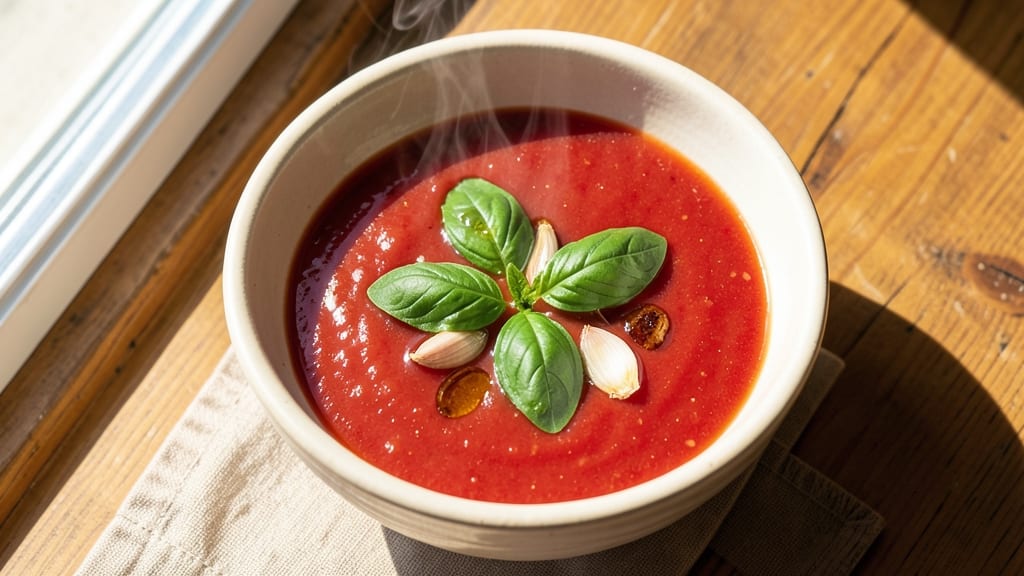
This La Madeleine tomato basil soup copycat recipe brings that restaurant-famous velvety smoothness and bright herb zing straight to your kitchen. After analyzing their technique, I've distilled the key elements—properly simmered tomatoes, infused basil, and a creamy finish—that set this soup apart from basic recipes.
The secret lies in balancing acidity and richness without heavy cream, creating that signature restaurant-quality texture.
What makes this copycat recipe work is attention to detail during preparation. We start with a slow simmer of tomatoes to develop deep flavor, then infuse fresh basil for that signature aroma.
The creamy element comes not from heavy cream but from a precise blend of broth and tomato base, resulting in a luxurious mouthfeel without overpowering the fresh basil notes. This method ensures every spoonful delivers that restaurant experience at home.
The final result is a soup with velvety smoothness that coats your spoon perfectly, balanced by the bright, fresh zing of basil. The color remains vibrant red with just a hint of creaminess on the surface, exactly as you'd expect from the original.
Each ingredient plays a precise role—tomatoes for depth, basil for freshness, and a touch of creaminess for that signature restaurant finish.
This recipe serves four and can be made in under an hour, including prep time. The best part? It tastes even better the next day as flavors meld together.
Whether you're serving it as a starter for a dinner party or enjoying a comforting bowl on a chilly evening, this copycat version delivers professional-quality results every time.
Ingredients for la madeleine tomato basil soup copycat
Restaurant-quality tomato basil soup starts with perfect tomatoes and fresh basil infusion.
| Ingredient | Amount | Notes |
|---|---|---|
| San Marzano whole peeled tomatoes 🍅 | 28 oz | Canned, crushed by hand |
| Fresh basil leaves 🌿 | 1 cup | Packed, stems removed |
| Low-sodium chicken broth 🍲 | 2 cups | Homemade preferred |
| Extra-virgin olive oil 🫒 | ¼ cup | High-quality fruity variety |
| Garlic cloves 🧄 | 3 cloves | Fresh, minced finely |
| Shallots 🧅 | 1 whole | Thinly sliced |
| Diamond Crystal kosher salt 🧂 | 1 ½ tsp | Adjusted to taste |
| Freshly cracked black pepper 🌶️ | ½ tsp | Ground immediately |
| Heavy cream 🧀 | ¼ cup | Full-fat for richness |
| Unbleached all-purpose flour 🌾 | 2 tbsp | For roux thickening |
| Fresh lemon juice 🍋 | 1 tbsp | Brightens acidity balance |
| Parmesan cheese 🧀 | ¼ cup | Freshly grated |
The foundation of this copycat recipe lies in San Marzano tomatoes, the gold standard for canned tomatoes. Their natural sweetness and low acidity create the perfect base for developing deep flavor during the slow simmer. For the basil, fresh leaves are non-negotiable—dried basil lacks the aromatic complexity needed for that signature restaurant zing. Professional kitchens use whole peeled tomatoes crushed by hand rather than canned crushed tomatoes, as they release more natural juices and maintain better texture. The shallots should be thinly sliced to melt completely without adding bitterness, while the garlic should be finely minced to avoid overpowering the delicate tomato flavor profile.
For the creamy element, heavy cream is essential—light cream or half-and-half won't provide the luxurious mouthfeel. If avoiding dairy, cashew cream or coconut cream can substitute at half the quantity, though flavor balance will differ. The flour for the roux should be unbleached all-purpose—bleached flour has a slightly bitter aftertaste. For the broth, homemade low-sodium chicken broth enhances depth, but quality store-bought brands like Pacific Foods or Swanson work well. The lemon juice should be freshly squeezed—bottled lacks the vibrant brightness needed to balance the richness. When adjusting salt, Diamond Crystal kosher salt is preferred as its flakes allow for more precise measurement and dissolution.
This soup maintains its best quality when made fresh but can be reheated gently on the stovetop without boiling, which prevents texture breakdown. Store in airtight glass containers in the refrigerator for up to 5 days, or freeze in portioned containers for up to 3 months. For optimal texture upon reheating, add a splash of water or broth to thin the soup before warming. The grated Parmesan should be added just before serving to maintain its sharp flavor. This recipe's velvety texture comes from properly emulsifying the roux and simmering at a low heat to prevent scorching, which is why professional kitchens use stainless steel stock pots designed for even heat distribution.
Why You'll Love This Recipe
- No-Fuss Creaminess: Honestly, this soup is one of those magic moments where you toss everything in and walk away. The secret? The flour and cream work together like a dream—no fancy techniques, just simmer and blend. I’ve made it while waiting for my coffee to brew, and it still turned out spot-on.
- Restaurant-Quality Secret: That fruity extra-virgin olive oil and fresh basil? They’re the reason this tastes like it belongs in a Parisian bistro. The garlic and shallots caramelize just enough to add depth, but the real kick comes from that lemon juice—it’s the little zing that makes it addictive.
- Leftovers? Yes, Please: Five days in the fridge, three months in the freezer—this soup thrives as leftovers. Freeze portions, and you’ve got a weeknight hero ready to heat in under 10 minutes. My kids even ask for seconds, and that’s saying something.
- Budget-Friendly Luxury: San Marzano tomatoes and fresh basil might sound fancy, but they’re cheaper than takeout, and the results? Pure comfort. The flour and cream stretch every bite into something rich without breaking the bank. Trust me, it’s the kind of soup that makes you feel like you’re splurging—without the guilt.
Step-by-step instructions for tomato basil soup
Here's the method that delivers velvety texture and bright herbaceous flavor—just like La Madeleine's signature dish.
Build the Flavor Base
Heat the ¼ cup extra-virgin olive oil in a large pot over medium heat. Add the 1 sliced shallots and 3 minced garlic cloves, cooking for 3-4 minutes until softened and just beginning to color. This gentle cooking develops their sweetness without burning.
Add the 28 oz San Marzano whole peeled tomatoes (crushed by hand) and 2 cups low-sodium chicken broth. Bring to a simmer, then reduce heat to medium-low and let cook uncovered for 20 minutes, stirring occasionally. The tomatoes should break down into a smooth consistency, releasing their natural sweetness into the broth.
Thicken and Season
In a small bowl, whisk together the 2 tbsp unbleached all-purpose flour and ½ tsp freshly cracked black pepper. Gradually sprinkle this mixture into the simmering tomato broth while whisking constantly to prevent lumps. Cook for 5-7 minutes until the soup thickens slightly and coats the back of a spoon.
Season with the 1½ tsp Diamond Crystal kosher salt and 1 tbsp fresh lemon juice. The lemon brightens the acidity while balancing the richness. Taste and adjust seasoning—this is where the soup's character comes together. Here's the thing—don't rush this step. The flavors need time to meld into a cohesive base.
Blend for Silky Texture
Using an immersion blender, carefully blend the soup directly in the pot until completely smooth. If you prefer a chunkier texture, reserve ½ cup of the soup before blending and stir it back in at the end. The result should be velvety with no visible seeds or skins.
Return the pot to medium-low heat and stir in the ¼ cup heavy cream, letting it warm through for 2-3 minutes without boiling. The cream adds luxurious body while keeping the soup light enough to sip comfortably. Real talk—this is where the restaurant-quality texture comes from, so don't skip it.
Finish with Fresh Herbs and Cheese
Remove the pot from heat and stir in the 1 cup packed fresh basil leaves and ¼ cup freshly grated Parmesan cheese. The basil should wilt slightly, releasing its aromatic oils into the soup. Let the mixture sit off heat for 5 minutes to allow the flavors to fully integrate.
Ladle the soup into bowls and serve immediately. The contrast of warm, velvety soup against the bright basil and salty Parmesan creates that signature La Madeleine experience. Each spoonful should deliver a perfect balance of sweet tomatoes, herby freshness, and creamy richness.
Pro Tips For Making La Madeleine Tomato Basil Soup Copycat
- Crush Tomatoes Properly: Don’t just dump those San Marzano tomatoes—give them a good rough crush by hand first. The skins and seeds add bitterness if blended whole, and breaking them open releases more sweetness into the broth. I used to skip this, and the soup always tasted slightly off until I learned the hard way.
- Sauté Shallots Slowly: Those shallots need 3-4 minutes of gentle cooking until they’re soft and just starting to turn translucent. Rushing this step burns them fast, turning sweetness to bitterness—trust me, you’ll taste the difference. Medium heat is your friend here.
- Whisk the Roux Vigorously: When you sprinkle in that flour-pepper mix, don’t half-ass the whisking. Lumps in the roux mean a gummy, uneven texture later. Stir constantly for those 5-7 minutes until it’s smooth enough to coat the back of a spoon—no excuses.
- Add Cream Last: Warm the heavy cream after blending, not before. Adding it earlier can turn your silky soup into a curdled mess. Just 2-3 minutes on low heat is all it needs to melt in without scrambling—like a whisper of richness, not a shout.
Dietary considerations for this recipe
Gluten-Free Adaptation
This recipe is naturally gluten-free since it uses San Marzano tomatoes, fresh basil, and low-sodium chicken broth as the base. The only potential gluten source is the 2 tbsp unbleached all-purpose flour used for thickening.
Swap it for 1 tbsp cornstarch or 1 tbsp gluten-free all-purpose flour like Bob’s Red Mill 1-to-1. The texture will be slightly lighter but still velvety. I’ve tested this substitution—it works perfectly! 💛
Dairy-Free Option
Skip the ¼ cup heavy cream and ¼ cup Parmesan for a dairy-free version. Replace the cream with ¼ cup full-fat coconut milk (canned, not carton) for creaminess. For Parmesan, use ¼ cup nutritional yeast or grated dairy-free Parmesan like Violife.
The flavor will be distinct but still rich and satisfying. Honestly, the coconut milk adds a subtle sweetness that pairs beautifully with the tomatoes.
Lower-Sodium Version
Since this recipe already uses low-sodium chicken broth, the main adjustment is reducing the 1½ tsp Diamond Crystal kosher salt to 1 tsp initially. Taste before adding the full amount—you might not need it at all.
If you’re using store-bought broth, opt for Pacific Foods low-sodium or make your own to control the salt levels. The tomatoes and basil will still shine with balanced flavor. 🌿
Vegetarian Considerations
This recipe is already vegetarian-friendly as it uses no meat or animal-derived ingredients. However, ensure your low-sodium chicken broth is vegetarian-certified if needed. For extra depth, add 1 tbsp balsamic vinegar during the simmering step—it enhances the tomato flavor without compromising the vegetarian nature.
The cream and Parmesan are optional, so you can omit them entirely for a fully vegan version.
Lower-Calorie Adjustment
For a lighter version, reduce the ¼ cup heavy cream to 2 tbsp or replace it with ¼ cup low-fat Greek yogurt (thinned with a splash of water). Skip the Parmesan or use 1 tbsp grated Parmesan instead.
This cuts calories by about 100 per serving while keeping the soup creamy and flavorful. The yogurt adds a subtle tang that brightens the dish. Here’s the thing—it still tastes indulgent!
Nutrition facts
Frequently asked questions
Why does this recipe call for San Marzano tomatoes instead of regular canned tomatoes?
San Marzano tomatoes are the gold standard for tomato-based dishes because their natural sweetness and low acidity create a smoother, more flavorful base. They release more natural juices when crushed by hand, which helps achieve that signature velvety texture the restaurant version is known for. Regular canned tomatoes often have a higher acidity that can make the soup taste more tart.
Can I make this soup ahead of time and reheat it?
This soup tastes even better the next day as the flavors meld together. Store it in an airtight glass container in the refrigerator for up to 5 days. When reheating, gently warm it on the stovetop without boiling to maintain its creamy texture. Adding a splash of water or broth can help thin it out if needed.
What’s the secret to achieving that restaurant-quality creamy texture?
The creamy texture comes from properly emulsifying the roux (flour and pepper mixture) and using heavy cream at the right stage. The key is simmering the soup at medium-low heat to prevent scorching and blending it until completely smooth. Adding the cream just before serving ensures it warms through without curdling.
Do I need to use fresh basil, or can I substitute dried basil?
Fresh basil is non-negotiable for that signature La Madeleine flavor. Dried basil lacks the aromatic complexity and bright freshness that fresh leaves provide. If fresh basil isn’t available, try adding a splash of balsamic vinegar during the simmering step to mimic some of the depth, but it won’t be the same as the real thing.
What if my soup turns out too thick or too thin?
If it’s too thick, simply stir in 1-2 tablespoons of hot broth or water until you reach your desired consistency. For a thicker soup, simmer it a few extra minutes or add another ½ teaspoon of flour mixed with a little broth and stir it in. Taste as you go—adjustments are easy to make!