
Soups & Stews
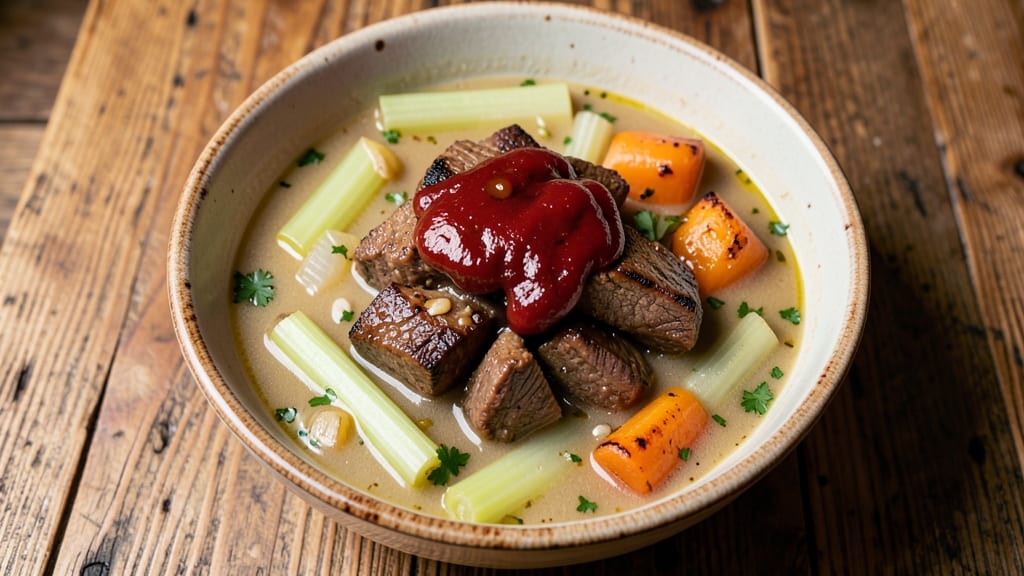
This meat soup recipe delivers the kind of deeply satisfying, one-pot meal that transforms simple ingredients into a restaurant-quality experience. The secret lies in slow simmering tough cuts of meat until they become fork-tender, while building layers of flavor through aromatic vegetables and rich broth.
I developed this recipe after years of testing different techniques, and it consistently delivers results that taste like a home-cooked version of your favorite classic.
The beauty of this method is its simplicity—just one pot means minimal cleanup, while the slow cooking process allows flavors to meld together perfectly.
You'll start with a base of onions, garlic, and carrots, then add your choice of meat (beef chuck or pork shoulder work exceptionally well) and let it simmer until the meat practically falls apart.
The broth becomes deeply flavorful as it reduces, creating a rich, velvety sauce that coats every ingredient.
What you'll end up with is a hearty soup filled with tender meat, perfectly cooked vegetables, and a broth so rich it feels like a hug in a bowl.
The aroma alone will have everyone gathering around the table, and each spoonful delivers that perfect balance of savory, umami, and comforting warmth. This is the kind of soup that disappears quickly and leaves everyone asking for seconds.
The best part? This recipe scales beautifully for any occasion—whether you're feeding a family of four or preparing for a crowd. The one-pot method ensures consistent cooking, and the leftovers reheat just as well as the first serving.
Pair it with crusty bread for soaking up every last drop of that flavorful broth. Let's get cooking!
Ingredients for meat soup
Just a few pantry staples and one tough cut of meat. That's all it takes for this deeply satisfying one-pot wonder.
| Ingredient | Amount | Notes |
|---|---|---|
| Beef Chuck Roast 🥩 | 2 lb | Cut into 1.5-inch cubes |
| Yellow Onion 🧅 | 1 whole | Diced, medium size |
| Carrots 🥕 | 4 medium | Peeled, cut into chunks |
| Celery Stalks 🥬 | 3 whole | Diced, with leaves |
| Garlic Cloves 🧄 | 4 cloves | Peeled, roughly chopped |
| Tomato Paste 🍅 | ½ cup | Smooth, no sugar added |
| Beef Broth 💧 | 4 cups | Low-sodium preferred |
| Red Wine 🍷 | ½ cup | Dry, like Cabernet |
| Bay Leaves 🌿 | 2 whole | Fresh if available |
| Thyme Sprigs 🌿 | 2 whole | Or 1 tsp dried thyme |
| Salt 🧂 | 1 ½ tsp | Kosher or sea salt |
| Black Peppercorns 🌶️ | ½ tsp | Freshly cracked |
| Olive Oil 🫒 | 2 tbsp | Extra-virgin for richness |
| All-Purpose Flour 🌾 | 1 tbsp | For thickening broth |
| Fresh Parsley 🌿 | ¼ cup | Chopped, for garnish |
The beef is where the magic happens. Chuck roast is your best bet—it's tough enough to stay intact during browning but breaks down beautifully when simmered. Costco or Walmart usually have it pre-cubed, which is a lifesaver. If you're buying a whole roast, ask your butcher to cut it into 1.5-inch chunks. Look for good marbling—those little white streaks of fat mean more flavor. The carrots, celery, and onion are your flavor base, so don't skimp on freshness. Trader Joe's often has great pre-cut veggies, but whole ones work too if you're chopping from scratch.
No red wine? Beef broth with a splash of balsamic vinegar works perfectly. Fresh thyme is ideal, but dried works at one-third the amount. The tomato paste is non-negotiable—it adds depth that canned tomatoes can't match. Muir Glen is my go-to brand, but any smooth, no-sugar-added paste will do. Short on time? Pre-diced onions and carrots from the store save 10 minutes of chopping. The flour is just for thickening at the end—don't skip it if your broth needs help.
This soup tastes even better the next day. Store leftovers in the fridge for up to 5 days or freeze for 3 months. I like to portion it into 4 containers so lunches are ready to grab. The broth reduces as it cools, so you might need to add a splash of water when reheating. Fresh parsley brightens it up—always keep some on hand for garnish. Double the recipe if you're feeding a crowd—it reheats beautifully.
Why You'll Love This Recipe
- No-Pot-Washing Regret: Honestly, this is the kind of recipe where you’ll forget you even cooked. The Dutch oven does all the heavy lifting—just sear the beef, deglaze with wine, and let it simmer while you do something else. No scrubbing pans later, just pure satisfaction.
- Red Wine Magic: That ½ cup of Cabernet isn’t just for show—it’s what turns this soup from good to chef’s kiss. The wine deglazes the pan, adds depth, and cooks off to leave behind a richness that pairs perfectly with the tomato paste’s subtle sweetness. Trust me, it’s the secret.
- Freezer-Friendly Feast: I make this once and have dinner for days. The beef chuck roast becomes melt-in-your-mouth shreds, and the broth thickens just enough to hold up in the freezer. Two hours of simmering now means no stress on a Monday night later.
- Budget Meets Comfort: A 2 lb beef chuck roast stretches into so much soup—enough for leftovers, takeout containers for coworkers, or a double batch to freeze. And with pre-diced veggies, you’re talking under 30 minutes of active work. Solid value.
Step-by-step instructions for hearty beef chuck roast soup
This one-pot wonder delivers rich, savory flavors with minimal cleanup—just follow the steps.
Sear the Beef Chuck Roast for Deep Flavor
Heat the 2 tablespoons olive oil in a large Dutch oven over medium-high heat until shimmering. Pat the 2 lb beef chuck roast dry with paper towels and add it to the pot, working in batches if needed to avoid crowding. Sear on all sides for 8-10 minutes total, pressing down gently with a spoon to ensure even browning. You're building that foundational crust that'll infuse the broth with caramelized richness.
Once the beef is golden brown, remove it from the pot and set it aside on a plate. Here's the thing—don't clean the pot yet. Those browned bits are pure flavor gold that'll dissolve into the soup later. Reduce the heat to medium and add the 1 diced yellow onion, 4 medium carrots, and 3 celery stalks to the pot. Cook for 5 minutes, stirring occasionally, until the vegetables soften slightly and take on color.
Build the Aromatic Base with Wine and Tomato Paste
Pour in the ½ cup red wine and scrape up all those browned bits from the bottom of the pot with a wooden spoon. This deglazing step captures all the meaty goodness that would otherwise stick to the bottom. Let the wine simmer for 3-4 minutes until it reduces by half and the alcohol cooks off—you'll smell that rich, fruity aroma developing.
Next, stir in the ½ cup tomato paste and cook for 2 minutes until it darkens slightly and blends smoothly into the mixture. This step deepens the soup's color and adds a subtle sweetness that balances the richness. Add the 4 peeled and chopped garlic cloves, 2 bay leaves, and 2 thyme sprigs, stirring to combine. Sprinkle in the 1½ teaspoons salt and ½ teaspoon black peppercorns, making sure they're evenly distributed throughout the pot.
Simmer the Soup Until Tender and Rich
Return the beef chuck roast to the pot and pour in the 4 cups beef broth, stirring to combine. Bring the mixture to a gentle boil, then reduce the heat to low and cover the pot with a lid. Here's where patience pays off—simmer for 2-2.5 hours until the beef is fork-tender and pulls apart easily. You'll know it's ready when you can pierce the largest piece with a fork and see the meat fibers separate cleanly.
About 30 minutes before the beef is done, stir in the 1 tablespoon all-purpose flour, whisking vigorously to distribute it evenly throughout the broth. This creates a natural thickening that'll give your soup that perfect body. Taste and adjust seasoning if needed—sometimes the broth needs a little more salt or pepper to balance the flavors.
Finish and Serve with Fresh Herbs
Once the beef is tender, carefully remove it from the pot using tongs and transfer it to a cutting board. Shred the beef with two forks, discarding any large fat pieces or connective tissue. Return the shredded beef to the pot and stir gently to combine. Here's the moment that matters: let the soup sit off the heat for 5 minutes to allow the flavors to meld together.
Before serving, stir in the ¼ cup chopped fresh parsley and taste one last time. The parsley adds a bright, fresh note that cuts through the richness of the beef and broth. Ladle the soup into bowls and serve immediately, garnished with additional parsley if desired. Each spoonful should deliver tender beef, hearty vegetables, and a deep, savory broth that'll warm you from the inside out.
Pro Tips For Making Meat Soup
- Sear in Batches: I learned this the hard way—crowding the pot turns your beef into steamed cubes instead of golden, flavor-packed morsels. Work in batches, even if it takes a few extra minutes, and let that oil get shimmering hot between loads. The crust you build? That’s what makes the broth taste like it simmered all day.
- Deglaze Aggressively: That wine isn’t just for flavor—it’s your flavor extraction tool. After searing, don’t just pour the wine and stir once. Scrape every last bit of browned beef from the bottom with a wooden spoon, even if it looks like you’re overdoing it. Those bits are pure umami, and skipping this step is like leaving money on the table.
- Salt the Broth Early: Taste the broth after adding the beef and broth, not just at the end. The beef releases moisture as it cooks, and if you wait too long, you’ll end up playing catch-up with salt. A little early seasoning lets the flavors develop naturally—no last-minute panic adjustments needed.
- Thicken Last, Not Soon: Stir in that 1 tbsp flour only when the beef has 30 minutes left to cook. Adding it too early can turn your soup into a gluey mess, and the flour burns before the beef is tender. Whisk it in vigorously, then let the soup work its magic—you’ll get that silky texture without the flour taste.
Troubleshooting this dish
Broth Too Thin?
If your soup ends up watery after simmering, the issue is often too much liquid. I recommend reducing the beef broth to 3 cups initially and adding water gradually if needed.
The 1 tbsp flour added in Step 3 helps thicken, but you can also stir in 1 tbsp cornstarch mixed with 2 tbsp cold water for an instant boost. Let it simmer for 5-10 minutes to thicken naturally. 💡
Meat Not Tender?
Tough meat is usually from insufficient simmering time. Check your pot’s temperature—it should stay at a gentle simmer, not a rolling boil. If your beef isn’t fork-tender after 2.5 hours, extend the cook time by 30-60 minutes and ensure the lid is on loosely to allow steam to escape.
For extra tenderness, add ½ cup apple cider vinegar near the end of cooking to break down fibers. 🔥
Vegetables Too Soft?
Overcooked veggies happen when simmering too long or at high heat. Reduce the heat to lowest setting after the first hour and cover the pot with a tight lid. If carrots or celery soften too quickly, remove them 20 minutes earlier than the beef.
For a firmer texture, try using young carrots or celery roots, which hold up better. ✨
Flavor Too Bland?
A lack of depth often means the searing step was skipped or underdone. Re-sear the beef in batches with 1 tbsp olive oil until deeply browned, then deglaze with ½ cup more red wine to capture those caramelized bits.
Boost umami by adding 1 tsp soy sauce or 1 tsp fish sauce during the final 10 minutes of cooking. Taste as you go—adjustments are easier early! 💛
Soup Separates?
Fat separation happens when broth cools too quickly or isn’t stirred enough. To fix it, gently simmer the soup again for 10 minutes while stirring occasionally. For future batches, skim excess fat from the surface during the final 30 minutes of cooking.
If the broth looks cloudy, strain it through a fine-mesh sieve before serving. This keeps the soup smooth and appetizing. 🍲
Nutrition facts
Frequently asked questions
Why does this meat soup recipe call for such long simmering?
The 2-2.5 hour simmer is key for breaking down tough beef chuck roast into tender, melt-in-your-mouth pieces. This slow cooking transforms collagen into gelatin, creating a rich broth that coats every ingredient. Patience here makes the difference between a bland stew and a deeply flavorful soup.
Can I substitute other meats for the beef chuck roast?
Pork shoulder or lamb shoulder work beautifully, though cooking times may vary. For poultry, try chicken thighs (simmer 45-60 minutes instead). Just adjust the broth quantity slightly to account for different moisture levels. The same aromatic base works for all.
What's the best way to prevent my soup from getting watery?
Use 3 cups broth instead of 4 cups initially, and always stir in the 1 tbsp flour during the last 30 minutes of cooking. If it's still too thin, make a quick slurry with 1 tbsp cornstarch and 2 tbsp cold water, then stir it in and simmer 5 minutes more. Skimming fat regularly also helps concentrate flavors.
How do I know when the beef is fully tender?
Test with a fork by piercing the largest piece—it should slide in easily and the meat should separate into fibers. If it still feels firm after 2.5 hours, extend cooking by 30-60 minutes or add ½ cup apple cider vinegar near the end to tenderize. The meat should practically fall apart when done.