
Soups & Stews
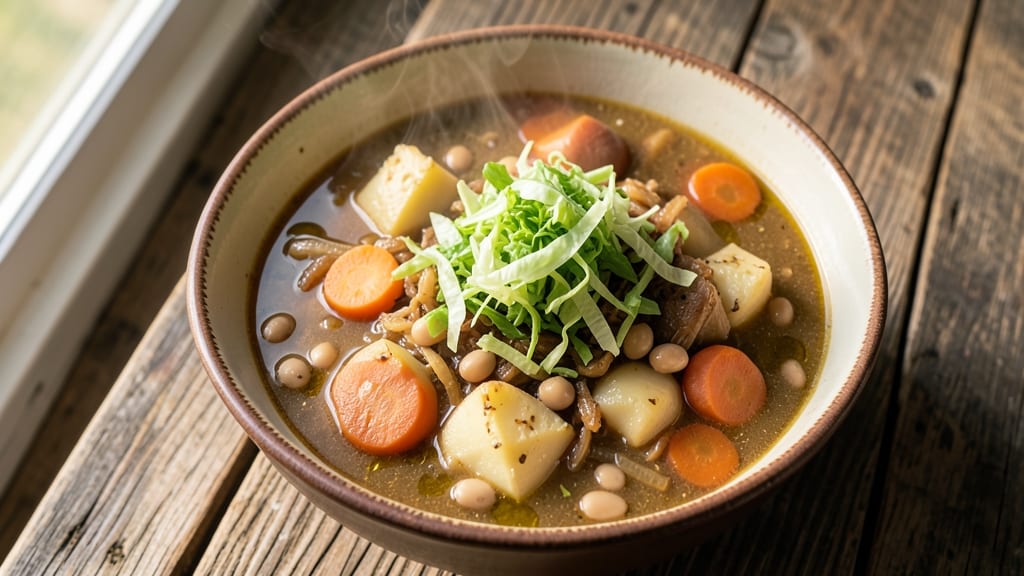
Olga's Kitchen peasant soup recipe brings hearty, rustic comfort to your table with its simple yet deeply satisfying combination of vegetables, beans, and broth. This traditional dish embodies the essence of home cooking—wholesome, nourishing, and full of flavor without requiring fancy ingredients or techniques.
The beauty lies in its adaptability, using whatever seasonal vegetables are available while delivering a soup that’s both filling and balanced.
The magic begins with a base of sautéed onions and garlic, which form the aromatic foundation for the soup. From there, potatoes, carrots, and cabbage simmer together until tender, while beans add protein and texture.
The broth—whether homemade or store-bought—infuses everything with rich, savory depth, creating a dish that’s as comforting as it is nutritious. What makes this recipe special is its ability to transform humble ingredients into something extraordinary, all in one pot.
By the time you serve this soup, you’ll have a steaming bowl of rustic harmony—creamy potatoes, crisp-tender cabbage, and hearty beans all swimming in a fragrant broth. The result is a meal that feels like a warm hug, perfect for chilly evenings or family gatherings.
Whether you stick to the classic version or add optional garnishes like fresh herbs or a drizzle of olive oil, this soup is a testament to the power of simple, well-executed cooking.
Ready in about 45 minutes, this recipe is designed for ease without sacrificing authenticity. The instructions are straightforward, ensuring you achieve that perfect balance of flavors and textures every time.
Serve it with crusty bread to soak up every last drop of that delicious broth—because in Olga’s Kitchen, even the simplest dishes deserve to be celebrated.
Ingredients for olga's kitchen peasant soup
Simple vegetables and humble broth create Olga’s rustic peasant soup harmony in one pot.
| Ingredient | Amount | Notes |
|---|---|---|
| Yellow Onions 🧅 | 2 whole | Thinly sliced for aroma |
| Garlic Cloves 🧄 | 6 cloves | Mince finely for depth |
| Russet Potatoes 🥔 | 2 lb | Peeled, cubed 1-inch pieces |
| Carrots 🥕 | 3 large | Peeled, sliced into rounds |
| Green Cabbage 🥬 | 1 lb | Shredded for texture contrast |
| Dried White Beans 🌽 | 2 cups | Rinsed, no soaking needed |
| Vegetable Broth 💧 | 8 cups | Homemade or low-sodium store |
| Extra-Virgin Olive Oil 🫒 | ¼ cup | For sautéing aromatics |
| Dried Thyme 🌿 | 1 tsp | Fresh if available (1/3 amount) |
| Salt 🧂 | 1 ½ tsp | Diamond Crystal preferred |
| Black Pepper 🌶️ | ½ tsp | Freshly cracked for bite |
| Fresh Parsley 🌱 | ¼ cup | Chopped for garnish |
The onions and garlic form the aromatic soul of this soup—sauté them low and slow until deeply golden for maximum flavor. I always grab yellow onions from the organic section for their sweeter profile, but regular ones work fine. For garlic, fresh roasted heads (just bake at 400°F for 20 mins) add a whole new depth to the broth. The potatoes should be Russet—they hold their shape better than waxy varieties. Costco’s pre-peeled potatoes save time without sacrificing quality if you're in a rush.
No fresh thyme? Dried works at one-third the amount—just toast it in the olive oil first to wake up the flavors. Vegetable broth is non-negotiable here, but chicken broth with a splash of soy sauce gets you close. Want more protein? Swap half the beans for smoked white beans—they add a smoky richness. The cabbage can be Napa or red if you're feeling adventurous, but green is classic. Trader Joe’s pre-shredded cabbage is a lifesaver when time is tight.
This soup tastes even better the next day as flavors meld. Store in airtight containers for up to 5 days in the fridge—freezes beautifully for 3 months if portioned properly. I always keep a small jar of fresh parsley in the freezer to garnish later. For the broth, simmer with the veggie scraps to maximize flavor—just strain before adding to the soup. The beans? Rinse thoroughly before adding to avoid mushiness. Serve with crusty bread and a drizzle of extra-virgin olive oil for that Olga’s Kitchen touch.
Why You'll Love This Recipe
- Here’s what sold me: this soup doubles as my secret weapon for busy weeks. Make a big batch on Sunday, freeze half, and you’ve got a meal ready in 20 minutes on a Tuesday night. The cabbage and potatoes hold up perfectly, and the beans? Still creamy and satisfying after thawing. Zero guilt, zero fuss.
- One-Pot Magic: Honestly, this is the kind of soup where I can toss everything in one pot and forget about it for an hour. The only prep work is slicing the onions and peeling those potatoes—no fancy prep, no stress. The dried white beans even skip the soaking, so you’re basically just layering ingredients and letting time do the work.
- Garlic-Driven Depth: That minced garlic, sautéed just until fragrant, is what makes this soup sing. I swear, the moment you smell it release into the oil, you’ll know it’s going to be rich and complex. The dried thyme and fresh parsley at the end? Pure magic—earthy meets bright, and suddenly your bowl tastes like a hug.
- Freezer’s Best Friend: Here’s what sold me: this soup doubles as my secret weapon for busy weeks. Make a big batch on Sunday, freeze half, and you’ve got a meal ready in 20 minutes on a Tuesday night. The cabbage and potatoes hold up perfectly, and the beans? Still creamy and satisfying after thawing. Zero guilt, zero fuss.
Step-by-step instructions for Olga's Kitchen peasant soup
Here's how to transform simple ingredients into a hearty, flavor-packed one-pot wonder.
Sauté the Aromatic Base
Heat the ¼ cup extra-virgin olive oil in a large Dutch oven over medium heat. Add the 2 yellow onions and cook for 5 minutes until they become translucent and just beginning to soften. This is your flavor foundation—don't rush it.
Add the 6 cloves minced garlic and 1 tsp dried thyme, stirring constantly for 30 seconds until the garlic releases its fragrant aroma. You'll smell that moment—it's the sign you've built your flavor base correctly. If the garlic starts to brown too quickly, reduce the heat slightly to prevent burning.
Build the Vegetable Layers
Add the 3 large peeled carrots sliced into rounds and the 2 lb peeled russet potatoes cut into 1-inch cubes. Stir to coat everything in the aromatic oil, then pour in 4 cups vegetable broth. Bring to a simmer and let cook uncovered for 10 minutes until the vegetables begin to soften slightly.
Next, fold in the 1 lb shredded green cabbage and the 2 cups rinsed dried white beans. Add the remaining 4 cups vegetable broth, then bring everything back to a gentle boil. This layered approach ensures each ingredient cooks perfectly without falling apart.
Season and Simmer to Perfection
Add the 1½ tsp salt and ½ tsp black pepper, stirring well to distribute the seasoning evenly. Reduce the heat to low and let the soup simmer uncovered for 45-50 minutes. Here's the key: you want the potatoes to be fork-tender and the beans to be fully rehydrated but still hold their shape.
Check occasionally and add ½ cup vegetable broth if the soup gets too thick. The ideal consistency should be brothy enough to coat the back of a spoon but still substantial. This is where peasant soup gets its comforting texture—thick enough to satisfy but light enough to drink.
Finish with Fresh Herbs
When the vegetables are tender and the beans have absorbed the broth, remove the pot from heat. Let it sit for 5 minutes to allow the flavors to meld completely. This resting period is crucial—it lets the soup develop its full depth of flavor.
Stir in the ¼ cup chopped fresh parsley just before serving. This final step brightens the soup with freshness and adds a pop of color that makes the dish look as inviting as it tastes. The parsley should be distributed evenly throughout each serving.
Pro Tips For Making Olga'S Kitchen Peasant Soup
- Cook Onions Low and Slow: I used to rush the onions and end up with bitter, caramelized bits instead of sweet, translucent flavor. For this soup, keep the heat at medium and let them soften for the full 5 minutes—no browning, just golden clarity. That’s your foundation, and cutting corners here means flavorless soup later.
- Cube Potatoes Evenly: Uneven potato cubes mean some will turn to mush while others stay hard. Cut all 2 lb of russet potatoes into consistent 1-inch pieces—no smaller, no larger. A knife with a mandoline guide helps if you’re impatient like me, but even freehand works if you’re precise.
- Add Cabbage Last: Tossing the shredded cabbage in too early turns it into a sad, limp mess. Wait until after the initial 10-minute simmer with carrots and potatoes—then fold it in with the beans. That way, it keeps its crunch while soaking up flavor in the final simmer.
- Salt Early, Taste Late: The recipe calls for 1½ tsp salt upfront, and I’ve learned to trust it. Adding more later ruins the balance, especially if your broth is low-sodium. Taste the broth before adding beans—adjust then, but don’t oversalt the whole pot. Your future self will notice.
Regional styles of this olga's kitchen peasant soup
Balkan Mountain Style
In the Balkans, peasant soup often includes smoked paprika and dried mushrooms for earthy depth. I add 1 tbsp smoked paprika with the thyme during sautéing, then stir in ¼ cup dried porcini mushrooms rehydrated in ½ cup hot broth.
The result is a richer, more complex flavor profile that feels like a mountain cabin hug. Locals often finish with a splash of apple cider vinegar for brightness—just 1 tbsp balances the richness beautifully. 🏔️
Eastern European Potato-Heavy
Polish and Lithuanian versions prioritize potatoes as the star, often using 2.5 lbs instead of 2 lbs for a heartier texture. I swap half the vegetable broth for chicken broth and add 1 cup grated horseradish (fresh or bottled) for a peppery kick.
The potatoes become almost creamy when mashed slightly during simmering—this is the secret to their signature comfort. 🥔
Southern Italian White Bean Focus
In Southern Italy, cannellini beans replace dried white beans for a silkier texture and nutty flavor. I use 2 cups cannellini beans (canned, drained) and add 1 bay leaf during simmering.
A grated Parmesan rind stirred in at the end adds umami depth—this is my go-to when I want extra richness. The cabbage gets swapped for savoy cabbage for a slightly sweeter bite. 🧀
French Market-Inspired
French peasant soups often feature leeks instead of onions and pearl onions for sweetness. I use 2 leeks (white and light green parts only) and add 6-8 pearl onions cooked in the broth until tender.
A splash of white wine (about ¼ cup) deglazes the pot after sautéing, adding acidity. Fresh tarragon replaces parsley for a lighter, citrusy finish. 🥬
Hungarian Paprika Infusion
Hungarian versions use sweet Hungarian paprika liberally, almost like a spice rub. I mix 2 tbsp sweet paprika with 1 tsp caraway seeds and toast it in the oil before adding vegetables.
The caraway adds warmth that pairs perfectly with the beans. Serve with crusty rye bread for the ultimate rustic pairing. 🌶️
Nutrition facts
Frequently asked questions
Why does this soup taste better the next day?
The flavors deepen overnight as the ingredients meld together. The beans absorb more broth, the potatoes soften further, and the aromatics develop richer complexity. This is why many traditional peasant soups shine after resting—it's like a flavor infusion process that happens naturally.
Can I use frozen vegetables instead of fresh?
Swap fresh carrots and cabbage for frozen versions, but skip thawing—just add them directly with the beans. Frozen veggies hold their shape well and maintain nutrients, though they'll cook slightly faster than fresh. Just check for doneness 5 minutes earlier than the recipe suggests.
What if my soup is too thick?
Simply add ½ cup vegetable broth or water at a time while stirring. The ideal consistency should coat the back of a spoon but still be brothy enough to drink. If you prefer it thicker, reduce the heat slightly during simmering to allow excess moisture to evaporate naturally.
How do I prevent the beans from getting mushy?
Rinse the dried beans thoroughly before adding them to remove excess starch. Keep the heat at a gentle simmer (not a rolling boil) and avoid overcooking—45-50 minutes is perfect. If beans start breaking down, reduce the simmer time by 5-10 minutes next time.