
Soups & Stews
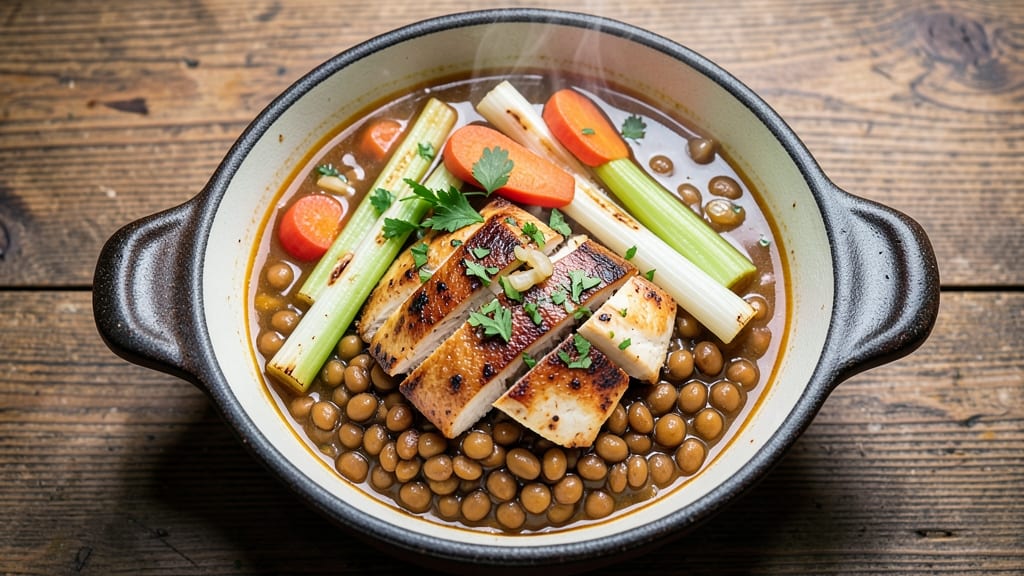
Portable soup recipes are the ultimate game-changer for busy days when you need a hearty meal that travels as easily as it tastes—no reheating, no mess, just flavor in a jar. I created this version after realizing how often I’d skip lunch because packing soup felt like too much work, but now it’s my go-to for work lunches, road trips, or even emergency snacks when the fridge is empty. The secret? A rich, flavorful broth that stays intact when packed, plus ingredients that hold up perfectly without getting soggy.
This recipe delivers restaurant-quality soup in a fraction of the time, using simple pantry staples and a foolproof assembly method that keeps everything fresh for up to 5 days in the fridge.
Whether you’re craving a classic chicken noodle, a veggie-packed lentil, or a tangy tomato base, the technique is the same—just swap the ingredients. The key is balancing your broth with sturdy add-ins like noodles, beans, or grains that won’t turn to mush when stored.
Imagine opening a jar and pulling out a meal that’s warm, satisfying, and ready to eat—no reheating required. The broth stays rich and flavorful, the noodles or grains keep their bite, and the veggies stay crisp.
It’s the kind of meal that makes you feel like you’re eating at home, even when you’re on the go. Plus, it’s customizable for dietary needs—just swap in your favorite proteins or veggies to keep it light or hearty, as you like.
Pack it in a mason jar or airtight container, and you’ve got a no-fuss lunch that’s ready whenever you are. Here’s how to make it—simple, portable, and always delicious.
Ingredients for portable soup
Simple pantry staples transform into restaurant-quality soup you can pack and enjoy anywhere.
| Ingredient | Amount | Notes |
|---|---|---|
| Chicken Breast 🍗 | 1 ½ lb | Boneless, skinless, cubed |
| Carrots 🥕 | 3 whole | Peeled, chopped into sticks |
| Celery Sticks 🧅 | 3 whole | Chopped into 1-inch pieces |
| Onion 🧅 | 1 whole | Yellow or white, diced |
| Garlic Cloves 🧄 | 4 cloves | Mince or press into broth |
| Dried Lentils 🌾 | 1 cup | Rinsed well before use |
| Noodles 🍜 | 2 oz | Rice noodles or egg noodles |
| Chicken Broth 💧 | 6 cups | Low-sodium preferred |
| Tomato Paste 🍅 | 2 tbsp | Squeeze tube for precision |
| Dried Thyme 🌿 | 1 tsp | Or 1 tbsp fresh |
| Salt 🧂 | 1 tsp | Adjust to taste |
| Black Pepper 🌶️ | ½ tsp | Freshly ground |
| Olive Oil 🫒 | 1 tbsp | For sautéing veggies |
| Lemon Juice 🍋 | 1 tbsp | Freshly squeezed |
The broth is everything—low-sodium chicken broth keeps it balanced without overpowering. I always grab the organic variety from Whole Foods or the Great Value brand at Walmart for a budget-friendly option. For extra depth, toast the thyme leaves in a dry pan before adding them to the broth. If you're short on time, Trader Joe's pre-minced garlic saves you 2 minutes of chopping. The carrots and celery should be firm and bright—no soft spots or wilting, or they'll turn mushy fast.
No chicken breast? Turkey or shrimp work great—just adjust cooking time. Lentils are non-negotiable for texture, but canned white beans at half the amount get you close. Want to skip the noodles? Quinoa or brown rice cooks right in the jar and stays hearty. The tomato paste can be swapped for crushed tomatoes at 1 cup—just reduce the broth to 5 cups. For a creamier version, stir in 1/2 cup coconut milk before sealing. The olive oil is just for sautéing—any neutral oil like canola or vegetable works.
This keeps beautifully for 5 days in the fridge, so meal prep ahead. Store in mason jars or airtight containers—the jars are perfect for packing. For extra freshness, add lemon juice just before sealing to keep veggies crisp. Freezes for up to 3 months—just leave room at the top for expansion. I always make a double batch so I’ve got leftovers for the week. The broth gets richer the next day, so don’t skip the overnight soak if you can.
Why You'll Love This Recipe
- No-Pot Cleanup Needed: I love that this soup practically cleans itself—just one big pot, one spatula, and a quick rinse. The carrots, celery, and onion get all the browning action on their own, while the chicken browns in the same pan. No scrubbing, no fuss—just toss, simmer, and enjoy.
- Lemon Juice Magic: That final squeeze of lemon juice is what turns good soup into dangerously addictive soup. It brightens up the richness from the tomato paste and chicken broth, cutting through the depth just enough to make every bite sing. Trust me, it’s the little details like this that make it feel like a restaurant meal.
- Feed a Crowd (or Just Yourself): This recipe is my secret weapon for busy days. I double the lentils and noodles and freeze half—I’ve got lunch sorted for weeks. It’s the kind of thing that tastes even better the next day, especially when you’re packing it in jars for work or school. No sad leftovers here.
- Budget-Friendly Protein Power: For the price of a takeout run, I get tender chicken, protein-packed lentils, and veggie-packed goodness—all for under $10. The garlic and thyme add flavor without costing a fortune, and the chicken broth stretches every bite. It’s the kind of meal that makes me feel like a genius when my wallet thanks me.
Step-by-step instructions for portable soup recipes
Here's how to create hearty, travel-friendly meals that stay fresh and delicious.
Sauté the Vegetable Base
Heat the 1 tablespoon olive oil in a large pot over medium heat. Add the 3 carrots, 3 celery sticks, and 1 onion, cooking for 5-6 minutes until the vegetables soften and begin to brown slightly. This step builds flavor by caramelizing the natural sugars in the vegetables.
Add the 4 minced garlic cloves and cook for 30 seconds until fragrant. Stir constantly to prevent burning. The garlic should infuse the vegetables with its aromatic punch without overpowering the dish. This vegetable base forms the flavor foundation for your portable soup.
Brown the Chicken and Add Lentils
Push the vegetables to one side of the pot and add the 1½ lb cubed chicken breast. Cook for 5-6 minutes until the chicken pieces are lightly browned on all sides. This browning creates a deeper flavor in your soup.
Return the vegetables to the center of the pot, then add the 1 cup rinsed dried lentils, 6 cups chicken broth, 2 tablespoons tomato paste, 1 teaspoon dried thyme, 1 teaspoon salt, and ½ teaspoon black pepper. Stir well to combine all ingredients. The tomato paste will add richness and depth to the broth.
Simmer the Soup Mixture
Bring the mixture to a boil, then reduce heat to low and let it simmer uncovered for 30-35 minutes, stirring occasionally. The lentils should soften and the chicken should become tender. You'll know it's ready when the chicken easily pulls apart with a fork.
After simmering, stir in the 2 oz noodles and cook for an additional 5 minutes until they're tender but still hold their shape. The noodles will absorb some of the broth, making them perfect for portable serving. This is where your soup starts taking on its travel-friendly texture.
Finish and Prepare for Storage
Remove the pot from heat and stir in the 1 tablespoon lemon juice. This brightens the flavors and balances the richness of the soup. Let the soup cool to room temperature for 10 minutes before transferring it to clean, sterilized jars.
Fill each jar with the soup mixture, leaving about ½ inch headspace at the top. Seal the jars tightly and let them cool completely before refrigerating. The lemon juice not only enhances flavor but also helps preserve freshness during travel.
Pro Tips For Making Portable Soup
- Cut Chicken Evenly: Uneven cubes mean some pieces stay tough while others fall apart. Take 10 minutes to trim the chicken breast into 1-inch chunks—no bigger, no smaller—so every bite cooks through at the same time. I used to skip this, and half my soup was rubbery.
- Salt the Broth Early: Taste the broth after adding the 6 cups chicken broth and 1 teaspoon salt—right when you stir in the lentils. Low-sodium broth needs this boost upfront, and adjusting later is a guessing game. Trust me, your soup will thank you when it’s reheated.
- Don’t Overcrowd the Pot: When browning the 1.5 lb chicken breast, resist the urge to dump all the cubes in at once. Cook in two batches if needed—crowding steams the chicken instead of searing it, and you’ll end up with bland, pale meat. A quick 30-second wait between batches makes all the difference.
- Squeeze That Lemon Last: Stir in the 1 tablespoon lemon juice after the soup cools slightly—about 2 minutes off the heat. Adding it too early can make the broth cloudy or turn the noodles mushy when reheated. Plus, the acidity shines brightest when it hits room-temperature flavors.
Serving suggestions for portable soup
Garnish for Freshness
Top each jar with a drizzle of high-quality olive oil (I use Pomona’s) and a sprinkle of freshly cracked black pepper right before sealing. This adds a visual pop and extra flavor when you’re ready to eat.
For extra zing, add a squeeze of lemon wedge to each serving—it brightens up the flavors and keeps the soup from tasting flat after sitting. 🍋
Portable Utensils
Pack a spoon with a silicone handle (like the OXO Good Grips set) in each jar to make eating on-the-go effortless. I also include a small parchment paper-lined napkin to wipe hands—no more messy spills!
For extra convenience, add a mini spice packet with salt, pepper, and a dash of smoked paprika for customization at your desk or picnic spot.
Temperature Hacks
If you’re packing for a cold day, add a hot water bottle (or even a thermos) to your bag to warm the soup slightly before eating. For hot days, store the soup in an insulated lunch bag with an ice pack—this keeps it cool for hours.
I’ve even used a small freezer pack to prevent sogginess if you’re traveling in extreme heat.
Beverage Pairings
A crisp white wine like Sauvignon Blanc cuts through the richness of the soup beautifully, balancing the savory flavors. For a non-alcoholic option, pack a sparkling water with a slice of lime—the bubbles cleanse your palate between bites.
If you’re on the road, a cold brew coffee or iced tea works too, especially if you’re making this for a busy morning.
Lunchbox Presentation
For a restaurant-worthy touch, layer the soup with a sprinkle of fresh herbs like parsley or cilantro right before sealing. I also add a small side of crusty bread (like Schar baguette slices) in a separate compartment to soak up the broth.
A handwritten note with the day’s date makes it feel extra special—perfect for sharing with coworkers or friends. ✨
Nutrition facts
Frequently asked questions
Why does this portable soup stay fresh longer than regular soup?
The key is balancing sturdy ingredients like dried lentils and 2 oz noodles with fresh veggies that stay crisp due to the 1 tablespoon lemon juice added before sealing. The low-sodium broth also prevents excess moisture that could make it watery over time. This method keeps flavors vibrant for 5 days in the fridge or 3 months frozen—no soggy surprises!
Can I use different proteins besides chicken?
Swap the 1½ lb chicken breast for turkey, shrimp, or even tofu—just adjust cooking times. For vegetarian versions, skip the meat entirely and add extra lentils or white beans for protein. The tomato paste and thyme will still give it rich depth regardless of protein choice.
How do I prevent the noodles from getting mushy in storage?
Cook the 2 oz noodles right in the soup during the final 5 minutes of simmering, then let them cool in the broth. This ensures they absorb just enough liquid to stay tender but not turn to mush. Always leave ½ inch headspace in jars, and store in the fridge within 10 minutes of cooling—this prevents sogginess.
What’s the best way to reheat this soup when traveling?
For cold days, pack a thermos with hot water—pour it over the soup to warm it in 10 minutes. On hot days, use an insulated lunch bag with an ice pack to keep it cool until you’re ready to eat. Never reheat in a jar—transfer to a pot first to avoid pressure buildup.