
Soups & Stews
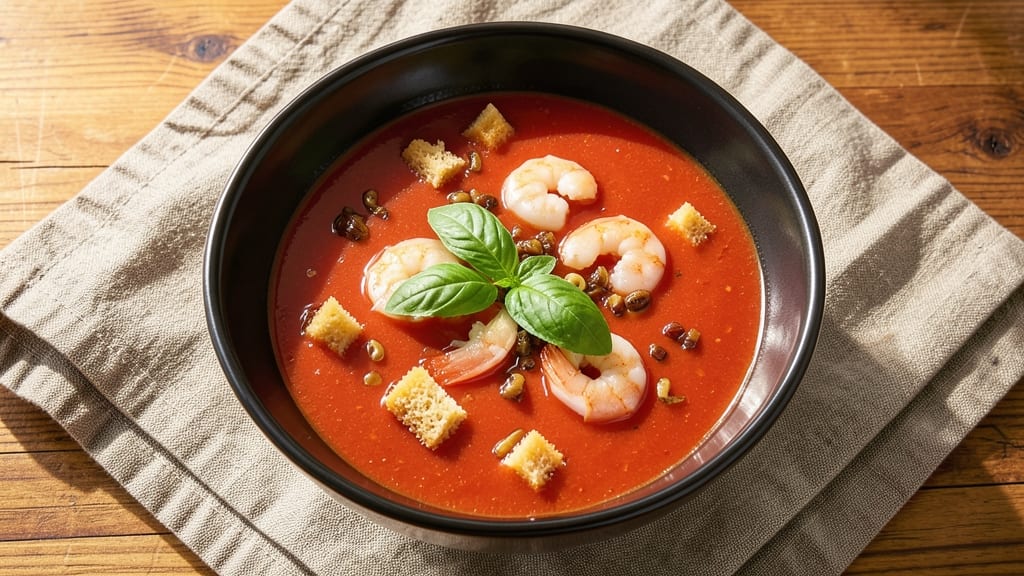
This seafood tomato soup recipe transforms simple ingredients into a restaurant-worthy dish that balances bright acidity with briny seafood perfection.
Growing up in a Boston kitchen where Italian flavors met Irish comfort, I learned that the secret lies in slow simmering—letting the tomatoes mellow while the seafood infuses the broth with natural sweetness. The result? A soup so rich in flavor it feels like a hug on a chilly day.
What makes this recipe stand out is its versatility—whether you prefer a creamy version with a touch of heavy cream or a lighter take with just broth and herbs, the base remains the same.
Shrimp, mussels, or white fish all work beautifully, and the one-pot method means minimal cleanup while maximizing flavor. The key is balancing the acidity of the tomatoes with a pinch of sugar and a splash of wine, which deepens the taste without overpowering the seafood.
By the time you’re done, you’ll have a soup with tender seafood, velvety tomatoes, and a finish that’s both savory and bright—the kind of dish that disappears faster than it’s served.
The aroma alone will have everyone gathered around the table, and the texture is just right: tender seafood, silky broth, and a hint of crispness from fresh basil or parsley. This is comfort food at its finest, with a professional touch.
Serve it with crusty bread for dipping or a sprinkle of grated parmesan for extra depth. The best part? Leftovers taste even better the next day, making it perfect for meal prep or a cozy weeknight dinner. Let’s get cooking!
Ingredients for seafood tomato soup
Simple ingredients that sing with briny seafood and velvety tomatoes for a one-pot wonder.
| Ingredient | Amount | Notes |
|---|---|---|
| Extra-Virgin Olive Oil 🫒 | 2 tbsp | High-quality, fruity variety preferred |
| Yellow Onion 🧅 | 1 whole | Medium size, finely chopped |
| Garlic Cloves 🧄 | 4 cloves | Peeled, minced finely |
| Fresh Tomato Sauce 🍅 | 2 cups | San Marzano canned or fresh blended |
| Seafood Stock 💧 | 4 cups | Homemade or high-quality store-bought |
| Dry White Wine 🍷 | ½ cup | Sauvignon Blanc or Pinot Grigio |
| Heavy Cream 🥛 | ½ cup | Full-fat for creaminess (optional) |
| Shrimp 🦐 | 1 lb | Peeled, deveined, medium size |
| Mussels 🦪 | 1 lb | Fresh, scrubbed and debearded |
| White Fish Fillets 🐟 | ½ lb | Cod, halibut, or haddock preferred |
| Fresh Basil Leaves 🌿 | ¼ cup | Chopped, for garnish |
| Fresh Parsley 🌿 | 0.1 cup | Chopped, for garnish |
| Granulated Sugar 🍚 | 1 tsp | Balances acidity |
| Salt 🧂 | 1 ½ tsp | Kosher or sea salt |
| Black Pepper 🌶️ | ½ tsp | Freshly cracked |
The seafood selection is key—freshness matters most. Shrimp should be bright and firm, mussels tightly closed, and fish fillets translucent with no fishy odor. Whole Foods or local fish markets are best for quality, but grocery store seafood counters work in a pinch if the seafood is labeled 'today's catch'. For the tomatoes, San Marzano canned tomatoes are the gold standard—they're sweet, meaty, and low-acid, which keeps the soup from becoming too sharp. If using fresh tomatoes, roast them first to deepen their flavor. The white wine should be dry and crisp—Sauvignon Blanc or Pinot Grigio work beautifully, but avoid anything too oaky or sweet.
No mussels? Clams or scallops work just as well, though scallops cook faster so add them later. Short on shrimp? Lobster or crab meat elevates the dish instantly (though it’ll cost more). The heavy cream is optional—skip it for a lighter broth or use half-and-half for a mid-range option. For the wine, dry vermouth or even extra seafood stock can substitute if you’re avoiding alcohol. Fresh herbs are ideal, but dried basil or parsley at one-third the amount will do in a bind. The sugar is crucial—it balances the acidity of the tomatoes and wine, so don’t skip it even if the tomatoes seem sweet enough.
This soup tastes even better the next day as flavors meld. Store leftovers in an airtight container in the fridge for up to 4 days, or freeze for 3 months. Reheat gently on the stove with a splash of water or broth to restore creaminess. For meal prep, make the base without seafood first—it keeps for 3 days in the fridge, and you can add the seafood fresh when serving. Garnish with extra herbs and a drizzle of extra-virgin olive oil before serving to brighten the dish.
Why You'll Love This Recipe
- Here’s what sold me: make the tomato base without the seafood first, and it keeps for three days in the fridge. Then, when you’re ready to eat, just add the shrimp, mussels, and fish fillets. Perfect for busy nights or when you want to impress without last-minute stress. My roommates still ask for seconds, even on a Tuesday.
- One-Pot Magic: I love that this soup turns into a single, easy cleanup. Just toss in the shrimp, mussels, and fish fillets after building the tomato base—no extra pans, no stress. The extra-virgin olive oil caramelizing the onions first? That’s the only prep work you’ll do, and it sets the whole thing up for success.
- Creamy, Briny Bliss: The dry white wine and heavy cream make this soup luxuriously rich, but the San Marzano tomato sauce keeps it bright and tangy. Those minced garlic cloves and fresh basil at the end? They tie everything together so the flavors feel just right—not too heavy, not too bland. Trust me, the contrast is addictive.
- Meal-Prep Superstar: Here’s what sold me: make the tomato base without the seafood first, and it keeps for three days in the fridge. Then, when you’re ready to eat, just add the shrimp, mussels, and fish fillets. Perfect for busy nights or when you want to impress without last-minute stress. My roommates still ask for seconds, even on a Tuesday.
Step-by-step instructions for seafood tomato soup
This one-pot seafood tomato soup delivers rich, briny flavors with minimal effort.
Sauté the Aromatics Until Fragrant
Heat the 2 tablespoons extra-virgin olive oil in a large pot over medium heat. Add the 1 finely chopped yellow onion and cook for 5 minutes until softened and translucent. Stir occasionally to prevent browning.
Add the 4 minced garlic cloves and cook for 30 seconds until the garlic releases its aroma. Here's the thing—don't let it brown or it'll turn bitter. The moment you smell that sweet garlic scent, it's ready for the next step.
Sprinkle in the 1 teaspoon granulated sugar and stir for 1 minute to help caramelize the onions slightly. This step builds the flavor foundation for the entire soup.
Build the Tomato Base
Pour in the 2 cups fresh tomato sauce and bring to a gentle simmer. Let it cook uncovered for 5 minutes to allow excess moisture to evaporate and the flavors to concentrate. You'll notice the sauce thicken slightly and develop deeper color.
Add the 4 cups seafood stock and ½ cup dry white wine. Stir well to combine, then increase heat to medium-high until the mixture reaches a rolling boil. Once boiling, reduce heat to medium-low and let it simmer uncovered for 10 minutes to develop the broth's depth.
Season with 1½ teaspoons salt and ½ teaspoon black pepper. Taste the broth—it should be seasoned but not overwhelming. This is your flavor baseline before adding the seafood.
Add Seafood and Simmer Gently
Add the 1 pound shrimp and 1 pound mussels to the simmering broth. Cover the pot and cook for 5-6 minutes until the mussels open and the shrimp turn opaque. Discard any mussels that remain closed—they didn't cook properly.
Remove the shrimp and mussels with a slotted spoon and set aside. Here's what I do next: add the ½ pound white fish fillets to the pot and simmer uncovered for 4-5 minutes until the fish is just cooked through and flakes easily with a fork.
The fish should be tender but not falling apart. If you cut into a piece and it holds its shape, it's ready. Remove the fish and set it aside with the shrimp and mussels.
Finish with Cream and Herbs
Stir the ½ cup heavy cream into the broth and simmer for 2-3 minutes until slightly thickened but still smooth. The cream should blend seamlessly without curdling if the heat is gentle.
Add the ¼ cup chopped fresh basil leaves and ⅙ cup chopped fresh parsley. Stir well and let the soup simmer for 1 additional minute to allow the herbs to infuse their bright flavors. Taste and adjust seasoning if needed—this is your final chance to balance the flavors.
Return all the seafood to the pot and gently stir to coat everything in the creamy tomato broth. The soup should be rich, briny, and perfectly balanced between the acidity of the tomatoes and the creaminess of the broth.
Pro Tips For Making Seafood Tomato Soup
- Salt the Broth Early: Taste that broth after the 10-minute simmer—right when you add the 1½ teaspoons salt and ½ teaspoon black pepper. If it’s bland, you’ll have to add seafood and still be guessing. Trust your taste buds here; better to adjust now than risk over-salting after the shrimp and mussels go in.
- Don’t Rush the Tomato Sauce: That 5-minute uncovered simmer for the 2 cups fresh tomato sauce isn’t just about reducing moisture—it’s where the sauce deepens in color and flavor. Skip it, and your soup will taste flat. I used to cut this short, and the difference is like night and day.
- Check Mussels Before Adding: Mussels that stay closed after 5-6 minutes in the broth are tough or bad. Toss them—no amount of extra simmering will fix it. A quick check with a knife or your finger saves you from rubbery bites and wasted time.
- Use Fish Fillets at Room Temp: Cold ½ lb white fish fillets straight from the fridge will cook unevenly. Let them sit on the counter for 10-15 minutes before adding to the pot. They’ll cook faster and stay tender—no more dry edges or undercooked centers.
Common mistakes when making your seafood tomato soup
Overcooking the Mussels
Mussels are delicate—they cook in 5-6 minutes max! If you leave them in too long, they’ll turn rubbery and release bitter juices into the broth. I’ve learned this the hard way after a few rushed meals.
Once they open, they’re done. Discard any that stay closed—they’re not safe to eat. 🦪
Skipping the Sugar
That 1 teaspoon granulated sugar isn’t optional—it balances the acidity from tomatoes and wine. Without it, the soup can taste sharp or unbalanced. I’ve tasted versions without sugar, and it’s like eating a tomato without its sweetness. Trust me, the sugar makes the flavors sing.
Adding Seafood Too Early
Don’t toss shrimp, mussels, or fish into the broth until it’s simmering gently. If you add them too soon, they’ll cook unevenly and turn mushy. The shrimp should go in last, just before the final simmer with herbs. This ensures they’re perfectly pink and tender when served. 🦐
Boiling the Cream
Stirring in the ½ cup heavy cream at high heat will curdle it instantly. Always add it gently over medium-low heat and let it simmer for just 2-3 minutes. I’ve ruined a batch by being impatient—now I always check the heat first. A smooth texture is everything!
Underseasoning the Broth
Taste the broth before adding seafood—it should be seasoned but not salty. I’ve made this mistake twice, and the soup always needed more salt later. Season gradually, and remember the seafood itself adds flavor. Adjust with 1½ teaspoons salt and ½ teaspoon black pepper before finishing.
Nutrition facts
Frequently asked questions
Can I substitute other seafood for shrimp or mussels?
Clams or scallops work beautifully as substitutes. If using scallops, add them during the final 2 minutes of cooking to avoid overcooking. Lobster or crab meat also elevates the dish but may require adjusting cooking times—simmer for 3-4 minutes max to keep them tender.
Why does my soup taste too acidic?
Too much acidity usually comes from overusing tomatoes or wine. The 1 teaspoon granulated sugar balances this perfectly, but if it’s still sharp, reduce acidity by simmering uncovered for an extra 5 minutes to evaporate excess acid. A splash of heavy cream at the end also helps smooth out sharp flavors.
How do I prevent the cream from curdling?
Curdling happens when cream hits high heat too quickly. Always stir in the ½ cup heavy cream gently over medium-low heat and simmer for just 2-3 minutes. If it starts to separate, remove the pot from heat immediately and whisk vigorously. A smooth texture is key—patience here makes all the difference!
Can I make this soup ahead of time?
Yes! The soup tastes even better the next day. Store leftovers in an airtight container in the fridge for up to 4 days. For meal prep, make the base without seafood first—it keeps for 3 days in the fridge, and you can add the seafood fresh when serving. Reheat gently with a splash of water or broth to restore creaminess.