
Soups & Stews
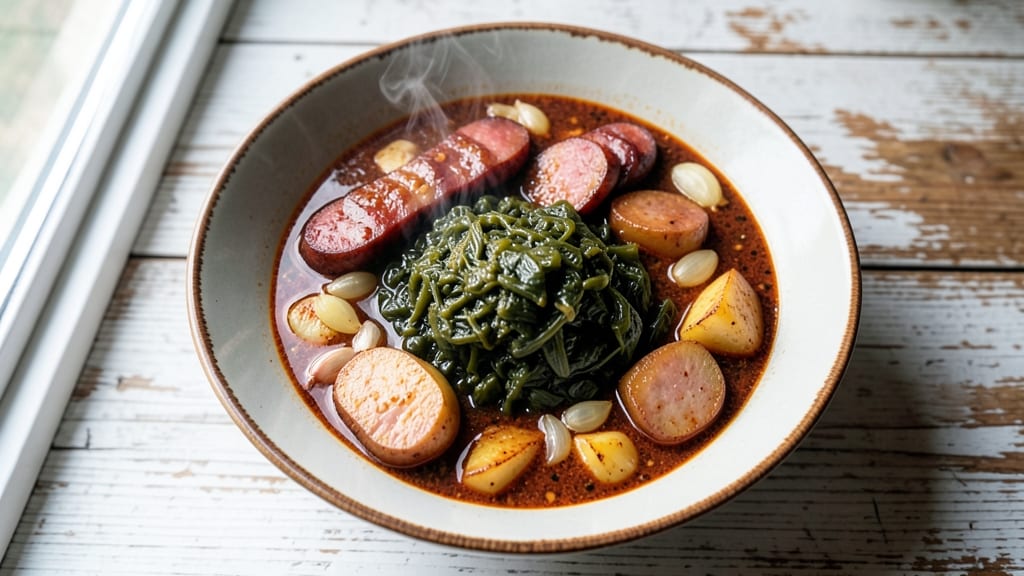
This Slovak sauerkraut soup recipe delivers hearty, smoky comfort in every bowl, blending tangy fermented cabbage with rich sausage and warm spices. The secret lies in balancing the soup's acidity with deep, earthy flavors from smoked paprika and slow-cooked aromatics.
I've perfected this one-pot meal through years of testing, ensuring it's both authentic and foolproof for home cooks.
The beauty of this recipe is its versatility—traditionally hearty with sausage, but easily adapted for vegetarians by omitting meat. A proper simmer transforms tough cuts into tender bites while developing complex flavors from onions, garlic, and bay leaves.
The potatoes add satisfying substance, soaking up the rich broth and balancing the tangy sauerkraut perfectly.
What you'll end up with is a steaming bowl of soup that's rich yet balanced, with smoky paprika notes cutting through the sauerkraut's tang. The aroma alone will fill your kitchen with warmth, while the texture delivers crisp edges on potatoes and tender sausage.
This is the kind of meal that feels like a hug on a chilly day.
Whether you're serving a family dinner or meal prepping for the week, this soup scales beautifully while maintaining its depth of flavor. The leftovers actually improve overnight as the flavors meld further. Here's how to make it—step by step for professional results every time.
Ingredients for slovak sauerkraut soup
Smoky, tangy, and deeply comforting—just a few simple ingredients transform into this Slovak classic.
| Ingredient | Amount | Notes |
|---|---|---|
| Smoked Paprika 🌶️ | 2 tbsp | Hungarian or Spanish for authentic smokiness |
| Slovak Smoked Sausage 🥓 | 1 ½ lb | Kielbasa-style, sliced into rounds |
| Sauerkraut 🥬 | 1 ½ lb | Freshly fermented, drained |
| Yellow Onion 🧅 | 1 whole | Medium, thinly sliced |
| Garlic Cloves 🧄 | 6 cloves | Fresh, minced |
| Russet Potatoes 🥔 | 2 lb | Peeled, cubed into 1-inch pieces |
| Carrots 🥕 | 3 whole | Medium, sliced into rounds |
| Bay Leaves 🌿 | 2 whole | Fresh if available |
| Chicken Broth 💧 | 4 cups | Low-sodium, homemade preferred |
| Tomato Paste 🍅 | 2 tbsp | Smooth, no sugar added |
| Apple Cider Vinegar 🍎 | 1 tbsp | For tangy balance |
| Dried Thyme 🌿 | 1 tsp | Or 1 tbsp fresh |
| Ground Black Pepper 🌶️ | ½ tsp | Freshly cracked |
| Salt 🧂 | 1 ½ tsp | Adjust to taste |
| Unsalted Butter 🧈 | 2 tbsp | For richness |
The smoked paprika is non-negotiable here—Hungarian or Spanish gives that authentic depth. I grab mine from Penzeys or the bulk bins at Whole Foods if I'm not using it up quickly. The sausage should be Slovak kielbasa-style, but smoked kielbasa or even good-quality smoked sausage works in a pinch. Look for pieces with visible fat marbling—they stay juicier during the long simmer. Sauerkraut? Freshly fermented is key—avoid the canned kind with vinegar added, and always drain it well before using. The potatoes and carrots can be any variety, but Russets hold up best to the long cooking time.
No smoked paprika? Half a teaspoon of liquid smoke plus extra smoked salt gets you close, but it won’t be the same. Running low on sausage? Substitute with smoked turkey or even extra mushrooms for a vegetarian version. The tomato paste can be swapped for crushed tomatoes if you prefer, but paste gives that concentrated richness. Fresh thyme is ideal, but dried at one-third the amount works fine. For the broth, homemade is best, but even low-sodium store-bought works if you dilute it with water. The vinegar balances the tang—don’t skip it, even if your sauerkraut is extra sour.
This soup tastes even better the next day as the flavors meld. Keeps for 5 days in the fridge, and freezes beautifully for up to 3 months. I like to portion it into containers with a little extra broth on top to prevent freezing. The sausage and potatoes stay tender when reheated gently—just warm over medium-low heat with a splash of water if it’s too thick. For serving, I always add a dollop of sour cream or crème fraîche and a sprinkle of fresh parsley if I’ve got it.
Why You'll Love This Recipe
- One-Pot Magic: I love that this soup comes together in just one pot—no extra dishes, no cleanup chaos. The sausage browns right in the same pot where the potatoes and sauerkraut simmer, so you’re basically doing one job, not three. Honestly, the only thing you’ll need to wash is your spoon.
- Smoky-Sweet Payoff: That smoked paprika and Slovak sausage? They’re a match made in heaven. The paprika adds that deep, earthy warmth while the sausage brings a rich, slightly sweet smokiness that cuts through the tang of the sauerkraut. Trust me, the first bite will hit you like a flavor hug.
- Leftover Legend: This soup is that kind of dish—better the second day. I make it on Sundays, and by Wednesday, it’s my go-to lunch. It freezes like a dream too, so you can batch it up and pull it out when you’re craving comfort without the effort. My kids even ask for seconds, and they’re not picky eaters.
- Budget-Friendly Feast: You’re getting hearty, satisfying flavors without breaking the bank. A whole pound of sausage, potatoes, and sauerkraut stretch into enough soup to feed four (or two hungry people twice). Plus, the ingredients are pantry staples—no weird or expensive add-ons here. It’s the kind of meal that fills you up and your wallet.
Step-by-step instructions for Slovak sauerkraut soup
This hearty soup delivers deep smoky flavors and satisfying textures in one simple pot.
Sauté the Aromatics and Sausage
Heat the 2 tablespoons unsalted butter in a large Dutch oven or heavy pot over medium heat. Once melted and foaming, add the 1 yellow onion, sliced into half-moons, and cook for 5-6 minutes until softened and translucent. Stir occasionally to prevent browning.
Push the onions to one side of the pot and add the 1½ lb Slovak smoked sausage, sliced into rounds. Cook the sausage for 3-4 minutes until lightly browned on all sides. This step builds the rich foundation of your soup by developing deep, caramelized flavors in the sausage.
Here's the thing—don't rush this step. The sausage needs time to render its fat and develop that beautiful smoky aroma. If it sticks, just add a splash of chicken broth to help loosen it from the bottom of the pot.
Build the Flavor Base
Add the 2 tablespoons tomato paste and stir it into the sausage and onions for 1 minute until fully incorporated. This creates a rich, umami base that will carry through the entire soup. Next, sprinkle in the 2 tablespoons smoked paprika and stir vigorously for 30 seconds to toast the spices and release their aromatic oils.
Pour in the 1 tablespoon apple cider vinegar and let it bubble for 1 minute—this brightens the flavors and cuts through the richness of the sausage. Add the 6 minced garlic cloves, 1 teaspoon dried thyme, ½ teaspoon ground black pepper, and 1½ teaspoons salt, stirring everything together for 30 seconds until fragrant.
This is the moment that matters: the spices should smell warm, earthy, and slightly tangy. If you're using fresh thyme, now's the time to add it instead of the dried version. The combination of vinegar and paprika creates that signature Slovak tang that makes this soup so special.
Simmer the Vegetables
Add the 2 lb peeled and cubed russet potatoes, 3 sliced carrots, and 1½ lb sauerkraut to the pot. Pour in the 4 cups chicken broth and bring everything to a gentle boil. Once boiling, reduce the heat to low and let it simmer uncovered for 20 minutes, stirring occasionally.
After 20 minutes, the potatoes should be tender when pierced with a fork, and the carrots should be soft but still holding their shape. If the soup looks too thick, add ½ cup water to help it reach your desired consistency. The sauerkraut will soften as it cooks, releasing its tangy flavor into the broth.
I know it seems like a long simmer, but this is where all the flavors meld together. The potatoes absorb the smoky broth while the sauerkraut mellows out its sharpness. Don't be tempted to rush this step—patience ensures a balanced, comforting soup.
Finish and Season
Remove the 2 bay leaves from the pot (if you added them earlier) and discard them. Taste the soup and adjust the seasoning if needed—you might need a little more salt or a splash of vinegar to balance the flavors. The soup should be rich, slightly tangy, and deeply aromatic.
Let the soup simmer for another 5-10 minutes to allow the flavors to fully develop. The final texture should be hearty but not gluey, with the potatoes and carrots cooked to perfection. If you prefer a smoother soup, use an immersion blender to lightly blend about half of it—this creates a beautiful contrast of textures.
This is the kind of soup that tastes even better the next day as the flavors continue to meld. Serve it hot with crusty bread to soak up every last drop of that smoky, sauerkraut-infused broth.
Pro Tips For Making Slovak Sauerkraut Soup
- Brown the Sausage Properly: That 3-4 minutes of browning isn’t just for looks—it’s where the sausage releases its fat and smoky depth. If you rush it, you’ll end up with bland, greasy rounds instead of flavor-packed slices. Use a splash of broth if it sticks, but don’t let it steam instead of brown.
- Drain the Sauerkraut Well: Skip this, and your soup will turn murky and watery. Press the sauerkraut between paper towels or in a clean kitchen towel to squeeze out excess liquid before adding it to the pot. Trust me, the texture—and flavor—will be worlds better.
- Toast the Paprika Right: Those 30 seconds of vigorous stirring aren’t just for show—they’re what makes the smoked paprika sing. If you toss it in and walk away, you’ll miss the chance to wake up its deep, earthy aroma. Keep the heat medium and stir like you’re trying to coax out every last bit of flavor.
- Simmer Uncovered, No Matter What: I know it’s tempting to cover the pot to speed things up, but that’s how you end up with a gluey, waterlogged soup. The 20-minute uncovered simmer lets the flavors concentrate and the sauerkraut soften naturally—no extra water needed. Patience here makes all the difference.
Troubleshooting this dish
Sauerkraut Too Tangy?
If your sauerkraut tastes overwhelmingly sharp, you may have used too much freshly fermented or skipped the vinegar balance. Drain excess liquid from the sauerkraut before adding and reduce the amount by ¼ lb.
Add ½ tsp baking soda to the broth to neutralize acidity, or simmer longer to mellow the flavors—30-45 extra minutes often does the trick. Taste as you go! 🔥
Sausage Too Dry
When sausage turns rubbery, it’s usually overcooked. Next time, remove it from the pot 5 minutes earlier and finish cooking it separately in a skillet with a splash of broth.
If already made, slice it thinly and quickly sauté in butter to restore moisture. Avoid adding more broth—it dilutes the flavor balance.
Soup Too Thin
Thin broth happens when too much liquid evaporates or you added extra water. For next batches, reduce the broth to 3 cups initially. If it’s already too thin, simmer uncovered for 10-15 minutes to concentrate flavors.
Stir in 1 tbsp cornstarch mixed with 2 tbsp cold water as a last resort to thicken.
Vegetables Undercooked
Potatoes and carrots stubbornly holding their shape? Check your heat—simmering should be low and gentle, not a rolling boil. Cover the pot loosely with a lid to trap steam while cooking.
If they’re still firm after 25 minutes, cut them into smaller pieces next time or add 5 minutes more to the simmer time.
Flavor Too Bland
A dull soup often means insufficient seasoning or underdeveloped spices. Next time, toast the smoked paprika longer—45 seconds instead of 30—to deepen its aroma. Taste frequently and adjust with ½ tsp salt or 1 tsp vinegar as needed.
A pinch of MSG (if you use it) can also amplify umami richness. Stir in 1 tbsp butter at the end for extra depth.
Sauerkraut Not Softening
If sauerkraut remains crunchy, it might be too fresh or not prepped properly. Drain it thoroughly and rinse under cold water to remove excess brine before adding. For stubborn pieces, simmer with the lid partially closed to allow steam to soften it without boiling vigorously.
If still firm, blend ½ cup into the soup for texture.
Nutrition facts
Frequently asked questions
How do I balance the tanginess of sauerkraut in this soup?
The 1 tablespoon apple cider vinegar in the recipe helps balance the sharpness, but if your sauerkraut is extra tangy, drain it thoroughly before adding. You can also reduce the amount by ¼ lb or add ½ teaspoon baking soda to the broth to mellow the acidity. Let it simmer longer—30-45 extra minutes—to soften the flavors naturally. Taste as you go!
Can I make this soup vegetarian?
Skip the 1½ pounds Slovak smoked sausage and replace it with 1 cup mushrooms (like cremini or shiitake) or extra 1 lb sauerkraut. For depth, add 1 teaspoon smoked paprika and a pinch of liquid smoke to mimic the smoky flavor. The rest of the recipe stays the same—just adjust seasoning to taste.
Why does my sausage turn out dry?
Overcooking is the usual culprit—remove the sausage 5 minutes early next time and finish it in a skillet with a splash of broth. If already dry, slice it thinly and quickly sauté in 1 tablespoon butter to restore moisture. Avoid adding extra broth later, as it dilutes the flavor balance.
How do I adjust the soup if it's too thick?
Thick soup happens when too much liquid evaporates. For future batches, use 3 cups broth instead of 4 cups. If it's already too thick, simmer uncovered for 10-15 minutes to reduce it naturally. As a last resort, mix 1 tablespoon cornstarch with 2 tablespoons cold water and stir it in gently.
Can I use frozen sauerkraut instead of fresh?
Yes, but thaw it first and drain it thoroughly—frozen sauerkraut often has excess liquid. Rinse it under cold water to remove any ice crystals or added preservatives. The texture will be slightly softer, but the flavor will still work well in the soup. Just be sure to adjust the broth as needed for consistency.