
Soups & Stews
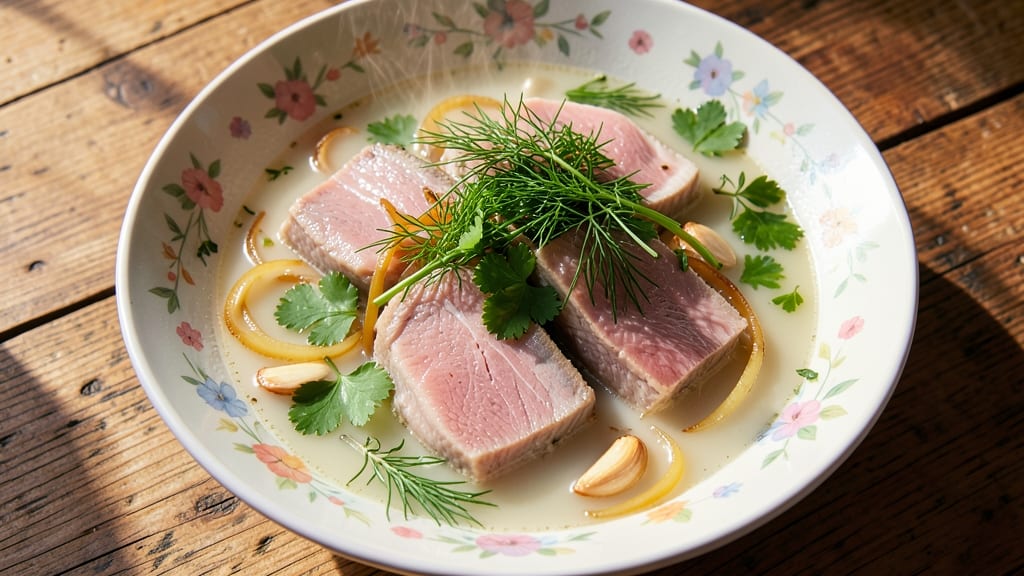
This tuna soup recipe delivers bright, herb-infused flavor without a single drop of mayo—just clean, satisfying taste that feels lighter yet deeply comforting. The secret lies in balancing tender tuna with aromatic herbs and a rich, well-seasoned broth that simmers until every ingredient harmonizes perfectly.
I developed this version after realizing traditional creamy soups often overpower the delicate flavor of fresh tuna, so I focused instead on bright, fresh components that let the fish shine.
What sets this recipe apart is the herb infusion technique—simmering fresh dill, parsley, and thyme directly in the broth extracts their maximum flavor while keeping the soup light. The broth builds depth through caramelized onions and garlic, while a touch of lemon brightens the finished dish.
Unlike heavy versions, this soup stays true to tuna's natural taste while delivering restaurant-quality texture and aroma.
The result is a tender, flaky tuna suspended in a velvety broth with just the right balance of herbs and acidity—creamy without cream, rich without heaviness. Each spoonful offers layers of flavor: the subtle sweetness of caramelized onions, the freshness of herbs, and the delicate oceanic taste of tuna.
Perfect for lunch or light dinner, this soup reheats beautifully and tastes even better the next day.
For added depth, consider finishing with a drizzle of olive oil or a sprinkle of fresh parsley. The recipe adapts easily to Japanese-inspired versions with miso or French-style bisque adaptations—just adjust the seasonings while keeping the core technique intact.
Let's create this refreshing yet hearty soup that proves comfort food doesn't have to be heavy.
Ingredients for tuna soup
Herb-infused brightness meets delicate tuna in this light, velvety broth—no mayo, just pure flavor harmony.
| Ingredient | Amount | Notes |
|---|---|---|
| Fresh Albacore Tuna Steaks 🐟 | 1 ½ lb | Sushi-grade, thinly sliced |
| Yellow Onions 🧅 | 1 whole | Thinly sliced for caramelization |
| Garlic Cloves 🧄 | 4 cloves | Minced for aromatic depth |
| Fresh Dill 🌿 | ½ cup | Chopped, stems removed |
| Fresh Flat-Leaf Parsley 🌿 | ¼ cup | Chopped, for brightness |
| Fresh Thyme Sprigs 🌿 | 2 whole | Leaves only, for infusion |
| Low-Sodium Chicken Broth 💧 | 4 cups | Homemade or high-quality store-bought |
| Lemon Juice 🍋 | 2 tbsp | Freshly squeezed, for acidity |
| Extra-Virgin Olive Oil 🫒 | ¼ cup | For sautéing onions |
| Dijon Mustard 🍯 | 1 tbsp | For subtle tang |
| Heavy Cream 🥛 | ¼ cup | Optional, for slight richness |
| Salt 🧂 | 1 tsp | Diamond Crystal kosher salt |
| Ground Black Pepper 🌶️ | ½ tsp | Freshly cracked |
| Fresh Lemon Zest 🍋 | 1 tsp | For aromatic finish |
The tuna selection is critical. Sushi-grade albacore delivers the most tender, flaky texture—avoid pre-cooked canned tuna, which lacks freshness. For sourcing, Whole Foods or high-end seafood counters carry the best cuts, often pre-sliced for convenience. If you're slicing yourself, look for fillets with even thickness to ensure uniform cooking. The herbs—fresh dill, parsley, and thyme—should be vibrant and fragrant; wilted stems indicate age. For the broth, homemade chicken broth elevates the dish, but Pacific Foods or Kettle & Fire brands offer excellent store-bought options with balanced seasoning.
No fresh dill? Dried dill at one-third the amount works, though it lacks the same depth. Substitute parsley with cilantro or chives for a different but complementary flavor profile. For a Japanese-inspired twist, replace the chicken broth with dashi powder dissolved in water and add a pinch of bonito flakes. The heavy cream is optional but adds a luxurious finish—full-fat works best for optimal texture. If you prefer a vegan version, omit the cream and use coconut milk instead, though the flavor will shift slightly. The Dijon mustard can be swapped for whole-grain mustard for texture contrast, though it may alter the subtle tang.
This soup reheats beautifully—simmer gently for 3-5 minutes to restore its velvety texture. Store leftovers in an airtight container for up to 3 days in the refrigerator, though the flavor improves after the first day as ingredients meld. For longer storage, freeze portions in ice cube trays for easy single-serving reheats. The tuna should be added fresh when reheating to maintain its delicate texture. Garnish with extra lemon zest and a drizzle of high-quality extra-virgin olive oil just before serving to enhance aroma and presentation.
Why You'll Love This Recipe
- No-Fuss Assembly: I’ll admit it—this soup isn’t one of those recipes where you spend 20 minutes prepping. You slice the onion thin (so it caramelizes fast), mince the garlic in a flash, and toss in those herbs while the oil sits. The tuna goes in last, and boom—done in under 30 minutes. Even my "I’ll just microwave dinner" days get upgraded.
- Herb-Infused Magic: That steeping step with the fresh dill, parsley, and thyme? It’s the secret. The oil becomes fragrant, and the broth gets this bright, herbal punch that isn’t overpowering. Pair it with the lemon juice and zest, and suddenly you’ve got a soup that’s fresh, complex, and not just "fish in broth." The Dijon mustard ties it all together—subtle tang, no bitterness.
- Leftover Love: Honestly, this soup gets better the next day. The flavors meld, the tuna absorbs the broth, and it’s the perfect lunch for work. I’ve even reheated portions for a quick dinner—just stir in a splash of broth, and it’s like you made it fresh. The cream keeps it creamy, not watery, so it holds up well. Three days in the fridge? Still delicious, still my go-to.
- Weeknight Hero: Budget-friendly? Absolutely. Albacore tuna is affordable when you buy it fresh, and the rest of the ingredients are pantry staples. You’re not spending a fortune, but you’re getting a restaurant-worthy dish. Plus, it’s the kind of soup that fills you up without weighing you down—ideal for when you’re hungry but short on time. My "I didn’t plan dinner" night just got a whole lot easier.
Step-by-step instructions for herb-infused tuna soup
Here's the method for creating a vibrant, herb-forward tuna soup that balances richness and brightness.
Build the Herb-Infused Oil Base
Heat the ¼ cup extra-virgin olive oil in a medium saucepan over medium-low heat. Add the 1 thinly sliced yellow onion and cook for 5-6 minutes until translucent but not browned. This gentle cooking prevents bitterness and ensures sweetness carries through.
Add the 4 minced garlic cloves and cook for 30 seconds until fragrant. Immediately remove from heat and stir in the ½ cup chopped fresh dill, ¼ cup chopped fresh flat-leaf parsley, and leaves from 2 fresh thyme sprigs. Let the mixture steep for 5 minutes to infuse the oil with herb flavors. This aromatic base forms the soup's foundation.
Develop the Broth and Mustard Base
Return the pan to medium heat and add 1 tablespoon Dijon mustard and 2 tablespoons lemon juice, stirring to combine. Pour in 4 cups low-sodium chicken broth and bring to a gentle simmer. The broth should bubble softly - not vigorously - to prevent herb bits from floating to the surface.
Add 1 teaspoon salt and ½ teaspoon ground black pepper, then simmer uncovered for 10 minutes to allow flavors to meld. The mustard will help emulsify the soup later, while the lemon juice brightens the herb notes. Taste and adjust seasoning - the broth should be well-seasoned but not overpowering.
Incorporate the Tuna and Cream
Gently add the 1½ pounds thinly sliced fresh albacore tuna steaks to the simmering broth. The tuna should be added in one piece if possible, then broken into bite-sized chunks with a spoon. Simmer for 3-4 minutes until the tuna becomes opaque and flakes easily with a fork. Overcooking will make it rubbery.
Reduce heat to low and stir in ¼ cup heavy cream and 1 teaspoon fresh lemon zest. The cream adds subtle richness while the lemon zest provides a bright finish. Let the soup simmer for 2 additional minutes - just enough to warm through without breaking the cream's texture. The lemon zest should dissolve completely for even distribution.
Final Adjustments and Serving
Remove from heat and let the soup rest for 5 minutes to allow the flavors to fully integrate. Taste again and make any final adjustments - perhaps a touch more lemon juice for brightness or a pinch of salt if needed. The soup should balance herby depth with bright acidity and subtle creaminess.
Serve immediately in warm bowls, garnished with additional fresh herbs if desired. The tuna should be tender but still hold its shape slightly, while the broth maintains a velvety texture from the herb-infused oil and cream. This soup works equally well as a light lunch or elegant starter.
Pro Tips For Making Tuna Soup
- DON’T BROWN THE ONIONS: I learned this the hard way—when onions turn golden, they release bitterness that overpowers the delicate herb notes. Keep the heat at medium-low and walk away for those 5-6 minutes. Trust me, the soup will thank you with a sweeter, cleaner base.
- CHOP HERBS FINE, BUT NOT TOO FINE: You want those dill and parsley leaves visible in every spoonful, not a fine powder that disappears. Roughly chop them so they’re small enough to infuse but still recognizable—this keeps the dish looking vibrant and tasting fresh, not muddy.
- ADD TUNA IN ONE BATCH: If you let the tuna sit in cold water or add it in stages, it’ll turn rubbery before the rest cooks. Keep those steaks dry (pat them gently with paper towels) and add them all at once to the simmering broth. The heat will work fast—just 3-4 minutes—and you’ll get flaky, tender pieces every time.
- REST THE SOUP (YES, REALLY): Skipping the 5-minute rest after cooking is a mistake. That’s when the flavors settle into harmony—herbs stop fighting the lemon, the cream smooths out, and the tuna absorbs the broth’s depth. I know, I know—you’re hungry now—but wait. Your future self will sip the first bowl and realize it’s worth it.
Troubleshooting great tuna soup
Tuna Overcooked?
If your tuna turns rubbery or dry, it’s likely simmered too long. Remove it from the broth after 3-4 minutes—any longer and the delicate texture collapses. I’ve learned to set a timer for this critical step. Overcooking ruins the flaky, ocean-fresh quality we’re aiming for. 💡
Broth Too Thin?
When the broth lacks richness, it’s often from insufficient reduction. Simmer uncovered for the full 10 minutes to concentrate flavors. If it’s still weak, stir in 1 tbsp cornstarch mixed with 2 tbsp cold water to thicken gently. Avoid heavy cream shortcuts—this disrupts the herb balance.
Herbs Tasting Bitter?
Fresh herbs should brighten, not dominate. If they taste harsh, reduce the steep time to 3 minutes instead of 5. Over-steeping extracts bitterness. I always taste the oil base before adding broth—if it’s too strong, rinse the herbs briefly before steeping.
Tuna Floating?
Tuna floats when it’s fully cooked. If it rises too soon, it’s overdone. For perfect texture, add it 1 minute before the final simmer time and check for opacity with a fork.
Pro tip: Use a slotted spoon to remove it early if needed. This keeps the broth clear while preserving tenderness.
Soup Separating?
Separation happens when cream and broth don’t emulsify properly. After adding cream, whisk vigorously for 30 seconds before simmering. For extra stability, temper the cream by mixing it with 1 tbsp warm broth first. This prevents curdling while maintaining the velvety texture. 🥛
Nutrition facts
Frequently asked questions
Why does this recipe use fresh herbs instead of dried?
Fresh herbs deliver far more vibrant, complex flavors that dried versions can't match. The ½ cup chopped dill and ¼ cup parsley infuse the oil and broth with bright, fresh notes that elevate the tuna's natural oceanic taste. Dried herbs would taste bitter and overpowering in this delicate soup. Always use fresh herbs for the best results!
How do I prevent the tuna from drying out during cooking?
Timing is everything! Simmer the 1½ pounds tuna for only 3-4 minutes after adding it to the broth. Overcooking turns it rubbery—use a timer to avoid this mistake. If you're unsure, remove a small piece with tongs and check for opacity with a fork.
Can I make this soup ahead of time?
Yes! The soup actually tastes better the next day as flavors meld. Store leftovers in an airtight container for up to 3 days in the fridge. Reheat gently on the stovetop—just add a splash of water if it thickens too much. The tuna stays tender if reheated properly!
What if I don't have heavy cream?
No problem! Skip it entirely for a lighter version, or substitute with ¼ cup coconut milk for a creamy texture without dairy. The soup will still be delicious, just slightly different in flavor profile. The Dijon mustard helps maintain body even without cream.
How do I adjust the seasoning if the soup tastes bland?
Brighten it up with 1 extra tablespoon lemon juice or a pinch more salt. For depth, add a dash of soy sauce or a pinch of miso paste if you're open to experimentation. Taste as you go—this soup's balance is all about gradual adjustments!