
Soups & Stews
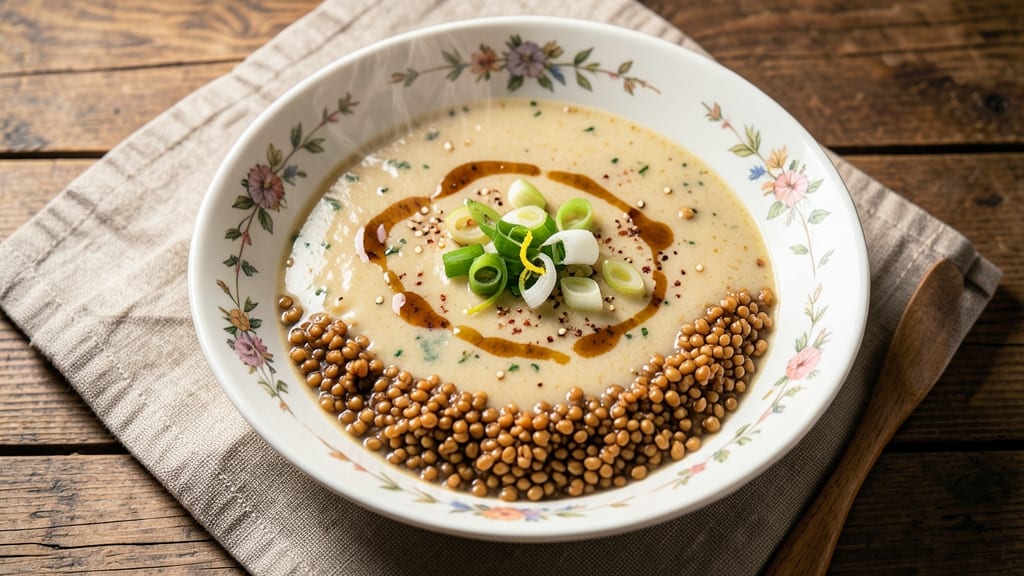
This vegetarian amaranth soup brings the comforting warmth of Chinese home cooking to your table, where earthy amaranth grains meet bright ginger and aromatic herbs.
The soup’s rich, nutty depth comes from slow-cooked amaranth, a staple in traditional Chinese medicine for its nourishing properties, while fresh ginger and scallions add a zesty lift that balances the dish’s natural heartiness.
What makes this recipe special is its adaptability—whether you’re preparing it for a family meal or a quiet evening, the flavors develop beautifully over time.
The secret to achieving that restaurant-quality texture lies in toasting the amaranth grains before simmering them, which enhances their nutty flavor and ensures they hold their shape without becoming mushy.
A light broth—made from vegetable stock and a touch of soy sauce—carries the grains and ingredients, while fresh ginger and scallions infuse the soup with layers of warmth and brightness.
The result is a dish that’s both comforting and vibrant, perfect for cooler days when you crave something hearty yet light.
By the time you’re done, you’ll have a bowl of soup that’s creamy yet textured, with tender amaranth grains floating in a fragrant, golden broth.
Garnish with crisp scallions, a drizzle of sesame oil, and a sprinkle of toasted sesame seeds to elevate the presentation and add another layer of flavor. This soup pairs beautifully with steamed dumplings or a side of stir-fried greens, making it a complete, satisfying meal.
What sets this recipe apart is its versatility—you can adjust the spice level with chili oil or keep it mild for all ages.
The amaranth’s natural earthiness makes it a canvas for other flavors, so feel free to experiment with mushrooms, tofu, or even a splash of rice wine for added depth. Whether you’re exploring traditional Chinese flavors or simply looking for a nourishing vegetarian dish, this amaranth soup delivers.
Ingredients for amaranth soup recipe chinese
Earthy amaranth meets bright ginger and aromatic herbs in this comforting vegetarian Chinese soup.
| Ingredient | Amount | Notes |
|---|---|---|
| Amaranth Grains 🌾 | ½ cup | Toasted for nutty flavor |
| Fresh Ginger 🧄 | 2 tbsp | Grated, aromatic variety |
| Vegetable Stock 💧 | 4 cups | Homemade or low-sodium |
| Light Soy Sauce 🥢 | 1 tbsp | For umami depth |
| Scallions 🧅 | ¼ cup | Thinly sliced, white and green |
| Sesame Oil 🫒 | 1 tbsp | Toasted, for finishing |
| Toasted Sesame Seeds 🌰 | 1 tbsp | For garnish |
| Garlic Cloves 🧄 | 2 cloves | Minced for aromatic base |
| Shiitake Mushrooms 🍄 | 4 whole | Sliced, optional for depth |
| Rice Wine 🍶 | 1 tbsp | Dry, for brightness |
| Chili Oil 🌶️ | 1 tsp | Optional, for heat |
| Sea Salt 🧂 | ½ tsp | Diamond Crystal preferred |
| Black Pepper 🌶️ | ¼ tsp | Freshly ground |
| Silken Tofu 🥬 | ¼ cup | Cubed, optional protein |
Amaranth is the star here—look for organic amaranth grains at health food stores like Whole Foods or Asian markets for the best texture. Toasting them in a dry pan until fragrant (about 3-4 minutes) unlocks their nutty potential. Fresh ginger should be vibrant and firm, not woody—peel it just before grating. If you can't find shiitake mushrooms, cremini or white mushrooms work in a pinch, though they lack that earthy depth. The vegetable stock is non-negotiable for a clean, flavorful base—avoid bouillon cubes, which can make the soup taste flat.
No rice wine? Dry sherry or mirin both work, but rice wine's subtle sweetness is ideal. Short on sesame oil? Toasted peanut oil adds a similar richness, though with a nuttier twist. The chili oil is completely optional—skip it for a mild version or add more for heat lovers. If you're using tofu, silken tofu holds its shape better than firm, and pressing it lightly removes excess water. For extra umami, a dash of vegetable miso paste (½ tsp) dissolves beautifully into the broth. The scallions should be crisp—save the green parts for garnish to keep the soup's texture clean.
This soup tastes even better the next day as flavors meld. Store leftovers in an airtight container for up to 4 days in the fridge, or freeze for 3 months. The amaranth grains hold their texture well when reheated gently—just add a splash of water if the broth thickens. For meal prep, make a double batch and portion into containers. The toasted sesame seeds and sesame oil can be added fresh when serving to keep them crisp. Garnish with extra scallions and a drizzle of chili oil for that restaurant-quality finish.
Why You'll Love This Recipe
- No-Fuss Ingredients: I swear by this recipe because it’s the kind of meal where you don’t need to raid the pantry. Amaranth grains? Just rinse and simmer—they’re the unsung hero here, turning into a creamy, nutty base without any fuss. Fresh ginger and scallions add that bright, zesty kick, but even if you’re short on time, a quick grating and chop is all it takes.
- Umami Bomb: That light soy sauce and vegetable stock combo? It’s where the magic happens. The soup develops this deep, savory richness that lingers—like a warm hug in a bowl. Honestly, I’ll take this over any store-bought broth any day.
- Weeknight to Potluck: Make a big batch on Sunday, and you’ve got lunch or dinner covered for days. The flavors actually improve after reheating, so it’s perfect for meal prep. And between us? It’s the one dish I bring to gatherings because it’s hearty, healthy, and no one ever guesses it’s amaranth.
- Budget Meal, Big Payoff: Amaranth is cheap, lasts forever, and stretches into multiple servings. I’ve served this to college students on a tight budget, and they’ve asked for seconds—proof it’s a solid, reliable dish. Plus, the leftovers taste just as good cold the next day.
Step-by-step instructions for earthy amaranth soup
This soup brings together nutty amaranth with aromatic ginger and umami-rich shiitake mushrooms for a deeply satisfying bowl.
Toast the Amaranth Grains for Maximum Flavor
Heat a dry skillet over medium heat and add the 0.5 cup amaranth grains. Toast them for 3-4 minutes, stirring constantly with a wooden spoon until they turn a deep golden brown and release an inviting nutty aroma. This step is crucial—it enhances the amaranth's natural earthiness and prevents a raw, grainy texture in your soup. Watch closely as the grains can burn quickly once they start to brown.
Once toasted, immediately transfer the amaranth to a bowl and set aside. You'll notice the grains will have nearly doubled in size and become fragrant. This toasted amaranth will form the hearty base of your soup, providing both texture and nutritional depth. Don't skip this step—it makes all the difference in the final result.
Build the Aromatic Base with Ginger and Garlic
In the same skillet (no need to clean it—the toasted bits add flavor), add 1 tablespoon sesame oil and place over medium-low heat. Add the 2 cloves minced garlic and 2 tablespoons grated fresh ginger, stirring constantly for 1-2 minutes until the mixture becomes fragrant and the garlic turns golden. You'll smell that distinctive, warm spice profile that forms the foundation of this dish.
Next, add the 4 whole shiitake mushrooms (sliced) and cook for another 3-4 minutes until they begin to soften and release their moisture. If using the optional 0.25 cup cubed silken tofu, add it now and cook for 1 minute to gently warm through. This step develops the soup's complex umami flavor—don't rush it, as proper cooking of these aromatics is essential for depth.
Simmer the Soup with Vegetable Stock and Seasonings
Pour in the 4 cups vegetable stock and bring to a gentle simmer over medium heat. Add the toasted amaranth grains, 1 tablespoon light soy sauce, 1 tablespoon rice wine, 0.5 teaspoon sea salt, and 0.25 teaspoon black pepper. Stir well to combine all ingredients, then reduce heat to low and let the soup simmer uncovered for 20-25 minutes, stirring occasionally.
During this time, the amaranth will absorb the liquid and soften while releasing its nutty essence. You'll see the soup thicken slightly as the grains break down. Taste after 15 minutes—if you want more depth, add a splash more stock or a touch of soy sauce. The soup should be creamy but still have some body, not watery. This simmering process is where all the flavors meld together beautifully.
Finish with Fresh Scallions and Sesame Oil
Once the soup has simmered to your desired consistency (it should coat the back of a spoon but remain spoonable), remove it from heat. Stir in the 0.25 cup thinly sliced scallions and 1 tablespoon toasted sesame seeds. Drizzle with 1 tablespoon toasted sesame oil and, if using, 1 teaspoon chili oil for a subtle kick. The sesame oil adds a rich, nutty finish that complements the earthy amaranth perfectly.
Let the soup rest for 5 minutes before serving—this allows the flavors to settle and the amaranth to fully absorb any remaining liquid. Ladle into bowls and garnish with additional sesame seeds and chili oil if desired. Each spoonful should deliver a harmonious balance of nutty amaranth, aromatic ginger, umami mushrooms, and the bright finish of scallions and sesame.
Optional Protein Enhancement
For added protein, gently fold in the 0.25 cup cubed silken tofu during the final 2 minutes of simmering. The tofu will warm through without absorbing too much of the soup's liquid, maintaining its delicate texture. If you prefer a creamier soup, you can blend a portion of the finished soup with a splash of stock and stir it back in for a velvety consistency. This step is completely optional but adds another layer of texture and satisfaction to each bowl.
The result is a deeply flavorful soup that balances earthy, nutty, and umami notes perfectly. The toasted amaranth provides a satisfying texture, while the ginger and garlic create warmth that lingers. Serve with crusty bread or steamed rice to soak up every last drop of this comforting bowl.
Pro Tips For Making Amaranth Soup Recipe Chinese
- TOAST THE AMARANTH: Toss raw amaranth in a dry pan over medium-high for 2-3 minutes until fragrant and slightly nutty—this prevents that chalky aftertaste. (Yes, it’s extra work, but your soup won’t taste like birdseed.)
- GRATE GINGER FINE: Use the smallest holes on your grater or pulse it in a food processor—thin, even slices burn fast and leave you scrambling for more flavor. (I learned this after adding ginger twice in one batch.)
- SIMMER DON’T BOIL: Keep the stock at a gentle simmer (tiny bubbles, barely there) once the amaranth is added—aggressive boiling turns the grains mushy and the soup gluey. (Your future self will curse you if you ignore this.)
- FINISH WITH SOY: Stir in the light soy sauce in the last 2 minutes of cooking—adding it earlier can make the soup taste flat and dull. (This is the difference between "meh" and "I’d eat this every day.")
Pro cooking tips for perfect results
Toast Amaranth Properly
Toast your amaranth grains in a dry skillet over medium heat for exactly 3-4 minutes, stirring constantly. This step is non-negotiable—it develops that deep, nutty flavor and prevents a raw, chalky texture.
Watch closely after 2 minutes as they darken quickly. Transfer immediately to a bowl to stop cooking—over-toasting makes them bitter. 🔥
Balance Ginger Heat
Use fresh ginger exclusively—it adds bright, zesty notes that dried ginger can't match. Grate 2 tablespoons just before cooking to preserve its potency. For milder heat, reduce to 1 tablespoon or add a pinch of sugar to balance. The ginger should infuse the soup but not overwhelm the amaranth's earthiness.
Simmer Low and Slow
Keep your soup at a gentle simmer (low heat) for 20-25 minutes—boiling breaks down the amaranth too quickly. Stir occasionally to prevent sticking.
If the soup reduces too much, add ¼ cup vegetable stock at a time. The ideal consistency coats the back of a spoon but remains spoonable.
Finish with Freshness
Add scallions and sesame seeds only at the very end—they lose their crispness when cooked. Drizzle with toasted sesame oil (not regular sesame oil) for that authentic nutty aroma. For extra depth, add a splash of rice wine vinegar (½ teaspoon) just before serving.
Adjust Texture as Needed
Want a creamier soup? Blend 1 cup of the finished soup with 2 tablespoons vegetable stock until smooth, then stir it back in. For extra heartiness, add ½ cup cooked quinoa during the final 5 minutes of simmering. The amaranth's texture should remain distinct—never overcook it.
Storage Secrets
Store leftovers in an airtight container for up to 4 days in the fridge. Reheat gently on low heat with a splash of water to restore texture. For freezing, portion into quart-sized bags and thaw overnight in the fridge. The amaranth holds up well but may soften slightly after reheating.
Nutrition facts
Frequently asked questions
Can I substitute amaranth with another grain in this Chinese soup?
While amaranth provides a unique nutty texture, you can substitute it with toasted quinoa or buckwheat groats for a similar earthy flavor. Toast these grains first (3-4 minutes) just like amaranth, then follow the same simmering method. For a creamier texture, try barley or wild rice, but they'll require a longer cook time (30-40 minutes) to fully tenderize.
How can I make this soup spicier without chili oil?
For a Chinese-inspired kick, add 1 teaspoon Sichuan peppercorns (toasted and crushed) or ½ teaspoon red pepper flakes during the final simmer. For depth, stir in 1 tablespoon fermented black beans (mashed) or 1 teaspoon doubanjiang (spicy bean paste) when building the aromatic base. Balance with a pinch of sugar to prevent overwhelming heat.
Why did my amaranth turn bitter or mushy?
Bitter flavor means you over-toasted the grains—keep stirring and remove them immediately when golden brown (3-4 minutes). Mushy texture happens from either boiling the soup (use low simmer) or under-toasting the amaranth. For best results, toast until fragrant and simmer uncovered on low heat for exactly 20-25 minutes. If needed, add ¼ cup stock to adjust consistency.
Can I make this soup ahead of time for a gathering?
This soup tastes even better the next day as flavors meld. Prepare it up to 2 days ahead and store in an airtight container in the fridge. Reheat gently on low heat with a splash of water—never microwave directly. For large groups, double the recipe and reheat in batches. Add fresh scallions and sesame oil just before serving to maintain crispness.
What are good vegetarian protein additions?
For extra protein, try silken tofu (cubed), tempeh (pan-fried), or edamame (shelled). Add tofu during the final 5 minutes of simmering, tempeh in the aromatic base, and edamame in the last 2 minutes. For a heartier soup, stir in ½ cup cooked lentils or ½ cup chopped mushrooms during the simmer.