
Soups & Stews
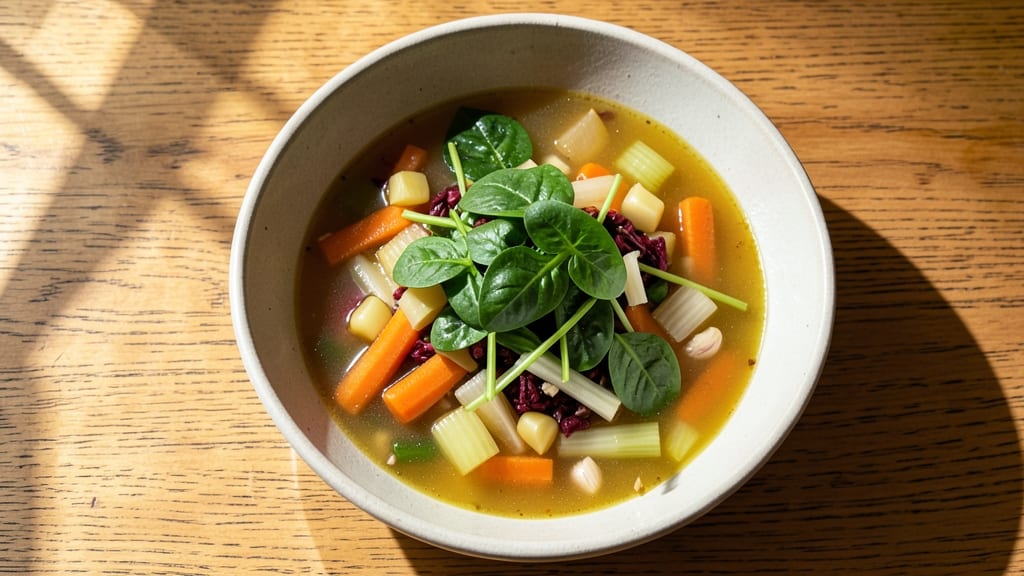
This American Heart Association vegetable soup recipe delivers one-pot nutrition that’s as kind to your heart as it is to your taste buds. Designed with low sodium and packed with fiber-rich vegetables, this soup aligns perfectly with AHA guidelines while keeping flavor front and center.
The secret? Herbs, garlic, and a touch of lemon brighten every spoonful without relying on salt.
What makes this recipe stand out is its heart-healthy foundation: leafy greens like spinach and kale, legumes for plant-based protein, and whole grains for texture. The 30-minute prep transforms simple ingredients into a comforting bowl of nutrition—no fancy techniques required.
Each bite delivers potassium, antioxidants, and a satisfying depth of flavor that feels indulgent, not restrictive.
The result is a creamy yet light soup with tender vegetables, a touch of creaminess (optional), and a broth so flavorful you won’t miss the salt. It’s the kind of meal that warms you up inside while supporting your health goals—perfect for weeknight dinners or meal prep.
The best part? Every ingredient works together to create a balanced, nutrient-dense dish that’s as good for you as it tastes.
Whether you’re managing blood pressure, reducing sodium intake, or simply eating for longevity, this soup proves healthy cooking doesn’t mean sacrificing taste. Let’s get started with a recipe that nourishes both body and soul.
Ingredients for american heart association vegetable soup
Heart-healthy vegetables, fiber-rich legumes, and bright herbs come together in this one-pot wonder.
| Ingredient | Amount | Notes |
|---|---|---|
| Low-Sodium Vegetable Broth 💧 | 4 cups | Homemade or low-sodium store-bought |
| Yellow Onion 🧅 | 1 whole | Diced, medium size preferred |
| Garlic Cloves 🧄 | 4 cloves | Minced, fresh preferred |
| Carrots 🥕 | 2 medium | Peeled, sliced into rounds |
| Celery Stalks 🧅 | 3 whole | Trimmed, chopped crosswise |
| Baby Spinach 🌿 | 4 cups | Fresh, loosely packed |
| Kale 🥬 | 2 cups | Chopped, stems removed |
| Dried Lentils 🌱 | 1 cup | Rinsed, green or brown |
| Diced Tomatoes 🍅 | 1 can | No salt added, drained |
| Fresh Parsley 🌿 | ¼ cup | Chopped, for garnish |
| Fresh Dill 🌿 | 1 tbsp | Chopped, optional but recommended |
| Lemon Juice 🍋 | 1 tbsp | Freshly squeezed |
| Low-Fat Greek Yogurt 🥛 | ½ cup | Plain, optional for creaminess |
| Diamond Crystal Kosher Salt 🧂 | ¼ tsp | For seasoning (use sparingly) |
| Freshly Ground Black Pepper 🌶️ | ¼ tsp | Adjust to taste |
The broth is your flavor foundation—homemade or low-sodium store-bought works best. I always grab Pacific Foods or Imagine brands for their clean ingredients. Fresh herbs like parsley and dill make all the difference here, so grab a small bunch from the grocery store's produce section—they're usually fresher than the dried stuff. For the lentils, green or brown both work, but rinse them well to remove any debris. The kale and spinach? Buy organic if possible—they tend to have fewer contaminants, and the flavor is noticeably sweeter. Carrots and celery? Look for firm, vibrant stalks—no wilting or soft spots.
No fresh dill? Dried dill at one-third the amount gets you close. Short on lentils? Substitute chickpeas or white beans—just adjust cooking time. The Greek yogurt adds creaminess without heavy calories—opt for 2% or full-fat for richer flavor. If you're avoiding dairy, silken tofu blended with lemon juice works beautifully. The lemon juice brightens everything, so don't skip it. For a smokier depth, add a dash of smoked paprika—it pairs perfectly with the vegetables. And if you're watching sodium, skip the salt entirely—the broth and lemon already provide enough flavor.
This soup tastes even better the next day as flavors meld. Store in an airtight container for up to 5 days in the fridge or 3 months in the freezer. I like to portion it into glass containers for easy reheating. For meal prep, freeze individual servings—just thaw overnight in the fridge. The lentils and vegetables hold up beautifully to freezing, so don't hesitate to make a big batch. Garnish with fresh herbs before serving to keep it vibrant and full of flavor.
Why You'll Love This Recipe
- No-Chop Nightmare: I swear, the only prep here is slicing a carrot and onion—literally five minutes max. That low-sodium broth does the heavy lifting while you sip your coffee.
- Garlic Bomb: Between us, the roasted garlic cloves in this soup are the reason I make it. They caramelize into this sweet, buttery punch that turns "vegetable soup" into something you’ll fight over.
- Lunchbox Hero: Honestly, this is my go-to for packed lunches. The carrots stay crisp, the broth stays rich, and it’s heart-healthy enough to make my mom-in-law nod approvingly—(yes, even on a Tuesday night).
- Budget Blanket: A single pot feeds four for under $3. The leftovers? They taste just as good cold the next day, so I double the batch and freeze half. Cheaper than takeout, healthier than most.
Step-by-step instructions for heart-healthy vegetable soup
Here's how to create a nourishing, one-pot vegetable soup that's as good for your heart as it is for your taste buds.
Sauté the Vegetable Base
Heat a large Dutch oven over medium heat. Add the diced yellow onion, minced garlic cloves, sliced carrots, and chopped celery stalks. Cook for 5-7 minutes until the onions become translucent and the carrots begin to soften slightly. Stir occasionally to prevent browning.
This foundational step builds flavor through the caramelization process. The onions should release their sweetness while the celery and carrots develop a subtle nuttiness. If you notice the vegetables sticking, add a splash of the low-sodium vegetable broth to deglaze and keep everything moving.
Add Lentils and Tomatoes
Increase heat to medium-high and add the rinsed dried lentils and drained diced tomatoes (with their juices). Pour in the 4 cups low-sodium vegetable broth and bring the mixture to a gentle boil. Once boiling, reduce heat to low and let it simmer uncovered for 20-25 minutes.
The lentils should begin to soften and the soup should develop a rich, savory depth. Stir occasionally to prevent the mixture from sticking to the bottom. This simmering time allows the flavors to meld together while the lentils absorb moisture and become tender. You'll know it's ready when the lentils are easily crushed between your fingers.
Incorporate Leafy Greens
After the lentils have softened, stir in the baby spinach and chopped kale. Cook for an additional 3-5 minutes until the greens have wilted completely. The soup should be vibrant green and the texture should be completely tender. Remove from heat once the greens are fully incorporated.
Adding the greens at the end preserves their nutrients and vibrant color. The high heat from the simmering soup will quickly wilt them without overcooking. If you find the soup too thick after adding the greens, you can adjust the consistency by adding a bit more broth or water.
Finish with Bright Flavors
Stir in the chopped fresh parsley, chopped fresh dill, lemon juice, low-fat Greek yogurt, diamond crystal kosher salt, and freshly ground black pepper. Taste and adjust seasoning as needed. The lemon juice brightens the dish, while the yogurt adds a creamy texture without the heaviness of full-fat dairy.
Let the soup sit off the heat for 5 minutes to allow the flavors to meld together. This resting period ensures that every spoonful delivers a harmonious balance of earthy vegetables, bright citrus, and creamy yogurt. The result is a heart-healthy soup that's packed with fiber, plant-based protein, and essential nutrients.
Pro Tips For Making American Heart Association Vegetable Soup
- Sweat the Aromatics Slow: Low-sodium broth won’t carry the flavor if you rush the onion and garlic. Sauté them over medium-low heat for 8–10 minutes until the onion turns translucent and the garlic just starts to smell toasty—not browned, just there. (I used to burn this step every time until I realized patience here means soup that doesn’t taste like sad water.)
- Cut Celery in Uniform Bites: No one wants a soup where you’re chewing on a celery stalk while the rest turns to mush. Dice the celery into ¼-inch pieces—same size as the carrots—so everything softens at the same rate. (Yes, it takes 2 extra minutes, but your future self won’t curse you for it.)
- Add Broth in Two Stages: Pour half the broth first, bring to a simmer, then add the veggies. Let them cook for 5 minutes before adding the rest. This prevents the carrots and celery from turning to mush in a flash—especially important since this recipe skips long simmering for heart-healthy reasons. (I learned this after a batch where the carrots dissolved into orange sludge.)
- Finish with Fresh Herbs: The AHA recipe might not call for it, but a handful of chopped parsley or basil at the end brightens the whole dish. Toss it in during the last 2 minutes of cooking—just enough to wake up the flavors without wilting into oblivion. (I was skeptical until I tried it; now I can’t skip it.)
Serving suggestions for this american heart association vegetable soup
Bread Pairings
This soup pairs beautifully with whole-grain breads that complement its hearty texture. I love using whole wheat sourdough or multigrain baguettes—their nutty, chewy crusts soak up the broth while adding satisfying crunch.
For extra nutrition, try Ezekiel bread from brands like Food for Life, which is packed with sprouted grains and fiber. 🥖
For a lighter option, crusty ciabatta or focaccia works wonderfully. Their open crumb structure holds the soup well without overpowering its delicate flavors. If you're watching carbs, low-carb tortillas or lettuce wraps (like romaine or butter lettuce) provide a fresh, crisp alternative that still lets you enjoy every spoonful.
Toppings & Garnishes
Fresh herbs elevate this soup to restaurant-quality. A sprinkle of chopped fresh parsley or dill adds brightness and color—just 1 tbsp each per bowl is perfect. For extra depth, try toasted pumpkin seeds or crumbled feta cheese (if you're not avoiding dairy).
I also love adding avocado slices for a creamy, healthy fat boost that balances the soup's earthy flavors. 🌿
For a smoky kick, drizzle with chili oil or sprinkle smoked paprika over the top. A squeeze of lemon wedge at the table lets everyone customize their acidity level. If you want crunch, thinly sliced radishes or watercress add a peppery contrast that cuts through the richness of the yogurt.
Side Dish Ideas
A simple mixed greens salad with a lemon vinaigrette balances the soup's heartiness. Toss 2 cups baby arugula with 1 tbsp olive oil, 1 tbsp lemon juice, and a pinch of freshly cracked black pepper. The peppery bite refreshes your palate between spoonfuls of soup. 🥗
For a warm side, roasted sweet potatoes or quinoa salad add fiber and texture. Toss 1 cup cooked quinoa with diced cucumber, cherry tomatoes, and a drizzle of balsamic glaze. Both options complement the soup's flavors while adding extra nutrients to your meal.
Beverage Pairings
Herbal teas like peppermint or chamomile enhance the soup's soothing qualities. Their natural sweetness and earthy notes harmonize perfectly with the vegetables. For something warmer, ginger tea adds a zesty kick that cuts through the soup's richness.
I also love pairing this with sparkling water with lemon for a refreshing contrast. 🍋
If you prefer alcohol, dry white wines like Sauvignon Blanc or Pinot Grigio complement the soup's bright, citrusy flavors. For beer lovers, a light lager or wheat beer provides a crisp, clean finish. Avoid heavy, malty beers that could overpower the delicate broth.
Nutrition facts
Frequently asked questions
Can I make this soup without lentils?
If you're avoiding lentils, substitute with 1 cup cooked chickpeas or white beans for similar texture and protein. For extra heartiness, add ½ cup quinoa (cook separately and stir in at the end). The soup will still be packed with fiber and nutrients—just adjust cooking time if using grains.
How do I make this soup even lower in sodium?
Skip the salt entirely and rely on flavor boosters: lemon juice, fresh herbs, and garlic add depth without sodium. Use no-salt-added canned tomatoes and homemade vegetable broth (simmer veggies with herbs instead of bouillon). For umami, add 1 tsp miso paste (low-sodium) or a splash of red wine vinegar.
Can I freeze this vegetable soup?
Yes! Let the soup cool completely, then transfer to airtight containers or freezer bags. It keeps for 3 months in the freezer. Thaw overnight in the fridge—never microwave directly from frozen. The texture remains great, though the greens may soften slightly. Stir in fresh herbs after reheating for brightness.
What if I don't have low-sodium broth?
Make your own by simmering vegetable scraps (carrot tops, celery ends) with herbs (thyme, bay leaf) in water for 30 minutes. Strain and use as broth. Or dilute regular broth with water (50/50 ratio) and add extra herbs/lemon to compensate for saltiness. Avoid store-bought high-sodium options—they'll overpower the dish.
Is this soup kid-friendly?
With minor tweaks, yes! Blend a portion for a smoother texture or serve it deconstructed: lentils, greens, and carrots on the side. Skip the lemon (kids often dislike citrus) and add a pinch of sugar (just ½ tsp) to balance flavors. Serve with whole-grain crackers for dipping—it makes it more appealing!