
Soups & Stews
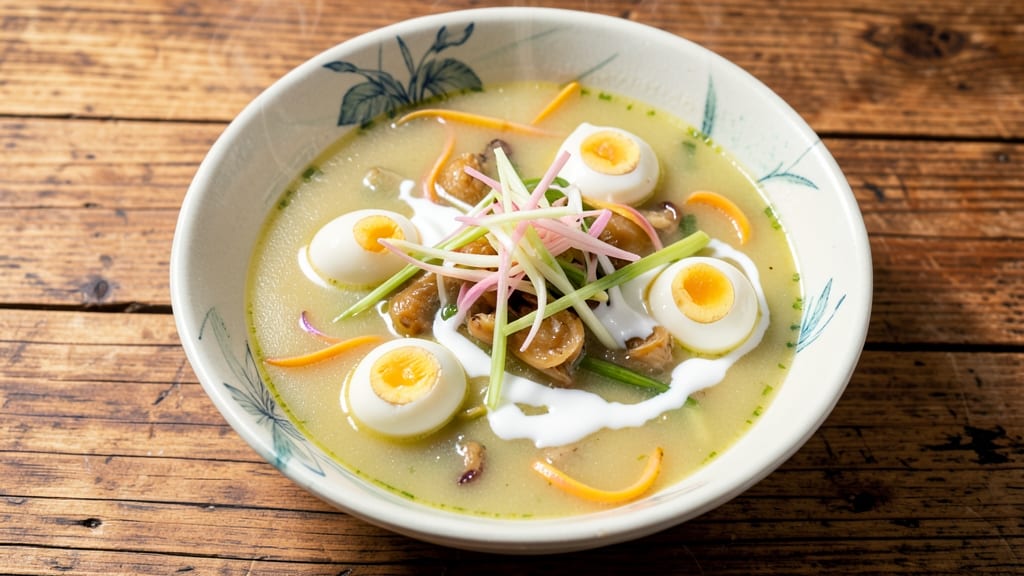
This ant egg soup recipe delivers a delicate balance of silky egg ribbons in a fragrant coconut-lime broth that’s both comforting and sophisticated. Traditionally prepared in Southeast Asia, this dish transforms humble ingredients into a luxurious experience—where each spoonful reveals tender egg strands floating in a velvety, aromatic liquid.
The secret lies in slow-simmered broth and precise egg preparation, ensuring every bite is harmonious. For those unfamiliar with ant eggs, quail eggs or fish eggs work beautifully as alternatives, mimicking the dish’s signature texture.
The broth begins with a fragrant base of ginger, lemongrass, and galangal, infused with coconut milk for richness and lime for brightness. This isn’t just soup; it’s a meditative process where patience rewards you with restaurant-quality results at home.
What makes this recipe stand out is its versatility—serve it as a light lunch, a healing remedy, or a centerpiece for special occasions. The egg ribbons dissolve effortlessly on the tongue, while the broth’s complexity lingers, making it a dish that feels both nostalgic and refined.
Whether you’re recreating a family tradition or exploring new flavors, this soup promises depth and elegance. The key to success is balancing heat and timing—simmering the broth just enough to extract flavors without overpowering the delicate eggs.
With careful preparation, you’ll achieve a dish that’s as visually stunning as it is delicious, proving that simplicity can be extraordinary.
Ingredients for ant egg soup
Transform humble ingredients into a fragrant, velvety soup where delicate egg ribbons dissolve effortlessly.
| Ingredient | Amount | Notes |
|---|---|---|
| Ant Eggs (or Quail Eggs) 🥚 | ½ lb | Freshly laid preferred, substitute quail eggs |
| Coconut Milk 🥥 | 1 ½ cups | Full-fat for creaminess, canned preferred |
| Lime Juice 🍋 | ½ cup | Freshly squeezed for brightness |
| Fresh Lemongrass 🌿 | 1 whole | Bruised stems for infusion, organic preferred |
| Galangal 🍃 | 1 piece | Substitute ginger if unavailable |
| Fresh Ginger 🧄 | 1 tbsp | Minced, aromatic variety preferred |
| Garlic Cloves 🧄 | 4 cloves | Peeled, for aromatic base |
| Shallots 🧅 | 2 whole | Minced, for subtle sweetness |
| Vegetable Stock 💧 | 4 cups | Homemade preferred, low-sodium |
| Fish Sauce 🍶 | 1 tbsp | Red Boat preferred for authenticity |
| Sugar 🍚 | 1 tbsp | White or brown, adjust to taste |
| Salt 🧂 | 1 tsp | Diamond Crystal preferred |
| Fresh Cilantro 🌿 | ¼ cup | Chopped, for garnish |
| Thai Chili 🌶️ | 2 whole | Sliced, for heat (optional) |
| Lime Zest 🍋 | 1 tsp | Freshly grated for aroma |
The heart of this dish lies in the broth's aromatic base. Lemongrass and galangal are essential—find them at Asian markets or well-stocked grocery stores like Whole Foods. For galangal, look for knobby, pale roots with a citrusy aroma; if unavailable, ginger works but lacks that signature complexity. The coconut milk should be full-fat for that luxurious texture, and Red Boat fish sauce delivers the umami depth traditional versions crave. Fresh ingredients make all the difference here—don't compromise on the aromatics.
Ant eggs are hard to find outside specialty markets, so quail eggs are the perfect substitute. They're smaller but deliver that signature silky texture. For the broth, homemade vegetable stock elevates the dish, but low-sodium store-bought works in a pinch. Want to reduce heat? Skip the Thai chili or use milder bird's eye peppers. The lime juice and zest should be freshly prepared—bottled versions lack the brightness. If you can't find galangal, double the ginger and add a splash of lime zest to compensate. Every element here balances the others, so taste as you go.
This soup shines when made fresh but reheats beautifully. Store the broth separately from the eggs to maintain texture—reheat the broth first, then gently warm the eggs. Keeps for 3 days in the fridge, or freeze the broth component for up to 3 months. For presentation, serve with a sprinkle of fresh cilantro and Thai chili slices on the side. The egg ribbons should be delicate and translucent—overcooking turns them rubbery. Patience in simmering the broth is key; rush it, and you'll miss the dish's elegant harmony.
Why You'll Love This Recipe
- No Chopping Nightmare: I swear by this recipe—just a few stalks of lemongrass and a knob of galangal to pound (or slice thin if you’re lazy). The rest? Toss in whole ant eggs (or quail eggs) and let the broth work its magic. My hands stay clean, and my soup still tastes like it simmered for hours.
- Taste Like a Secret: That first sip of coconut milk and lime—bright, creamy, with a whisper of galangal’s ginger bite—is chef’s kiss. The ant eggs (or quail eggs) add a delicate pop, like tiny, tender surprises in every spoonful. It’s the kind of flavor that makes you pause mid-sip and think, "Wait, is this fancy?"
- Lunch for Days: Make a big batch on Sunday, and you’ve got effortless lunches all week. The soup reheats beautifully, and the galangal-infused broth actually deepens in flavor overnight. Honestly? My leftovers are usually gone before the fresh pot.
- Budget Luxury: Quail eggs are cheaper than chicken eggs, and galangal lasts forever if you freeze it. Coconut milk’s rich but not expensive, and lemongrass grows wild in some places. It’s fancy enough for guests but won’t break the bank when you’re feeding a crowd—or just yourself, no judgment.
Step-by-step instructions for silky egg ribbons in fragrant coconut-lime broth
This delicate soup transforms humble ant eggs into luxurious ribbons through precise technique and aromatic balance.
Prepare the Aromatic Base
In a medium saucepan, combine the 4 cups vegetable stock, 1 piece galangal (peeled and sliced), 1 whole fresh lemongrass (bruised and cut into 2-inch pieces), 2 whole shallots (minced), 4 cloves garlic (peeled), and 1 tbsp minced fresh ginger. Bring to a gentle simmer over medium heat.
Simmer uncovered for 15 minutes to allow the galangal, lemongrass, and shallots to infuse their flavors into the broth. You'll notice the liquid develop a subtle golden hue and aromatic steam that fills your kitchen. The galangal should release its citrusy, peppery notes while the lemongrass imparts its floral complexity.
Build the Coconut-Lime Foundation
Reduce heat to low and carefully stir in the 1.5 cups coconut milk, 1 tbsp fish sauce, and 1 tbsp sugar. The coconut milk will create a delicate sheen on the surface as it warms. Simmer gently for 5 minutes, stirring occasionally, until the mixture reaches 180°F and begins to thicken slightly.
This is where the soup's signature balance emerges - the coconut's richness tempered by the fish sauce's umami and the sugar's subtle sweetness. Add the 0.5 cup lime juice and 1 tsp lime zest, stirring constantly for 1 minute. The lime's acidity will brighten the flavors and prevent the coconut from becoming overly heavy.
Incorporate the Egg Ribbons
Using a fine-mesh strainer, carefully strain the broth mixture through a sieve, pressing gently on the solids to extract maximum flavor. Discard the solids. Return the strained broth to the saucepan and maintain it at a gentle simmer (160-170°F).
In a separate bowl, whisk together the 0.5 lb ant eggs (or quail eggs) with 1 tsp salt until fully emulsified. Using a small ladle, slowly drizzle the egg mixture into the simmering broth while whisking constantly with a wire whisk. The eggs should form delicate, silky ribbons that float throughout the broth. Cook for exactly 2 minutes - any longer and the eggs will curdle.
Finish and Serve
Remove the soup from heat and stir in the 2 sliced Thai chili (if using) and 0.25 cup chopped fresh cilantro. The chili will add subtle heat while the cilantro provides fresh contrast. Taste and adjust seasoning with additional fish sauce or lime juice if needed.
Ladle the soup immediately into bowls, ensuring each serving gets an even distribution of egg ribbons. The presentation should show delicate strands suspended in the golden coconut broth. Serve with additional lime wedges and cilantro sprigs for garnish, allowing each diner to adjust the heat and freshness to their preference.
Pro Tips For Making Ant Egg Soup
- Bloom the Galangal: Pound it first with a pinch of salt—this releases the oils and makes the flavor sing. I used to just slice it thin and wondered why my soup tasted flat; now it’s the thing that matters most.
- Simmer, Don’t Boil: Keep the heat low once the coconut milk comes in, or it’ll curdle like a science experiment gone wrong. Watch the heat, and you’ll get a creamy, velvety base instead of a split pot of soup.
- Toast Lemongrass Stems: Char the bottom inch of the stalks in a dry pan for 30 seconds before adding them—it deepens the aroma and cuts through the coconut’s richness. Sounds weird, but it works: the soup tastes more complex.
- Crack Eggs Cold: Chill the ant or quail eggs for 10 minutes before cracking them into the hot broth. This keeps the whites from turning rubbery and ensures they poach perfectly tender. I skip this when I’m lazy, but the dish is noticeably better when I don’t.
Common mistakes when making great ant egg soup
Overcooking Egg Ribbons
The most common mistake is letting the egg ribbons cook too long—just 2 minutes of gentle simmering is all they need. Any longer, and they’ll turn rubbery or curdle into clumps. I’ve seen beginners leave the eggs in for 5 minutes, thinking more time equals better texture.
The key is constant whisking while drizzling the egg mixture into the broth. If you notice the broth looking cloudy or the eggs forming lumps, you’ve gone too far. 🔥
Skipping the Strain
Many home cooks forget to strain the broth after simmering the aromatics, leaving behind fibrous galangal and lemongrass pieces. These can make the soup taste bitter or gritty. Always use a fine-mesh strainer and press gently on the solids to extract every drop of flavor.
I once rushed this step and ended up with a soup that tasted like it needed more seasoning—turns out, the missing depth came from under-extracted aromatics.
Using Bottled Lime Juice
Fresh lime juice is non-negotiable for this soup. Bottled versions lack the brightness and acidity needed to balance the coconut’s richness. The intro mentions freshly squeezed lime, and for good reason—it’s the secret to that signature tang.
If you’re in a pinch, use key lime juice (it’s closer in acidity), but avoid generic bottled lime juice. Trust me, your taste buds will notice the difference. 🍋
Ignoring Broth Temperature
Simmering the broth too vigorously can scramble the eggs before they even form ribbons. The ideal temperature is 160–170°F—gentle enough to cook the eggs slowly but not so low that they take forever.
Use a thermometer to monitor this, especially if you’re new to delicate egg dishes. I’ve seen people boil the broth, which turns the eggs into scrambled bits. Patience here is key.
Substituting the Wrong Eggs
Quail eggs are the best substitute for ant eggs, but chicken eggs won’t work—they’re too large and dense. The recipe calls for 0.5 lb of quail eggs (about 12–15 eggs), which dissolve into silky strands.
If you’re using chicken eggs, reduce the quantity to 2–3 eggs and whisk them into ribbons separately. Overdoing it will make the soup heavy and unbalanced. The intro even mentions this, so pay attention!
Rushing the Aromatic Infusion
Simmering the galangal, lemongrass, and shallots for only 10 minutes (instead of 15) means the broth won’t develop its full depth of flavor. This is where the soup’s complexity comes from—let those aromatics work their magic.
Skipping this step leaves the broth tasting flat, no matter how much fish sauce or lime you add later. Take the extra 5 minutes; your taste buds will thank you. ✨
Nutrition facts
Frequently asked questions
Where can I find ant eggs for this recipe?
Ant eggs are specialty ingredients typically found in Asian markets or through online suppliers specializing in exotic foods. If unavailable, quail eggs are the best substitute—they create similar delicate ribbons. For a different texture, you could also try fish eggs (roe), but the flavor profile will vary significantly.
Can I make this soup vegetarian?
While traditional ant egg soup contains fish sauce, you can adapt it! Replace the fish sauce with 1 tbsp soy sauce plus 1 tsp vegan fish sauce alternative or 1 tbsp mushroom powder for umami depth. For a fully plant-based version, use vegetable broth and tofu or mushrooms instead of eggs.
How do I store leftovers?
Store the broth and egg ribbons separately in airtight containers. The broth keeps for 3 days in the fridge, while the eggs should be eaten within 1 day to maintain their delicate texture. To reheat, warm the broth first, then gently stir in the eggs over low heat for just 30 seconds. Never microwave—it destroys the silky texture!
What makes the egg ribbons silky?
The secret lies in three key factors: gentle heat (160-170°F), constant whisking, and precise timing (2 minutes max). The eggs must be whisked into ribbons while the broth simmers gently—any faster, and they'll scramble. Using cold eggs straight from the fridge also helps maintain their delicate structure.
Can I make this soup spicier?
For extra heat, add 1 tsp chili flakes to the broth while simmering or serve with extra sliced Thai chilies on the side. For a smoky kick, stir in ½ tsp smoked paprika when finishing.