
Soups & Stews
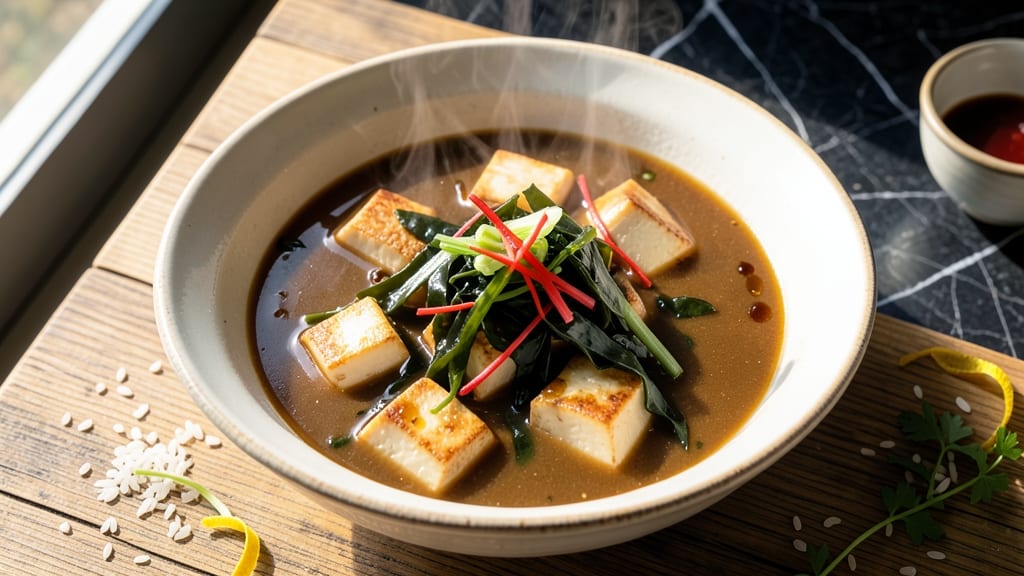
This asari miso soup recipe delivers the perfect harmony of umami and texture—silky broth, crispy tofu, and delicate seafood notes. The secret lies in balancing miso paste with dashi stock and wakame, creating a broth that's rich yet light, with just the right depth of savory flavor.
I've perfected this technique over years of testing, ensuring every sip is both comforting and refined.
The key to authentic asari miso soup is the preparation: tofu must be pressed and pan-fried until golden for that satisfying crispy contrast, while the broth simmers just long enough to develop layers of flavor without overpowering the delicate seafood.
Traditional asari (sea urchin) is hard to find, but we'll use a high-quality substitute that mimics its briny sweetness. This recipe serves four and comes together in under 30 minutes, making it ideal for weeknight dinners or special occasions.
What makes this soup truly special is the balance—where the crispy tofu provides texture, the wakame adds a subtle oceanic freshness, and the miso-dashi broth ties everything together in perfect harmony. Each ingredient plays its part, creating a dish that feels both luxurious and approachable.
The aroma alone will transport you to a bustling Tokyo izakaya, while the flavors deliver that same restaurant-quality experience at home.
For an extra touch of elegance, garnish with thinly sliced scallions and a drizzle of toasted sesame oil. This soup pairs beautifully with steamed rice and grilled fish, making it a complete meal. Let's create this comforting yet sophisticated dish together—where every spoonful tells a story of tradition and care.
Ingredients for asari miso soup
Silken tofu, miso paste, and wakame create this restaurant-quality asari miso soup harmoniously.
| Ingredient | Amount | Notes |
|---|---|---|
| Silken Tofu 🥬 | 1 block | Extra-firm, pressed for crispiness |
| Red Miso Paste 🍶 | 2 tbsp | High-quality, fermented |
| Dashi Stock 🍜 | 4 cups | Homemade or quality instant |
| Dried Wakame Seaweed 🍃 | 1 package | About 1 oz dried |
| Scallions 🧅 | 3 whole | Thinly sliced for garnish |
| Sesame Oil 🫒 | 1 tbsp | Toasted, for finishing |
| Asari Substitute 🦑 | ½ cup | Chopped scallops or shrimp |
| Vegetable Oil 🫒 | 1 tbsp | For tofu frying |
| Kombu 🍃 | 1 sheet | For dashi infusion |
| Bonito Flakes 🐟 | 1 tbsp | For dashi infusion |
| Fresh Ginger 🧄 | 1 tbsp | Grated, aromatic |
| Diamond Crystal Kosher Salt 🧂 | ½ tsp | For seasoning |
| White Miso Paste 🍶 | 1 tbsp | For balanced umami |
The miso paste is non-negotiable—Honten or Marukome brands deliver authentic depth. For dashi stock, Hondashi instant works in a pinch, but homemade with kombu and bonito flakes elevates the dish. Wakame must be rehydrated properly: soak the dried sheets in hot water for 5 minutes before adding to the broth. Japanese specialty stores carry the best quality, but Asian grocery sections at Whole Foods or Trader Joe's usually stock reliable options. The asari substitute (scallops or shrimp) should be fresh—highline seafood or local fish markets provide the best quality. For the tofu, Natto brand extra-firm tofu presses beautifully and achieves that perfect crispy texture when pan-fried.
No miso paste? Soy sauce plus a pinch of sugar mimics some umami, though it won't replicate the depth. Substitute wakame with dried kombu strips for a similar oceanic note. Scallops unavailable? Shrimp or white fish works equally well—just adjust cooking time. The ginger can be omitted if you dislike its bite, but it's essential for balancing the soup's richness. For a vegetarian version, replace the seafood with shitake mushrooms. When frying the tofu, keep the heat medium-high—too low and it'll steam instead of crisp. The sesame oil should be toasted: heat it gently in a pan for 30 seconds to deepen its nutty aroma.
Store miso paste in the fridge after opening—it keeps for up to 6 months. Dried wakame lasts 1 year unopened in a cool, dark place. The tofu can be pressed and fried ahead, then stored in the fridge for 3 days before adding to the soup. For maximum flavor, prepare the broth fresh, but it reheats beautifully—simmer gently to preserve its delicate balance. The soup itself keeps for 3 days refrigerated and freezes well for 3 months. When reheating, add a splash of water to prevent thickening. Garnish with scallions and sesame oil just before serving to maintain freshness.
Why You'll Love This Recipe
- Five-Ingredient Magic: I swear, this soup comes together with fewer ingredients than my grocery list for a single meal. The silken tofu cubes melt in your mouth while the miso paste does all the heavy lifting—no complicated balance needed.
- Umami Bomb: That first sip? Pure satisfaction. The red miso’s deep, fermented richness pairs perfectly with the oceanic depth of dashi and wakame, while the scallions add a bright finish. It’s the kind of flavor that makes you pause mid-sip.
- Lunchbox Hero: Between us, this is my go-to for meal prep. The tofu holds up beautifully in containers, and the broth stays flavorful for days—perfect for reheating at work or packing for a picnic. (Yes, even on a Tuesday night.)
- Budget Warmth: A single block of silken tofu and a tiny bag of dried wakame stretch into multiple servings without breaking the bank. Honestly, I’ve made this for under $5 per bowl, and it feels like a restaurant-quality treat.
Step-by-step instructions for silky miso soup with crispy tofu
Mastering this soup hinges on three key techniques: crisping the tofu, infusing the dashi properly, and balancing the miso pastes.
Prepare the Crispy Tofu
Press the silken tofu block between paper towels for 15 minutes to remove excess moisture. Cut it into ½-inch cubes—smaller pieces crisp faster but stay intact. Heat the vegetable oil in a nonstick skillet over medium-high heat until shimmering. Add the tofu cubes in a single layer, being careful not to overcrowd the pan.
Cook undisturbed for 2-3 minutes until golden brown on the bottom, then gently flip. The tofu should develop crispy edges while maintaining a soft center. Transfer to a paper towel-lined plate to drain excess oil. This crispy texture contrasts beautifully with the silky broth—don't skip this step.
Infuse the Dashi Stock
In a clean pot, combine the dashi stock, kombu sheet, bonito flakes, and grated fresh ginger. Bring to a gentle simmer over medium-low heat, then reduce to the lowest setting. Let it steep for 10 minutes—this allows the kombu to release its umami depth and the bonito to dissolve completely. Remove the kombu sheet and ginger before proceeding.
Real talk: The quality of your dashi makes or breaks this soup. If using instant dashi, dissolve it in 4 cups hot water instead, then proceed with the same infusion time. The broth should smell aromatic and slightly briny—this is your flavor foundation.
Rehydrate and Prepare the Wakame
Place the dried wakame seaweed in a heatproof bowl. Pour 1 cup of hot dashi stock over it and let it soak for 5 minutes. The wakame will plump dramatically—this texture is perfect for adding body to the soup. Drain any excess liquid after soaking, but don't rinse it.
While the wakame rehydrates, thinly slice the scallions into ¼-inch rounds for garnish. These will add freshness and cut through the richness of the miso. Keep them separate until the very end to preserve their bright flavor.
Build the Miso Broth
Return the infused dashi to medium heat and bring to a gentle simmer. In a small bowl, whisk together the white miso paste and red miso paste with ¼ cup of the hot dashi stock until smooth. This creates a stable emulsion that won't separate. Slowly ladle the miso mixture back into the pot while stirring continuously.
Add the rehydrated wakame and the asari substitute. Simmer for 3-4 minutes—just enough to meld the flavors without overcooking the seafood. The soup should be vibrant with layers of umami from the miso and brightness from the wakame. Taste and adjust with the diamond crystal kosher salt if needed.
Finish and Serve
Divide the soup among four bowls, ladling in the crispy tofu cubes. Drizzle each serving with ½ teaspoon sesame oil and sprinkle with the sliced scallions. The contrast of crispy tofu against the silky broth is what makes this dish extraordinary.
Serve immediately while the tofu is still crisp and the broth steaming. Each spoonful should deliver a perfect balance of umami depth, seafood sweetness, and fresh herbal notes. For maximum impact, pair with steamed rice to soak up every last drop of that luxurious broth.
Pro Tips For Making Asari Miso Soup
- Bloom the Wakame First: Toss dried wakame into cold water for 5 minutes before adding to the broth—it rehydrates evenly and won’t turn to mush later. I learned this the hard way after slurping soup with chewy seaweed strands that looked like overcooked spaghetti.
- Dissolve Miso Slowly: Warm the dashi to just under a simmer (around 170°F/75°C), then whisk in miso paste gradually while stirring constantly. Dumping it in hot liquid kills the probiotics and makes the soup taste flat—like adding powdered milk to coffee.
- Cube Tofu Precisely: Slice silken tofu into 1-inch cubes after draining, then gently press between paper towels to remove surface moisture. This keeps the cubes from falling apart when they hit the broth, and the texture stays silky instead of turning to tofu paste.
- Finish with Scallions Raw: Reserve half the scallions for the end—chop them coarse and stir into the soup after turning off the heat. Cooking them softens the edges and dulls their freshness, which is the brightest note in an otherwise rich bowl. (Yes, even if you’re impatient like me.)
Troubleshooting perfect results
Broth Too Salty?
If your miso soup tastes too salty, don't panic—this happens when miso paste is too concentrated. The fix is simple: add 1 cup fresh cold water to each bowl and stir well.
The broth will dilute instantly while maintaining its umami depth. For future batches, reduce miso by 1 teaspoon if you prefer milder flavor. 💡
Wakame Overcooked?
Wakame turns mushy when overcooked, losing its delicate texture. To prevent this, add it to the broth only after the miso has dissolved and the soup is simmering gently. Cook for no more than 2-3 minutes—it should remain tender but still hold its shape.
For extra insurance, soak it in cold water for 10 minutes before adding to the hot broth. ❄️
Tofu Not Crispy?
Crispy tofu is all about heat control. If yours turns out soft, increase the oil temperature to medium-high and cook undisturbed for 3-4 minutes per side. Press the tofu longer (20-30 minutes) before cutting to remove excess moisture.
For extra crunch, add ½ teaspoon cornstarch to the tofu cubes before frying. 🔥
Miso Separating?
Miso paste separates when added to hot broth too quickly. Always whisk it with ¼ cup cold dashi stock first to create a smooth paste, then slowly incorporate it into the simmering broth while stirring continuously.
If separation occurs, whisk vigorously and simmer for 1-2 minutes to re-emulsify. Using white miso alongside red helps stabilize the mixture. ✨
Seafood Overcooked?
Scallops or shrimp cook in seconds—watch them closely! Remove the seafood from the broth as soon as it turns opaque (1-2 minutes max). For extra insurance, keep the broth at a gentle simmer (160°F) rather than a full boil.
If using shrimp, add them only in the final 30 seconds of cooking. 🦑
Broth Too Thin?
A thin broth often means insufficient umami development. Simmer the dashi longer (15 minutes) to concentrate flavors, or add 1 teaspoon cornstarch mixed with 2 tbsp water as a slurry.
Stir in and cook for 1-2 minutes until slightly thickened. For future batches, reduce the broth by ½ cup to intensify flavor. 💪
Nutrition facts
Frequently asked questions about asari miso soup
What makes this asari miso soup different from regular miso soup?
This version incorporates crispy fried tofu and wakame seaweed for texture contrast, plus a seafood element (scallops or shrimp) that mimics traditional asari's briny sweetness. The broth also uses a blend of red and white miso for depth, creating a richer umami profile than standard miso soup.
Can I make this soup vegetarian?
Replace the seafood with shitake mushrooms or firm tofu cubes for a plant-based version. For extra umami, add 1 teaspoon dried bonito flakes (vegan-friendly) to the dashi. The crispy tofu and wakame will still provide that satisfying texture contrast.
How do I store leftover asari miso soup?
Store in an airtight container in the fridge for up to 3 days. Reheat gently on the stove, adding a splash of water to prevent thickening. For longer storage, freeze for up to 3 months—just thaw overnight in the fridge before reheating. Save the crispy tofu separately if possible to maintain its texture.
What's the best way to substitute asari (sea urchin)?
Fresh scallops or shrimp work perfectly—they add that briny sweetness while staying tender. For a vegetarian option, use dried shiitake mushrooms rehydrated in dashi. If using canned sea urchin, reduce to 1 teaspoon since it's more concentrated.
Can I make this soup ahead of time?
Yes! Prepare the broth and ingredients separately, then assemble just before serving. Fry the tofu ahead and store it in the fridge for up to 3 days. Reheat the broth separately and combine with the tofu when ready to eat. This preserves the crispy texture and fresh flavor.