
Soups & Stews
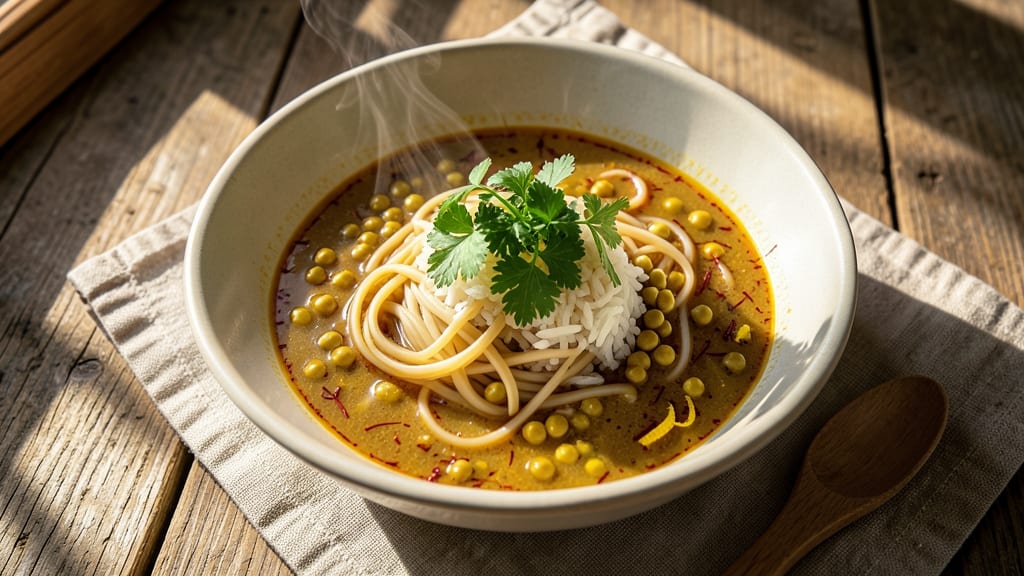
Ash Persian soup recipe transforms a simple pot of broth into a fragrant, herb-infused masterpiece that carries the soul of Persian cuisine. 💛 This traditional dish—known as Ash-e Reshteh—combines tender noodles, crispy rice, and a symphony of herbs like parsley, dill, and fenugreek, all brightened by saffron's golden hue. What makes it special is the balance of textures: silky noodles, chewy rice, and the delicate crunch of fried onions, all swimming in a broth that's both comforting and complex.
The beauty of this recipe lies in its simplicity and depth. You'll start with a rich broth—traditionally made from lamb or beef—that serves as the foundation.
The herbs are added at just the right moment to preserve their freshness, while the noodles and rice are toasted to achieve that perfect texture. Saffron, the star spice, infuses the soup with its signature aroma and color, making every spoonful feel like a celebration.
What you'll end up with is a bowl of soup that's as nourishing as it is elegant—warm, aromatic, and packed with layers of flavor. The combination of tender noodles, crispy rice, and fresh herbs creates a satisfying bite in every spoonful.
This is the kind of dish that feels both comforting and special, perfect for family gatherings or a cozy night in.
Serve it with a sprinkle of fresh herbs and a dollop of yogurt for extra creaminess. The recipe is designed to be adaptable, so you can adjust the ingredients to suit your taste or dietary preferences without losing its authentic essence. Let's bring the flavors of Persia to your kitchen.
Ingredients for ash persian soup
Six cups of fragrant broth, a pinch of saffron, and fresh herbs—this is Persian comfort in a bowl.
| Ingredient | Amount | Notes |
|---|---|---|
| Lamb Broth 🥘 | 6 cups | Homemade or high-quality store-bought |
| Saffron Threads 💛 | ¼ tsp | High-quality, steeped in warm water |
| Flat Noodles (Reshteh) 🍜 | ½ lb | Dried, medium-width preferred |
| White Rice 🍚 | ½ cup | Long-grain, uncooked |
| Yellow Split Peas 🌾 | ½ cup | Dried, soaked overnight |
| Fresh Parsley 🌿 | ½ cup | Chopped, stems removed |
| Fresh Dill 🌿 | ¼ cup | Chopped, stems removed |
| Fresh Fenugreek Leaves 🌱 | ¼ cup | Chopped, optional but traditional |
| Onions 🧅 | 1 whole | Yellow, thinly sliced |
| Garlic Cloves 🧄 | 4 cloves | Minced, fresh preferred |
| Butter 🧈 | 2 tbsp | Unsalted, for frying rice |
| Plain Yogurt 🥛 | ½ cup | For serving, full-fat preferred |
| Salt 🧂 | 1 ½ tsp | Kosher or sea salt |
| Ground Black Pepper 🌶️ | ½ tsp | Freshly ground |
The saffron is non-negotiable here—buy threads, not powder, and soak them in a spoonful of warm water for 10 minutes before adding to the broth. The best quality comes from Iranian markets or specialty spice shops, but the tiny packets at Whole Foods work too. For the noodles, look for reshteh at Middle Eastern or Indian grocery stores—it’s usually sold in small packages. If you can’t find it, egg noodles work in a pinch, though they won’t be as authentic. The rice should be long-grain and uncooked—short-grain or pre-cooked won’t give that perfect chewy texture.
No lamb broth? Beef broth works just as well, and vegetable broth is fine if you’re keeping it vegetarian. Fresh herbs are ideal, but dried parsley or dill at half the amount will do if you’re in a bind. Fenugreek leaves can be tricky to find—skip them if needed, but the soup will still taste amazing. For the onions, yellow or red work best—white onions are too sharp. The butter is key for frying the rice—don’t skip it, even if you’re watching calories. And if you’re out of plain yogurt, Greek yogurt works too, just thin it with a splash of water.
This soup tastes even better the next day—make a big batch and store leftovers for up to 5 days. The noodles and rice keep their texture surprisingly well. For serving, I like to keep the yogurt and extra herbs separate so everyone can customize their bowl. Freezes beautifully for up to 3 months—just reheat gently and add fresh herbs at the end. Pro tip: Save the saffron water and use it in rice dishes or as a garnish for other soups.
Why You'll Love This Recipe
- One-Pot Magic: I swear by this soup because it’s literally dump-and-simmer. No chopping, no fuss—just toss in the split peas, rice, and noodles with the broth, let it bubble, then stir in the saffron. My lazy Sundays just got a whole lot easier.
- Saffron Luxury: That first pinch of saffron threads? It turns ordinary broth into something golden and ridiculously fragrant. Honestly, it’s the kind of flavor that makes you pause mid-sip—like a little Persian hug in a bowl.
- Leftovers That Win: This soup tastes better the next day. Between us, I make a double batch because reheating it is my secret weapon for busy mornings. The noodles soften just right, and the split peas get even creamier.
- Budget-Friendly Feast: Lamb broth and split peas stretch this recipe into a full meal for four (or five, if you’re like me and sneak extra servings). It’s the kind of dish that makes grocery day feel like a victory—without sacrificing taste.
Step-by-step instructions for ash Persian soup
This fragrant Persian soup comes together in layers of flavor—let's build it step by step.
🔥 Step 1: Prepare the Saffron Infusion
First, steep the 0.25 tsp saffron threads in ¼ cup of the 6 cups lamb broth warmed in a small saucepan. Heat just until steaming (2-3 minutes), then remove from heat and let it sit covered for 10 minutes—this unlocks the saffron's vibrant color and floral aroma. The broth should turn a beautiful golden hue.
Here's the thing—cheap saffron won't give you that authentic Persian flavor. I always use high-quality threads because the difference is noticeable. Strain the infused broth through a fine-mesh sieve into a large pot, keeping the liquid for the soup base.
🍳 Step 2: Sauté the Aromatics
In the same pot, melt the 2 tbsp butter over medium heat. Add the 1 whole onion sliced into half-moons and cook for 5-6 minutes until softened and translucent. Add the 4 cloves minced garlic and cook for another 30 seconds until fragrant—you'll smell that sweet garlic aroma filling your kitchen.
Don't rush this step. The onions should be golden around the edges by the time you add the garlic. If they start to brown too quickly, reduce the heat slightly. This is where the soup's foundation flavor develops, so take your time.
🥘 Step 3: Add the Base Ingredients
Pour in the remaining 5½ cups lamb broth (after removing the saffron) and bring to a gentle boil. Add the 0.5 cup soaked yellow split peas, 0.5 cup white rice, and 1.5 tsp salt. Reduce heat to low and simmer uncovered for 20 minutes, stirring occasionally.
You'll notice the peas and rice start to soften and the liquid reduces slightly. This is normal—the soup should have a thick, stew-like consistency by the end. If it looks too thin, let it simmer uncovered for another 5 minutes to thicken naturally.
👨🍳 Step 4: Incorporate the Herbs and Noodles
After 20 minutes, stir in the 0.5 lb flat noodles (reshteh), 0.5 cup chopped parsley, 0.25 cup chopped dill, and 0.25 cup chopped fenugreek leaves. If using fenugreek, taste it first—it has a slightly bitter, earthy flavor that's traditional but can be polarizing. Simmer for another 10-12 minutes until the noodles are tender but still hold their shape.
The noodles should float to the surface as they cook. If they're cooking too quickly, reduce the heat slightly. The herbs will release their bright flavors into the soup, giving it that signature Persian aroma. Stir gently to distribute everything evenly.
⏰ Step 5: Finish and Serve
Remove from heat and let the soup rest for 5 minutes. Taste and adjust seasoning with 0.5 tsp ground black pepper if needed. Ladle into bowls and serve immediately with a dollop of 0.5 cup plain yogurt on top—this balances the rich flavors with a cool, creamy contrast.
Real talk: the first time I made this, I forgot to rest the soup and the noodles turned mushy. Now I always let it sit for those crucial 5 minutes—it makes a huge difference in texture. Serve with warm crusty bread to soak up every last bit of that fragrant broth!
Pro Tips For Making Ash Persian Soup
- Bloom the Saffron Right: I learned this the hard way—don’t just toss saffron threads into boiling broth and call it a day. Crush them lightly between your fingers first, then steep in a splash of warm broth (or even a little water) for 10 minutes before adding to the pot. The color and flavor will be way more vibrant, and you won’t end up with bitter, underused threads clinging to the bottom.
- Toast the Split Peas: Skip the raw peas—they’ll turn mushy and gray. Dry-toast them in a separate pan over medium heat for 3–4 minutes until they smell nutty and develop a faint golden tint. This step caramelizes their starches, so they hold their shape and add depth to the soup instead of dissolving into a sad, starchy sludge.
- Simmer Gently After Adding Reshteh: I used to dump the noodles in and crank the heat back up, only to end up with a gloppy, overcooked mess. Once the reshteh hits the broth, drop the heat to a bare simmer—just enough to keep tiny bubbles breaking the surface. This keeps the noodles tender but distinct, not turning them into a paste.
- Use Day-Old Rice: Freshly cooked rice? No thanks. For Ash-e Reshteh, the rice should be cold and slightly firm—ideally leftover from the day before. This prevents it from turning to mush when it hits the broth. If you’re short on time, rinse freshly cooked rice under cold water, spread it on a tray, and chill it in the fridge for 30 minutes before adding.
Common mistakes when making great ash persian soup
Overcooking the Noodles
One of my biggest early mistakes was letting the noodles cook too long, turning them into a mushy mess. The key is to add them after the peas and rice have already simmered for 20 minutes—this ensures they cook just 10-12 minutes total.
They should be tender but still hold their shape when you lift them with a spoon. If they break apart easily, they've overcooked. 🍜
Skipping the Saffron Soak
I used to just toss the saffron threads directly into the broth, but that weakens their flavor. Always steep them in warm water for 10 minutes before adding to the broth—this extracts their full aroma and color.
Don't skip this step, even if you're using high-quality saffron. The difference in depth of flavor is noticeable.
Ignoring the Rice Texture
The rice in this soup needs to be chewy, not mushy. If you use short-grain rice or pre-cooked rice, it'll turn out gummy. Stick with long-grain white rice and cook it uncovered for the full 20 minutes—this allows moisture to evaporate slightly, giving it that perfect texture.
Don't peek too often while simmering, as opening the lid releases steam and affects cooking time.
Adding Herbs Too Early
Fresh herbs like parsley and dill should be added after the peas and rice have cooked, but before the noodles go in. Adding them too early makes them turn bitter and lose their bright flavor.
I've learned to wait until the very end of the cooking process to preserve their fresh taste. If you're using fenugreek, add it last—its strong flavor can overpower if cooked too long.
Not Resting the Soup
This is a crucial step I used to skip! After removing the soup from heat, let it rest for 5 minutes before serving. This allows the noodles to finish absorbing liquid and the flavors to meld together.
Skipping this step makes the noodles watery and the overall flavor less cohesive. Trust me, those 5 minutes make a huge difference in the final texture. ⏰
Using Low-Quality Saffron
Cheap saffron just doesn't cut it for this soup. I used to buy the tiny packets from regular grocery stores, but the flavor was weak and the color faded. Invest in high-quality saffron threads from Iranian markets or specialty spice shops.
The difference in aroma and depth of flavor is worth every penny—your soup will taste authentically Persian. 💛
Nutrition facts
Frequently asked questions
What makes Ash-e Reshteh different from other Persian soups?
This soup stands out with its unique combination of three key textures: tender noodles, chewy rice, and crispy fried onions. Unlike simpler broths, it's packed with yellow split peas, fresh herbs (parsley, dill, fenugreek), and saffron-infused broth—creating a complex flavor profile that's both hearty and aromatic. The noodles (reshteh) are flat and ribbon-like, giving it a distinct mouthfeel compared to other Persian dishes.
Can I make this soup vegetarian?
Simply replace the lamb broth with vegetable broth and use vegetable oil instead of butter for frying the rice. The dish remains rich and flavorful without meat. For extra protein, add chickpeas or white beans along with the split peas. The saffron and herbs will still shine through beautifully in a plant-based version.
How do I store and reheat leftovers?
Store leftovers in an airtight container in the fridge for up to 5 days or freeze for 3 months. To reheat, warm gently on the stove with a splash of water or broth—never microwave directly as it can make the noodles rubbery. For best results, reheat just until hot, then stir in fresh herbs at the end to restore their brightness.
Why does my soup taste bitter?
Bitterness usually comes from overcooked herbs or saffron. The herbs should be added just before the noodles and cooked for 10-12 minutes max. If using fenugreek, taste it first—it's naturally bitter. For saffron, ensure you're using high-quality threads and soaking them properly. If the broth tastes bitter, reduce it uncovered for 5 minutes to concentrate the flavors.
Can I substitute the flat noodles (reshteh)?
While reshteh is traditional, you can use egg noodles or linguine in a pinch. For best results, choose medium-width noodles and cook them 1-2 minutes less than package instructions since they'll finish cooking in the broth. The texture won't be identical, but the soup will still be delicious. If you can't find reshteh, look for "Persian noodles" in Middle Eastern markets.