
Soups & Stews
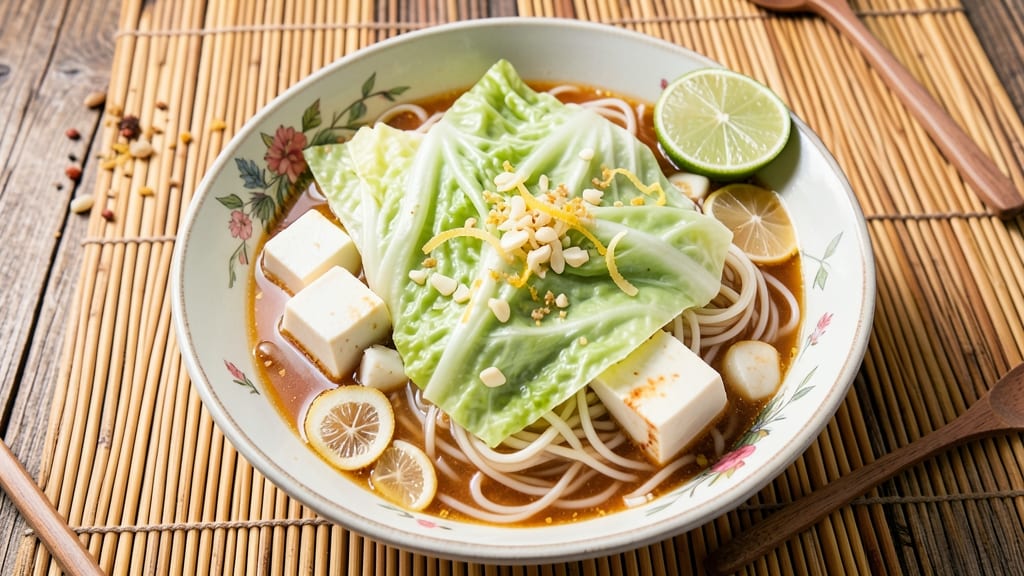
This Asian cabbage soup diet recipe delivers a harmonious blend of bright flavors and satisfying textures—perfect for weight-conscious eaters craving restaurant-quality meals. The secret lies in balancing crunchy rice noodles, tender cabbage, and aromatic ginger-lime broth, creating a dish that’s both nutritious and deeply flavorful. Inspired by Korean and Vietnamese traditions, this soup transforms simple ingredients into a light yet filling meal that keeps you energized without the heaviness.
What sets this recipe apart is its flexible approach—you can customize it with lean proteins like tofu, shrimp, or chicken, or keep it vegetarian for a plant-based powerhouse.
The broth simmers with garlic, ginger, and a touch of miso for umami depth, while lime juice adds a refreshing zing that cuts through the richness.
Every bite offers a satisfying mix of textures: crisp noodles, silky cabbage, and chewy mushrooms, all bathed in a broth that’s light yet packed with flavor.
The result is a restaurant-quality soup that’s as easy to digest as it is delicious, making it ideal for detox diets, meal prep, or a quick lunch.
Whether you’re following a specific dietary plan or simply looking for a lighter take on Asian comfort food, this recipe delivers bold flavors without the guilt. Ready to transform your soup game? Let’s get cooking with this vibrant, nutrient-packed bowl.
Bonus tip: Double the broth for leftovers or use it as a base for stir-fries—versatility is built into every step. The key to success? Fresh ingredients and patience while simmering the flavors together. This isn’t just a diet-friendly soup; it’s a flavor adventure that proves healthy eating can be exciting.
Ingredients for asian cabbage soup diet
Lightweight ingredients that pack bold flavors—perfect for a nutrient-dense, restaurant-quality Asian cabbage soup.
| Ingredient | Amount | Notes |
|---|---|---|
| Asian Cabbage (Napa Cabbage) 🥬 | 8 oz | Thinly sliced, core removed |
| Rice Noodles (Vermicelli) 🍜 | 8 oz | Uncooked, thin variety |
| Fresh Ginger Root 🌿 | 2 tbsp | Grated, peeled, organic preferred |
| Garlic Cloves 🧄 | 4 cloves | Minced, peeled |
| Lime Juice 🍋 | ¼ cup | Freshly squeezed, seeds removed |
| White Miso Paste 🥫 | 1 tbsp | Unsweetened, high-quality |
| Vegetable Broth 💧 | 4 cups | Low-sodium, homemade preferred |
| Shiitake Mushrooms 🍄 | 4 whole | Stemmed, sliced, organic preferred |
| Green Onions 🧅 | 3 whole | Thinly sliced, white and green parts |
| Fresh Cilantro 🌿 | ¼ cup | Chopped, stems removed |
| Sesame Oil 🫒 | 1 tsp | Toasted, for finishing |
| Red Chili Flakes 🌶️ | ½ tsp | Adjust to taste |
| Tofu (Firm) 🥬 | 8 oz | Press for 20 mins, cubed |
| Fish Sauce 🍶 | 1 tsp | Optional, for umami depth |
| Kosher Salt 🧂 | 1 ½ tsp | Adjust to taste |
The cabbage is the foundation here. Choose vibrant, crisp Napa cabbage—look for tightly wrapped leaves with no yellowing. Whole Foods or local Asian markets carry the freshest varieties, but any grocery store’s produce section will work. If using pre-shredded cabbage, rinse thoroughly to remove excess moisture. The rice noodles should be vermicelli-style, not thick banh pho—they absorb broth beautifully without becoming mushy. For the ginger, opt for organic, plump rhizomes with tight skin; avoid any with soft spots or mold. Freshness is critical here, as the ginger’s zing carries through the entire broth.
No miso paste? Substitute with 1 tbsp of white soy sauce plus 1 tsp of rice vinegar—it won’t be identical, but it’ll bridge the flavor gap. Running low on fish sauce? Soy sauce at double the amount works in a pinch, though it’ll lack the depth. The tofu can be swapped for shrimp or chicken if you’re not keeping it vegetarian, but press it well to avoid a watery broth. For the mushrooms, shiitakes are ideal, but cremini or oyster mushrooms will do in a bind. The lime juice is non-negotiable—Mexican limes from the grocery store’s produce section are brighter than Persian limes, but either works. If you’re sensitive to heat, skip the chili flakes entirely; the ginger and lime provide plenty of brightness.
This broth reheats beautifully—simmer gently to maintain its clarity. Store leftovers in airtight glass containers for up to 4 days in the fridge, or freeze for 3 months in portion-sized containers. The noodles and cabbage are best added fresh when reheating, as they lose their crispness when cooked ahead. For meal prep, assemble the soup without the noodles, store the broth separately, and cook the noodles fresh each time. The tofu and mushrooms can be pre-cooked and stored separately for up to 3 days, making assembly a breeze.
Why You'll Love This Recipe
- Here’s what sold me: this keeps perfectly for days in the fridge. Toss cold noodles, cabbage, and broth into containers, and you’ve got a protein-packed lunch that’s cheaper than takeout and way healthier.
- No-Chop Nightmare: That Napa cabbage? I just slice it in half and boil it whole—no fancy knife work, no tears. The noodles soak while I stir-fry garlic and ginger in the same pot, so you’re looking at five minutes of active work max.
- Ginger-Lime Zing: Between us, the lime juice and fresh ginger turn this into something ridiculously bright. It’s not just soup—it’s that perfect balance of sharp, creamy, and slightly funky that makes you reach for seconds (even when you’re “not hungry”).
- Lunchbox Hero: Here’s what sold me: this keeps perfectly for days in the fridge. Toss cold noodles, cabbage, and broth into containers, and you’ve got a protein-packed lunch that’s cheaper than takeout and way healthier.
Step-by-step instructions for lightweight lime-ginger Asian cabbage soup
This vibrant soup delivers clean, satisfying flavors while keeping calories in check - perfect for a detox-friendly meal.
Prepare the Protein and Aromatics
Begin by pressing the 8 oz firm tofu for 20 minutes to remove excess moisture. Cut it into 1-inch cubes and set aside. In a small bowl, combine the 2 tbsp grated fresh ginger root and 4 cloves minced garlic cloves. This aromatic base forms the flavor foundation of the soup.
While the tofu presses, slice the 4 whole shiitake mushrooms stemmed and cut into thin strips. Thinly slice the 3 whole green onions, separating the white and green parts. The mushrooms will add umami depth while the onions provide fresh contrast when served.
Build the Flavor Base
Heat a large pot over medium heat and add 1 tbsp white miso paste, stirring constantly for 30 seconds until fragrant. This creates the umami backbone of the soup. Immediately add the ginger-garlic mixture and cook for 1 minute until the raw aroma disappears.
Pour in the 4 cups vegetable broth and bring to a gentle simmer. Add the sliced shiitake mushrooms and simmer for 5 minutes until they soften slightly but maintain their texture. Stir in the 1.5 tsp kosher salt and 1 tsp fish sauce (if using), adjusting to taste for proper seasoning balance.
Cook the Noodles and Vegetables
Add the 8 oz thin rice noodles to the simmering broth and cook for 4-5 minutes, stirring gently until they soften but remain slightly al dente. The noodles should absorb just enough liquid to become tender while maintaining their chewy texture.
Gently fold in the 8 oz thinly sliced Asian cabbage (napa cabbage) and cook for an additional 3-4 minutes until just wilted but still vibrant. The cabbage should retain its crisp texture rather than becoming mushy. Remove from heat and let sit for 2 minutes to allow flavors to meld.
Finish with Bright Flavors
Stir in the 0.25 cup freshly squeezed lime juice and 0.5 tsp red chili flakes, adjusting the heat to your preference. The lime juice brightens the soup while the chili flakes add subtle warmth. Add the pressed tofu cubes and simmer gently for 1 minute to heat through.
Divide the soup among bowls and drizzle each serving with 1 tsp toasted sesame oil. Garnish with chopped fresh cilantro and sliced green onions. The sesame oil adds nutty depth while the cilantro provides fresh herbal notes that cut through the richness of the tofu and mushrooms.
Pro Tips For Making Asian Cabbage Soup Diet
- PREP CABBAGE LAST: I used to chop the napa cabbage first and let it sit—big mistake. The outer leaves soften too fast and turn into mush while you’re prepping everything else. Save the core for stir-fries or salads and reserve the tender inner leaves for the soup. Only cut what you’ll use in the last 5 minutes of cooking.
- GINGER-GARLIC TOAST: Skip the quick minced ginger and garlic straight into the pot. Instead, heat your wok or pan until it’s smoking hot, then toss in the sliced ginger and whole garlic cloves (peeled, but left intact). Let them sizzle for 30 seconds until fragrant—this builds flavor without burning. Crush the garlic later when adding broth.
- NOODLES TOUCH DRY: Soaking rice noodles? Drain them just before adding to the soup, then toss them in a dry bowl to remove excess water. Wet noodles dilute the broth and turn your soup into a sad, watery mess. A quick shake with your hands works—no fancy tools needed.
- LIME IN STAGES: Don’t dump all the lime juice at once. After cooking, let the soup sit for 2 minutes off the heat—this lets the flavors settle. Then add half the lime juice, taste, and adjust. The acid needs time to mingle with the ginger and garlic, not overpower them. Save a splash for garnish.
Flavor customization for these flavors
Spicy Heat Boost
For a fiery kick, add 1 tbsp of gochujang (Korean chili paste) to the miso paste when building the flavor base. This adds deep, fermented heat that pairs perfectly with the lime’s brightness.
If you prefer a smoother heat, blend ½ tsp of sriracha with the lime juice before adding it to the soup. For extra spice lovers, toss in 1-2 sliced Thai chilies with the mushrooms—they’ll infuse the broth with a subtle, lingering burn. 🌶️
Creamy Coconut Twist
Swap out the vegetable broth for 2 cups coconut milk (full-fat for richness) mixed with 2 cups water to create a velvety base. Simmer the coconut milk with the ginger and garlic until fragrant, then proceed with the recipe.
Top each bowl with toasted coconut flakes and a sprinkle of lime zest for a tropical-inspired fusion. This version feels indulgent yet remains light, thanks to the cabbage’s crispness cutting through the creaminess.
Umami Mushroom Upgrade
Boost the earthy depth by adding 4 oz of wood ear mushrooms (soaked and sliced) or 2 oz of dried shiitake mushrooms (rehydrated) to the broth. These mushrooms dissolve into the liquid, creating a rich, savory essence that enhances the miso and fish sauce.
For a smoky touch, lightly char the shiitake slices before adding them to the pot—this adds a subtle campfire flavor that elevates the entire dish. 🍄
Herbal Infusion
Brighten the soup with 1 tbsp of fresh Thai basil or 1 tsp of lemongrass paste (simmered with the ginger). Thai basil adds a licorice-like sweetness that complements the lime, while lemongrass infuses the broth with a citrusy aroma.
Garnish with extra herbs and a drizzle of chili oil for a restaurant-quality finish. This variation is especially refreshing in warmer months.
Protein Swaps
Keep it vegetarian with extra-firm tofu pressed and pan-seared until crispy, or add 4 oz of shrimp (poached in the broth for the last 2 minutes). For a heartier option, stir in 4 oz of ground turkey or chicken cooked separately and added at the end.
Each protein choice balances the soup’s lightness while keeping it satisfying—perfect for a balanced, diet-friendly meal. 🍗
Sweet-Tangy Balance
Balance the soup’s acidity with a touch of sweetness by adding 1 tsp of honey or 1 tbsp of rice vinegar to the broth. For a more complex flavor, stir in 1 tsp of tamari (gluten-free soy sauce) with the fish sauce.
This combo enhances the umami while adding a subtle sweetness that rounds out the dish. Finish with a sprinkle of sesame seeds for crunch and texture contrast. 🍯
Nutrition facts
Frequently asked questions
Can I make this Asian cabbage soup without rice noodles?
Swap the rice noodles for 1 cup of thinly sliced zucchini or 1 cup of shredded carrots for extra fiber and nutrients. If you prefer a heartier texture, add 1 cup of cooked quinoa or ½ cup of brown rice—just adjust the broth quantity to maintain the right consistency. The soup will still be light and flavorful!
How do I prevent the cabbage from turning mushy?
Cook the cabbage for only 3-4 minutes after adding it to the broth—it should be tender but still hold its shape. For extra crunch, add the cabbage in the last 2 minutes of cooking. Also, avoid overcrowding the pot; cook in batches if needed to maintain even heat distribution.
Is this soup suitable for a low-carb diet?
Yes! Skip the rice noodles and boost the broth with extra mushrooms, tofu, or shrimp for protein. Add 1 cup of cauliflower rice instead of noodles for a low-carb base. The cabbage and ginger already provide fiber and flavor, making this a great low-carb option while keeping it satisfying.
Can I use regular green cabbage instead of Napa cabbage?
Green cabbage works, but it has a stronger flavor and coarser texture. For the best results, thinly slice it and cook it for 1-2 minutes less than Napa cabbage to avoid mushiness. If you prefer a milder taste, reduce the fish sauce slightly and add a pinch of sugar to balance the bitterness.
How can I make this soup spicier without overpowering it?
Start with ½ tsp of red chili flakes and adjust to taste. For a smoother heat, blend ½ tsp of sriracha with 1 tsp of lime juice and stir it into the broth. If you love bold flavors, add 1-2 sliced Thai chilies with the mushrooms—they’ll infuse the broth without dominating the dish.