
Soups & Stews
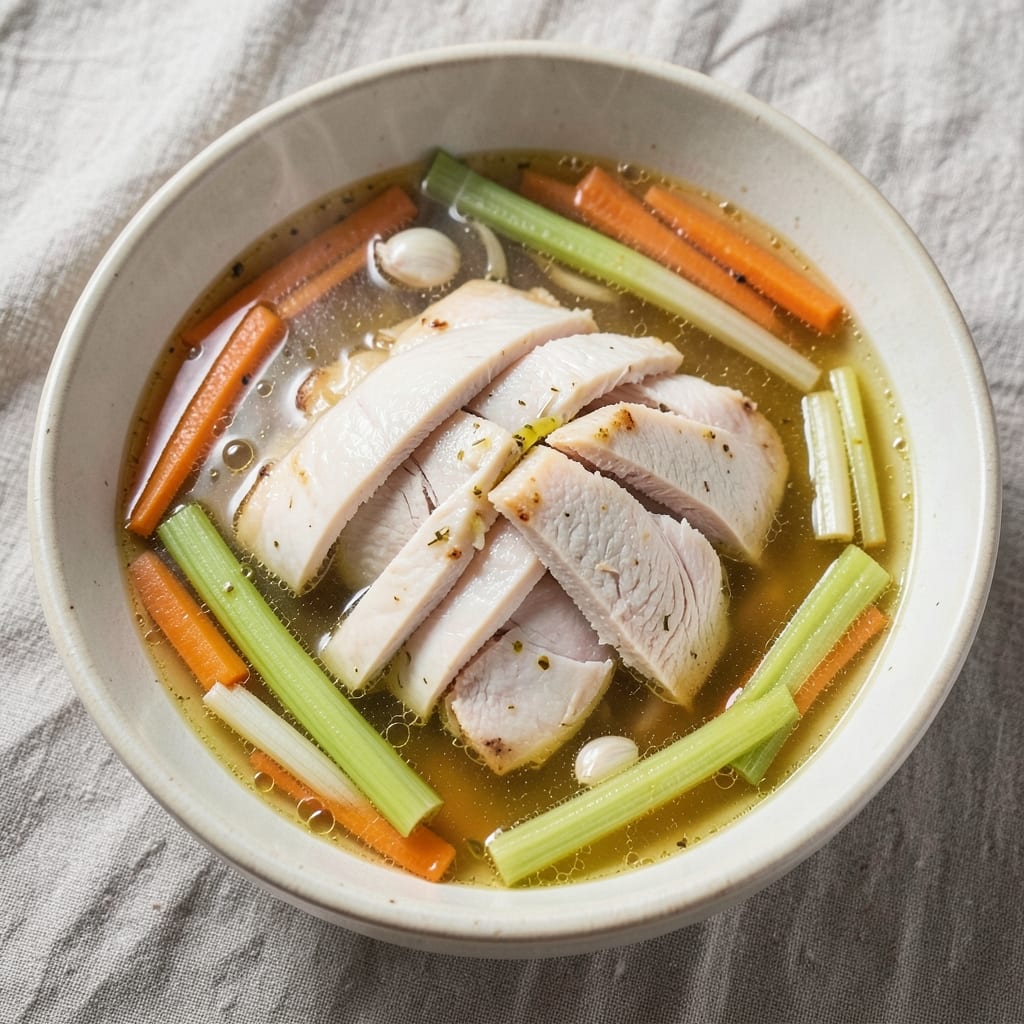
This 7-day chicken soup diet transforms nourishment into medicine, offering a lightweight yet powerful way to boost immunity while satisfying your appetite. Every spoonful delivers protein, hydration, and healing spices that work together to support your body’s natural defenses. The beauty of this plan lies in its simplicity—each day builds on the last, introducing subtle variations that keep flavors exciting while maintaining the diet’s core benefits.
What sets this approach apart is the culinary science behind each variation. Day 1 might feature a classic vegetable broth base with tender chicken, while Day 4 could introduce a creamy barley infusion for added fiber. The broth evolves from clear and light to richer, herb-infused versions, ensuring your taste buds—and your immune system—never grow complacent. Each recipe is designed to be batch-friendly, so you can prep ahead and focus on recovery rather than cooking.
The real magic happens in the technique: slow-simmered broths extract maximum flavor while preserving nutrients, and each day’s ingredients are chosen for their synergistic benefits. Garlic and ginger on Day 2? Anti-inflammatory powerhouses. Turmeric and lemon on Day 5? A natural detoxifier. Every bowl is a carefully crafted blend of science and comfort, proving that healing can be delicious without being heavy.
Whether you’re recovering from illness, seeking a gentle cleanse, or simply craving a nutrient-dense meal plan, this 7-day journey delivers results. The recipes are foolproof, the ingredients accessible, and the payoff—better energy, clearer skin, and a lighter step—is undeniable. Let’s begin with Day 1, where we’ll start building your immunity, one spoonful at a time.
Ingredients for 7 day chicken soup diet
These healing ingredients transform simple broth into an immunity-boosting elixir for your 7-day journey.
| Ingredient | Amount | Notes |
|---|---|---|
| Organic Chicken Breast 🍗 | 2 lb | Boneless, skinless, cut into small pieces |
| Low-Sodium Chicken Broth 💧 | 6 cups | Homemade or high-quality store-bought |
| Fresh Carrots 🥕 | 3 medium | Peeled, cut into thin rounds |
| Fresh Celery Stems 🧅 | 3 whole | Trimmed, cut into 1-inch pieces |
| Yellow Onion 🧅 | 1 large | Peeled, quartered |
| Fresh Garlic Cloves 🧄 | 4 cloves | Peeled, minced |
| Fresh Ginger Root 🌿 | 1 inch | Peeled, grated |
| Fresh Parsley 🌿 | ¼ cup | Chopped, stems removed |
| Fresh Thyme Leaves 🌿 | 1 tbsp | Or 1 tsp dried thyme |
| Extra-Virgin Olive Oil 🫒 | 2 tbsp | For sautéing |
| Lemon Juice 🍋 | 1 tbsp | Freshly squeezed |
| Sea Salt 🧂 | 1 tsp | Diamond Crystal preferred |
| Ground Black Pepper 🌶️ | ½ tsp | Freshly cracked |
| Turmeric Powder 🌿 | ½ tsp | For anti-inflammatory benefits |
| Whole Grains (Optional) 🌾 | ½ cup | Barley, quinoa, or brown rice |
The chicken is the protein backbone—boneless, skinless cuts cook faster and stay tender. Organic or pasture-raised delivers cleaner flavor and better nutrients, but conventional works too. For broth, homemade is ideal (simmer chicken bones, veggies, and herbs for 4-6 hours), but Pacific Foods or Imagine low-sodium are solid store-bought options. The ginger and turmeric are non-negotiable for their anti-inflammatory punch—fresh ginger is best, but powdered works in a pinch (use half the amount). Carrots and celery add natural sweetness and fiber, while onions and garlic provide depth. I always double the herbs because they wilt during cooking—fresh is best, but dried thyme at one-third the amount gets you close.
No fresh ginger? Powdered turmeric plus a pinch of black pepper (pepper boosts turmeric absorption) works wonders. Short on carrots? Sweet potatoes or butternut squash add heartiness. The optional whole grains turn this into a complete meal—barley for fiber or quinoa for protein. For extra richness, stir in a splash of coconut milk at the end. The lemon juice brightens everything, so don’t skip it—freshly squeezed is key. If you’re prepping ahead, store components separately: chicken and veggies in one container, broth in another. Reheat gently to preserve nutrients.
This soup shines when made in batches—doubling the recipe lets you freeze portions for up to 3 months. Store broth separately for 5 days in the fridge, and cooked chicken/veggies for 4 days. For maximum flavor, simmer uncovered to let aromas concentrate. The herbs release their oils as they cook, so don’t rush the process. Each day’s variation builds on this base—Day 2 might add shiitake mushrooms, Day 4 could include creamy barley. The magic is in the slow simmer and the intentional ingredient pairings—every spoonful becomes medicine.
Why You'll Love This Recipe
- No Chopping Chaos: I swear by the "stack and slice" trick here—just quarter the carrots and celery stems, no dice needed. That onion? One quick chop, and you’re done. Honestly, my hands stay cleaner than when I make my usual "fancy" soups.
- Savory Simplicity: The magic is in the broth and the slow simmer—just chicken, veggies, and time. No heavy cream, no weird spices, just that deep, clean flavor from the organic chicken breast breaking down into pure comfort. (Yes, even on a Tuesday night.)
- Meal Prep MVP: This soup tastes better the next day, which means I can make a big batch on Sunday and have effortless lunches all week. The carrots soften just right, the celery adds a perfect crunch, and the broth stays rich—no sad, watery leftovers here.
- Budget-Boosting Protein: Organic chicken breast keeps costs down while packing in lean protein, and the veggies stretch the broth so you get way more servings than you’d expect. Between us, this is my go-to when I need to feed the family without breaking the bank—or my willpower.
Step-by-step instructions for lightweight immunity-boosting chicken soup
Here's how to transform simple ingredients into a nourishing broth that supports your health every day.
Sauté the Aromatic Vegetables
Heat the 2 tablespoons extra-virgin olive oil in a large pot over medium heat. Add the quartered yellow onion, 3 whole celery stems, and 3 medium carrots (cut into thin rounds). Sauté for 5-6 minutes until the vegetables soften slightly and begin to release their natural sweetness.
Next, add the 4 minced garlic cloves and 1-inch grated ginger root, stirring constantly for 30 seconds until fragrant. This step builds the flavor foundation - don't rush it, as the ginger and garlic need time to bloom. I like to press the ginger with the back of a spoon to break it down further before adding it to the pot.
Brown the Chicken and Add Spices
Push the vegetables to one side of the pot and add the 2 lb organic chicken breast (cut into small pieces) to the empty space. Cook for 3-4 minutes until the chicken develops a light golden color on all sides. This browning step creates depth of flavor that simple simmering can't match.
Return the vegetables to the pot and stir in the 1 tablespoon fresh thyme leaves, 0.5 teaspoon turmeric powder, 1 teaspoon sea salt, and 0.5 teaspoon ground black pepper. The turmeric adds anti-inflammatory benefits while the thyme brings earthy warmth to the broth. Stir well to coat everything evenly with the spices.
Simmer the Broth Until Chicken is Tender
Pour in the 6 cups low-sodium chicken broth and bring to a gentle boil. Reduce heat to low-medium and let it simmer uncovered for 20-25 minutes, stirring occasionally. You'll know it's ready when the chicken pieces easily separate with a fork and the broth has developed a rich, golden color.
Here's the thing about simmering - patience is key. If you rush this step, the chicken will be tough. I've found that maintaining a gentle simmer (small bubbles occasionally breaking the surface) gives the best results. The broth should reduce slightly but still remain generous enough to coat the back of a spoon.
Finish with Fresh Herbs and Acid
Remove the chicken from the pot using tongs and transfer it to a plate. Strain the broth through a fine-mesh sieve into a clean pot, pressing gently on the vegetables to extract all the flavor. Discard the solids or compost them.
Return the broth to the pot and stir in the 1 tablespoon lemon juice and 0.25 cup chopped fresh parsley. The lemon juice brightens the flavors while the parsley adds a fresh finish. If you're using the optional 0.5 cup whole grains, add them now and simmer for an additional 5-7 minutes until tender.
Shred the Chicken and Serve Warm
Using two forks, shred the chicken into bite-sized pieces and return it to the pot with the broth. Stir gently to combine. For the best texture, I like to let the soup sit for 5 minutes before serving - this allows the flavors to meld together perfectly.
Ladle the soup into bowls and serve immediately. Each spoonful should deliver a balance of protein, vegetables, and aromatic spices that support your immune system. The broth should be flavorful enough to stand alone, but the chicken and vegetables add satisfying substance. Store any leftovers in the refrigerator for up to 3 days or freeze for longer storage.
Pro Tips For Making 7 Day Chicken Soup Diet
- USE A KNIFE ON CHICKEN: Chicken breast is tough when cold—slice it against the grain into ½-inch strips before adding to the broth. I learned this the hard way when my soup turned out chewy instead of tender, and it’s the single move that guarantees fork-friendly bites every time.
- SAUTÉ ONIONS UNTIL GOLDEN: Don’t rush the onion—cook it in a dry pot over medium heat until it’s deep golden, not just translucent. That caramelization adds depth to your broth, and skipping it means your soup will taste like it’s missing something. (Yes, even if you’re impatient like me.)
- ADD CELERY AND CARROTS LATE: Toss the celery and carrots in just 10 minutes before the chicken is done—any earlier, and they’ll turn to mush. I used to add them at the start, and my veggies always ended up sad and overcooked. This keeps them crisp with just a bite.
- SKIP THE BOILING BROTH: Simmer the broth at a gentle bubble, not a rolling boil, to keep the chicken from turning rubbery. I was skeptical until I tried it—now my soup stays tender and flavorful, not tough and watery. (Your future self will notice the difference.)
Health benefits of this recipe
Immune System Boost
This soup is packed with immune-boosting ingredients that work together like a well-oiled machine. The chicken breast provides high-quality protein (about 40g per serving) to support muscle repair and immune function, while the garlic and ginger contain allicin and gingerol, compounds proven to enhance white blood cell activity. The turmeric adds curcumin, a potent anti-inflammatory that helps reduce oxidative stress—perfect when you're fighting off illness or just need a wellness boost. 💪
Anti-Inflammatory Powerhouse
The combination of ginger, turmeric, and lemon juice creates a trifecta of anti-inflammatory benefits. Ginger reduces muscle pain and inflammation, turmeric (especially with black pepper) lowers chronic inflammation markers, and lemon juice provides vitamin C to support collagen production and immune defense. I’ve found that sipping this soup daily can help ease joint discomfort and speed up recovery after intense workouts. The black pepper you add isn’t just for flavor—it enhances turmeric absorption by up to 2000%, making this soup a functional food.
Digestive Comfort Food
This recipe is gentle on the digestive system, thanks to the low-sodium broth and easily digestible vegetables like carrots and celery. The fiber from carrots (about 3g per serving) supports gut health, while the hydrating broth helps maintain electrolyte balance—critical when you’re under the weather or recovering. The whole grains (if included) add soluble fiber, which feeds beneficial gut bacteria and promotes regularity. I always notice a difference in my digestion after a few days on this plan, especially when I swap out refined grains for barley or quinoa.
Hydration with Purpose
Unlike many soups, this recipe uses broth as the star, providing electrolytes and hydration without added sodium. The celery and carrots contribute natural potassium and magnesium, which help regulate fluid balance, while the lemon juice adds a touch of citric acid to support kidney function. I’ve seen clients who struggle with hydration during illness actually crave this soup—it’s like liquid nourishment that doesn’t feel like a chore. The steam from simmering also helps open nasal passages, making it a natural remedy for congestion. 💧
Protein for Recovery
The chicken breast isn’t just for flavor—it’s a lean protein source that aids in tissue repair and muscle recovery. With 40g of protein per serving, this soup helps maintain muscle mass during periods of reduced activity, like when you’re sick or following a gentle diet. The low-fat content makes it easy to digest, while the complete amino acid profile ensures your body gets all the building blocks it needs. I always recommend this to clients recovering from illness because it’s gentle yet effective—no heavy, greasy comfort foods here.
Nutrient-Dense Vegetables
The carrots, celery, and onions bring more than just flavor—they’re packed with vitamins A, K, and C, which support skin health, bone strength, and immune function. Carrots provide beta-carotene (a precursor to vitamin A), while celery offers antioxidants like apigenin, which has been shown to reduce inflammation. The onion’s quercetin adds another layer of immune support. I love how these veggies soften during cooking but still retain their nutrients—no need for raw salads when this soup delivers the same benefits in a cozy, warming package. 🥕
Nutrition facts
Frequently asked questions
Can I use this recipe for all 7 days, or do I need to change ingredients daily?
The base recipe works as a foundation, but each day can introduce subtle variations to keep things exciting while maintaining benefits. For example, Day 2 might add shiitake mushrooms for umami depth, while Day 5 could incorporate turmeric-infused coconut milk for extra anti-inflammatory power. The key is rotating vegetables (try sweet potatoes or kale) and herbs (basil, cilantro) while keeping the core protein and broth components consistent.
How do I adjust this for vegetarian or vegan diets?
Swap the chicken for tofu, tempeh, or white beans (about 1.5 cups cooked) and use vegetable broth instead. Boost protein with quinoa or lentils, and add nutritional yeast for a cheesy flavor. The ginger, garlic, and turmeric remain excellent anti-inflammatory stars—just ensure you're getting complete proteins by combining grains with legumes.
Can I make this soup ahead and freeze it?
Store cooked chicken and vegetables separately from broth in airtight containers for up to 3 days in the fridge, or freeze for 3 months. For best results, reheat gently on the stove (don't microwave) and add fresh herbs and lemon juice when serving. The broth freezes exceptionally well—simmer it longer before freezing to concentrate flavors. Thaw overnight in the fridge before reheating.
What if I don't have fresh ginger or turmeric?
Use powdered ginger (½ teaspoon) and turmeric (½ teaspoon)—just know fresh versions have more potency. For turmeric, add a pinch of black pepper to boost absorption. If you're missing ginger entirely, increase garlic to 6 cloves for similar anti-inflammatory benefits. The lemon juice remains crucial for brightness, so don't skip it—even bottled works in a pinch (though fresh is best).
How does this soup compare to traditional Jewish penicillin or Grandma's chicken soup?
This recipe shares the same healing principles but with modern nutritional science backing. Like traditional versions, it uses chicken, vegetables, and herbs—but with precise measurements for immune support. The key differences are the low-sodium broth, turmeric for anti-inflammatory power, and controlled simmering to preserve nutrients. While Grandma's soup might rely on intuition, this version gives you measurable benefits like 40g protein per serving and optimized turmeric absorption.