
Soups & Stews
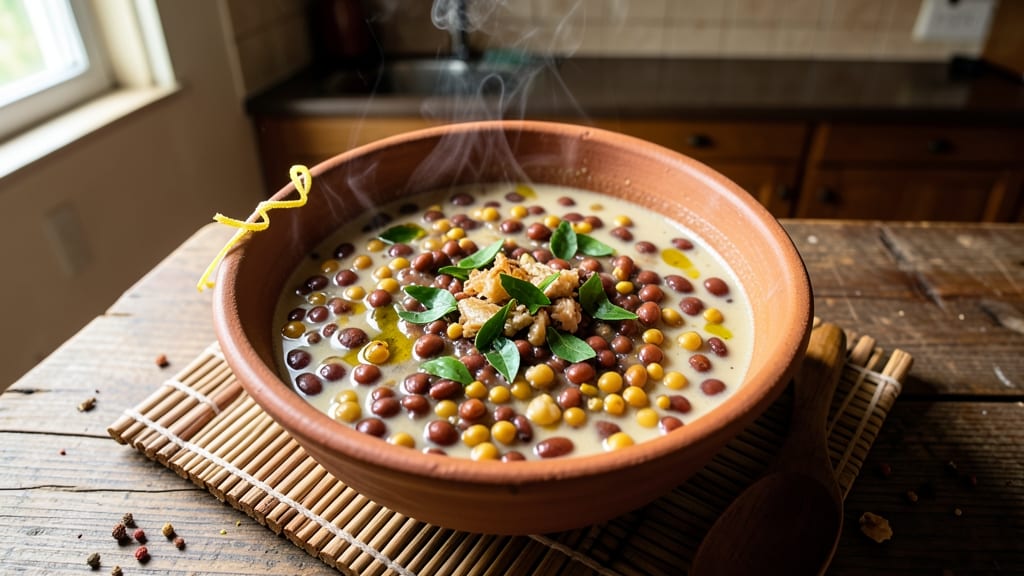
The Attukal soup recipe in Tamil language is a sacred dish that brings communities together during the famous Attukal Pongala festival. This traditional lentil and vegetable soup combines simple ingredients with deep cultural meaning, creating a flavorful dish that's both nourishing and spiritually uplifting. The recipe has been passed down through generations, preserving its authenticity in every steaming bowl.
The heart of this recipe lies in its spiced lentils and vegetables, simmered to perfection with aromatic spices like mustard seeds, curry leaves, and ginger. The dish's simplicity reflects its deep roots in Tamil tradition, where it's prepared collectively by thousands during the festival.
What makes it special is how the flavors meld together—earthy lentils, tender vegetables, and warm spices create a comforting broth that's both hearty and light.
What you'll achieve is a rich, aromatic soup that's deeply satisfying yet easy to digest, perfect for festival gatherings or everyday meals. The dish carries the essence of Tamil hospitality, where food becomes a shared experience.
Each spoonful carries the warmth of tradition, making it more than just a recipe—it's a cultural treasure.
This recipe maintains its authenticity while being accessible to home cooks, ensuring you can recreate the same flavors that have nourished Tamil communities for generations. Let's begin with the ingredients that bring this sacred dish to life.
Ingredients for attukal soup recipe in tamil language
Authentic Tamil ingredients blending tradition with nourishing simplicity for festival or daily meals.
| Ingredient | Amount | Notes |
|---|---|---|
| Red Lentils (Masoor Dal) 🌾 | 1 ½ cups | Rinsed thoroughly before cooking |
| Yellow Lentils (Moong Dal) 🌾 | ½ cup | Split variety preferred |
| Ginger 🧄 | 1 inch | Fresh, peeled and sliced |
| Garlic Cloves 🧄 | 4 cloves | Peeled and lightly crushed |
| Mustard Seeds 🌶️ | 1 tbsp | Lightly toasted before adding |
| Curry Leaves 🌿 | ¼ cup | Fresh, packed loosely |
| Green Chilies 🌶️ | 2 whole | Slit lengthwise for mild heat |
| Onion 🧅 | 1 medium | Finely chopped, not too small |
| Tomatoes 🍅 | 2 medium | Ripe, chopped into small pieces |
| Carrots 🥕 | 1 medium | Peeled and chopped into matchsticks |
| Potatoes 🥔 | 1 medium | Cubed into small bite-sized pieces |
| Coconut Milk 🥥 | 1 cup | Full-fat for creaminess |
| Turmeric Powder 🌿 | 1 tsp | Freshly ground preferred |
| Cumin Seeds 🌶️ | 1 tsp | Toasted for deeper flavor |
| Coriander Powder 🌿 | 1 tsp | Freshly ground for best results |
| Asafoetida (Hing) 🌶️ | ⅛ tsp | Pinch for authentic flavor |
| Salt 🧂 | 1 ½ tsp | Adjust to taste |
| Ghee or Coconut Oil 🫒 | 3 tbsp | For tempering and cooking |
| Fresh Coriander Leaves 🌿 | ¼ cup | Chopped for garnish |
The lentils form the soul of this dish—red lentils break down beautifully for a creamy texture, while yellow lentils add subtle sweetness. For the best quality, source these from local Tamil grocery stores like Madras Spices or Sri Srinivas, where you'll find freshly packed varieties. The curry leaves should be vibrant green with no wilting, and asafoetida (hing) is non-negotiable for that authentic umami depth. If you can't find fresh curry leaves, dried leaves at half the quantity work in a pinch, though fresh is ideal. For the ginger and garlic, organic varieties from farmers markets tend to have more potent flavor.
Vegetable substitutions are flexible—sweet potatoes can replace regular potatoes, and zucchini works well for carrots if you're avoiding starches. The green chilies can be adjusted to taste: remove seeds for mild heat or keep them for a spicier kick. If you're avoiding coconut milk, cashew cream (soaked cashews blended with water) provides a similar richness. The tomatoes should be ripe but firm—overripe ones can make the soup too acidic. For the spices, toast your cumin seeds in a dry pan for 30 seconds before adding to release their aroma, and grind your coriander powder fresh if possible for maximum flavor impact.
This soup tastes even better the next day as the flavors meld together—reheat gently with a splash of water to restore its creamy texture. Store in airtight containers in the fridge for 4-5 days, or freeze portions for up to 3 months. For festival gatherings, double the recipe and prepare in large batches—it reheats beautifully and maintains its rich flavor. The ghee or coconut oil can be stored at room temperature for up to 6 months if kept in a cool, dark place. Fresh curry leaves and coriander leaves should be wrapped in damp paper towels and stored in a sealed container in the fridge for up to 5 days to preserve their vibrant color and flavor.
Why You'll Love This Recipe
- No-Chop Chaos Allowed: The mustard seeds and garlic hit the pan before I even measure the dals—no chopping, no fuss. Just toast, splash with water, and let those red and yellow lentils dissolve into silkiness while I stir. (Yes, even on a Tuesday night.)
- Ginger-Garlic Magic: That first sizzle of mustard seeds? Pure satisfaction. The raw ginger and garlic—minced fast or chopped rough—melt into the broth, leaving behind a warmth that lingers. Honestly, the soup tastes like a hug in a bowl.
- Leftover Goldmine: I make double batches because reheated attukal is better—the flavors deepen overnight. Add a splash of water, a pinch of salt, and it’s like new. My lunchbox’s secret weapon for weeks.
- Pocket-Friendly Powerhouse: Masoor dal and moong dal cost next to nothing, yet they feed a family of four for under $3. The mustard seeds and ginger? A handful each, and suddenly you’ve got a restaurant-quality soup without breaking the bank.
Step-by-step instructions for authentic attukal soup
This traditional Tamil lentil soup delivers rich, aromatic flavors through precise layering of spices and vegetables.
Prepare the Lentil Base
Combine the 1.5 cups red lentils (masoor dal) and 0.5 cup yellow lentils (moong dal) in a large pot. Rinse thoroughly under cold water until the water runs clear, then drain. Add 6 cups water and bring to a boil over medium-high heat. Reduce heat to medium-low and simmer for 15 minutes, stirring occasionally to prevent sticking.
Watch for the lentils to soften slightly but maintain shape—they'll finish cooking later. This initial simmer removes excess starch that could make the soup too thick. Add the 1 tsp turmeric powder and 1.5 tsp salt now to infuse the base with flavor. The soup should have a gentle simmer, not a vigorous boil, to prevent the lentils from breaking apart.
Temper the Spices
In a small dry skillet, heat 3 tbsp ghee or coconut oil over low heat. Add the 1 tsp cumin seeds and toast for 30 seconds until they begin to sizzle and release their aroma. Immediately add the 1 tbsp mustard seeds and toast for another 30 seconds until they pop.
Next, add the 0.25 cup curry leaves and 2 whole green chilies (slit lengthwise). Sauté for 1 minute until the curry leaves turn dark green and fragrant. Pour this spice mixture into the simmering lentils, stirring gently to distribute. The oil should create a marbled effect on the soup's surface—this is your visual cue that the spices are properly infused.
Incorporate Vegetables
Add the 1 medium onion (finely chopped), 1 medium carrot (chopped into matchsticks), 1 medium potato (cubed into small pieces), and 2 medium tomatoes (chopped) to the pot. Stir well to combine with the lentils. Simmer uncovered for 15-20 minutes over medium heat, stirring occasionally, until the vegetables are tender but not mushy.
You'll know the vegetables are ready when a fork slides in easily through the potatoes and carrots. The soup should have a slightly thick consistency at this stage, but not paste-like. If it appears too thick, add ½ cup water and simmer for an additional 5 minutes. The vegetables should retain their shape while contributing to the soup's hearty texture.
Finish with Coconut Milk and Garnish
Reduce heat to low and stir in the 1 cup coconut milk and 1 tsp coriander powder. Add the 0.125 tsp asafoetida (hing) and mix well. Simmer gently for 5 minutes to allow the coconut milk to blend smoothly into the soup. Taste and adjust salt if needed—this is your final opportunity to balance the flavors before serving.
Remove from heat and stir in the 0.25 cup fresh coriander leaves (chopped). The coriander adds a bright, fresh finish that cuts through the richness of the coconut milk. Serve the soup immediately in warm bowls, garnished with additional coriander leaves and a drizzle of coconut milk if desired. The soup should be aromatic, well-balanced between the earthy lentils, sweet vegetables, and creamy coconut milk.
Pro Tips For Making Attukal Soup Recipe In Tamil Language
- Split the Lentils First: Don’t toss the red and yellow lentils together raw—soak the masoor dal separately for 15 minutes first, then drain. This prevents the red lentils from turning mushy while the moong dal stays intact. I learned this the hard way when my soup ended up as a thick paste instead of a proper attukal texture.
- Bloom the Mustard Right: When tempering with mustard seeds, use low heat until they pop—then crank the flame to medium-high. High heat from the start burns them before they release their aroma. My grandmother swore by this, and she was right: the difference between bitter and nutty is just a few seconds of patience.
- Grate, Don’t Chop, Ginger: Skip the knife for ginger—use a box grater or food processor for fine, even shreds. This ensures the attukal gets that signature smooth, spicy kick without chewy bits. (Yes, even if you’re impatient like me, trust the process.)
- Pressure-Cook for Even Cook: If using a pressure cooker, cook the lentils for exactly 3 whistles after pressure builds—no more, no less. Overcooking turns the moong dal to mush; undercooking leaves raw spots. I was skeptical until I tried it: the lentils stay firm and creamy, not gluey.
Best sauces and condiments for this recipe
Coconut Milk Base
The coconut milk in this recipe is essential for that signature creamy texture and subtle sweetness that balances the earthy lentils. I recommend using full-fat coconut milk (like Goya or Aroy-D) for the richest flavor—it adds a luxurious mouthfeel without overpowering the spices.
For a lighter option, blend ½ cup soaked cashews with ½ cup water for a similar richness. Add the coconut milk in the final 5 minutes of cooking to prevent curdling from the simmering heat. 🥥
Tempering Spices
The tempering (tadka) is where the magic happens—mustard seeds, cumin, and curry leaves toasted in ghee create a fragrant oil that infuses every spoonful. I always toast the cumin seeds first until they sizzle, then add mustard seeds—this prevents them from burning.
For extra depth, add a pinch of asafoetida (hing) to the tempering oil before pouring it into the soup. This tiny amount adds a savory umami that’s non-negotiable for authenticity. 🌿
Green Chili Heat
Adjust the green chilies to your spice preference: 2 whole chilies (slit lengthwise) give a mild kick, while 3-4 chilies or removing seeds and using ½ tsp red chili powder adds noticeable heat.
If you love spice, add 1 tsp finely chopped green chilies at the end for a fresh, fiery finish. For a smoky twist, char the chilies in a dry pan for 10 seconds before adding them to the tempering. 🌶️
Fresh Herb Garnish
Finish with fresh coriander leaves—this isn’t just for looks! The bright, citrusy notes of the herbs cut through the richness of the coconut milk and lentils. I like to chop the coriander finely and stir it in at the end so it releases its aroma into the soup.
For a restaurant-worthy touch, garnish each bowl with a drizzle of coconut milk and a sprinkle of toasted cumin seeds right before serving. ✨
Spiced Yogurt Drizzle
For a tangy contrast, blend ½ cup plain yogurt with ½ tsp roasted cumin powder, ¼ tsp black pepper, and 1 tsp lemon juice. Drizzle this over the soup just before eating—it adds a cooling, creamy balance to the warm, spiced broth.
This trick is inspired by Tamil festival preparations, where yogurt is often served alongside soups to balance flavors. 💛
Lemon Juice Finish
A squeeze of fresh lemon juice (about 1 tsp) brightens the soup’s flavors and adds a refreshing acidity. Add it right before serving to preserve its zesty kick. If you’re serving the soup at room temperature (like during festivals), this step is especially important to keep it vibrant.
Pair it with crispy papadums for a traditional Tamil snack-plate experience. 🍋
Nutrition facts
Frequently asked questions
What makes Attukal soup different from regular dal soups?
Attukal soup stands out with its festive spice blend and coconut milk base, creating a creamy yet light texture. Unlike everyday dal soups, it includes asafoetida (hing) for umami depth and tempered mustard seeds that pop for extra aroma. The dish is also traditionally prepared in large batches during the Attukal Pongala festival, making it a communal experience.
Can I make Attukal soup without coconut milk?
Yes! For a lighter version, replace coconut milk with cashew cream (blend soaked cashews with water) or half the amount of yogurt. The soup will still be flavorful but slightly thinner. If avoiding dairy entirely, use vegetable broth instead of water for cooking the lentils. The key is balancing the richness with other ingredients.
How do I adjust the spice level for kids?
Remove the seeds from green chilies and reduce them to 1 whole chili (or omit entirely). Skip the asafoetida (hing) and reduce mustard seeds to ½ teaspoon. For extra mildness, add ½ cup extra coconut milk at the end to mellow the flavors. Always taste before serving!
What's the best way to store leftover Attukal soup?
Store in an airtight container in the fridge for 4-5 days or freeze for 3 months. When reheating, add 2-3 tablespoons of water and simmer gently to restore creaminess. The flavors actually improve overnight as the spices meld together. For festivals, prepare double batches—the soup reheats beautifully!
Can I use frozen vegetables in this recipe?
Yes, but with adjustments: Use fresh carrots and potatoes for better texture, and frozen peas (added in the last 5 minutes) for color. Avoid frozen spinach as it can make the soup watery. For frozen green chilies, thaw and pat dry before using to prevent excess moisture.