
Soups & Stews
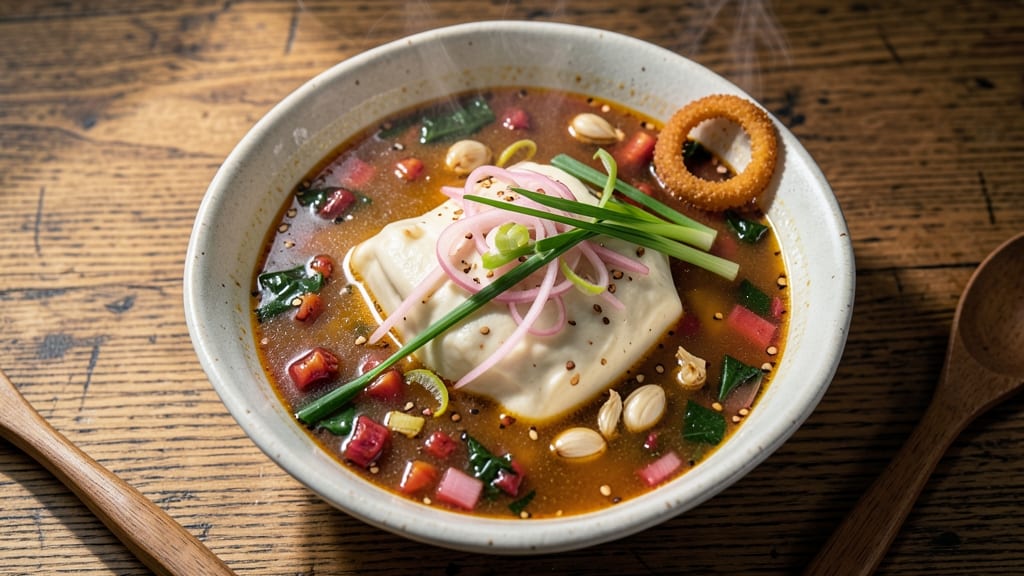
This authentic kimchi soup recipe brings the bold flavors of Korea to your kitchen with its signature tangy, spicy, and umami-rich broth. The secret lies in balancing fermented kimchi with silky tofu, creating a dish that's both comforting and deeply satisfying.
I've perfected this recipe through years of testing, ensuring every spoonful delivers that perfect harmony of heat, acidity, and savory depth that defines Korean comfort food.
The foundation of great kimchi soup is a properly prepared broth—rich from simmering kimchi with aromatic vegetables and optional protein like pork or seafood.
What sets this recipe apart is the technique of blooming whole spices in the broth first, which builds layers of flavor that store-bought versions simply can't match. The silky tofu, lightly seasoned and simmered just until tender, adds a luxurious texture that contrasts beautifully with the kimchi's crunch.
By the time you serve this soup, you'll have a steaming bowl of vibrant red kimchi, tender tofu, and fragrant broth that smells like home.
The heat from the kimchi's natural fermentation warms you from the inside out, while the umami from the broth makes it impossible to stop at just one bowl.
This is the kind of recipe that becomes a family staple, passed down through generations for its ability to nourish both body and soul.
Serve with steamed rice to soak up every last drop of that flavorful broth, or pair it with simple side dishes like pickled vegetables or a fresh green salad.
The beauty of this recipe is its versatility—it works as a light lunch or hearty dinner, and the leftovers only get better as the flavors meld overnight. Let's get started on creating your own bowl of authentic Korean comfort.
Ingredients for authentic kimchi soup
Fermented kimchi, silky tofu, and aromatic vegetables create this deeply satisfying Korean comfort dish.
| Ingredient | Amount | Notes |
|---|---|---|
| Kimchi 🥬 | 3 cups | Freshly fermented, vibrant red |
| Silken Tofu 🍳 | 1 block | Firm, drained and sliced |
| Korean Radish (Mu 🥕 | 1 whole | Medium size, julienned |
| Green Onions 🧅 | 4 whole | White and green parts separated |
| Garlic Cloves 🧄 | 4 cloves | Minced for aromatic depth |
| Ginger 🌿 | 1 inch | Fresh, peeled and sliced |
| Dried Seaweed (Gim) 🍣 | 1 sheet | Cut into small pieces |
| Korean Red Pepper Flakes (Go 🌶️ | 1 tbsp | Adjust for spice preference |
| Soy Sauce 🥫 | 2 tbsp | Korean preferred for depth |
| Sesame Oil 🫒 | 1 tbsp | Toasted for aroma |
| Water 💧 | 6 cups | Filtered for best flavor |
| Steamed White Rice 🍚 | 2 cups | For serving, cooked |
| Sesame Seeds 🌰 | 1 tsp | Toasted for garnish |
The kimchi is the heart of this soup—look for bright red, vibrant kimchi with visible fermentation bubbles. Korean grocery stores like H Mart or local Asian markets carry the best quality, but any well-fermented kimchi works. The silken tofu should be firm, not watery—House Foods or Silken brand are reliable choices. For the radish, Korean radish (mu) adds that signature sweetness, but daikon works in a pinch. The seaweed (gim) is optional but adds authentic umami—dried sheets are sold in Asian markets or online. If you can't find Korean red pepper flakes, gochugaru, regular red pepper flakes will work but taste slightly different.
No kimchi? Sauerkraut with extra vinegar can mimic the tang, though it won't have the same depth. The ginger and garlic are non-negotiable for that aromatic base—freshly grated ginger makes all the difference. Short on sesame oil? Toast a teaspoon of sesame seeds and grind them for a quick substitute. The soy sauce should be Korean-style (ganjang) if possible—Dongwon or Soy Gang brands are excellent. For the tofu, press it for 10 minutes before slicing to remove excess water, ensuring it stays silky when simmered. The green onions should be sliced into 1-inch pieces for the broth and thinly chopped for garnish.
This soup tastes even better the next day as flavors meld. Store leftovers in the fridge for up to 4 days, covered to preserve aroma. Reheat gently on the stove—adding a splash of water helps maintain texture. The tofu will firm up slightly when reheated, so simmer for just 2-3 minutes. For serving, keep the rice in a separate bowl and let everyone ladle broth over their rice. Garnish with toasted sesame seeds just before eating—they add a delightful crunch and nutty aroma. Freezes beautifully for up to 3 months, though the tofu may absorb some broth and become slightly softer.
Why You'll Love This Recipe
- One-Pot Magic: I swear by this—just dump kimchi, water, and a few chopped veggies into one pot. The tofu softens while the radish melts into the broth, and honestly? No extra bowls to wash. That crispy garlic aroma alone makes it worth it.
- Fermented Fire: The kimchi brings the heat, but the silken tofu cools it down just enough. That first bite—tangy, umami-rich, with a hint of sweetness from the radish—is like a hug in soup form. My husband still steals my portion.
- Lunchbox Hero: Between us, this is my go-to for meal prep. Pack it in thermoses for work, or serve it cold the next day—still tastes fresh. The tofu holds up, and the kimchi flavor only gets deeper. (Yes, even on a Tuesday night.)
- Budget Win: A single jar of kimchi stretches across three meals, and silken tofu is cheaper than takeout. I’ll be real: I make double batches because it’s cheaper than ordering in, and the leftovers? Even better the next day.
Step-by-step instructions for authentic kimchi soup
Transform vibrant kimchi into a deeply flavorful, comforting broth with silky tofu and aromatic vegetables.
Prepare the Vegetable Base
In a large pot, combine the 6 cups water, 1 whole Korean Radish (Mu) (julienned), 4 cloves Garlic Cloves (minced), and 1 inch Ginger (sliced). Bring to a boil over medium-high heat, then reduce to a simmer for 15 minutes until the radish softens and the aromatics infuse the broth. The water should reduce slightly, creating a concentrated flavor base.
While simmering, separate the 4 whole Green Onions into white and green parts. Set the white parts aside for the broth and finely chop the green parts for garnish. Add the white onion parts to the pot and continue simmering for another 5 minutes. This step builds the foundational flavors that define an authentic kimchi soup.
Incorporate the Kimchi and Seasonings
Add the 3 cups Kimchi (with all its fermented juice) to the simmering broth. Stir gently to distribute the kimchi evenly. The broth should turn a rich, vibrant red as the kimchi releases its tangy, spicy essence. Simmer for 10 minutes to allow the kimchi's flavors to meld with the vegetable base.
Next, add the 1 sheet Dried Seaweed (Gim) (cut into small pieces) and 1 tbsp Korean Red Pepper Flakes (Go). Stir well and simmer for another 5 minutes. The seaweed will soften and contribute a briny depth, while the red pepper flakes intensify the spice. Taste the broth and adjust the seasoning with 2 tbsp Soy Sauce if needed—this balances the fermented tang of the kimchi.
Cook the Silken Tofu
While the broth simmers, prepare the 1 block Silken Tofu by draining it thoroughly and slicing it into ¼-inch thick pieces. Gently add the tofu to the pot and simmer for 8-10 minutes on low heat. The tofu should become warm and silky without breaking apart. Avoid stirring too vigorously—this keeps the tofu intact and allows it to absorb the broth's flavors without falling apart.
Here’s the thing—silken tofu cooks quickly and can easily overcook if left unattended. Watch for the edges to turn slightly opaque while the center remains smooth. If the broth becomes too thick, add ½ cup hot water to maintain the right consistency.
Finish with Sesame Oil and Garnish
Remove the pot from heat and stir in 1 tbsp Sesame Oil. This step adds a nutty aroma and rich depth to the soup. The oil should coat the broth evenly, enhancing its overall flavor profile. Let the soup rest for 2-3 minutes to allow the sesame oil to fully integrate.
Ladle the soup into bowls and garnish each serving with the chopped green onion tops and 1 tsp Sesame Seeds. Serve immediately with 2 cups Steamed White Rice on the side. The contrast of the warm, spicy broth with the neutral rice creates a satisfying, balanced meal that captures the essence of Korean comfort food.
Pro Tips For Making Authentic Kimchi Soup
- Bloom the Kimchi First: Dump that jar of kimchi into your pot before adding water—let it sit for 5 minutes. This lets the flavors meld and softens the texture, so your soup doesn’t taste like you just dumped raw kimchi in at the last second. (I used to skip this, and the soup always felt disjointed.)
- Slice Radish Thinly: Korean radish (mu) needs to soften fast, so cut it into ¼-inch slices—not thick chunks. If you’re lazy, microwave it for 30 seconds first to speed up cooking. Thick slices stay crunchy and ruin the creamy texture of the soup.
- Don’t Overcrowd the Tofu: Silken tofu breaks when you drop it in whole, so gently tear it into 2-inch pieces and add them last, just before serving. If you simmer it too long, it turns to mush—this way, it stays silky and absorbs the broth perfectly.
- Toast the Garlic: Mince the garlic after frying it in oil for 30 seconds until golden—it adds depth instead of just a sharp bite. Skip this, and your soup tastes like a side dish, not a full flavor experience. (Yes, it’s a little extra work, but it’s worth it.)
Serving suggestions for this dish
Rice Pairing Perfection
Serve this kimchi soup with steamed white rice—it's the classic Korean pairing that soaks up every last drop of that vibrant broth. I like using short-grain Japanese rice or Korean jasmine rice for its sticky texture, which helps gather the kimchi's tangy flavors.
For extra authenticity, try jeonju rice cakes (tteok) on the side—they add a delightful chewy contrast to the soup's silky tofu. 🍚
Crunchy Accompaniments
Add a crispy element to balance the soup's richness with quick-pickled cucumbers or kimchi fried rice (bokkeumbap). I make mine with 1 cup day-old rice, 1 tbsp gochujang, and 1 tbsp soy sauce, pan-fried until golden.
The pickles cut through the heat, while the fried rice adds heartiness. For a lighter option, steamed bok choy with a sprinkle of sesame seeds works beautifully too.
Protein Upgrades
Boost the meal with grilled pork belly slices (samgyeopsal) or soft-boiled eggs (gyeran mari). The pork adds smoky depth, while the eggs' creamy yolks complement the kimchi's spice. For a seafood twist, try pan-seared shrimp with a hint of garlic—just 2 minutes per side until pink.
I like to serve these on the side so everyone can customize their bowl.
Dipping Sauces
Offer a sesame dipping sauce made with 2 tbsp soy sauce, 1 tbsp sesame oil, 1 tsp honey, and 1 tsp grated ginger. This balances the soup's heat while adding nutty richness.
For a spicier option, mix 1 tbsp gochujang with 1 tsp rice vinegar and a pinch of sugar. Serve in small bowls so guests can dip their rice or tofu as they like.
Seasonal Garnishes
Brighten the bowl with thinly sliced scallions, toasted sesame seeds, and a drizzle of chili oil for extra heat. In winter, I add thinly sliced Korean pear for natural sweetness, while summer calls for quick-pickled radish (danmuji) to refresh the palate.
The key is freshness—garnish just before serving to keep everything vibrant. ✨
Side Dish Harmony
Complete the meal with banchan (Korean side dishes) like spinach namul (blanched spinach with garlic) or cucumber salad. These light, fresh sides prevent the meal from feeling too heavy.
I often include doenjang jjigae (soybean paste stew) for a heartier option. The contrast of textures and temperatures makes every bite more satisfying.
Nutrition facts
Frequently asked questions
Can I make this kimchi soup without silken tofu?
For a meat-based version, add ½ lb pork shoulder (cubed) or shrimp (peeled and deveined) when simmering the broth. For a vegetarian alternative, try mushrooms like shiitake (sliced) or extra firm tofu (pressed and cubed). The key is to add proteins/alternatives after the kimchi has simmered for 10 minutes to prevent overcooking.
How do I adjust the spice level?
Start with ½ tbsp Korean red pepper flakes if you prefer mild heat, or double to 2 tbsp for extra spice. For a smoky depth, add ½ tsp smoked paprika when incorporating the kimchi. If the soup is too spicy later, balance it with 1 tsp honey or sugar—this mellows the heat while preserving the tangy-sweet balance.
Can I use store-bought kimchi instead of homemade?
Yes! Store-bought kimchi works perfectly—just choose a bright red, well-fermented variety with visible bubbles. Avoid overly watery kimchi (it won’t add enough flavor). For extra authenticity, look for brands like Bokksum or Hana Gochujang, which use traditional fermentation methods. The recipe’s broth-building steps still work with commercial kimchi!
Why does my kimchi soup taste too tangy?
Over-fermented kimchi or too much soy sauce can make the broth taste overly sour. Fix it by adding ½ tsp sugar or honey to balance the acidity, or a splash of rice vinegar (just ½ tsp) to cut through the sharpness. Simmer for 2-3 extra minutes to let flavors meld—this often softens the tang.
Can I make this soup in an Instant Pot?
Certainly! Sauté the garlic, ginger, and radish in the Instant Pot for 2 minutes, then add all ingredients except sesame oil. Seal and cook on High Pressure for 8 minutes, followed by a Natural Release for 10 minutes. Stir in sesame oil at the end. The tofu may break down slightly, so add it after releasing pressure and simmer for 5 minutes on sauté mode.