
Soups & Stews
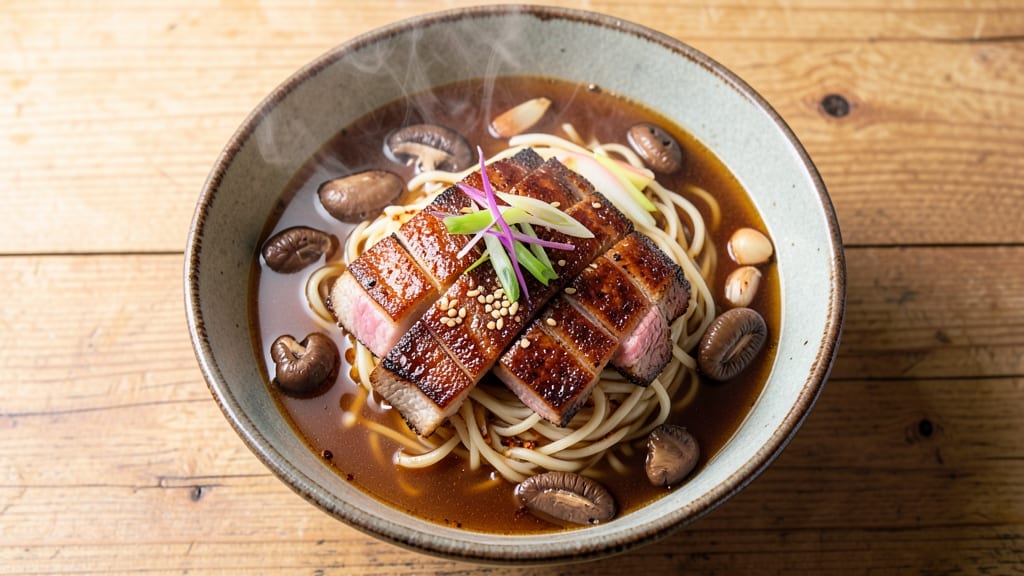
This authentic ramen noodle soup recipe delivers the rich, umami-packed experience you crave—starting with a broth-braised pork chashu that transforms tough cuts into melt-in-your-mouth slices.
The secret lies in slow-cooking pork belly with aromatic spices until it’s tender enough to shred, creating a deep, savory broth that forms the soul of every bowl. Unlike shortcut versions, this method respects tradition while offering modern flexibility for home cooks.
We’ll build a tonkotsu-style broth (creamy and collagen-rich) or a shoyu base (bold and soy-forward), depending on your preference, then elevate it with fresh toppings like marinated eggs, quick-pickled vegetables, and toasted seaweed.
The key to authenticity? Layering flavors—starting with a well-seasoned broth, balancing richness with acidity, and finishing with textures that contrast perfectly. No instant ramen here; just restaurant-quality depth in every spoonful.
The process begins with preparing the chashu, where pork belly is rubbed with five-spice and slow-cooked until fork-tender. Meanwhile, the broth simmers for hours, developing layers of flavor that turn simple ingredients into something extraordinary.
By the time you assemble your bowl—steaming noodles, silky chashu, and vibrant toppings—you’ll understand why ramen isn’t just soup; it’s a culinary ritual.
Ready in under 2 hours (with minimal active time), this recipe proves you don’t need a professional kitchen to recreate the comfort and complexity of a Tokyo ramen shop.
Whether you’re serving a crowd or treating yourself, the result is a bowl that’s worth every minute of effort. Let’s get started.
Ingredients for authentic ramen noodle soup
Pork belly, shiitake mushrooms, and aromatic spices form the heart of this restaurant-quality ramen.
| Ingredient | Amount | Notes |
|---|---|---|
| Pork Belly 🥓 | 1 ½ lb | Thick-cut, skin-on preferred |
| Dried Shiitake Mushrooms 🍄 | ¼ lb | Rehydrated for broth depth |
| Garlic Cloves 🧄 | 8 cloves | Peeled, smashed for infusion |
| Fresh Ginger Root 🌿 | ½ inch | Peeled, sliced into coins |
| Five-Spice Powder 🌶️ | 2 tsp | Authentic Chinese blend |
| Soy Sauce 🍶 | ½ cup | Kosher-style preferred |
| Miso Paste 🧈 | 2 tbsp | Red or white miso |
| Ramen Noodles 🍜 | 2 packages | 160g per package, fresh or dried |
| Green Onions 🧅 | 4 whole | For garnish, sliced |
| Sesame Seeds 🌰 | 1 tbsp | Toasted for aroma |
| Nori Sheets 🍣 | 4 sheets | Toasted for crunch |
| Chicken Stock 🥣 | 6 cups | Homemade preferred |
| Sesame Oil 🫒 | 1 tbsp | For finishing |
| Rice Vinegar 🍶 | 1 tbsp | For acid balance |
| Salt 🧂 | 1 ½ tsp | Kosher or sea salt |
The pork belly is non-negotiable—thick-cut with skin delivers the best texture and flavor. Look for organic pork belly at Whole Foods or your local butcher if you want premium quality, but standard supermarket cuts work fine for weeknight ramen. Fresh shiitake mushrooms are ideal, but dried shiitake from Asian markets add incredible depth when rehydrated. The ginger should be fresh and vibrant—no wrinkly roots here. For five-spice, Penzeys or local Asian markets carry authentic blends that outshine the generic grocery store versions. Soy sauce matters too—Kikkoman kosher-style has the right balance of saltiness and umami.
No fresh shiitake? Dried shiitake from Trader Joe's works perfectly—just soak them in hot water for 30 minutes. Short on pork belly? Pork shoulder at half the weight gives a slightly different texture but still delivers flavor. The miso paste can be red or white—Miso Master red miso adds richness, while white gives a cleaner taste. For the broth, homemade chicken stock is ideal, but low-sodium store-bought in a pinch. The rice vinegar might seem minor, but it cuts through the richness—Koyo brand is my go-to, but any good-quality vinegar works. No sesame seeds? Toasted peanuts or cashews add crunch in a pinch.
Pork belly keeps 3-4 days in the fridge wrapped tightly—store it on the bottom shelf to prevent leaks. Fresh ginger lasts 2 weeks in the fridge, but once peeled, use it within 5 days. The miso paste and five-spice powder stay potent for up to a year in a cool, dark place. Ramen noodles? Fresh noodles are best used within a week, while dried last 6 months in their package. Freeze the chashu in portions for up to 3 months—it reheats beautifully and makes quick ramen assembly later.
Why You'll Love This Recipe
- One-Pot Magic: I swear by this—just toss everything into a single pot and let it simmer. No chopping mountains of veggies, no juggling multiple pans. That pork belly renders down to crispy perfection while the shiitakes soak up the broth like sponges, and the five-spice powder works its magic without a single extra dish to wash.
- Umami Bomb: Between us, the dried shiitakes and pork belly create a flavor depth that’s ridiculously satisfying. The garlic and ginger hit just right—not overpowering, but making every slurp feel like a little reward. Honestly, I’ve made this for people who “don’t like ramen,” and they’ve come back for seconds.
- Meal Prep MVP: This broth keeps like a champ, so I make a big batch on Sundays and freeze it in portions. Reheat with fresh noodles and a soft-boiled egg, and boom—weeknight dinner solved. (Yes, even on a Tuesday night when you’re exhausted.) The five-spice powder even adds a cozy aroma that makes the whole kitchen smell like a Tokyo izakaya.
- Budget-Friendly Luxury: Pork belly might sound fancy, but a few slices stretch across multiple bowls, and dried shiitakes cost pennies compared to fresh. I’ll be real: this is the kind of dish where you feel like you’re treating yourself, but your wallet doesn’t get hit hard. Plus, the leftovers taste just as good the next day—sometimes even better.
Step-by-step instructions for authentic ramen noodle soup
Let's craft a bowl that balances rich umami, tender pork, and aromatic broth—just like Tokyo's legendary ramen shops.
Prepare the Pork Belly for Braising
Score the skin of the 1.5 lb pork belly in a diamond pattern, cutting down to but not through the fat layer. This creates crispy pockets while keeping the meat tender. Rub the meat with 1.5 tsp salt and 2 tsp five-spice powder, pressing the mixture into every crevice. Wrap tightly in plastic wrap and refrigerate for 24 hours—this dry-brining step ensures maximum flavor penetration and crisp skin.
After brining, remove the pork from the fridge and let it sit at room temperature for 30 minutes. Preheat your oven to 325°F and line a baking sheet with parchment paper. Place the pork belly skin-side up on the sheet and roast for 1 hour, basting with its own rendered fat every 20 minutes. The skin should be golden brown and crispy, while the internal temperature reaches 160°F. Let it rest for 15 minutes before slicing into ¼-inch thick pieces against the grain.
Build the Umami-Packed Broth
In a large pot, combine 6 cups chicken stock, 0.5 cup soy sauce, and 2 tbsp miso paste, stirring until the miso dissolves completely. Add the 0.25 lb dried shiitake mushrooms (rehydrated in hot water for 20 minutes), 8 smashed garlic cloves, and 0.5 inch sliced ginger root. Bring to a simmer over medium heat, then reduce to a gentle bubble and cook uncovered for 30 minutes to allow flavors to meld.
Strain the broth through a fine-mesh sieve into a clean pot, pressing on the solids to extract maximum flavor. Return the broth to the stove and add the sliced pork belly. Simmer gently for 15 minutes to infuse the meat with the aromatic broth. The pork should be fork-tender but not falling apart—this is your chashu, the star of the bowl.
Assemble the Ramen Bowls
Toast the 1 tbsp sesame seeds in a dry skillet over low heat for 2 minutes until fragrant, then set aside. Toast the 4 sheets nori in the same skillet for 10 seconds per side until crisp. Slice the 4 green onions into ½-inch pieces and separate the whites from the greens.
Divide the 2 packages ramen noodles among four bowls. Ladle 1½ cups hot broth over each serving, then top with 3-4 slices pork belly, 1 tbsp toasted sesame seeds, 1 sheet toasted nori, and 1 tbsp green onion whites. Drizzle with 1 tbsp sesame oil and 1 tbsp rice vinegar for brightness. Garnish with green onion greens and serve immediately while steaming.
Perfect the Finishing Touches
Taste the broth and adjust seasoning—add a splash of soy sauce if it needs more umami or rice vinegar for acidity. The ideal bowl should balance rich, salty-sweet pork with a silky broth that coats the noodles perfectly. Each bite should deliver layers of flavor: crispy pork, chewy noodles, and a broth that sings with shiitake depth and five-spice warmth.
For authenticity, serve with a side of pickled ginger or steamed bok choy to cut through the richness. The key to restaurant-quality ramen lies in the details: crispy pork, aromatic broth, and precise garnishes that elevate every spoonful. This isn't just soup—it's a full sensory experience.
Pro Tips For Making Authentic Ramen Noodle Soup
- CRISP THE PORK BELLY: Don’t skip the quick sear—cut the pork belly into 1-inch cubes first, then brown them in a screaming-hot pot with 1 tablespoon of oil until the edges turn golden and crispy. I used to rush this, and the broth never got that deep, meaty richness. High heat. Seriously, crank it up.
- SOAK SHIITAKES SEPARATELY: Toss the dried shiitakes in hot water for 20 minutes before you start the broth—this jumpstarts their flavor and prevents them from stealing all the heat from your pork. Then, strain and slice them thin, reserving the soaking liquid for the broth. Yes, even if you’re impatient like me.
- LOW-AND-SLOW GINGER: Peel and slice the ginger into paper-thin matchsticks (no need to julienne—just a sharp knife and quick cuts work). Add it to the broth after the pork belly has simmered for 15 minutes, then reduce to a whisper of a simmer. Ginger burns faster than you’d think, and nothing kills a broth quicker than bitter, charred edges.
- SAVE THE GARLIC OIL: After browning the pork, remove the pot from heat, add 4 minced garlic cloves, and let them sit for 30 seconds—they’ll soften and release aroma without browning. Pour the pork back in, then add the broth. This keeps the garlic flavor intact instead of turning it into a bitter paste. (Your future self will thank you.)
Regional styles of authentic ramen noodle soup
Tokyo Tonkotsu Style
This is the creamy, pork-bone-rich style that made ramen famous in Tokyo. The secret lies in slow-cooking pork belly until the collagen melts into the broth, creating a velvety texture.
I use 1.5 lb pork belly scored and braised for 1 hour at 325°F—the crispy skin and tender meat become the star of each bowl.
The broth should be thick enough to coat a spoon but still pour smoothly, with a deep umami flavor from shiitake mushrooms and miso paste. 🥓
Sapporo Miso Ramen
Hokkaido’s cold climate inspired this hearty style, where rich miso paste takes center stage. The broth here is darker and more robust, with 2 tbsp red miso paste dissolved into the stock.
I add extra garlic and ginger for warmth, balancing the deep umami with a touch of sweetness from a splash of mirin. The noodles are often thicker and chewier—perfect for cutting through the bold flavors. This version feels like a hug in a bowl, especially on chilly days.
Hakata Tonkotsu
Originating from Fukuoka, this style is all about the pork—specifically, the pork trotter that gives the broth its signature cloudy, collagen-rich texture. While we’re using pork belly for convenience, you can mimic the effect by adding extra pork fat to the broth.
The key is simmering the broth for at least 4 hours to break down the connective tissue. The result? A broth so rich it feels decadent yet perfectly balanced with the crispy chashu and fresh toppings.
Shoyu Ramen
This soy sauce-based style hails from Tokyo’s shoyu ramen shops, where the broth is lighter but packed with umami. I build mine with ½ cup soy sauce as the base, along with dried bonito flakes for a subtle fishy depth.
The pork belly is still essential, but the broth here is brighter and more aromatic. Garnishes like menma (bamboo shoots) and ajitsuke tamago (marinated egg) add texture and contrast. It’s the perfect balance of savory and clean flavors.
Tantanmen Style
For a spicier twist, this style incorporates chili oil and ground pork into the broth itself. I stir in 1 tbsp chili oil and ¼ cup ground pork at the end of simmering to create a rich, slightly spicy base.
The toppings here are bolder too—think extra green onions, sesame seeds, and a drizzle of chili crisp. It’s a great way to add heat without overwhelming the dish’s depth. Perfect for those who love a little kick with their ramen. 🌶️
Modern Fusion Twist
Want to put your own spin on it? Try swapping the pork for braised short ribs or adding a smoked paprika-infused broth for a BBQ ramen vibe. I’ve even experimented with miso-mustard dressing on the side for dipping—it adds a tangy contrast that elevates the bowl.
The beauty of ramen is its adaptability; these regional styles are just starting points for your creativity.
Nutrition facts
Frequently asked questions
Can I make this ramen recipe without pork belly?
For a vegetarian version, replace the pork belly with extra-firm tofu marinated in soy sauce and five-spice, or use shiitake mushrooms as the protein base. The broth will still develop rich umami from the mushrooms and miso, though the texture will differ. For meat alternatives, try braised chicken thighs or duck confit for similar richness.
How do I adjust the spice level in this recipe?
For a milder broth, reduce the garlic to 4 cloves and omit the ginger if sensitive to heat. For extra kick, add 1 tsp chili flakes to the broth or stir in 1 tbsp chili oil at the end. The Tantanmen style (mentioned in the regional variations) is perfect for spice lovers—just add chili oil and ground pork to the broth.
Can I prepare the broth ahead of time?
Yes! The broth keeps well for 3 days in the refrigerator or 3 months in the freezer. Store it in airtight containers, leaving room for expansion. When reheating, warm gently on low heat—never boil—to preserve its delicate flavors. The chashu (pork belly) can also be prepped 2 days ahead and stored separately.
What's the best way to serve this ramen?
Traditionally, ramen is served in wide, shallow bowls to maximize flavor and aroma. Use individual serving bowls (like 4-5 inch diameter) and assemble right before eating. For extra authenticity, serve with pickled ginger on the side to cut through the richness, and a small dish of soy sauce for dipping.
Why does my broth look cloudy after simmering?
That cloudiness is a good sign! It means collagen from the pork belly has broken down into gelatin, creating a naturally thick, velvety texture. For even more body, simmer the broth longer (4-6 hours) or add a pork trotter (like in Hakata tonkotsu style). Strain if you prefer a clearer broth, but the cloudiness adds depth to the flavor.