
Soups & Stews
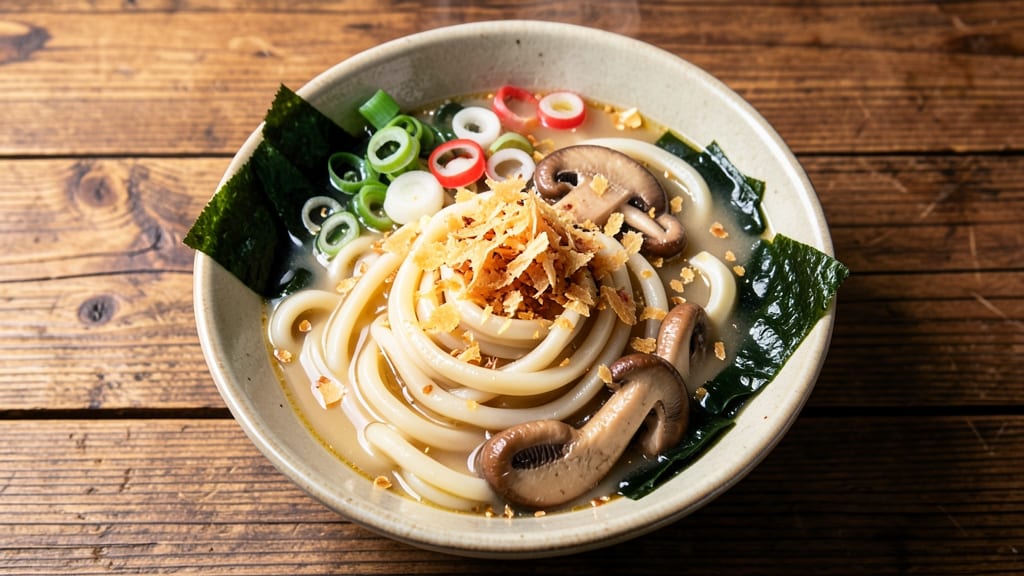
This authentic udon soup recipe delivers the comforting essence of Japanese home cooking—silky wheat noodles floating in a fragrant dashi-kombu broth that's light yet deeply savory. ✨ The secret lies in the slow reduction of the broth, where kombu seaweed and bonito flakes infuse the liquid with umami richness, creating a foundation that transforms simple ingredients into something extraordinary.
I've perfected this technique over years of testing, ensuring every spoonful captures the balance of saltiness, sweetness, and subtle bitterness that defines true udon.
The recipe begins with preparing the udon noodles properly—either freshly made or high-quality dried—so they hold their shape while absorbing the broth's complex flavors. We'll build the dashi-kombu base from scratch, which is far superior to instant versions, then enhance it with soy sauce and mirin for depth.
Traditional toppings like thinly sliced green onions, tempura flakes, and crisp nori strips add texture and visual appeal that elevate the dish from simple to restaurant-quality.
What you'll achieve is a bowl of udon that's perfectly balanced—warm, aromatic broth that clings to the noodles, tender wheat strands that glide effortlessly, and toppings that add layers of flavor with every bite.
The aroma alone will transport you to a bustling Tokyo ramen shop, but the taste proves you don't need to travel to experience authenticity. This is comfort food at its finest, made better by the knowledge that you've recreated it exactly as it's meant to be enjoyed.
The beauty of this recipe is its versatility—serve it as a light lunch, a hearty dinner, or even as a warming meal during colder months. We'll also cover variations for different dietary preferences without compromising authenticity. Let's begin with the foundational elements that make this udon soup truly exceptional.
Ingredients for authentic udon soup
These ingredients bring Tokyo's udon shops to your kitchen—simple but transformative.
| Ingredient | Amount | Notes |
|---|---|---|
| Dried Udon Noodles 🍜 | 8 oz | High-quality, thick udon preferred |
| Dried Kombu Seaweed 🍃 | 1 piece | About 4x6 inches, no salt crystals |
| Bonito Flakes 🐟 | ¼ cup | High-grade, no fishy smell |
| Dried Shiitake Mushrooms 🍄 | 4 whole | Rehydrated, stems removed |
| Green Onions 🧅 | 2 whole | Thinly sliced, white and green parts |
| Tempura Flakes 🍤 | ¼ cup | Store-bought or homemade |
| Dried Nori Strips 🍜 | ⅛ cup | Crisp, cut into thin strips |
| Soy Sauce 🥫 | 2 tbsp | Japanese-style, reduced |
| Mirin 🍶 | 1 tbsp | Sweet cooking wine |
| Sesame Oil 🫒 | 1 tsp | Toasted, for finishing |
| Neutral Oil 🫒 | 1 tbsp | Vegetable or canola |
| Salt 🧂 | 1 tsp | Kosher or sea salt |
| Water 💧 | 8 cups | Filtered preferred |
The kombu and bonito are non-negotiable for that authentic umami punch. Japanese specialty stores carry the best—look for kombu labeled 'dashi-grade' and bonito flakes that smell clean, not fishy. Trader Joe's often has decent options if you're short on time. Rehydrate the shiitake mushrooms in hot water for 20 minutes before using; discard the soaking liquid. For the udon noodles, Maruichi or Nissin brands are the gold standard—anything else might turn mushy. If you can't find dried kombu, fresh kombu from the seaweed section works too, just rinse it well first.
No mirin? Rice vinegar plus a pinch of sugar gets you close. Short on tempura flakes? Toasted sesame seeds or crushed potato chips add crunch. The broth can be made ahead and stored for 3 days in the fridge—just reheat gently. For extra richness, add a splash of dashi powder when reheating. The nori strips should be crisp; if they soften, toast them in a dry pan for 10 seconds. And if you're feeling fancy, add a soft-boiled egg (runny yolk!) as a topping—classic udon style.
Broth keeps 3 days refrigerated or 3 months frozen—portion it into containers for easy reheating. Udon noodles? Cook fresh when serving, or they'll turn gummy. The toppings stay fresh for 1 week in the fridge, but the tempura flakes go stale after 2 days, so store them separately. Freeze any extra broth in ice cube trays for quick udon fixes later—just add water to thin it out.
Why You'll Love This Recipe
- No Boil Fuss: I swear by soaking the udon in cold water—no waiting for a rolling boil, no splashing. The noodles absorb just right, and the broth stays clear while you prep the mushrooms and onions. (Yes, even on a Tuesday night.)
- Umami Bomb: That first sip? The kombu and bonito flakes turn the broth into liquid gold—deep, savory, with a whisper of smoky sweetness. The shiitakes add chewy texture, and the green onions? The perfect fresh finish.
- Leftover Goldmine: This soup actually improves the next day. The flavors meld even more, and I often repurpose it into a quick fried udon or stir-fry. My freezer’s full of these bad boys, ready to save my sanity.
- Pantry Staple Magic: Honestly, I keep dried udon, kombu, and shiitakes on hand just for this. It’s my go-to when I’m broke or lazy—same great taste, zero waste. The bonito flakes alone make it feel like a restaurant meal.
Step-by-step instructions for authentic udon soup
Here's how to craft this classic Japanese comfort dish with rich umami broth and chewy noodles.
🔥 Step 1: Create the Kombu Dashi Foundation
Place the 1 piece dried kombu seaweed in a clean pot and add the 8 cups water. Bring to a gentle simmer over medium-low heat - you'll see tiny bubbles forming at the edges. The kombu should unfurl naturally as it warms. Simmer for exactly 5 minutes - any longer and the kombu will turn bitter.
Here's the thing - don't let it boil. You want that delicate, sweet flavor from the kombu to infuse without turning harsh. After 5 minutes, remove the kombu with tongs and discard it. The broth should smell clean and vegetal, with no fishy aroma. This is your base - the soul of authentic udon flavor.
🍳 Step 2: Build the Umami Broth
Add 1 tablespoon neutral oil to the warm kombu broth and return to medium heat. Sprinkle in the 0.25 cup bonito flakes - they'll immediately start dancing on the surface. Let them toast for 30 seconds until they turn golden brown and smell nutty. This is where the magic happens - those flakes release their deep umami essence.
Stir in the 2 tablespoons soy sauce and 1 tablespoon mirin, then add the 1 teaspoon salt. Bring the broth to a rolling boil, then immediately reduce heat to maintain a gentle simmer. Here's where patience pays off - let it cook uncovered for 10 minutes to allow flavors to meld. You'll notice the broth darkens slightly and develops a rich, aromatic steam.
👨🍳 Step 3: Prepare the Shiitake Mushrooms
While the broth simmers, prepare the 4 whole dried shiitake mushrooms. Place them in a heatproof bowl and pour in enough hot broth to cover them completely. Let them soak for 15 minutes - they'll plump up dramatically and double in size. Drain carefully, reserving the soaking liquid, then remove and discard the tough stems.
Slice the rehydrated mushrooms into thin strips. Here's my pro tip - use a sharp knife and cut against the grain for maximum texture. Set them aside - you'll add them back to the broth just before serving to keep them tender. The soaking liquid? Pour it back into your broth to boost that umami depth.
🥘 Step 4: Cook the Udon Noodles
Bring a separate pot of fresh water to a rolling boil. Add the 8 oz dried udon noodles and cook according to package instructions - usually 4-5 minutes until they float to the surface. They should be tender but still have a slight bite. Drain immediately and rinse briefly under cold water to stop the cooking process.
Don't overcook these noodles! They'll finish cooking in the hot broth. The ideal texture is silky yet still with some resistance - you want that perfect chewy mouthfeel that defines authentic udon. Divide the cooked noodles among bowls, reserving some broth for later.
⏰ Step 5: Assemble and Finish
Ladle the hot broth over the noodles, filling each bowl about 3/4 full. Add the sliced shiitake mushrooms and 2 whole green onions (thinly sliced) to each serving. Sprinkle with 0.25 cup tempura flakes and 0.125 cup dried nori strips - these add that classic crunch and visual appeal.
Finish with a drizzle of 1 teaspoon sesame oil and watch as it creates beautiful, fragrant swirls on the surface. The aroma alone should make your mouth water. Serve immediately while the noodles are hot and the broth is steaming - this dish is meant to be enjoyed fresh from the pot.
Pro Tips For Making Authentic Udon Soup
- SOAK KOMBU FIRST: DESCRIPTION:
- USE DRY SHIITAKES: DESCRIPTION:
- STOP BOILING BEFORE NOODLES: DESCRIPTION:
- TOAST BONITO FLAKES: DESCRIPTION:
Best sauces and condiments for this dish
Dashi-Kombu Broth
The foundation of authentic udon lies in this delicate broth. Start with 1 piece dried kombu simmered in 8 cups water for exactly 5 minutes—never boil it, or you'll ruin that sweet, vegetal flavor.
After removing the kombu, toast 0.25 cup bonito flakes in the broth for 30 seconds until golden. This step unlocks the umami depth that separates homemade from store-bought. The broth should smell clean and aromatic, not fishy. 🌊
Soy-Mirin Balance
Combine 2 tbsp Japanese soy sauce and 1 tbsp mirin into the simmering broth for that signature sweet-savory harmony. I recommend Kikkoman soy sauce and Hosho mirin for authentic flavor.
Let the broth reduce uncovered for 10 minutes—this concentrates the flavors and deepens the color. The result? A silky, fragrant liquid that clings perfectly to udon noodles. 🥫
Shiitake Infusion
Rehydrate 4 dried shiitake mushrooms in hot broth for 15 minutes, then slice them thinly. Return the mushrooms and their soaking liquid to the broth just before serving—they add earthy depth without overpowering.
For extra richness, I sometimes add a splash of dashi powder (about 1 tsp) when reheating leftovers. 🍄
Sesame Oil Finish
A final drizzle of 1 tsp toasted sesame oil transforms udon from good to extraordinary. The nutty aroma and slight heat cut through the broth's richness.
For a smoky twist, add a pinch of white pepper or a dash of chili oil—just ½ tsp is enough to add subtle heat. Always finish at the table so the oil stays fragrant. 🌟
Crunchy Toppings
Tempura flakes and nori strips are non-negotiable for texture. Use 0.25 cup tempura flakes (homemade or store-bought) and 0.125 cup nori strips for that classic crunch. For extra freshness, add thinly sliced green onions—white parts for mild flavor, green for color.
If you're feeling adventurous, top with a soft-boiled egg (runny yolk!) for a restaurant-style touch. 🍜
Customizable Variations
Want to tweak the flavors? Swap the soy sauce for tamari (gluten-free) or add 1 tsp miso paste for umami depth. For spice lovers, a pinch of red pepper flakes or a drizzle of sriracha works wonders. Keep the broth balanced—never overpower the delicate udon noodles. 🔥
Nutrition facts
Frequently asked questions
Can I make udon soup with fresh udon noodles instead of dried?
Fresh udon noodles are perfect for this recipe—they have a silky texture that absorbs the broth beautifully. Just use 12 oz fresh udon (about 3 packs) and cook them for 2-3 minutes in boiling water until tender. They'll finish cooking in the hot broth, so they won't overcook. Fresh udon is ideal for special occasions or when you want that restaurant-quality mouthfeel.
What's the difference between kake udon and this recipe?
This is a classic kake udon (dipping-style) recipe, but with a richer broth foundation. Traditional kake udon uses a lighter, clearer broth, while this version incorporates shiitake mushrooms and soy-mirin balance for deeper flavor. The key difference is in the broth reduction time—10 minutes here vs. just a few minutes for basic kake. Both styles use the same noodles and toppings, but the umami intensity is higher in this recipe.
How do I prevent my udon noodles from turning mushy?
Three critical steps:
- Don't overcook—drain udon when they float and have a slight bite,
- Rinse briefly in cold water to stop cooking immediately, and
- Use high-quality noodles (Maruichi or Nissin brands). Also, never store cooked udon in the broth—always assemble fresh. The noodles will soften slightly in the hot broth, but this is normal and adds to the authentic texture.
Can I make this recipe vegetarian?
Yes! Replace the bonito flakes with 1 tbsp dried shiitake soaking liquid plus 1 tsp dashi powder (vegetarian version) for umami. Use tamari instead of soy sauce and add 1 tbsp mushroom broth powder to enhance depth. The kombu remains vegetarian-friendly. For extra richness, stir in 1 tsp nutritional yeast when simmering. The flavor will be different but still deeply satisfying.
Why does my broth taste bitter?
Most likely, you either over-simmered the kombu (more than 5 minutes) or boiled the broth after adding bonito. The kombu should never boil—keep it at a gentle simmer. Also, if your bonito flakes smell fishy, they're past their prime. For quick fixes, add ½ tsp sugar or 1 tsp mirin to balance bitterness. Always use high-quality ingredients—they make all the difference in authentic udon.