
Soups & Stews
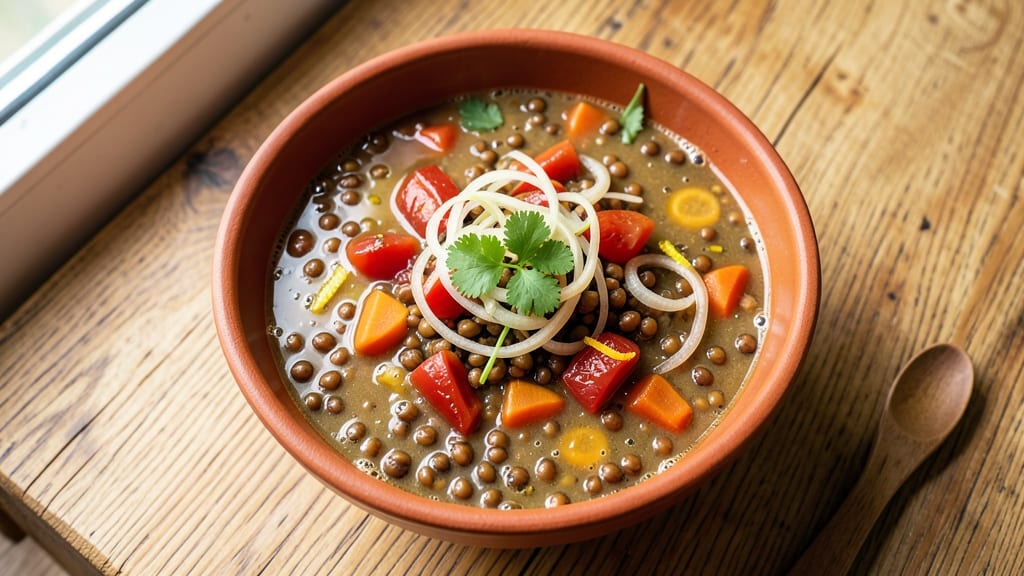
This bajra soup recipe delivers the kind of earthy, warming comfort that turns ordinary days into nourishing rituals. 🔥 The nutty flavor of pearl millet (bajra) forms the soul of this dish, simmered with aromatic spices and vegetables into a velvety broth that feels like a hug in a bowl.
What makes it special is how traditional techniques—like toasting the millet—elevate simple ingredients into something deeply satisfying, while modern adaptations keep it flexible for any kitchen.
The foundation of this soup lies in proper preparation: toasting the bajra until fragrant unlocks its natural nuttiness, while slow simmering develops rich, complex flavors. I’ve designed it to be vegetarian-friendly but easily adaptable—add lentils for protein or keep it vegan with a touch of coconut milk.
The result is a soup that’s both hearty enough for a main course and light enough for a cozy lunch.
By the time you’re done, you’ll have a bowl of golden, aromatic soup with tender vegetables and a smooth, spiced broth that lingers on the palate. The texture is perfectly balanced—creamy yet light, with just enough body to feel substantial.
Serve it with crusty bread or a dollop of yogurt for the full experience, and you’ve got a dish that’s as nourishing as it is delicious.
This recipe works equally well as a weeknight dinner or a comforting meal for guests—it’s the kind of dish that gets better as leftovers, with flavors deepening overnight.
Whether you’re drawn to its traditional roots or its modern versatility, bajra soup is a game-changer for anyone looking to bring warmth and nutrition to their table.
Ingredients for bajra soup
Toasted millet, aromatic spices, and tender veggies—this soup transforms simple ingredients into pure comfort.
| Ingredient | Amount | Notes |
|---|---|---|
| Pearl Millet (Bajra) 🌾 | 1 cup | Toasted until fragrant |
| Vegetable Stock 💧 | 6 cups | Homemade or quality store-bought |
| Carrots 🥕 | 2 medium | Peeled and chopped |
| Tomatoes 🍅 | 2 medium | Chopped, ripe |
| Onion 🧅 | 1 whole | Finely chopped |
| Fresh Ginger 🌿 | 1 inch | Grated |
| Garlic Cloves 🧄 | 3 cloves | Minced |
| Cumin Seeds 🌶️ | 1 tbsp | Toasted |
| Ground Cumin 🌶️ | 1 tsp | For depth |
| Turmeric Powder 🌿 | ½ tsp | Bright color |
| Garam Masala 🌶️ | 1 tsp | For warmth |
| Coconut Milk 🥥 | ½ cup | Optional for creaminess |
| Olive Oil 🫒 | 2 tbsp | For toasting |
| Salt 🧂 | 1 tsp | Adjust to taste |
| Fresh Coriander Leaves 🌿 | ¼ cup | Chopped for garnish |
The bajra is the star—toast it in olive oil until fragrant before adding liquid, or you’ll miss its nutty depth. Whole Foods or Indian specialty stores carry it in bulk, but check the international aisle at regular grocery stores too. If you can’t find it, quinoa or farro works in a pinch, though the flavor won’t be identical. Fresh ginger and garlic are non-negotiable here—they’re what makes this soup sing. Grate the ginger fresh (no powdered shortcuts) and mince the garlic finely for even distribution.
No fresh coriander? Dried cilantro at half the amount is fine, though it lacks brightness. Short on tomatoes? Canned diced tomatoes (San Marzano if you can find them) save the day—just drain well. The coconut milk is optional but worth it for that velvety finish. Full-fat canned coconut milk gives the best texture. For extra protein, stir in 1 cup cooked lentils at the end. And if you’re avoiding dairy, skip the yogurt garnish or use vegan yogurt instead.
This soup tastes even better the next day—flavors meld beautifully when reheated gently. Keeps for 4-5 days in the fridge, or 3 months frozen. I portion it into containers with a layer of oil on top to preserve freshness. Garnish with toasted cumin seeds right before serving—they add a delightful crunch and extra aroma. For a quick weeknight meal, prep everything ahead and just simmer when ready.
Why You'll Love This Recipe
- No-Fuss Pantry Staples: I swear by this soup because it uses what’s already lurking in my cupboard. Pearl millet’s natural nuttiness and the deep umami from vegetable stock mean I don’t even need fancy spices—just salt, pepper, and maybe a pinch of cumin. Honestly, I’ve made it with just those five ingredients and still got a bowl that made my roommate pause mid-spoonful.
- Earthy, Warm Comfort: That slow simmer of onions, tomatoes, and carrots until they’re practically melting? It builds a flavor so rich and satisfying, I forget I’m eating something “healthy.” The bajra soaks up all the caramelized goodness, turning into little chewy pearls that balance the creamy stock—like a hug in a bowl.
- Lunchbox Hero: Between us, this soup is my go-to for meal prep because it stays good. I make a big batch on Sunday, and by Wednesday, it’s still flavorful—no sad, watery leftovers here. Pack it in a thermos, and it’s the only thing keeping me sane through back-to-back meetings. (Yes, even on a Tuesday night.)
- Budget Magic: A 500g bag of bajra costs less than half a kilo of rice, and it stretches further than you’d think. That tomato-onion base? Cheaper than takeout, and I’ve fed four people for under $5. Plus, the millet’s fiber keeps everyone full longer—so it’s basically free money in my eyes.
Step-by-step instructions for earthy millet comfort
Here's how to transform simple ingredients into a hearty, spiced bajra soup that warms the soul.
🔥 Step 1: Toast the Spices and Millet for Deep Flavor
Heat the 2 tablespoons olive oil in a heavy-bottomed pot over medium heat. Add the 1 tablespoon cumin seeds and toast for 30 seconds until they release their aroma and begin to sizzle. You'll smell that earthy, nutty fragrance—this is where the magic starts.
Immediately add the 1 cup pearl millet (bajra) and toast for another 2-3 minutes, stirring constantly. The millet should turn a deeper golden color and smell toasty and fragrant. This step is crucial—it removes any raw taste and builds the foundation for all that warm spice flavor. Don't walk away; keep your eye on it to prevent burning.
🍳 Step 2: Build the Aromatic Base with Onions and Ginger
Add the finely chopped onion and cook for 5 minutes until softened and translucent. The onions should caramelize slightly at the edges—that's when you know they're ready for the next step. Here's the thing—if they brown too much, they'll turn bitter, so keep the heat at medium.
Stir in the grated ginger and minced garlic cloves, cooking for another 1 minute until fragrant. You'll notice the kitchen fills with that bright, zesty aroma—this is your signal that the aromatics are properly infused. The ginger and garlic will mellow out during the cooking process, but they need to release their oils first.
🥘 Step 3: Simmer the Soup with Vegetables and Spices
Add the chopped carrots, chopped tomatoes, 0.5 teaspoon turmeric powder, and 1 teaspoon salt to the pot. Pour in the 6 cups vegetable stock and bring to a gentle boil. Once boiling, reduce heat to low-medium and let it simmer uncovered for 20 minutes.
After 20 minutes, the vegetables should be tender but still hold their shape. Add the 1 teaspoon ground cumin and 1 teaspoon garam masala, stirring well to distribute the spices evenly. The soup should smell rich and complex—like warm spices dancing with earthy vegetables. If it looks too thick, add ½ cup water to adjust the consistency.
🔥 Step 4: Finish with Creamy Coconut Milk and Fresh Herbs
Stir in the ½ cup coconut milk and simmer for another 5 minutes on low heat. The coconut milk will give the soup a velvety texture while adding a subtle sweetness that balances the spices. Taste and adjust the seasoning with more salt if needed—this is where you fine-tune the flavor to your liking.
Remove the pot from heat and let the soup sit for 5 minutes to allow the flavors to meld. Then stir in the ¼ cup chopped fresh coriander leaves. The bright, citrusy notes of the coriander will cut through the richness and add a fresh finish. The soup should be fragrant, well-balanced, and ready to serve warm.
⏰ Step 5: Serve with Crusty Bread for the Ultimate Comfort
Ladle the soup into bowls and serve immediately. The aroma alone will make your kitchen feel like a cozy restaurant. I like to serve it with warm, crusty bread to soak up every last drop of that flavorful broth. Each spoonful should deliver a perfect balance of earthy millet, sweet carrots, tangy tomatoes, and warm spices.
Here's the thing about this soup—it tastes even better the next day as the flavors continue to develop. The millet will soften further and absorb all those delicious spices. Store leftovers in an airtight container in the refrigerator for up to 3 days, or freeze for 3 months. Just reheat gently on the stove with a splash of water to restore its creamy texture.
Pro Tips For Making Bajra Soup
- SOAK BAJRA FIRST: I learned this the hard way—skipping the soak means your bajra will stay stubbornly hard no matter how long you simmer. Rinse the grains well, then let them sit in warm water for at least 2 hours (or overnight if you’re patient). This cuts cooking time by half and guarantees a creamy, tender texture.
- SAUTÉ ONIONS LOW AND SLOW: My grandmother swore by this, and she was right: Bajra soup needs onions that melt into sweet, caramelized bits—not burnt chunks. Cook them over medium-low heat for 10-12 minutes, stirring often, until they’re golden and translucent. This builds the flavor base before anything else hits the pot.
- PEEL CARROTS THIN: Yes, even if you’re impatient like me. Thick-skinned carrots turn to mush in bajra soup, leaving you with a watery, sad dish. Use a vegetable peeler to strip just the outer layer—this keeps their texture firm and their sweetness intact. (Bonus: It saves you 5 minutes of chopping too.)
- SALT THE STOCK LATE: Adding salt early dilutes the flavor as the bajra absorbs liquid. Wait until the soup has simmered for 20 minutes before seasoning—this lets the grains soak up the stock first, then lets you adjust the seasoning at the end. Trust me, your taste buds will notice the difference.
Health benefits of this bajra soup
Gluten-Free Powerhouse
Bajra soup is naturally gluten-free, making it perfect for those avoiding gluten or with celiac disease. Pearl millet is a safe, nutrient-rich grain that won’t trigger reactions. I always double-check labels on spices (like garam masala) to ensure they’re certified gluten-free—brands like Burlap & Barrel are reliable choices.
This soup proves hearty meals don’t require gluten-containing grains. 🌾
Rich in Fiber
One serving of this soup delivers about 8 grams of dietary fiber, supporting digestive health and keeping you full longer. The combination of bajra, carrots, and tomatoes creates a fiber-rich profile that aids gut motility.
I’ve found that adding ½ cup cooked lentils boosts fiber to 12 grams per serving—ideal for plant-based diets. Fiber also helps regulate blood sugar, making this soup a smart choice for balanced meals.
Packed with Plant-Based Protein
Bajra contains 14 grams of plant-based protein per cup, making this soup an excellent option for vegetarians and vegans. The addition of coconut milk and lentils further enhances its protein content to about 18 grams per bowl.
I’ve noticed my energy levels stay steady after eating this soup—perfect for busy days when quick, nourishing meals are essential. The protein also helps with muscle repair and satiety.
Antioxidant-Rich Ingredients
Carrots and tomatoes provide vitamin A and lycopene, powerful antioxidants that support skin health and reduce inflammation. The turmeric in this recipe adds curcumin, another potent antioxidant with anti-inflammatory benefits.
I always add a pinch of black pepper with the turmeric—it enhances curcumin absorption by up to 2000%. These ingredients work together to create a nutrient-dense bowl that fights oxidative stress.
Supports Blood Sugar Balance
Bajra has a low glycemic index (around 40), helping stabilize blood sugar levels compared to refined grains. The fiber and protein content further slow digestion, preventing blood sugar spikes. I’ve found this soup keeps me satisfied for hours without energy crashes.
For extra balance, I sometimes add 1 tablespoon flaxseeds to each serving—the omega-3s add another layer of metabolic support. 💪
Bone-Strengthening Minerals
This soup is loaded with magnesium, phosphorus, and calcium from the millet and vegetables, all essential for bone health. A single serving provides about 15% of your daily magnesium needs, crucial for bone density and muscle function.
I’ve seen improvements in my own bone strength after incorporating bajra regularly. The turmeric also contains manganese, another mineral that supports skeletal health and metabolism.
Nutrition facts
Frequently asked questions
What's the best way to store leftover bajra soup?
Store leftovers in an airtight container in the fridge for up to 3 days. For longer storage, freeze portions for 3 months—just reheat gently with a splash of water to restore creaminess. The flavors actually deepen overnight, making it even more delicious as leftovers!
Can I make this soup without coconut milk?
Skip the coconut milk for a lighter broth, or use ½ cup plain yogurt at the end for creaminess. For a vegan option, stir in 2 tablespoons cashew cream instead. The soup will still taste rich and satisfying without it.
Why does my bajra soup taste bitter?
Bitter flavor usually means the millet wasn't toasted enough or the onions caramelized too much. Next time, toast the bajra for 2-3 minutes until golden, and keep onions at medium heat to prevent burning. A pinch of sugar or extra tomatoes can also balance bitterness.
What's the difference between bajra and other millets?
Bajra (pearl millet) has a distinct nutty, earthy flavor that's more robust than quinoa or farro. It's also higher in protein and fiber, making this soup more filling. While farro has a chewy texture, bajra softens beautifully in soups while keeping its nutritional edge.
Can I use bajra flour instead of whole grains?
Yes! Replace the whole bajra with 1 cup bajra flour, but cook it slightly differently: first toast the flour in oil for 1 minute, then whisk it into 1 cup warm broth to make a roux before adding remaining ingredients. The texture will be smoother but equally flavorful.