
Soups & Stews
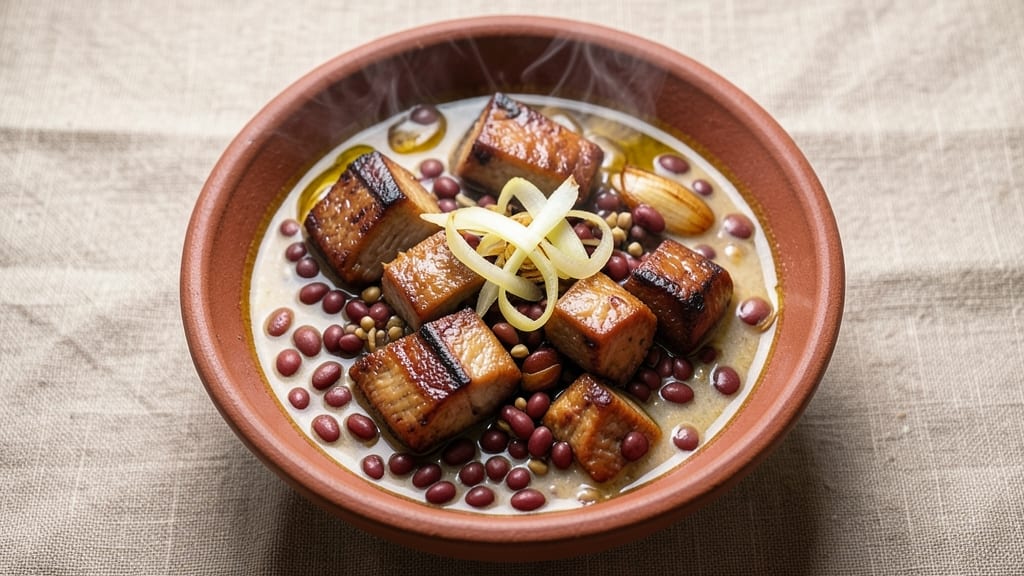
This Bangla soup recipe brings the heart of Bangladesh to your kitchen with its aromatic mustard seed broth and tender combination of pork and lentils. The secret lies in the slow simmering of spices and ingredients, allowing flavors to meld into a deeply satisfying dish that's both comforting and nourishing.
This traditional recipe is more than just soup—it's a taste of home, often prepared for special occasions or to welcome guests.
The foundation of this soup is the fragrant mustard seed broth, which carries the essence of Bangladeshi cuisine. Pork, lentils, and a blend of spices like cumin, coriander, and turmeric create a harmonious balance of flavors that are both bold and subtle.
The key to achieving tender meat and perfectly cooked lentils lies in the slow cooking process, which transforms tough cuts into melt-in-your-mouth perfection.
What makes this recipe truly special is the cultural significance it holds. Often served during festive seasons or family gatherings, this soup is a testament to the rich culinary traditions of Bangladesh.
The mustard oil, a staple in Bangladeshi cooking, adds a unique depth of flavor that sets this dish apart. Each spoonful is a celebration of tradition, comfort, and the warmth of home.
Perfect for a hearty meal on a chilly day or as a centerpiece for a gathering, this Bangla soup is sure to impress. The instructions are designed to guide you through each step, ensuring that you achieve the same tender, flavorful results that make this dish a beloved classic.
Let's get started on creating this timeless recipe in your own kitchen.
Ingredients for bangla soup
Sixteen ingredients transform into a fragrant, hearty Bangla soup that captures tradition in every spoonful.
| Ingredient | Amount | Notes |
|---|---|---|
| Pork Shoulder 🥩 | 2 lb | Bone-in for flavor, cut into 1-inch cubes |
| Red Lentils 🌾 | 1 ½ cups | Rinsed before cooking |
| Mustard Seeds 🌶️ | 1 tbsp | Whole, yellow variety |
| Mustard Oil 🫒 | ½ cup | Traditional for authentic flavor |
| Fresh Ginger 🧅 | ½ cup | Finely grated, peel removed |
| Onions 🧅 | 2 whole | Yellow or red, sliced |
| Garlic Cloves 🧄 | 6 cloves | Minced for aromatic base |
| Ground Cumin 🌿 | 1 tbsp | Toasted for deeper flavor |
| Ground Coriander 🌿 | 1 tbsp | Freshly ground preferred |
| Turmeric Powder 🧂 | ½ tbsp | Bright yellow for color |
| Salt 🧂 | 1 ½ tsp | Adjust to taste |
| Black Peppercorns 🌶️ | ½ tsp | Crushed for heat |
| Fresh Cilantro 🌿 | ¼ cup | Chopped, for garnish |
| Lemon Juice 🍋 | 2 tbsp | Freshly squeezed |
| Water 💧 | 8 cups | For simmering broth |
The pork shoulder is non-negotiable here—bone-in cuts from the butcher section give you that rich marrow flavor. Look for well-marbled meat at Whole Foods or your local Indian grocery. Red lentils should be bright red and uniform—avoid split lentils, which cook faster. Mustard oil is the soul of this dish, so grab a bottle from Patel Brothers or H-Mart. Fresh ginger needs to be firm and aromatic—none of that rubbery stuff. Toast your whole spices (cumin, coriander) in a dry pan for 30 seconds before grinding—game-changer for depth.
No mustard oil? Vegetable oil works in a pinch, but you'll lose that signature flavor. Substitute red lentils with yellow lentils at 1:1 ratio, though they'll stay firmer. Fresh cilantro? Dried works at 1/4 the amount, but it lacks that bright finish. The onions can be vidalia or sweet onions for a milder taste. For extra richness, add 1 tbsp tomato paste with the spices. And if you're short on time, pre-cut pork cubes from the deli section save 10 minutes of chopping—just don't skimp on the marinating time.
This soup tastes even better the next day as flavors meld. Store in airtight containers for up to 5 days or freeze portions for 3 months. I always make double batches—half for dinner, half for lunches. The broth reduces beautifully when reheated, so add a splash of water if it gets too thick. Garnish with extra cilantro and a drizzle of mustard oil right before serving—trust me on this. Leftovers reheat perfectly in a pot or microwave, though the stovetop version has better texture.
Why You'll Love This Recipe
- One-Pot Magic: I swear by this—just toss everything into a single pot, stir occasionally, and walk away. That pork shoulder practically melts into the broth while the lentils soften, and honestly? The hardest part is waiting for the mustard oil to sing.
- Flavor Bomb: The mustard seeds crackle like fireworks, then mellow into something warm and earthy, while the ginger cuts through the richness. Between us, that first spoonful of soup—pork, lentils, and oil all tangled together—is dangerously addictive.
- Leftovers That Shine: This soup tastes even better the next day, which is perfect because it’s so easy to double. I keep a jar in the fridge for lazy mornings or when my kids demand something "filling" after school—no complaints, just seconds.
- Budget Powerhouse: Pork shoulder is cheap, lentils are cheaper, and that tiny bottle of mustard oil stretches for ages. I’ll be real: this recipe saved me from takeout nights when the grocery budget was tight, and it still felt like a treat.
Step-by-step instructions for spiced lentils and tender pork in fragrant mustard seed broth
This method delivers melt-in-your-mouth pork and perfectly spiced lentils with a rich, aromatic broth.
Brown the Pork Shoulder for Deep Flavor
Heat the 0.5 cup mustard oil in a large, heavy-bottomed pot over medium-high heat. Add the 2 lb pork shoulder cut into 1-inch cubes, working in batches if needed to avoid crowding. Brown the pork on all sides until deeply golden, about 8-10 minutes total. This step develops the Maillard reaction, creating complex flavors that will infuse the broth.
Once browned, remove the pork and set it aside. You should have about 1-2 tablespoons of rendered fat remaining in the pot—this is essential for building flavor. If the fat level is too low, add a splash more of the mustard oil to maintain proper heat conduction. The pork will continue cooking later, so don't worry about full doneness yet.
Toast Spices and Build the Aromatic Base
In the same pot with the rendered fat, add the 1 tbsp mustard seeds and toast them over medium heat for 30 seconds until they begin to sizzle and release their nutty aroma. Immediately add the 0.5 cup finely grated fresh ginger and 2 whole onions sliced into ¼-inch pieces, stirring constantly for 3-4 minutes until the onions soften and turn translucent.
Add the 6 cloves minced garlic cloves, 1 tbsp ground cumin, 1 tbsp ground coriander, and 0.5 tbsp turmeric powder, stirring for 1 minute until the spices are fragrant and the raw garlic flavor disappears. This aromatic base forms the flavor foundation of the soup. Don't let the spices burn—they should smell warm and inviting, not bitter.
Simmer Pork and Lentils in Spiced Broth
Return the browned pork to the pot. Add the 1.5 cups rinsed red lentils, 1.5 tsp salt, and 0.5 tsp crushed black peppercorns, then pour in the 8 cups water. Bring the mixture to a boil over high heat, then immediately reduce to a gentle simmer. Partially cover the pot and let it cook for 1 hour 15 minutes, stirring occasionally to prevent sticking.
The lentils should soften while the pork becomes fork-tender. You'll know it's ready when the pork easily pulls apart with a fork and the lentils are creamy but still hold their shape. If the broth reduces too much, add ½ cup water at a time to maintain the proper consistency—a balance between thick and soupy.
Finish with Acid and Fresh Herbs
Once the pork and lentils are tender, stir in the 2 tbsp fresh lemon juice to brighten the flavors and cut through any richness. Remove the pot from heat and let it sit for 5 minutes to allow the lemon to fully integrate. Then, fold in the 0.25 cup chopped fresh cilantro, reserving a few sprigs for garnish. The cilantro adds a fresh, herbal note that complements the deep spice profile.
Taste and adjust the seasoning—you may need a pinch more salt or a squeeze of lemon if the dish feels too heavy. The soup should be rich but balanced, with the pork falling apart and the lentils creamy yet distinct. Serve immediately with crusty bread or steamed rice to soak up every last drop of the fragrant broth.
Pro Tips For Making Bangla Soup
- CRANK THE HEAT FIRST: Bangla soup needs that mustard oil to sing, and it won’t if you’re simmering gently from the start. Get your pot screaming hot—yes, even with all the ingredients in—then let the mustard seeds pop like fireworks before anything else happens. I used to play it safe with medium heat, and the oil just… sulked. Now I watch for those first tiny explosions, and the flavor jumps off the plate.
- GRATE THAT GINGER FINE: Skip the food processor here—your fingers are better. Use a microplane or the smallest holes on a grater for the ginger. Too many chunks mean you’ll taste them in every bite, and this soup should be smooth as silk. I learned this the hard way when my lazy grating left a mouthful of texture in an otherwise perfect bowl.
- DON’T DROWN THE PORK: Pork shoulder needs space to render fat and brown, not a watery bath. Start with just enough water to cover the bottom of the pot—maybe 1/4 cup—and let it sizzle until the meat releases its own juices. Adding liquid too soon turns your soup into a sad, pale stew. Trust me, the fat is your friend here.
- TOAST THE LENTILS FIRST: Dump the raw red lentils into a dry pan and stir for 2-3 minutes until they smell nutty and darken slightly. This isn’t optional—it deepens their flavor and prevents them from turning mushy. I was skeptical until I tried it: the difference is like night and day, especially when paired with the mustard oil. (Yes, even if you’re impatient like me.)
Serving suggestions for this recipe
Crusty Bread Pairing
This soup pairs beautifully with a warm, crusty loaf of Bengali roti or phulka, which soaks up the rich broth perfectly. For an authentic touch, I recommend homemade luchi—deep-fried, fluffy Indian bread that adds a delightful contrast to the hearty soup.
If you're short on time, a sourdough baguette from your local bakery works wonderfully too. 🥖
Steamed Rice Enhancement
For a more traditional Bangladeshi meal, serve the soup alongside steamed basmati rice or jeera rice (cumin-infused). The rice acts as a neutral base that lets the soup's flavors shine. I like to add a pinch of turmeric and a bay leaf to the rice water for extra aroma.
A small portion of rice per bowl balances the soup's richness beautifully.
Pickled Vegetable Accompaniment
Add a tangy contrast with mango or lime pickles—a staple in Bangladeshi cuisine. The acidity cuts through the soup's richness and adds a refreshing crunch. For an extra layer of flavor, try achar (Indian pickled vegetables) or a simple cucumber-raita with yogurt and mint.
Just 2-3 tablespoons per bowl enhances the meal without overpowering it. 🥒
Garnish Like a Pro
Before serving, drizzle each bowl with 1 teaspoon of mustard oil and sprinkle with fresh cilantro for that restaurant-quality finish. For extra flair, add a pinch of red chili powder or a few crushed kasuri methi (dried fenugreek leaves).
These garnishes not only look beautiful but also elevate the soup's depth of flavor.
Side Salad Contrast
A light cucumber and onion salad dressed with lemon juice and a pinch of salt provides a refreshing contrast to the rich soup. Thinly slice 1 medium cucumber and 1 small red onion, then toss with 1 tablespoon lemon juice and ½ teaspoon salt.
This simple side keeps the meal balanced and vibrant. 🥒
Drink Pairings
Complement the meal with a mango lassi or rose water-infused milk to cleanse the palate between bites. For non-dairy options, a sparkling lime soda or chilled green tea with lemon works beautifully. The effervescence helps reset your taste buds after each rich spoonful of soup. 🍹
Nutrition facts
Frequently asked questions
Can I make this Bangla soup vegetarian?
Swap the pork for chickpeas or tofu (firm variety works best) and add extra lentils for heartiness. Use vegetable oil instead of mustard oil, and boost umami with 1 tablespoon soy sauce or 1 teaspoon miso paste. The cooking time remains the same, but check the chickpeas/tofu at 45 minutes to prevent overcooking.
Why does my soup taste too bitter?
Bitterness usually comes from burnt spices or overcooked onions. Always toast spices over medium heat (never high) and remove from heat immediately after they're fragrant. For onions, cook them until soft but not browned. If bitterness persists, balance it with extra lemon juice or a pinch of sugar—just ½ teaspoon will do.
How do I store leftovers properly?
Cool the soup to room temperature within 2 hours, then transfer to airtight containers. It keeps in the fridge for 5 days or freezes for 3 months. For reheating, warm over medium-low heat on the stove, adding ¼ cup water if the broth thickens too much. Microwaving works too—just stir well after heating.
Can I use chicken or beef instead of pork?
Yes, but adjust cooking times: chicken needs 45 minutes total (it cooks faster), while beef requires 2 hours of simmering. For chicken, use bone-in thighs (they stay juicier). With beef, cut into smaller cubes (½-inch) and add 1 extra cup water to prevent drying. The flavor profile will differ but still be delicious!
What if I don't have mustard oil?
Use vegetable oil or ghee as substitutes, though they won't replicate mustard oil's signature flavor. For a closer match, combine ½ cup neutral oil with 1 teaspoon ground mustard powder (toasted first). The soup will still be flavorful, but the authentic depth of mustard oil is hard to replicate. Store-bought mustard oil is the best solution!