
Soups & Stews
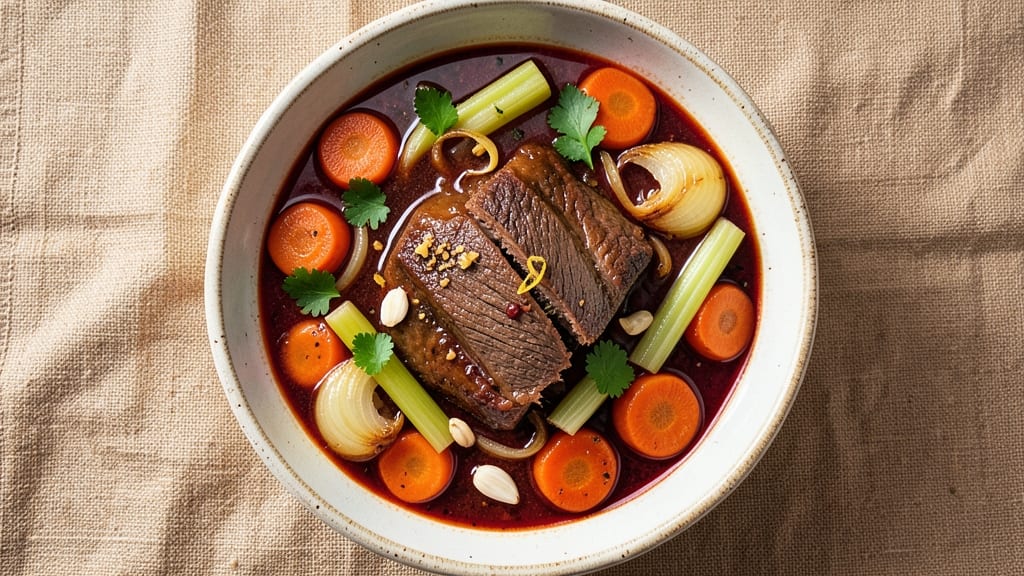
This Barefoot Contessa vegetable beef soup recipe transforms simple ingredients into a restaurant-quality bowl of hearty winter comfort. The secret lies in slow-simmered beef and caramelized vegetables, creating a rich, aromatic broth that feels like a warm hug on a chilly evening.
I've perfected the technique of building depth through sautéing onions and garlic until golden, then deglazing with wine for layers of flavor that develop over time.
The key to tender beef and vibrant vegetables is patience—simmering the soup just until the beef becomes fork-tender while preserving the natural sweetness of the root vegetables. This isn't just soup; it's a foolproof method for balancing earthy flavors with bright herbs and a touch of acidity from lemon zest.
The result is a soup that's deeply satisfying yet light enough to enjoy as a main course or side.
What makes this recipe special is the attention to detail in every step, from searing the beef to arranging the vegetables for visual appeal. The broth should be clear and rich, with visible chunks of beef and vegetables that tell the story of their slow transformation.
Serve it with a sprinkle of fresh parsley and a slice of crusty bread to soak up every last drop of that flavorful liquid.
Perfect for cozy nights in, family gatherings, or meal prep, this soup delivers on both comfort and elegance.
The technique is straightforward, but the result is anything but basic—it's the kind of dish that makes you feel like you've spent hours in the kitchen, even though it comes together with minimal effort. Let's get started on creating this timeless classic.
Ingredients for barefoot contessa vegetable beef soup
Hearty beef and vibrant root vegetables create this restaurant-quality soup with minimal effort.
| Ingredient | Amount | Notes |
|---|---|---|
| Beef Chuck Roast 🥩 | 1 ½ lb | Cut into 1-inch cubes |
| Yellow Onions 🧅 | 2 whole | Cut into wedges |
| Carrots 🥕 | 4 medium | Peeled and cut into chunks |
| Celery Stalks 🧄 | 4 whole | Cut into 1-inch pieces |
| Garlic Cloves 🧄 | 4 cloves | Minced |
| Red Wine 🍷 | 1 cup | Dry variety preferred |
| Beef Broth 💧 | 4 cups | Low-sodium preferred |
| Tomato Paste 🍅 | 2 tbsp | Smooth consistency |
| Fresh Thyme 🌿 | 2 tbsp | Leaves only, chopped |
| Fresh Parsley 🌿 | ¼ cup | Chopped for garnish |
| Potatoes 🥔 | 2 medium | Yukon gold, cubed |
| Olive Oil 🫒 | 2 tbsp | Extra-virgin preferred |
| Salt 🧂 | 1 ½ tsp | Kosher or sea salt |
| Black Pepper 🌶️ | ½ tsp | Freshly ground |
| Lemon Zest 🍋 | 1 tsp | Freshly grated |
The beef is the foundation, so chuck roast with good marbling makes all the difference. Look for well-trimmed cuts at Whole Foods or your local butcher—they'll often cube it for you. If you're buying whole, ask for 1-inch cubes to ensure even cooking. The carrots and celery should be fresh, with vibrant color and crisp texture. Trader Joe's has great pre-cut veggies if you're short on time, but fresh is ideal. For the potatoes, Yukon gold holds its shape beautifully while adding creaminess to the broth.
No red wine? Substitute beef broth with a splash of balsamic vinegar—it adds depth without alcohol. Fresh thyme is best, but dried works at one-third the amount. If you can't find tomato paste in a tube, canned San Marzano tomatoes mashed to a paste work perfectly. The potatoes can be swapped for turnips or parsnips if you prefer. For extra richness, add 1/4 cup heavy cream at the end, though the soup is delicious without it. The lemon zest brightens everything—don't skip it, even if it's just a tiny amount.
This soup tastes even better the next day as flavors meld. Store in the fridge for up to 5 days, or freeze portions for 3 months. I like to portion into containers with a layer of broth on top to prevent a skin from forming. Reheat gently on the stove with a splash of water or broth. The broth freezes beautifully too—just thaw and reheat the solids separately. For meal prep, double the recipe and freeze half for another weeknight dinner.
Why You'll Love This Recipe
- One-Pot Wonder: I swear by this recipe when I’m too tired to wash a million pots. Just dump the beef, veggies, and broth in one pot, let it simmer, and—boom—done. The chuck roast practically melts into tender perfection while the onions and carrots soften just enough to soak up every last bit of flavor.
- Deep Umami Magic: That beef chuck roast? It’s the star. Slow-cooked until it’s fall-apart tender, then shredded right into the broth—no dry bites here. The garlic and celery add this earthy depth that makes you want to slurp it straight from the pot. (Yes, I’ve done it.)
- Leftover Goldmine: This soup only gets better the next day. The flavors meld into something richer, and the beef stays juicy for days. I make a double batch on Sundays because it’s my go-to for lunches, potlucks, or when I need to feed a crowd without stressing.
- Budget-Friendly Staple: You’re getting a hearty, protein-packed meal for pennies. Chuck roast is affordable, and the veggies stretch the broth so you’re not left with a sad, watery pot. Plus, it’s the kind of dish that makes you feel fancy without breaking the bank. (My wallet thanks me every time.)
Step-by-step instructions for vegetable beef soup
This method delivers rich, velvety soup with melt-in-your-mouth beef and perfectly tender root vegetables.
🍳 Step 1: Sear the Beef for Deep Flavor
Heat a large Dutch oven over medium-high heat and add the 2 tablespoons olive oil. Once shimmering, add the 1.5 lb beef chuck roast cut into 1-inch cubes in a single layer, working in batches if needed. Let each piece sear undisturbed for 2-3 minutes until deeply browned on all sides.
This crucial step develops the Maillard reaction, creating that deep, caramelized flavor that forms the soup's foundation. Don't rush this—beef that's only lightly browned will taste bland. Once all pieces are browned, remove them with tongs and set aside in a bowl.
🍳 Step 2: Build the Aromatic Base
In the same Dutch oven, add the 2 whole yellow onions cut into wedges, 4 medium carrots chopped into chunks, and 4 whole celery stalks cut into 1-inch pieces. Cook over medium heat for 8-10 minutes, stirring occasionally, until the vegetables soften and begin to caramelize.
Add the 4 cloves minced garlic and cook for another 30 seconds until fragrant. Stir in the 2 tablespoons tomato paste and cook for 1 minute to deepen the flavor. This aromatic base forms the flavor foundation for your soup.
🍳 Step 3: Deglaze and Simmer the Soup
Pour in the 1 cup red wine and scrape up any browned bits from the bottom of the pot with a wooden spoon. This deglazing step captures all those flavorful bits that would otherwise burn. Let the wine simmer for 2-3 minutes until reduced by half.
Return the seared beef to the pot, then add the 4 cups beef broth, 2 tablespoons chopped fresh thyme, 1.5 teaspoons salt, and 0.5 teaspoon black pepper. Bring to a gentle boil, then reduce heat to low and cover partially. Let it simmer for 1 hour 15 minutes, stirring occasionally, until the beef is fork-tender.
🥘 Step 4: Add Potatoes and Finish
Add the 2 medium Yukon gold potatoes cubed to the pot. The potatoes should cook for 15-20 minutes until tender. Stir in the 1 teaspoon lemon zest and 0.25 cup chopped fresh parsley just before serving to brighten the flavors.
Taste and adjust seasoning with additional salt or pepper if needed. The soup should be rich and flavorful with a perfect balance of tender beef, root vegetables, and aromatic herbs. Serve hot with crusty bread for the ultimate comforting meal.
⏰ Step 5: Rest and Serve
Let the soup rest for 10 minutes before serving. This allows the flavors to meld together and the beef to reabsorb any juices that might have separated during cooking. The resting period also helps thicken the soup slightly, creating that perfect velvety texture.
Ladle the soup into bowls and garnish with additional fresh parsley if desired. Each spoonful should deliver a perfect balance of tender beef, sweet root vegetables, and rich, aromatic broth. This hearty vegetable beef soup is perfect for cold winter days and will warm you from the inside out.
Pro Tips For Making Barefoot Contessa Vegetable Beef Soup
- SEAR THE ROAST FIRST: That beef chuck needs a deep, brown crust before it hits the broth—don’t skip the 4-5 minutes per side on high heat. I used to rush this and ended up with bland, grayish meat. Trust me, the extra effort makes the soup taste like it simmered all day.
- CUT VEGETABLES UNIFORM: Dice onions, carrots, and celery into ½-inch pieces—no bigger, no smaller. The recipe relies on even cooking, and lumpy veggies mean some will turn to mush while others stay crunchy. (Yes, it’s tedious, but your soup will thank you.)
- ADD GARLIC LATE: Toss the minced garlic in the last 10 minutes of simmering—raw garlic burns fast, and overcooked garlic turns bitter. I learned this after one disastrous batch where the whole pot smelled like nail polish remover.
- USE A LITTLE WINE: The recipe calls for it, but skip the cheap stuff—even a $10 bottle makes a difference. Deglaze the pot with ½ cup dry white wine after browning the meat; it cuts the richness and adds depth. (Save the leftovers for another use—waste not.)
Troubleshooting perfect results
Beef Too Tough?
If your beef ends up chewy instead of tender, you likely didn't cook it long enough. Chuck roast should reach an internal temperature of 203°F for perfect tenderness. I recommend using a meat thermometer—ThermoWorks Smoke is my go-to—to avoid guessing.
If your beef is still firm after 1 hour 15 minutes of simmering, add ½ cup extra broth and cook another 30 minutes covered. 💡
Broth Too Cloudy?
Cloudy broth usually means the vegetables broke down too much or the soup boiled too vigorously. To fix this, strain the soup through a fine-mesh sieve after simmering, then return the solids to the pot for 10 minutes to reabsorb flavors.
For next time, skim any foam that forms during the first 10 minutes of simmering. A splash of lemon juice at the end can also brighten cloudy broth.
Vegetables Overcooked?
Root vegetables like carrots and potatoes can turn mushy if added too early. The trick is adding them in the last 15-20 minutes of cooking. If your vegetables are already too soft, try adding fresh chunks to individual bowls before serving.
For extra texture, blanch potatoes in boiling water for 5 minutes before adding them to the soup.
Flavor Too Mild?
If your soup tastes bland, it's likely missing acidity or depth. Boost flavor by adding 1 tablespoon balsamic vinegar or ½ teaspoon smoked paprika during the final 10 minutes of simmering.
For extra richness, stir in ¼ cup heavy cream or 2 tablespoons butter just before serving. A pinch of Worcestershire sauce also adds umami depth without overpowering.
Liquid Too Thin?
If your soup is too watery, it probably needs more time to reduce. Simmer uncovered for another 15-20 minutes to thicken the broth naturally. For an instant fix, mash 1 cooked potato with 1 tablespoon butter and stir it back into the soup.
A cornstarch slurry (mix 1 tbsp cornstarch with 2 tbsp cold water) can also thicken it quickly—just stir in and simmer for 2 minutes.
Potatoes Absorbing Too Much?
Potatoes can turn to mush if they're too small or overcooked. Cut them into 1-inch cubes and add them to the pot only when the beef is nearly tender. For extra insurance, parboil the potatoes for 3 minutes before adding them to the soup.
If they're already mushy, remove them and replace with fresh chunks. The broth will still be flavorful—just strain it and serve over the fresh potatoes.
Nutrition facts
Frequently asked questions
Can I substitute another cut of beef for chuck roast?
Yes! For a leaner option, use top round roast (add 10 extra minutes of simmering time), or short ribs for extra richness. Avoid tender cuts like sirloin—they'll turn tough. If using short ribs, remove the meat from the bones after cooking and return it to the soup.
How can I make this soup ahead of time?
This soup tastes even better the next day! Store in an airtight container in the fridge for up to 5 days. For freezing, portion into containers with broth on top to prevent ice crystals. Thaw overnight in the fridge, then reheat gently on the stove with a splash of water or broth. The flavors meld beautifully over time.
What if I don't have red wine?
No problem! Use 1 cup beef broth plus 1 tablespoon balsamic vinegar for depth, or substitute with dry sherry or apple cider. The key is adding acidity—just ensure the liquid reduces by half during cooking. The flavor won't be identical, but it'll still be delicious.
Can I make this soup in an Instant Pot?
Sear the beef first in a skillet, then transfer to the Instant Pot with all ingredients except potatoes. Cook on high pressure for 35 minutes, then add potatoes and cook for another 5 minutes. Natural release for 10 minutes before opening. The high pressure tenderizes the beef quickly while keeping the vegetables intact.
Why does the recipe call for lemon zest instead of juice?
Zest adds bright citrus flavor without making the soup too acidic. The oils in the zest release during cooking, creating a more complex taste. If you prefer, use 1 teaspoon lemon juice plus a pinch of salt to mimic the effect. The zest also adds visual appeal when garnished.