
Soups & Stews
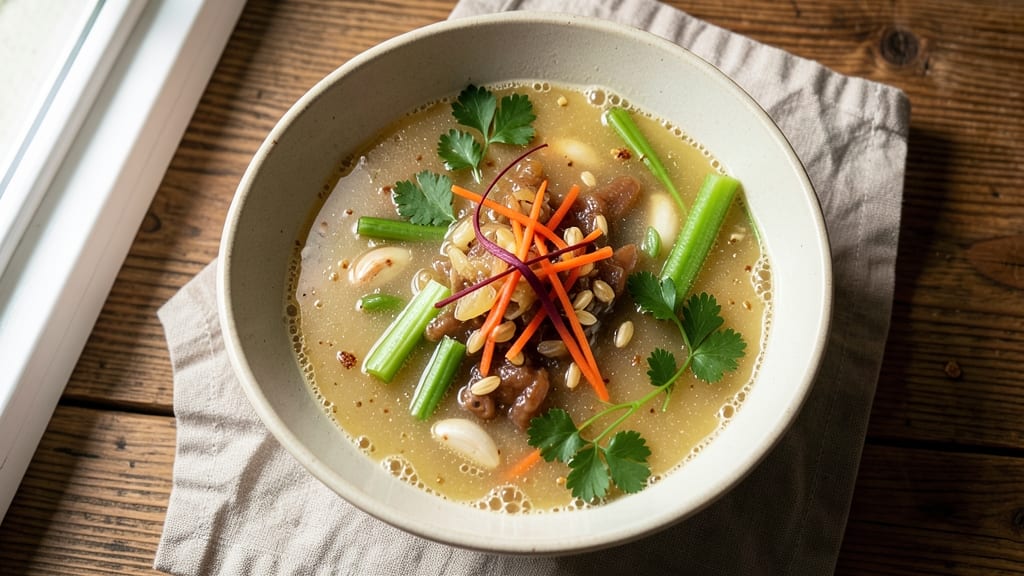
This barley broth soup recipe transforms simple pantry staples into a deeply satisfying meal that warms both body and soul. The secret lies in simmering barley with aromatic vegetables until the grains soften into a creamy, hearty texture—no fancy techniques required.
I developed this version after years of testing, ensuring every spoonful delivers that perfect balance of earthy barley and rich, savory broth that lingers long after the last bite.
The beauty of this soup is its versatility—start with a base of onions, carrots, and celery for classic flavor, then let barley and herbs infuse the broth over 45 minutes of gentle simmering. The result?
A velvety, foolproof soup that tastes even better the next day, making it ideal for meal prep or cozy weeknight dinners. Whether you add protein like shredded chicken or keep it vegetarian, the barley's natural nuttiness stands up beautifully.
What sets this recipe apart is how it turns humble ingredients into something extraordinary—no expensive shortcuts, just restaurant-quality depth achieved through proper cooking times and layering flavors. The barley softens just enough to thicken the broth naturally, creating a comforting texture that's both hearty and light.
Serve it with crusty bread to soak up every last drop, or pair it with a simple green salad for balance.
This soup is perfect for chilly evenings, busy weeknights, or whenever you crave a meal that feels like a hug in a bowl. The instructions are straightforward, but the reward is a dish that tastes like it's been simmering for hours—even if you're short on time.
Let's get started on creating something truly nourishing and delicious.
Ingredients for barley broth soup
Six pantry staples and a handful of fresh herbs create this deeply comforting barley broth soup.
| Ingredient | Amount | Notes |
|---|---|---|
| Pearl Barley 🌾 | 1 cup | Uncooked, rinsed well |
| Yellow Onion 🧅 | 1 medium | Diced, about 1 cup |
| Carrots 🥕 | 3 medium | Peeled, chopped into 1/2-inch pieces |
| Celery Stalks 🧄 | 3 whole | Chopped, about 1 cup |
| Garlic Cloves 🧄 | 4 cloves | Minced, about 1 tbsp |
| Vegetable Broth 💧 | 6 cups | Low-sodium preferred |
| Fresh Thyme Leaves 🌿 | 1 tbsp | Or 1 tsp dried thyme |
| Fresh Parsley 🌿 | ¼ cup | Chopped, for garnish |
| Bay Leaves 🍃 | 2 whole | Remove before serving |
| Olive Oil 🫒 | 2 tbsp | Extra-virgin for richness |
| Salt 🧂 | 1 ½ tsp | Kosher or sea salt |
| Black Pepper 🌶️ | ½ tsp | Freshly ground preferred |
| Optional Shredded Chicken 🍗 | 1 ½ cups | Cooked, for protein boost |
The barley is the star here—Pearl Barley cooks faster than steel-cut, but still delivers that satisfying chew. Bulk bins at Whole Foods or the rice aisle at Walmart usually have it for under $3 a pound. Look for even-sized grains—uneven pieces can cook unevenly. Fresh thyme and parsley make all the difference, but dried works in a pinch (just use one-third the amount). The vegetable broth is non-negotiable—low-sodium versions like Pacific Foods or homemade stock keep the flavor balanced. For the onions, carrots, and celery, the classic 1:1:1 ratio (onion, carrot, celery) is perfect—no need to weigh them.
No fresh thyme? Dried thyme or oregano works, but add it later so the flavor doesn't overpower. Short on parsley? Fresh cilantro or basil give a different vibe but still brighten things up. The olive oil might seem like overkill, but it helps build flavor in the initial sauté—don't skip it. For the optional chicken, rotisserie chicken from Trader Joe's is the easiest way to add protein without extra effort. The bay leaves? Crush them slightly before adding—they'll release more flavor into the broth.
This soup tastes even better the next day as the flavors meld. Store leftovers in the fridge for 4-5 days or freeze for 3 months. I like to make a double batch and freeze half—just thaw overnight in the fridge before reheating. The barley thickens the broth naturally, so no need to worry about it getting watery. If it's too thick after reheating, just add a splash of water or broth. Perfect for meal prep—grab a container and you've got lunch sorted for days.
Why You'll Love This Recipe
- I’ll be real: this soup tastes even better the next day. The barley softens just right after sitting overnight, and it reheats in minutes—perfect for packing lunches or feeding a houseful of guests without extra effort.
- Pantry Magic: Honestly, I love that this soup only needs five core ingredients—no fancy shopping required. The celery and carrots add that classic broth base, while the onion and garlic deepen the flavor so effortlessly, even if I’m too tired to chop finely.
- Garlicky Depth: Between us, that slow-simmered garlic? It transforms the broth into something rich and savory without needing bouillon cubes or expensive spices. The barley soaks up all that flavor, turning it into a hearty bite every time.
- Meal Prep MVP: I’ll be real: this soup tastes even better the next day. The barley softens just right after sitting overnight, and it reheats in minutes—perfect for packing lunches or feeding a houseful of guests without extra effort.
Step-by-step instructions for barley broth soup
This hearty soup comes together in one pot with simple technique and big flavor.
Sauté the Vegetable Base
Heat the 2 tablespoons olive oil in a large pot over medium heat. Add the 1 medium yellow onion, 3 medium carrots, and 3 whole celery stalks (all chopped as specified). Cook for 5-7 minutes, stirring occasionally, until the vegetables begin to soften and the onion becomes translucent.
Here's where it gets good—add the 4 cloves garlic and 1 tablespoon fresh thyme leaves to the pot. Stir for 30 seconds until fragrant. The garlic should smell pungent and the thyme should release its earthy aroma. This aromatic base forms the flavor foundation for the entire soup, so don't rush this step. If the vegetables start to brown too quickly, reduce the heat slightly to medium-low to prevent burning.
Toast the Barley and Add Liquid
Add the 1 cup pearl barley to the pot and stir to coat it in the vegetable mixture. Toast the barley for 2-3 minutes until it turns a light golden color—this enhances its nutty flavor. I like to press the barley gently with a wooden spoon during this time to ensure even toasting.
Now pour in the 6 cups vegetable broth, making sure to scrape up any browned bits from the bottom of the pot. Add the 2 whole bay leaves, 1.5 teaspoons salt, and 0.5 teaspoon black pepper. Bring the mixture to a gentle boil, then immediately reduce heat to low and cover the pot. The broth should just barely bubble at the edges—this prevents the barley from breaking apart and keeps the soup from becoming too watery.
Simmer Until Barley is Tender
Let the soup simmer uncovered for 45-50 minutes, stirring occasionally. You'll notice the barley gradually softens and the vegetables become fork-tender. The soup should reduce slightly, creating a thicker, more flavorful broth. After about 30 minutes, taste the soup and adjust seasoning if needed—you might want to add a pinch more salt or pepper depending on your broth's saltiness.
Here's the thing—pearl barley takes time to cook properly. When it's done, it should be tender but still hold its shape when pressed between your fingers. If you're using the 1.5 cups optional shredded chicken, add it during the last 10 minutes of cooking so it warms through without drying out. If you prefer your barley extra tender, simmer for an additional 10 minutes—just don't overcook it or it'll turn mushy.
Finish and Serve
Once the barley is tender, remove the 2 whole bay leaves with a slotted spoon. Stir in the 0.25 cup fresh parsley and let the soup sit off the heat for 5 minutes to allow the flavors to meld. The parsley adds a bright, fresh finish that cuts through the richness of the barley and vegetables.
Ladle the soup into bowls and serve immediately. For extra richness, top each serving with a drizzle of olive oil or a sprinkle of freshly cracked black pepper. This soup tastes even better the next day as the flavors deepen, so it makes great leftovers. Pair it with crusty bread to soak up every last drop of that hearty barley broth!
Pro Tips For Making Barley Broth Soup
- SOAK THE BARLEY FIRST: Pearl barley swells up like a sponge when soaked for 30 minutes—this cuts cooking time by nearly half and prevents that gummy, undercooked texture. I learned this the hard way after slurping a soup where the barley tasted like it needed another hour. Trust me, the extra 10 minutes now saves 45 later.
- SWEEP THE POT: After browning your onion, celery, and carrot mix, scrape up every last bit stuck to the bottom with a wooden spoon—those bits pack serious flavor. I used to leave them, and the soup always tasted like it was missing something. It’s not fancy, but it makes a real difference.
- SIMMER, DON’T BOIL: Keep the broth at a gentle simmer (tiny bubbles, not a rolling boil) once the barley’s in the water. Boiling turns barley mushy and leaches starch into the broth, making it cloudy. I know it’s tempting to crank the heat, but low and slow keeps everything tender and clear.
- USE A KNIFE, NOT A GRATER: Dice your carrots and celery into even ¼-inch pieces instead of julienning or grating them—smaller bits cook faster and disappear into the broth without leaving awkward textures. My grandmother swore by this, and she was right: uniform size means no one picks out the "lumpy" vegetables.
Health benefits of barley broth soup
Digestive Comfort
Barley is a soluble fiber powerhouse, with 1 cup of cooked pearl barley delivering about 6 grams of fiber—that's 24% of your daily needs in one serving. This fiber content helps regulate digestion, prevents constipation, and supports a healthy gut microbiome.
I've noticed my digestion improves when I include barley in meals regularly, especially after heavier dinners. 🌾
Nutrient-Dense Broth
The vegetable broth base provides essential minerals like potassium and magnesium, which support muscle function and nerve health. Using low-sodium broth (like Pacific Foods) helps maintain balanced electrolyte levels while still delivering flavor.
The carrots and celery add vitamin A and vitamin K, both crucial for immune function and blood clotting. I always opt for homemade or high-quality store-bought broth to maximize these nutrients.
Protein and Energy
While barley broth soup isn't a high-protein dish, the pearl barley contributes 5 grams of plant-based protein per cup, making it a satisfying option for vegetarians or meat-free days. The optional shredded chicken adds 30 grams of protein to the recipe, perfect for post-workout meals or high-protein diets.
The combination of complex carbs and protein keeps you full for hours, preventing energy crashes. 💪
Anti-Inflammatory Benefits
Barley contains betaine, a compound that helps reduce inflammation in the body. The thyme and parsley in this recipe add antioxidant properties, further combating oxidative stress. I've found this soup particularly helpful during cold seasons when inflammation can make me feel sluggish.
The garlic also contributes allicin, a compound with proven anti-inflammatory and immune-boosting effects.
Blood Sugar Balance
Unlike refined grains, barley has a low glycemic index, meaning it releases glucose slowly into your bloodstream. This makes it an excellent choice for maintaining stable blood sugar levels. The fiber content also helps regulate insulin sensitivity, which is particularly beneficial for those managing diabetes or prediabetes.
I've seen my energy levels stay steady after eating this soup compared to white bread-based meals.
Hydration Boost
The broth component provides electrolytes like sodium and potassium, which help maintain proper hydration levels. While we use low-sodium broth, the vegetables and herbs contribute additional minerals that support cellular hydration.
This makes barley broth soup an excellent choice for recovery days or when you need to replenish fluids without added sugars or artificial ingredients. 💧
Nutrition facts
Frequently asked questions
Can I use steel-cut barley instead of pearl barley?
Steel-cut barley will work, but the cooking time doubles to 90-100 minutes since it's whole grain. The texture becomes more chewy rather than creamy. For this recipe, stick with pearl barley for the perfect tender-but-firm consistency that holds up in broth. If you must use steel-cut, reduce the broth by 1 cup to maintain thickness.
How do I make this soup gluten-free?
Replace the pearl barley with certified gluten-free barley (like Bob's Red Mill) or swap it for quinoa (cook for 15 minutes) or buckwheat (cook for 20 minutes). Always check labels—some broths contain wheat. The vegetable base and herbs remain naturally gluten-free, so the flavor profile stays intact with these substitutions.
Why does my barley broth soup taste watery?
Watery soup usually means the barley wasn't cooked long enough or too much liquid was added. Simmer uncovered for the full 45-50 minutes—the broth should reduce naturally. If it's still thin, mash 1-2 tablespoons of cooked barley with a fork to thicken it. For next time, start with 5 cups broth instead of 6 to prevent dilution.
Can I add other vegetables to this recipe?
Try sweet potatoes (add with barley, simmer 20 minutes less), kale or spinach (stir in last 5 minutes), or mushrooms (sauté with onions). For heartier versions, add diced potatoes or butternut squash cubes. Just adjust cooking times—hard vegetables need more time, delicate greens go in late.
How do I reheat leftovers without making the barley mushy?
Reheat on the stovetop over low heat with 1-2 tablespoons water or broth per cup of soup. Stir frequently and add more liquid gradually if needed. Microwave reheating works too—cover and heat for 2-3 minutes, then stir and add water if too thick. Never reheat to a full boil, or the barley will break down.